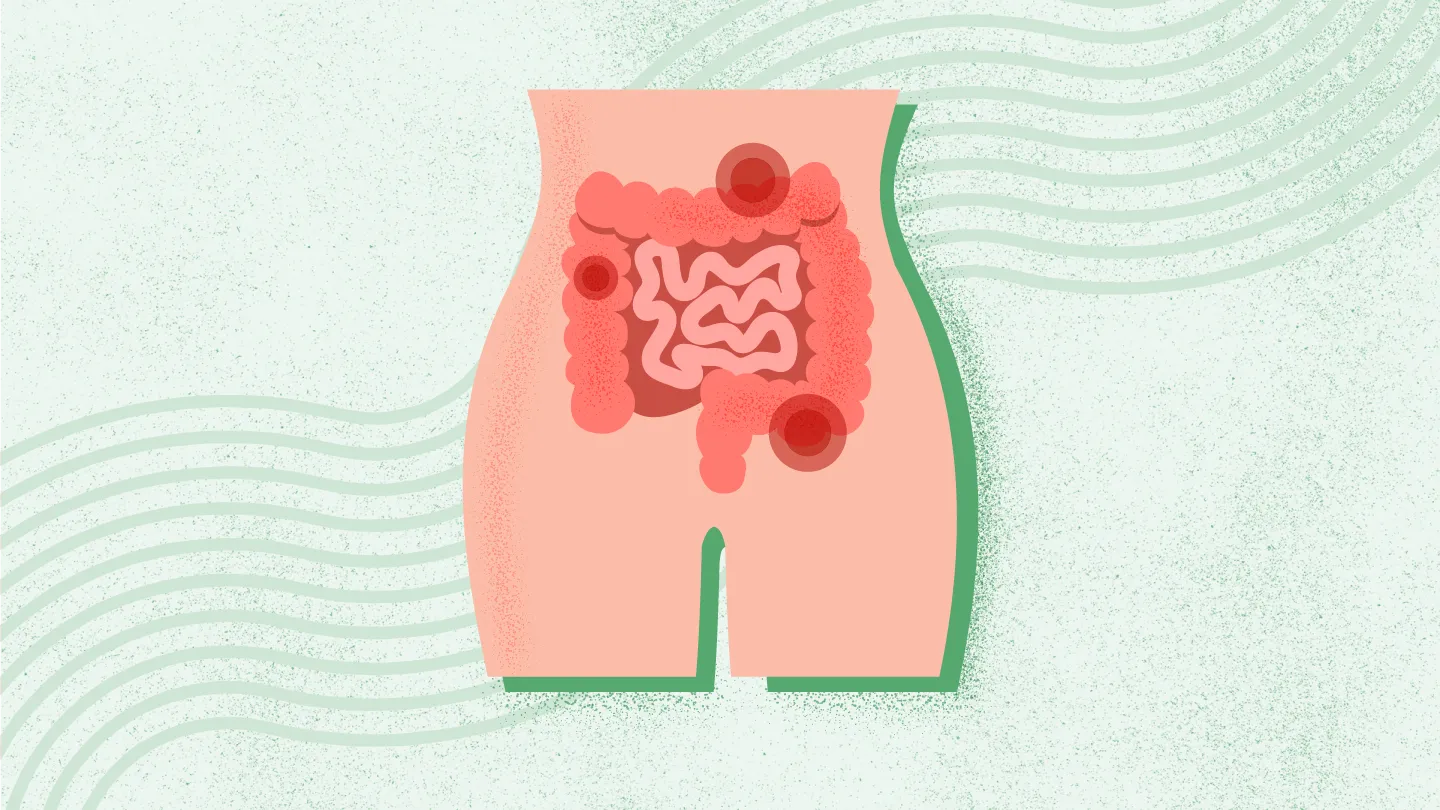

If you’ve ever sat on the toilet, checked your phone, answered a few emails, and still… nothing, you already know constipation isn’t exactly a glamorous topic. But it’s incredibly common. Millions of people in the United States deal with constipation at least occasionally, and many live with it chronically. The good news: once you know what’s going on in your gut, you can usually get things moving again.
This guide walks through what constipation is, the most common symptoms and causes, how doctors diagnose it, treatment options (from lifestyle changes to prescription medications), and smart ways to prevent it. Think of it as a practical owner’s manual for your bowelswith a little humor to keep things, well, light.
What Is Constipation, Exactly?
Constipation isn’t just “not going every day.” Medically, constipation is usually defined as having fewer than three bowel movements per week, having stools that are hard, dry, or lumpy, or feeling like you have to strain a lot to go. Many people also describe a sensation that they haven’t fully emptied, even after they’ve had a bowel movement.
Normal bowel habits are surprisingly diverse. Some healthy people go three times a day; others go three times a week. What matters is your own baseline and whether your pattern has significantly changed.
Doctors often split constipation into:
- Acute constipation: Starts suddenly, lasts days to a few weeks, and is a noticeable change from your usual pattern.
- Chronic constipation: Symptoms last for at least three months (often much longer) and may significantly affect your quality of life.
Sometimes constipation is a stand-alone issue. Other times, it’s a symptom of an underlying condition that needs medical attention. That’s why paying attention to your bodyand knowing the red flagsis so important.
Common Symptoms of Constipation
Constipation shows up in more ways than just “I can’t go.” People commonly report:
- Fewer than three bowel movements per week
- Hard, dry, or lumpy stools (think small pellets or very dense logs)
- Straining during bowel movements
- Feeling like you can’t fully empty your bowels
- Needing to use your fingers or other maneuvers to help stool come out
- Bloating, gassiness, or a sense of fullness in the belly
- Mild abdominal pain or cramping
More serious symptoms can accompany constipation and deserve prompt medical care, including:
- Blood in your stool or on the toilet paper
- Unintended weight loss
- Severe or worsening abdominal pain
- Vomiting
- Constipation that suddenly appears and doesn’t improve
- Inability to pass gas along with severe belly pain (possible blockage)
If any of those sound familiar, that’s a “don’t Google this for three weekscall your doctor today” situation.
Why Does Constipation Happen? Common Causes and Risk Factors
Constipation usually comes down to one basic problem: stool moves too slowly through the colon, giving the body more time to pull water out of it. The result is hard, dry stool that’s difficult to pass. But why does that happen in the first place? There are many possible reasons.
1. Diet and Lifestyle Issues
For a lot of people, constipation is linked to what (and how) they eat and drink, and how much they move:
- Low-fiber diet: Fiber adds bulk and softness to stool. Diets heavy on processed foods, cheese, and meat but light on fruits, vegetables, whole grains, and legumes are classic constipation offenders.
- Not enough fluids: When you’re dehydrated, your colon pulls extra water out of stool to conserve fluid, leaving it drier and harder.
- Physical inactivity: Regular movement stimulates your intestines. Sitting at a desk all day, then crashing on the couch at night, can slow things down.
- Ignoring the urge to go: Frequently “holding it” because you’re busy or don’t like public restrooms can train your body to be less responsive to normal signals.
2. Medications
Plenty of everyday medications can cause or worsen constipation, including:
- Opioid pain medicines (such as oxycodone or hydrocodone)
- Some antidepressants
- Iron supplements
- Calcium or aluminum-containing antacids
- Some blood pressure medications (like certain calcium channel blockers)
- Anticholinergic drugs used for allergies, overactive bladder, or nausea
If your constipation started after a new medication, never stop the drug on your owntalk with your prescriber about alternatives or ways to manage the side effect.
3. Medical Conditions
Sometimes constipation is a sign of something more complex going on in the body. Conditions that can contribute include:
- Hypothyroidism (underactive thyroid)
- Diabetes
- Parkinson’s disease
- Multiple sclerosis
- Spinal cord injury
- Stroke
- Colon or rectal cancer or structural narrowing
- Pelvic floor dysfunction (trouble coordinating muscles used for bowel movements)
- Irritable bowel syndrome with constipation (IBS-C)
This is why persistent constipation or a major change in your bowel pattern after age 45–50 should be evaluated by a healthcare professional, especially if you haven’t had age-appropriate colon cancer screening.
4. Special Situations: Children, Pregnancy, and Older Adults
Constipation is extremely common in kids, pregnant people, and older adultsoften for slightly different reasons.
- Children may get constipated during toilet training, after changes in diet, when they don’t drink enough fluids, or when they “hold it” because they’re busy or afraid of painful poops.
- Pregnant people often deal with constipation due to hormonal shifts, iron supplements, and a growing uterus pressing on the intestines.
- Older adults may have slower gut motility, take more medications, and move less, all of which increase constipation risk.
How Is Constipation Diagnosed?
For most people, a careful conversation plus a physical exam is enough for a doctor to diagnose constipation and suggest initial treatment. Your provider will usually ask about:
- How often you have bowel movements
- What your stools look like (yes, you may get the famous “stool chart”)
- How long you’ve been constipated
- Diet, fluid intake, and exercise habits
- Medications, supplements, and medical history
- Whether you’ve seen blood, experienced weight loss, or had severe pain
A physical exam often includes a rectal exam to check for impacted stool, hemorrhoids, fissures, or structural problems.
Additional tests may be ordered if you’ve had symptoms for a long time, have red-flag signs, or initial treatment doesn’t help. These can include:
- Blood tests to check for thyroid problems, high calcium levels, or anemia.
- Colonoscopy to evaluate for polyps, cancer, or narrowing of the colon, especially in people over 45–50 or with alarm symptoms.
- Imaging tests such as abdominal X-rays or CT scans if obstruction or severe impaction is suspected.
- Specialized motility and pelvic floor tests (like anorectal manometry or transit studies) in severe, chronic cases.
Treatment: How Do You Get Things Moving Again?
Treatment depends on how severe your constipation is, how long it’s been going on, and what’s causing it. Often, doctors start with lifestyle changes and then step up to medications if needed.
1. Lifestyle and Home Remedies
You’ve probably heard most of these before, but they genuinely work for many people:
- Boost your fiber intake: Aim for about 25–38 grams of fiber a day from foods like fruits, vegetables, beans, nuts, seeds, and whole grains. Increase slowly to avoid major gas and bloating.
- Stay hydrated: Most adults do well with around 6–8 cups of fluid a day (more in hot weather or if you’re very active), unless your doctor has given you different fluid instructions.
- Move your body: Walking, gentle jogging, yoga, or anything that gets your muscles working can help stimulate your bowels.
- Respond to the urge: When your body says “it’s time,” try to go. Skipping that urge repeatedly makes constipation more likely.
- Bathroom routine: Some people do well with a regular “toilet appointment,” often 20–30 minutes after breakfast when the colon is naturally more active.
2. Over-the-Counter Laxatives
When food and lifestyle changes aren’t enough, over-the-counter (OTC) laxatives can help. Used correctly and under a doctor’s guidance, they’re safe for many people. Types include:
- Bulk-forming agents (psyllium, methylcellulose): Add fiber and water to stool, making it softer and easier to pass.
- Osmotic laxatives (polyethylene glycol, lactulose, magnesium hydroxide): Pull water into the colon to soften stool.
- Stool softeners (docusate): Help stool mix with water and fats so it passes more comfortably.
- Stimulant laxatives (senna, bisacodyl): Trigger rhythmic contractions of the intestine to move stool along; often used short term or intermittently.
- Rectal therapies (suppositories, enemas): Can provide faster relief in some cases, especially when stool is close to the rectum.
Even though these are OTC, it’s smart to check in with a healthcare professional, especially if you’re using them regularly, are pregnant, older, or have other medical conditions.
3. Prescription Medications and Specialized Care
For people with chronic idiopathic constipation (CIC)long-term constipation without a clear structural causeprescription medications can make a big difference. Current guidelines recommend several options, including:
- Secretagogues (such as lubiprostone, linaclotide, plecanatide), which increase intestinal fluid and motility.
- Prokinetic agents that enhance gut movement.
- Evidence-based use of magnesium oxide and senna supplements in specific situations.
In cases where pelvic floor dysfunction is the main issue, biofeedback therapy with a specially trained therapist can retrain the muscles involved in bowel movements, often with impressive results. Surgery is rarely needed, and usually reserved for severe, carefully evaluated cases.
Preventing Constipation: Daily Habits That Help
While nobody can prevent every episode of constipation (travel and life happen), there’s a lot you can do to make it less likely:
- Build meals around fiber-rich foods: leafy greens, berries, oats, beans, lentils, whole-grain bread.
- Drink water steadily throughout the daynot just a huge glass once in a while.
- Prioritize movement: even a 20–30 minute walk most days supports gut motility.
- Keep a consistent bathroom schedule when possible.
- Maintain regular screening and checkups, especially as you age.
Think of these habits as regular maintenance for your internal plumbingless dramatic than an emergency call later.
When Constipation Is an Emergency
Most constipation is uncomfortable but not dangerous. However, you should seek urgent medical care if you experience:
- Sudden, severe abdominal pain plus inability to pass gas or stool
- Constipation with persistent vomiting
- Black, tarry stool or bright red blood in the stool
- High fever and severe abdominal discomfort
These symptoms can signal bowel obstruction, severe infection, or other emergencies that need immediate attentionnot a wait-and-see approach.
Real-Life Experiences: What Living With Constipation Can Feel Like
Clinical definitions are useful, but they don’t fully capture what constipation feels like in day-to-day life. For many people, chronic constipation becomes a quiet, frustrating background noise in their routineannoying enough to affect mood and energy, but not always dramatic enough to talk about openly.
Imagine someone who wakes up already feeling a little bloated. Breakfast isn’t just about coffee and toastit’s a strategic moment: “Should I add flaxseed? Do I risk a second cup of coffee? Will I have time to use the bathroom before my commute?” A simple trip to the restroom becomes a mini project, with mental checklists like “Did I drink enough water?” or “Did I have any veggies yesterday?”
People with chronic constipation often describe a sense of heaviness or fullness that follows them around. Clothes might feel tighter, not because of weight gain, but because of trapped stool and gas. Social events can be stressfulnobody wants to worry about belly discomfort during a work presentation or a dinner date. Some people become hyper-aware of where the nearest bathroom is, even though their problem isn’t urgency but the fear of not being able to go if they finally sit down.
Emotionally, constipation can be surprisingly draining. There can be guilt (“I know I should eat more fiber”), embarrassment (“I can’t believe I’m talking to my doctor about poop”), and even anxiety (“What if this is something serious?”). It’s not unusual for people to try every home remedy they see on social mediaprune juice, special teas, “miracle” supplementsbefore having an honest conversation with a healthcare professional.
The turning point for many people comes when they shift from “I’ll just live with this” to “This is affecting my quality of life, and I deserve to feel better.” That might look like keeping a simple bowel habit journaltracking food, fluids, activity, and bathroom patternsto bring to an appointment. It might mean advocating for themselves if the first suggestion doesn’t fully help, or asking for a referral to a gastroenterologist when things remain stubborn.
There are also small, hopeful moments along the way that don’t show up in medical charts. The relief of realizing that adding a bowl of oatmeal, a daily walk, and a fiber supplement actually worked. The confidence that comes from understanding the difference between “normal for me” and “time to call my doctor.” Even the ability to talk more openly with a partner or friend about digestive health can make the whole experience feel less isolating.
If you’re dealing with constipation, you’re not aloneand you’re not being dramatic if it bothers you. Your comfort matters. Small changes and the right medical support can add up to a big difference in how you feel, both physically and emotionally.
The Bottom Line
Constipation is common, but that doesn’t mean you just have to accept it as “how my body works.” Whether it’s an occasional slowdown after travel or an ongoing struggle that’s been quietly affecting your life for years, there are effective strategies to manage it.
Start with the basics: more fiber, more fluids, more movement, and better bathroom habits. Pay attention to red-flag symptoms that require prompt care. And if your symptoms are persistent, severe, or impacting your life, talk with a healthcare professionalpreferably one comfortable discussing gut health in detail. With the right plan, you can move from “stuck” to “things are finally moving again,” and your gut (and schedule) will thank you.