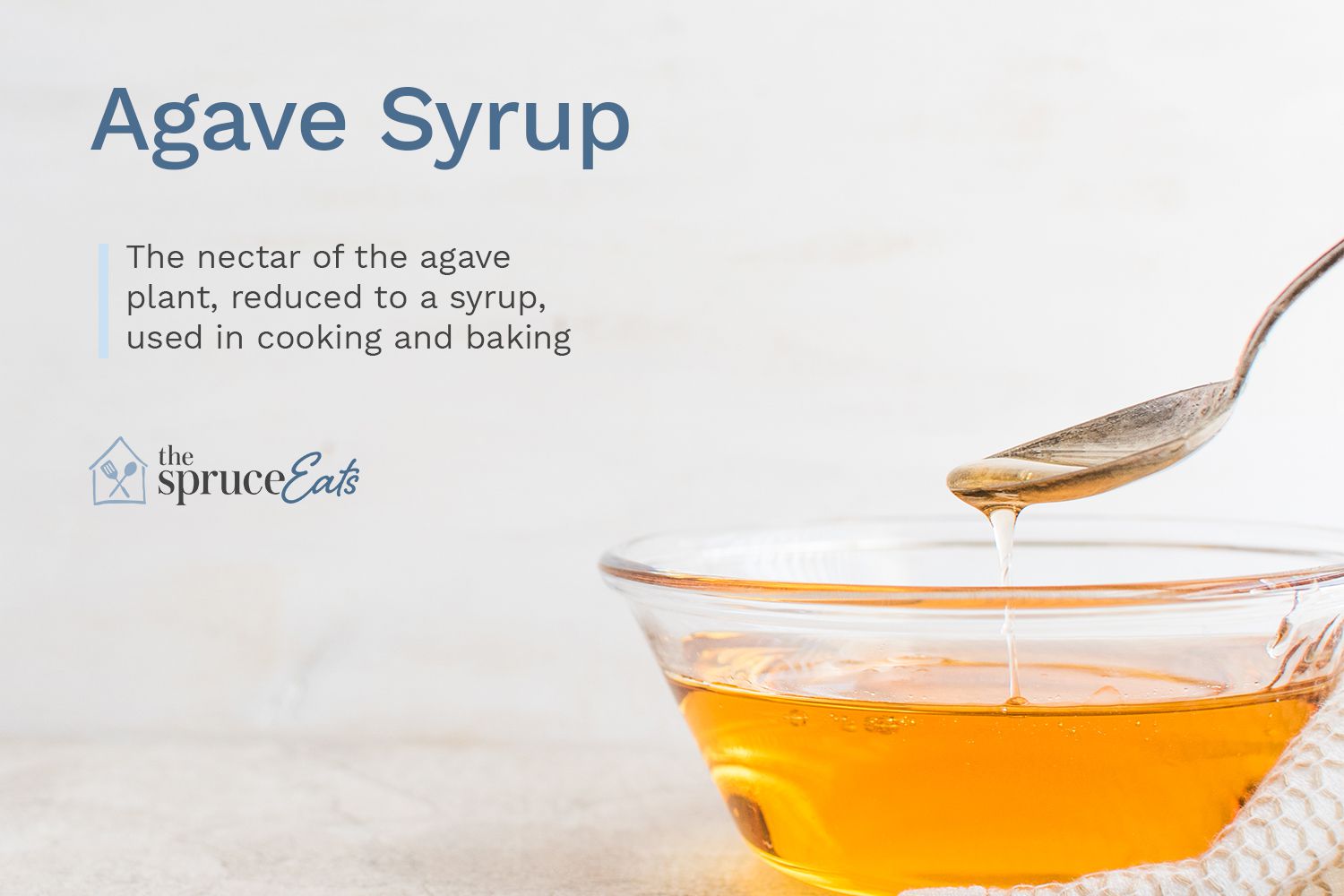

Picture this: you’re sipping your morning latte, trying to be health‑conscious, and you spot a bottle labelled “agave syrup”–the sweet little plant‑based underdog of the sugar world. You might ask: “What exactly is agave syrup? Is it a sweet miracle or just another sneaky sugar trap?” Join me as we dive into this sticky topic with a spoonful of humor, a dash of science, and no boring jargon.
What Exactly Is Agave Syrup?
In the most straightforward terms, Agave Syrup (sometimes called agave nectar) is a sweet syrup produced from the sap of plants in the genus Agaveyes, the same botanical family that gave us tequila.
Here’s how it’s made: after the agave plant grows (often for years), its leaves are removed, and the core “piña” is harvested. Juice is extracted, filtered, then heated or enzymatically treated so that fructans (complex carbohydrates) convert into simpler sugarsmainly fructose and some glucose. That liquid is then concentrated into the syrup you see in stores.
Because it’s derived from a plant rather than cane sugar or corn syrup, agave syrup has become popular among vegan and “natural sweetener” crowds. But as we’ll see, the reality is a bit more nuanced (and funnier) than the marketing hype.
Why Is Agave Syrup Popular? The Sweet Sales Pitch
Marketers have played up several selling points that make agave syrup seem like the sweet‑savior of the sugar world:
- Low glycemic index (GI): Because of its high fructose content, agave syrup has a lower GI than regular table sugarmeaning in theory it doesn’t spike your blood sugar as sharply.
- Vegan‑friendly substitute for honey: Since it comes from agave and not bees, it’s a go‑to sweetener for people avoiding honey.
- Easier to dissolve in cold drinks: The syrup texture mixes better than granulated sugar or honey in cold beverages.
- Sweetness punch: Agave syrup is often sweeter than sugar, so the logic goes: you can use less of it.
So yes, it has its charms. Butyou knew there was a “but”things aren’t quite as simple as they seem.
The Nutrition & Science Behind Agave Syrup
Let’s dig into the numbers and the science to see what’s going on behind the sweet curtain.
Basic Nutrition Facts
According to several sources:
- One teaspoon (about 6.9 g) of agave syrup has roughly 21 calories, 5.3 g carbs, 4.7 g sugars.
- One tablespoon (about 20 g) might come in around 60 calories and 15 g sugar.
- On a 100 g basis, agave syrup may provide ~300 calories, ~80 g carbs, with negligible fat or protein.
In shortyes, it’s still sugar. And sugar carries calories and carbs.
Fructose Overload? The Sweet But Risky Truth
Here’s where the plot thickens (and the syrup might cause a bit of chaos in your liver). Many popular agave syrups are extremely high in fructosesome estimates say up to 80‑90% of the sugar content.
The high fructose content gives agave its low GI (because fructose doesn’t quickly impact blood glucose), but it also means the liver has to do a lot of work: fructose is processed in the liver, turned into triglycerides, stored as fat, or converted to glucose. Over time, high intake may contribute to non‑alcoholic fatty liver disease, increased LDL cholesterol, and insulin resistance.
Glycemic Index, and What It Means
Agave syrup’s GI is often listed in the low teens (e.g., 10‑27) compared to table sugar (GI ~65‑70).
Lower GI might sound like a health winbut here’s the subtle kicker: GI doesn’t tell the whole story when you are still consuming calories, sugars and making your liver work overtime. Many experts caution that low‑GI sweeteners are not necessarily “healthy” sweeteners.
Comparing Agave Syrup to Other Sweeteners: Honey, Maple, Sugar
Because we love comparisons:
- Versus table sugar (sucrose): Table sugar is roughly 50% glucose / 50% fructose. Agave may be up to ~80‑90% fructose. So while agave may spike blood sugar less, it may put more burden on the liver.
- Versus honey: Honey tends to have a higher GI, more glucose, and also some antioxidants (especially raw honey). One review called honey the “clear winner” over agave in many health comparisons.
- Versus maple syrup: Maple syrup tends to have more trace minerals and fewer extreme processing steps (though still added sugar). A broader reminder: none of these sweeteners are “free” from concerns.
Uses and How to Incorporate Agave Syrup
Alrightso if you decide to use agave syrup, how and when does it make sense?
- Because it dissolves easily in cold liquids, it’s great for iced teas, smoothies, and cold‑brew coffee. (Sugar granules might not fully dissolve.)
- In vegan baking, it can replace honey (so your vegan waffles stay vegan). Just note it’s thinner than honey, so usually you reduce other liquids slightly.
- On pancakes, waffles, or drizzled over yogurt as a toppingit’s the sweet final flourish.
- Recipe tip: Because it’s sweeter than sugar, you may reduce the quantity by about one‑third, and you may slightly reduce other liquids to maintain texture. (Some sources suggest this for user‑friendly results.)
Potential Risks and Things to Keep in Mind
Before we crown agave syrup the sweet king, let’s examine the “but”s.
- Still an added sugar: Accepting it or not, agave syrup is an added sweetenernot a magical health food. Overconsumption of any added sugar is linked to obesity, diabetes, heart disease.
- High fructose burden: The high fructose content may stress the liver, increase triglycerides, and promote fat build‑up in undesirable places.
- Calories still count: Just because something is plant‑based or “natural” doesn’t mean you can free‑reign on the bottle. You still get calories.
- Processing varies: Some agave syrups are more “natural” than others. The manufacturing process (enzymes, heat, filtration) can vary, as can the extent of refinement. The marketing can be misleading.
- Not a sugar‑free miracle: If you have diabetes or are managing blood glucose, switching to agave doesn’t necessarily make things safe. It still impacts metabolism.
Should You Use Agave Syrup? My Verdict
Here’s how I see it (with a wink): If you’re a vegan smoothie lover who needs a sweetener that plays well in cold drinks, or you just want a nice drizzle on your pancakes, agave syrup is a reasonable choice. But if you’re swapping out sugar for agave assuming it’s a health food, you’re giving it way too much credit.
Use it because you like the flavour or the vegan‑friendly label, not because you think it will save your metabolism. And always use it with the same mindset you use any sweetener: moderation is your best friend.
Conclusion
In the grand sweet spectrum, agave syrup is a quirky plant‑based option with a lower glycemic index and easy solubilitybut it’s not a free pass to unlimited dessert. With its high fructose content, limited nutritional superiority, and no escape from being an “added sugar,” it earns a spot on the shelfbut not a halo.
So the next time you reach for that bottle of agave syrup, ask yourself: “Do I love the taste? Am I using it thoughtfully?” If yes, great. If not, remember the old adage: just because it’s plant‑based doesn’t mean nature approves unlimited portions.
Additional 500‑word experience section
My Personal Adventures with Agave Syrup
Okay, buckle upI’m about to dive into my very own agave syrup saga. A few years ago, I decided to swap out my usual white sugar for agave syrup in my morning coffee. I’d read about its lower glycemic index, the vegan‑friendly tag, and the idea that “fewer sugar spikes” might mean fewer mid‑morning crashes. I poured the first teaspoon in, stirred… and gave it a taste. It was slightly differentnot be‑honey, not pure cane sugar, but a mellow sweetness with a hint of caramel. I was intrigued.
I then tried it as a drizzle on pancakes one leisurely Sunday. Because I’d read that it’s sweeter than sugar, I used perhaps two‑thirds the amount I’d normally pour. The flavour came through beautifully, and the texture was slick and smooth. Bonus: my friend who’s vegan gave me an approving nodthe agave scored vegan‑points.
But then I noticed something interesting: one day after several mornings of the swap I felt… well, exactly like when I used sugar. The crash hit. The mid‑morning snack urge kicked in. So I asked myself: “Is the low‑GI label just a marketing trick?” Probably partially, yes.
I also experimented with making iced tea in summer and used agave syrup to sweeten it. The syrup dissolved gracefully compared to granulated sugarthat part was undeniably satisfying. But I also realized that my bottle of agave was slowly shrinking, and I hadn’t stopped counting sweets altogether. So the calories were still piling.
In one memorable week‑end baking experiment I replaced honey with agave in a vegan banana‑bread recipe. The texture was moist, the sweetness mellowed, and the flavour passed my “would I still eat it if it had sugar” test. But cruciallyI still had to watch how much I used, and I still labelled it “dessert.” The same mental rule applied.
A turning point came when I researched deeper. I discovered the darker side of that low‑GI marketingthe fact that high fructose content shifts the metabolic burden to my liver. I thought: “Ah, so this isn’t the ‘healthier sugar’, just a different kind of sugar.” That realization made me more mindful.
So where does that leave me today? I still keep a bottle of agave syrup in the pantry, because I like the taste, I like the vegan‑friendly badge, and occasionally I do use it for cold drinks and drizzles. But I also treat it like any other added sweetener: something to use sparingly, with intention, not as a free‑pass to sweet‑town every day.
Here are a couple of tips from my own trials: If you’re using agave in a drink, try reducing the amount by around one‑third compared to sugar. If you’re baking with it, consider cutting other liquids slightly to account for the added moisture. And always ask: “Have I already consumed added sweeteners elsewhere today?” Because yesyou probably have.
In short, agave syrup is like the shiny new guest at the sweetener party: charming, has a cool story, but not the superhero you might have hoped for. Use it. Enjoy it. But don’t give it the keys to the kingdom of your sweet cravings.