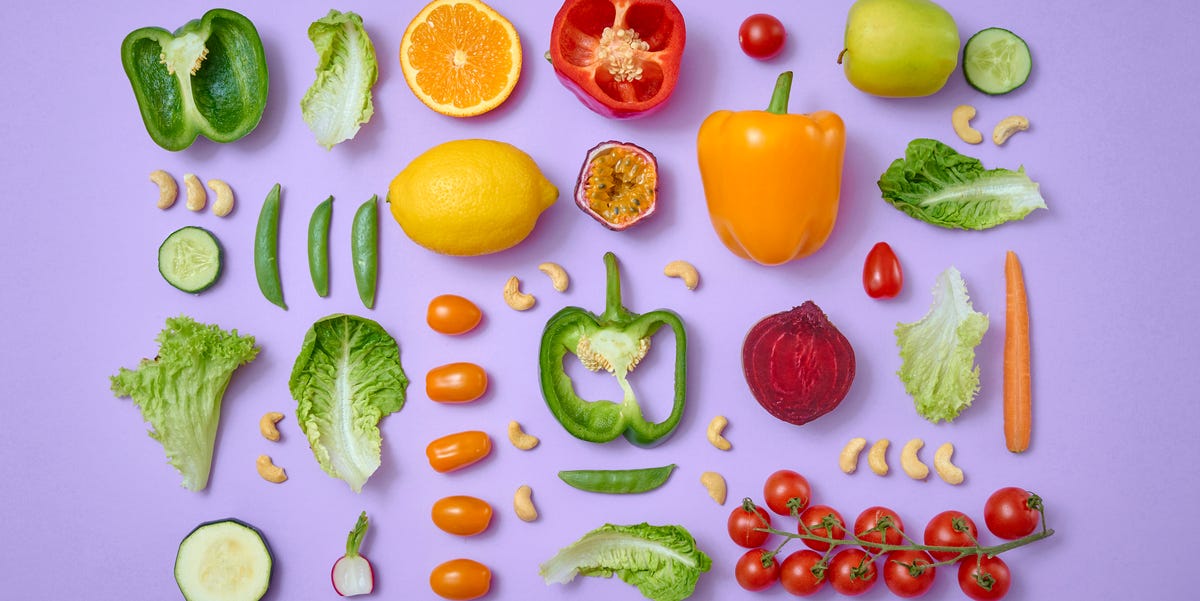

If you’ve ever stared at a menu and thought, “So… what do vegans actually eatvibes?” you’re not alone. Veganism has gone from niche lifestyle to supermarket mainstream, with plant-based milks, burgers, and even “cheese” taking over entire aisles. But beyond the trendy packaging, a vegan diet is a very specific way of eating that can affect your health, the environment, your grocery bill, and even your social life.
This guide breaks down what a vegan diet really is, which foods are on (and off) the table, what science says about the health benefits and risks, and how to build a nutritionally balanced vegan platewithout needing a nutrition degree or an extra pantry.
What Is a Vegan Diet?
A vegan diet is a type of plant-based eating pattern that excludes all animal products. That means no meat, poultry, fish, shellfish, dairy, eggs, gelatin, or animal-derived ingredients like lard or some food colorings. Instead, vegans focus on foods that come from plants: fruits, vegetables, grains, beans, lentils, soy foods, nuts, and seeds.
Veganism can be just a diet choice, but for many people it’s also an ethical and environmental decisionavoiding animal products because of animal welfare concerns, climate impact, or both. Either way, when we talk about a “vegan diet” in this article, we mean the food part: a pattern built entirely around plant foods.
Vegan vs. Other Plant-Based Diets
Not all plant-based diets are the same. A few common versions include:
- Vegetarian: No meat, poultry, or fish, but usually includes dairy and/or eggs.
- Pescatarian: No meat or poultry, but includes fish and seafood plus plant foods.
- Flexitarian: Mostly plant-based, but with occasional meat or animal products.
- Vegan: No animal products at allno meat, fish, dairy, eggs, or animal-derived additives.
In short: all vegan diets are plant-based, but not all plant-based diets are fully vegan.
Health Benefits of a Vegan Diet
A well-planned vegan diet can do a lot more than help you feel virtuous at the salad bar. Large studies suggest that diets focused on whole plant foods are linked to a lower risk of several chronic diseases, especially when they replace heavily processed meat and high-saturated-fat foods.
Heart Health and Cholesterol
Heart disease is still a leading cause of death, and diet plays a major role. Research from Harvard and other institutions has found that eating more plant protein and less animal protein can reduce the risk of cardiovascular disease and coronary artery disease, particularly when red and processed meats are swapped for legumes, nuts, and other plant foods.
Why? Plant-based diets tend to be:
- Lower in saturated fat (found in fatty meats, butter, and full-fat dairy)
- Higher in fiber, which can help lower LDL (“bad”) cholesterol
- Rich in antioxidants and phytochemicals that may reduce inflammation
Weight Management
Many people lose weight after adopting a vegan dietsometimes without focusing on calories. That’s partly because whole plant foods (think beans, vegetables, and whole grains) are naturally lower in calorie density and higher in fiber, which helps you feel full on fewer calories. Some studies show vegan diets are associated with lower body mass index (BMI) and a lower likelihood of obesity compared with non-vegetarian eating patterns.
Of course, potato chips and vegan ice cream also count as “vegan,” so the weight-benefit depends heavily on whether your vegan diet is based on whole foods or ultra-processed snacks.
Blood Sugar and Diabetes Risk
Plant-forward diets rich in whole grains, legumes, nuts, seeds, fruits, and vegetables are tied to a lower risk of type 2 diabetes. High-fiber foods slow digestion and help blunt blood sugar spikes. Some research suggests that plant sterols and other compounds found in plant foods are linked to healthier cholesterol and blood sugar levels over time.
Longevity and Overall Health
Patterns of eating that emphasize plant foods overallnot just vegan but Mediterranean-style and other plant-predominant dietshave been associated with longer, healthier lives and a lower risk of chronic diseases. This includes lower rates of heart disease, high blood pressure, and certain cancers in people who consistently lean into plant-based eating.
Bottom line: a vegan diet isn’t a magic shield against illness, but when it’s centered on minimally processed plant foods, it can be a powerful tool for supporting long-term health.
Is a Vegan Diet Nutritionally Adequate?
This is the big question: “Can I get everything my body needs without animal products?” According to the Academy of Nutrition and Dietetics, appropriately planned vegetarianincluding vegandiets are nutritionally adequate and can provide health benefits for the prevention and treatment of certain diseases. They’re considered suitable for all life stages, from pregnancy through older adulthood, as long as they are well designed.
Key Nutrients to Watch on a Vegan Diet
“Well-planned” is doing a lot of work in that statement. Vegan diets can be completely balanced, but a few nutrients need special attention:
- Protein: Legumes (beans, lentils, chickpeas), soy foods (tofu, tempeh, edamame), seitan, quinoa, nuts, and seeds can easily cover your protein needs when eaten in sufficient amounts throughout the day.
- Iron: Plant-based iron (non-heme iron) is found in lentils, beans, tofu, spinach, pumpkin seeds, and fortified cereals. Eating these with vitamin C–rich foods (citrus, bell peppers, berries) helps boost absorption.
- Calcium: Fortified plant milks, calcium-set tofu, leafy greens like kale and bok choy, tahini, and almonds are key sources.
- Vitamin D: Sun exposure helps, but many peoplevegan or notneed fortified foods or a supplement, especially in winter or in low-sun regions.
- Vitamin B12: This is the big one. B12 is primarily found in animal products, so vegans typically need B12-fortified foods (like some plant milks and breakfast cereals) and/or a supplement to avoid deficiency.
- Omega-3 fats: Ground flaxseed, chia seeds, walnuts, hemp seeds, and algae-based supplements provide alpha-linolenic acid (ALA) and, in the case of algae oil, DHA/EPA.
- Iodine and Zinc: Iodized salt, seaweed (in moderate amounts), beans, nuts, seeds, and whole grains contribute here; some vegans may benefit from a multivitamin that covers iodine and zinc.
Working with a registered dietitian familiar with vegan nutrition can be helpful, especially for people who are pregnant, breastfeeding, managing medical conditions, or planning vegan diets for children.
What Do Vegans Actually Eat?
The stereotype is that vegans live on lettuce and sadness. In reality, a varied vegan diet can be colorful, filling, and surprisingly familiar. Think chili, tacos, stir-fries, pasta, curries, grain bowls, and sandwichesjust built with plant proteins and dairy-free swaps.
Major Food Groups in a Vegan Diet
- Vegetables: Leafy greens, cruciferous veggies (broccoli, cauliflower, Brussels sprouts), root vegetables, peppers, mushrooms, and more.
- Fruits: Berries, citrus, apples, bananas, melons, stone fruitsfresh, frozen, or dried (in moderation for dried and juices).
- Whole Grains: Brown rice, quinoa, oats, barley, farro, whole-wheat bread and pasta, corn tortillas.
- Legumes: Beans, lentils, chickpeas, peas, and soy foods like tofu and tempeh.
- Nuts and Seeds: Almonds, walnuts, cashews, pumpkin seeds, sunflower seeds, chia, flax, hemp.
- Plant-Based “Convenience” Foods: Veggie burgers, vegan sausages, dairy-free cheeses, non-dairy yogurts, and dessertsbest used as supporting players rather than the entire show.
Sample One-Day Vegan Meal Plan
Here’s a simple example of what a balanced vegan day might look like:
- Breakfast: Oatmeal cooked with fortified soy milk, topped with berries, ground flaxseed, and almond butter.
- Snack: Apple slices with peanut butter.
- Lunch: Quinoa and black bean bowl with roasted sweet potatoes, kale, salsa, avocado, and a squeeze of lime.
- Snack: Carrot sticks and hummus.
- Dinner: Tofu and vegetable stir-fry over brown rice, with broccoli, bell peppers, snap peas, and cashews.
- Dessert (optional): A square or two of dark chocolate or dairy-free frozen dessert.
This kind of routine delivers fiber, protein, healthy fats, and a wide mix of vitamins and mineralswhile staying entirely plant-based.
Common Challenges and How to Avoid Pitfalls
Relying on Vegan Junk Food
It’s very possible to eat a vegan diet that’s heavy on fries, sugary drinks, and ultra-processed meat substitutes. That might satisfy the ethical or environmental reasons for going vegan, but it won’t deliver the health benefits associated with more traditional, whole-food plant-based diets.
Try using packaged vegan meats and cheeses as occasional add-ons, not daily staples. Build most meals around beans, lentils, whole grains, vegetables, fruits, nuts, and seeds.
Social Situations and Eating Out
Dinner with friends, holidays with family, or office parties can feel awkward at first. A few tips:
- Check menus in advance and look for dishes that can be tweaked (hold the cheese, swap the meat for beans).
- Offer to bring a vegan main or side dish to potlucks or holiday gatherings.
- Explain your choices simply if askedno lectures required. “I feel good eating this way” usually works.
Budget and Grocery Planning
Legumes, whole grains, and seasonal produce are often among the most affordable foods in the store. Where costs can climb is in specialty products like vegan cheeses, mock meats, and pre-made meals. To stay budget-friendly, base your cart on dry beans, lentils, rice, oats, frozen vegetables, and in-season fresh produce, then add a few fun extras.
How to Start a Vegan Diet (Without Overwhelm)
You don’t need to go from steak to sprouted tofu overnight. In fact, gradual changes are more sustainable for many people. Here are manageable steps:
- Start with one meal: Make breakfast vegan for a weekthink oatmeal, smoothies, or tofu scrambles.
- Build “meatless days”: Choose one or two days a week to cook all plant-based meals (Meatless Monday, anyone?).
- Veganize favorites: Tacos with black beans instead of ground beef, pasta with lentil Bolognese, or pizza with veggie toppings and vegan cheese.
- Learn a few core recipes: A good chili, stir-fry, curry, and grain bowl formula can carry you a long way.
- Plan for protein: Make sure there’s a clear protein source on your plate at each mealbeans, lentils, tofu, tempeh, or seitan.
- Cover your B12: Add fortified foods and/or a B12 supplement as recommended by a healthcare provider.
As you get comfortable, you can decide whether you want to be 100% vegan or simply “mostly plant-based” with occasional animal products. Any shift toward whole plant foods can be beneficial.
Real-World Experiences With a Vegan Diet
Everyday Life on a Vegan Diet: What It Really Feels Like
On paper, a vegan diet is a list of foods and nutrients. In real life, it touches almost everything: how you cook, shop, socialize, travel, and even how often people ask you, “But where do you get your protein?”
Many people who transition to vegan eating report a noticeable change in how they feel day to day. Some describe having more steady energy and fewer afternoon slumps once their meals shift away from heavy, high-fat animal dishes and toward fiber-rich plants. When your plate is packed with beans, vegetables, and whole grains, blood sugar tends to rise and fall more gently, which can translate into feeling more stable and less “hangry” between meals.
Digestion is another big one. A vegan diet is naturally higher in fiber, which can be both a blessing and a bit of an adventure at first. People often find that their digestion improves over timemore regular, less sluggishbut those first weeks can come with some extra gas and bloating as the gut microbiome adjusts. Going slow, adding beans and high-fiber foods gradually, and drinking plenty of water can make the transition smoother.
Socially, the experience can depend a lot on your environment. In cities with plenty of plant-based options, it’s easy to find vegan meals at restaurants, coffee shops, and even fast-food chains. In other areas, you might become very familiar with the side-salad-and-fries combo. Over time, many vegans become skilled at scanning menus and spotting “accidentally vegan” options or simple customizations, like ordering a veggie pizza with no cheese and extra toppings or asking for a burrito filled with beans, rice, and guacamole.
Cooking habits often evolve too. People who once relied heavily on premade meals or takeout sometimes find themselves experimenting in the kitchen more. Learning how to press tofu so it crisps up, how to build flavor with spices, and how to use ingredients like miso, nutritional yeast, tahini, and soy sauce can transform plant-based cooking from bland to “When did I become this person who makes great curry?”
Cravings don’t magically disappear, either. It’s common for new vegans to miss specific foodscheese is a frequent one. For some, plant-based cheese alternatives do the trick; for others, cravings fade as taste buds adapt and new favorite foods take over. Many people find that focusing on abundancewhat they can eatrather than restriction makes the process feel less like a diet and more like a new culinary adventure.
Travel adds another layer. Planning ahead becomes key: packing snacks, researching restaurants, or learning a few simple phrases in another language if you’re abroad can make trips much less stressful. The upside is that vegan travelers often discover local dishes and markets they might otherwise miss, because they are actively looking for plant-based options.
There’s also an emotional side. For those who choose veganism for ethical or environmental reasons, eating in alignment with their values can feel deeply satisfying. That sense of alignment often becomes a source of motivation when things get inconvenient or when you’re stuck at an event with nothing but a plain salad and a dinner roll.
Ultimately, real-life veganism doesn’t look the same for everyone. For some, it’s a carefully planned, whole-foods lifestyle complete with weekly batch cooking and detailed nutrient tracking. For others, it’s more relaxedplenty of beans and veggies, plus a few plant-based burgers and store-bought desserts. What most long-term vegans have in common is that they’ve experimented, made mistakes, adjusted, and landed on a version of vegan eating that fits their tastes, health needs, budget, and social world.
The Bottom Line
A vegan diet is more than just “no meat, no dairy.” Done well, it’s a flexible, flavorful way of eating that prioritizes whole plant foods and can support heart health, weight management, blood sugar control, and overall well-being. The key is thoughtful planning: paying attention to nutrients like protein, iron, calcium, vitamin D, and especially vitamin B12, and building meals around a wide variety of fruits, vegetables, whole grains, legumes, nuts, and seeds.
You don’t have to be perfect or turn your whole life upside down overnight. Whether you go fully vegan or simply shift toward more plant-based meals, each plate is a chance to support your healthand maybe discover that tofu actually tastes amazing when you know what to do with it.