
If cookware had a “promote this employee” button, the Dutch oven would get clicked so hard your mouse would file a complaint. It’s the pot that braises like a champ, bakes bread like a tiny steam-powered bakery, and makes soups and stews taste like you’ve been quietly studying French cooking techniques in a candlelit library.
But what is a Dutch oven, really? Is it just a fancy, colorful cauldron? A heavy pot you buy once and pass down like an heirloom? A kitchen flex? (Yes. Sometimes.) Let’s break it down in plain American Englishno cookware snobbery required.
So… What Exactly Is a Dutch Oven?
A Dutch oven is a thick-walled, heavy cooking pot with a tight-fitting lid, designed to hold heat steadily and trap moisture. Most modern Dutch ovens you’ll see in American kitchens are made from cast iron (often coated with enamel), though you’ll also find versions in materials like aluminum or ceramic.
What makes it different from your average soup pot?
- Weight and thickness: It heats slowly but evenly and holds heat like it’s hoarding it for winter.
- A snug lid: It keeps steam inside, which helps tenderize foods and prevents dry, sad dinners.
- Stovetop-to-oven versatility: It can go from searing on a burner to slow braising in the oven without switching pans.
You’ll also hear the term “French oven” used, especially for enameled cast iron versions. In everyday American cooking, people often use “Dutch oven” to mean that same enameled cast iron workhorse you can bring straight to the table.
Why Dutch Ovens Are So Good at Making Food Taste Expensive
1) Heat retention that doesn’t quit
Cast iron is famous for holding heat. Once a Dutch oven warms up, it stays warm and keeps your cooking temperature steady. That matters for slow-cooked dishes where you want gentle, consistent heat (think: chili, pot roast, short ribs, beans).
2) Even heating for fewer “hot spots”
Thick walls help distribute heat more evenly than thin metal pots, which can scorch the bottom while the top still looks like it’s thinking about boiling someday.
3) A lid that turns steam into flavor
The tight lid traps moisture. As liquid evaporates, it condenses on the lid and drips back downessentially basting your food while you do something more important, like pretending you’re not checking on it every 12 minutes.
The Main Types of Dutch Ovens
Enameled cast iron Dutch ovens
This is the classic “pretty pot” most people picture: colorful on the outside, smooth enamel inside, and heavy enough to double as a gym membership.
Why people love them:
- No seasoning required: Enamel is a glass-like coating, so you don’t need to build a protective oil layer like you do with raw cast iron.
- Better for acidic foods: Tomato sauce, wine braises, citrusy stewsenameled interiors handle these comfortably.
- Easier cleanup: Warm soapy water and a non-scratch sponge are usually enough.
Trade-offs: Enamel can chip if abused (think: metal utensils + high heat + rage-cleaning), and it doesn’t love sudden temperature changes.
Seasoned (bare) cast iron Dutch ovens
These are uncoated cast iron. They require seasoning (a baked-on oil layer) to help prevent rust and sticking.
Why people buy them:
- Incredible durability: With good care, they’re practically immortal.
- Great for high-heat cooking: Searing and frying are right in their comfort zone.
- Often more budget-friendly: Especially compared to premium enameled options.
Trade-offs: Seasoning needs maintenance, and very acidic, long-simmered foods can sometimes mess with the seasoning layer.
Camp (outdoor) Dutch ovens
These are the rugged cousins built for coals and campfires. They often have:
- Short legs to lift them over hot coals
- A flanged lid so coals can sit on top without sliding off
- A bail handle for lifting (carefully!)
They’re perfect for camping classics like cobblers, biscuits, chili, and one-pot meals that magically taste better outdoors.
What Can You Cook in a Dutch Oven?
Short answer: almost everything you’d cook in a pot, a pan, or a baking dishespecially if you like food that’s tender, cozy, and suspiciously impressive.
Best everyday uses
- Braising: Sear meat, add liquid, cover, and cook low and slow until it’s fork-tender.
- Soups and stews: Great heat control, less scorching, better simmering.
- Chili and beans: Long cooks, steady heat, deep flavor.
- Pasta sauces: Especially slow-simmered sauces that want time to get delicious.
- Roasting: Whole chicken, pot roast, or vegetables (and the lid helps keep moisture in).
- Deep frying: High sides help reduce splatter, and the heavy pot helps keep oil temperature stable.
Dutch Oven Bread: The “Secret Steam Chamber” Trick
If you’ve ever wondered how home bakers get bakery-style crustcrackly, golden, and dramaticthe Dutch oven is often the answer.
Here’s why it works: bread releases moisture as it bakes. In a regular oven, that moisture disappears into the big hot air space. In a covered Dutch oven, the steam gets trapped around the loaf. That steam delays crust formation for the first part of baking, letting the bread expand more (aka better “oven spring”), and it helps create a glossy, crisp crust.
A simple Dutch oven bread workflow
- Preheat the pot in the oven (many bakers do this to maximize heat).
- Drop in the dough on parchment for easier handling.
- Bake covered first to trap steam.
- Uncover later to brown and crisp the crust.
It’s one of the most reliable ways to get big results with minimal fancy equipmentno commercial steam injection required.
How to Choose the Right Dutch Oven
Pick a practical size
If you want one Dutch oven that can handle most family dinners, a 5- to 6-quart size is a sweet spot. It’s big enough for soup, stew, and bread, but not so huge that you need a forklift to move it.
- 3–4 quarts: Great for small households, sides, and sauces.
- 5–6 quarts: The “do-it-all” range for most cooks.
- 7+ quarts: Best for meal prep, entertaining, or big roasts.
Round vs. oval
Round is the most common and fits most burners nicely. Oval can be better for longer cuts of meat or whole birds. If you’re a “roast a chicken on Sunday” person, oval is worth considering.
Handles you can actually hold
Look for handles that leave enough room for oven mitts. A Dutch oven is heavy even when empty; when it’s full of stew, it becomes a two-handed, two-mitt, “please nobody distract me” situation.
Check the lid knob
Some pots have knobs with lower oven-safe temperature limits (often certain plastic/phenolic styles). If you plan to bake bread at high heat, make sure the knob is rated for itor swap it for a metal one if the manufacturer allows.
Interior enamel: light vs. dark
Light interiors help you see browning and fond development. Dark, textured interiors are sometimes favored for searing performance. Either can workwhat matters most is cooking habits and care.
How to Care for a Dutch Oven (Without Crying)
Cleaning enameled cast iron
- Let it cool first: Sudden temperature changes can stress enamel.
- Use warm soapy water: Mild dish soap and a soft sponge are usually enough.
- Avoid abrasives: Skip metal scouring pads and harsh cleaners that can scratch or dull the finish.
- For stuck-on bits: A soak or a gentle simmer of water can help loosen residue.
Care for seasoned cast iron
- Wash and dry promptly: Dry thoroughly to prevent rust.
- Oil lightly: A thin coat of neutral oil helps protect the surface.
- Re-season when needed: If it looks dull, sticky, or rusty, seasoning can bring it back.
Storage tip
Storing with the lid slightly ajar helps prevent trapped moisture and odors. (Nobody wants their pot to smell like last Tuesday’s garlic.)
Common Dutch Oven Mistakes (a.k.a. How Good Pots Get Bad Reputations)
- Cranking heat to “nuclear”: Many Dutch oven tasks work best at medium or medium-low; high heat can scorch food and stress enamel.
- Temperature shock: Cold pot + ripping hot burner, or hot pot + cold water = avoid if you like nice things.
- Using metal tools on enamel: Occasional contact won’t end the world, but repeated scraping can scratch.
- Storing it wet: Even enameled pots can have exposed edges; moisture plus time is not your friend.
Dutch Oven vs. Slow Cooker vs. Instant Pot
These tools can overlap, but a Dutch oven brings something special: it’s great at building flavor before the slow part begins.
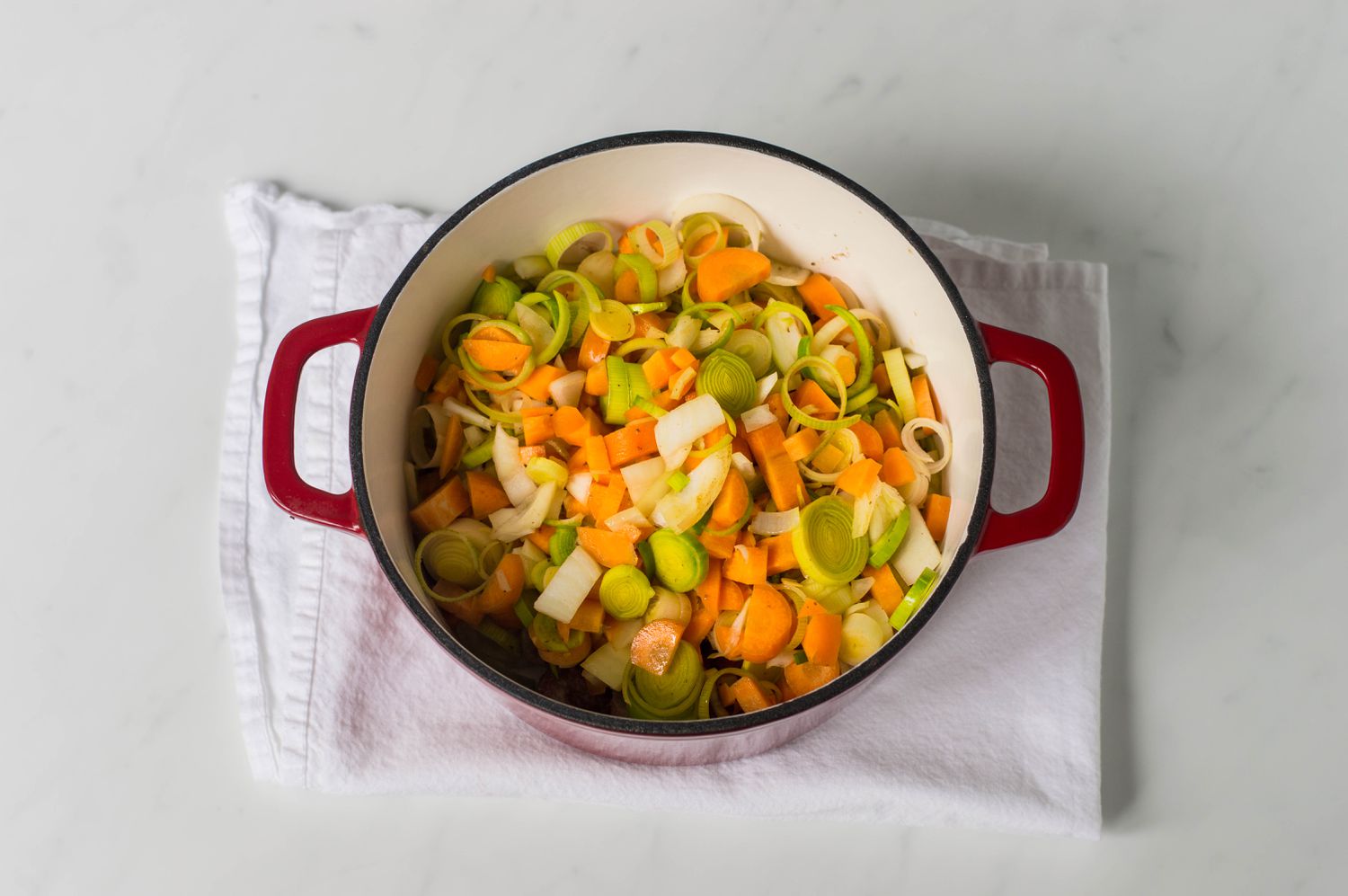
In a Dutch oven, you can brown meat properly, sauté aromatics, and develop fond on the bottom of the potthen deglaze, cover, and braise. That one-vessel workflow tends to create deeper flavor and better texture than dumping everything into an appliance and hoping for the best.
That said: if you love set-it-and-forget-it cooking, a slow cooker is still a helpful sidekick. Many kitchens happily keep both. The Dutch oven is the “chef mode” option; the slow cooker is the “I’m tired and still deserve dinner” option.
Conclusion: The Dutch Oven Is the Pot You Buy Once (and Use Forever)
A Dutch oven is a heavy, tight-lidded pot built for steady heat, moisture control, and big flavor. Whether you choose enameled cast iron for easy care or seasoned cast iron for classic toughness, the core idea is the same: it’s a do-more, waste-less, cook-better kind of tool.
If you like soups, stews, braises, bread, roasting, frying, or simply owning one piece of cookware that makes you feel like you have your life togetherthis pot is worth the shelf space.
Experiences With Dutch Ovens: What Life Looks Like After You Get One (500+ Words)
Ask a room full of home cooks about Dutch ovens and you’ll hear a familiar storyline: excitement, intimidation, a brief moment of “why is this pot heavier than my carry-on luggage,” and thensuddenlyyour weeknight dinners start tasting like you’ve been practicing.
One common early experience is realizing how different steady heat feels. With thin pots, you can get away with blasting the burner and hoping for the best. With a Dutch oven, that approach can backfire fast: food browns deeply, then threatens to scorch if you don’t adjust. Many cooks learn (happily) that medium heat often does the job better than high. You start to trust the pot. You let it preheat patiently. And the reward is that gorgeous, even browning on onions, meats, and vegetablesthe kind of foundation flavor that makes people say, “What did you put in this?” as if you’re hiding truffles in your pantry.
Then there’s the braise moment. It usually happens on a weekend. Someone buys a chuck roast, short ribs, or a big batch of beans “just to try the pot.” The first time you sear, deglaze, add aromatics, and let it all cook low and slow, the results can feel borderline unfair. The meat turns tender. The sauce thickens naturally. The kitchen smells like a restaurant. That’s when many people stop thinking of the Dutch oven as a specialty item and start treating it as a default.
Another rite of passage: bread. The Dutch oven bread experience is basically a magic trick you can repeat on demand. Many bakers report that the first loaf feels like cheating: you lift the lid and see a dramatically risen, beautifully blistered crust that looks like it came from a professional oven. The next lesson is practicalhandling a hot pot safely. People quickly develop their own routine: parchment paper “sling,” good oven mitts, a clear landing spot on the counter, and a strict household rule that nobody asks questions while the pot is moving.
Cleanup experiences are also oddly universal. With enameled Dutch ovens, cooks often discover that the pot cleans up easier than expectedmost of the time. But after a few tomato sauces, braises, or high-heat roasts, the interior may pick up stubborn stains. The experienced Dutch-oven crowd learns two things: (1) staining isn’t the same as damage, and (2) gentle methods win. A soak, warm soapy water, and non-scratch tools usually do the trick. The pot becomes less “precious” and more “trusted,” which is exactly the relationship you want with cookware you’ll use for years.
Finally, there’s the lifestyle shift: Dutch ovens tend to nudge people toward smarter cooking. Big-batch soups become a thing. Leftovers become intentional. You start making meals that improve overnight. You roast more. You braise more. You waste less. And if you own an enameled Dutch oven in a bold color, you may also experience the totally normal urge to bring it to the table like it’s the guest of honor. (It kind of is.)
In other words: the “Dutch oven experience” is less about owning a pot and more about unlocking a style of cookingsimple techniques, steady heat, and flavor that stacks up over time.