
Walk into any drugstore in the United States and you’ll usually find at least one full aisle of colorful bottles promising better energy, stronger immunity, glowing skin, and a happier gut. Those bottles are dietary supplementsand more than half of U.S. adults say they’ve taken at least one in the last 30 days.
But what exactly are dietary supplements? Are they tiny nutrition superheroes… or just very expensive candy? The truth is somewhere in the middle. Let’s unpack what counts as a supplement, why people take them, what the science says about benefits and risks, and how to use them safely without turning your bathroom cabinet into a chemistry experiment.
So, What Exactly Is a Dietary Supplement?
In the United States, the official definition of a dietary supplement comes from a law called the Dietary Supplement Health and Education Act (DSHEA) of 1994. According to the U.S. Food and Drug Administration (FDA), a dietary supplement is:
“A product intended for ingestion that contains a dietary ingredient intended to supplement the diet.”
That “dietary ingredient” might be:
- Vitamins (like vitamin C or vitamin D)
- Minerals (like calcium, magnesium, iron)
- Herbs or other botanicals (like turmeric, echinacea, ginkgo)
- Amino acids (like L-lysine or L-tryptophan)
- Other substances such as enzymes, probiotics, or metabolites
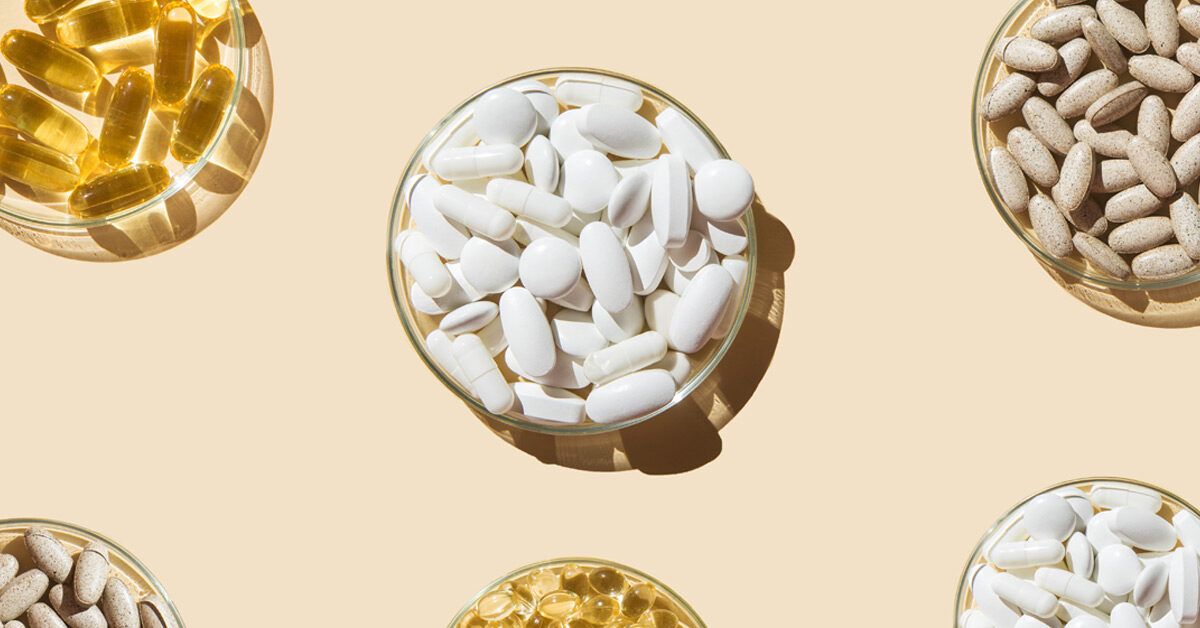
Supplements are usually taken by mouth in forms such as tablets, capsules, softgels, powders, gummies, or liquids. They’re meant to add to your dietnot replace meals or act as magic cures.
Common Types of Dietary Supplements
When people talk about nutritional supplements or “vitamins,” they’re really talking about a big umbrella category. Some of the most common types include:
- Vitamins and minerals: Multivitamins, vitamin D, vitamin B12, iron, calcium, and magnesium are among the top sellers. These are often used to fill nutrient gaps.
- Herbal supplements: Products like turmeric, green tea extract, ginseng, or St. John’s wort are derived from plants and marketed for things like mood, energy, or joint support.
- Specialty supplements: Omega-3 fish oil, probiotics, collagen, or coenzyme Q10 fall into this category and are often taken for heart, gut, skin, or general wellness.
- Sports and performance supplements: Protein powders, creatine, branched-chain amino acids (BCAAs), and pre-workout mixes target athletic performance and muscle recovery.
All of these products are considered dietary supplements as long as they’re taken by mouth and meant to supplement the dietnot to treat or cure a specific disease. If a product is marketed to treat or prevent a disease, it may be regulated as a drug instead.
How Many People Use Dietary Supplements?
If you feel like everyone around you is taking a multivitamin, you’re not far off. Data from the U.S. Centers for Disease Control and Prevention (CDC) show that about 57.6% of American adults used at least one dietary supplement in the past 30 days during 2017–2018. Usage goes up with age and is higher among women than men.
Over time, supplement use in the U.S. has increased steadily, especially for multivitamin–multimineral products, calcium, and vitamin D. In other words, supplements have become a normal part of many people’s daily routineright along with brushing teeth and checking email.
Why Do People Take Dietary Supplements?
People reach for dietary supplements for all kinds of reasons. Some are very sensible; others are… optimistic. Common motivations include:
- Filling nutrient gaps: Maybe you hate fish, rarely eat vegetables, or avoid dairy. A vitamin or mineral supplement might help cover missing nutrients like omega-3s, vitamin D, or calcium.
- Life stages: Pregnant people may take prenatal vitamins with folic acid and iron. Older adults may be advised to take vitamin D and B12.
- Specific deficiencies: If blood tests show low iron, vitamin D, or B12, your healthcare provider might recommend targeted supplements.
- Perceived energy or performance: Many people try herbal or sports supplements hoping for better workouts, sharper focus, or less fatigue.
- “Just in case” insurance: A lot of people take multivitamins as a safety net, even if their diet is already pretty good.
The key phrase here is “perceived benefits.” While some supplements are clearly beneficial for people with specific needs, the research is much less exciting for otherwise healthy adults with balanced diets.
What Supplements Can (and Can’t) Do
Supplements Can Help With…
- Correcting deficiencies: If you are low in vitamin D, iron, B12, or another nutrient, the right supplement can be an effective part of treatment under medical supervision.
- Meeting needs in special situations: Examples include prenatal vitamins to help reduce the risk of neural tube defects, or vitamin B12 for people who follow vegan diets.
- Supporting health when diet alone isn’t enough: Certain conditions (like malabsorption, bariatric surgery, or strict food allergies) may make food-based nutrition harder, and carefully chosen supplements can be useful.
But Supplements Cannot Replace a Healthy Diet
No matter what the label suggests, supplements cannot fully replicate the complex mix of vitamins, minerals, fiber, and beneficial plant compounds found in whole foods like fruits, vegetables, whole grains, nuts, and beans. Organizations like Mayo Clinic emphasize that whole foods should come first, and supplements areat besta backup plan.
Large reviews have found that, for most generally healthy adults, taking multivitamins doesn’t significantly reduce the risk of major chronic diseases or extend lifespan. That doesn’t mean they’re useless in all cases; it does mean they’re not a miracle shortcut to perfect health.
Safety, Side Effects, and Regulation
Here’s where things get interestingand a bit confusing. In the United States, dietary supplements are regulated more like foods than like drugs. That means:
- Manufacturers are responsible for making sure their products are safe and properly labeled.
- Supplements do not require FDA approval before they go on the market (unlike prescription drugs).
- The FDA can take action after a product is sold if it’s found to be unsafe or mislabeled, including issuing warnings or recalls.
This system means there’s a lot of personal responsibility on you, the consumer, to choose wiselyand some real safety concerns to be aware of.
Potential Risks of Dietary Supplements
- Overdosing on vitamins or minerals: Fat-soluble vitamins (A, D, E, K) and certain minerals can be harmful in high doses, potentially leading to toxicity or organ damage.
- Interactions with medications: Herbal supplements, in particular, can interact with drugs used to treat heart disease, high blood pressure, mental health conditions, or blood clotting disorders.
- Liver and other organ damage: Some popular herbal and “natural” supplementssuch as certain forms of green tea extract, turmeric with absorption boosters, ashwagandha, or red yeast ricehave been linked to liver injury in susceptible individuals.
- Hidden or contaminated ingredients: Because pre-market testing is limited, some supplements have been found to contain prescription drugs, heavy metals, or other contaminants.
- Side effects from “too much of everything”: Taking several products at once can lead to overlapping ingredients and accidental mega-doses.
That’s why many experts urge people to treat supplements with the same seriousness as medications: keep a list of everything you take, and share it with your healthcare provider.
Red Flags on the Supplement Label
Be extra cautious if you see claims like:
- “Cures cancer”
- “Melts fat away overnight”
- “Works better than prescription drugs”
- “100% safe”
These kinds of promises are not only unrealistic, they may signal that the product is being marketed in a misleadingand potentially illegalway. When in doubt, skip the hype and talk to a doctor, pharmacist, or registered dietitian instead.
How to Choose Dietary Supplements Wisely
So if you genuinely might benefit from a dietary supplement, how do you choose one without playing roulette with your health?
1. Start With Your Healthcare Provider
Before adding a new supplement, especially if you take prescription medications or have chronic health conditions, check in with a healthcare professional. They can:
- Review your diet and see if you actually need a supplement
- Order lab tests to confirm deficiencies
- Warn you about potential drug–supplement interactions
- Recommend safe dosage ranges and forms
2. Look for Evidence, Not Hype
Reputable sources like the NIH Office of Dietary Supplements and its consumer fact sheets summarize what the science actually shows about vitamins, minerals, herbals, and more. Harvard Health and other major medical centers also offer practical guides on which supplements have solid evidence and which are mostly marketing.
3. Check for Third-Party Testing
Because the FDA doesn’t test supplements before they’re sold, independent organizations step in to verify quality. Some brands voluntarily submit to testing by:
- United States Pharmacopeia (USP)
- NSF International
- ConsumerLab.com
These seals don’t guarantee that a supplement will improve your health, but they do suggest that the product contains what it says it does (and is less likely to contain unwanted extras).
4. Respect the Dosage
More is not better. Taking double or triple the recommended dose “just to be sure” is a common mistake that can lead to toxicity, especially with fat-soluble vitamins and minerals like iron or calcium.
Follow the dose on the label unless your healthcare provider clearly recommends otherwiseand be careful about combining products that may contain the same ingredients.
Real-Life Scenarios: When Supplements Help (and When They Don’t)
- The vegan B12 boost: Someone who eats a strictly plant-based diet may struggle to get enough vitamin B12 from food. After a blood test confirms low levels, a B12 supplement (or fortified foods) can be a smart, targeted fix.
- The “just in case” multivitamin: A generally healthy adult with a varied diet takes a daily multivitamin hoping to prevent disease. The evidence suggests it’s unlikely to dramatically change long-term health outcomes, but the risk is usually low at standard dosesand the routine may offer peace of mind.
- The herb–medication clash: Someone on a blood thinner starts an herbal “circulation support” blend without talking to their doctor and later develops bruising and abnormal lab results. This is a classic example of how herbal supplements can interact dangerously with medications.
The lesson: supplements can be helpful tools when they’re targeted, evidence-based, and coordinated with your medical carenot random experiments.
Experiences and Practical Lessons With Dietary Supplements
Beyond the science and regulations, people’s real-world experiences with dietary supplements tend to fall into a few familiar patterns. You might recognize yourselfor someone you knowin these stories.
The Convenience Lover
This is the person who wants to “do something healthy” but doesn’t want to overhaul their habits. Swallowing a multivitamin feels much easier than planning balanced meals, cooking at home, or finding time to exercise.
The upside? They’re at least thinking about their health and may be covering genuine gapslike low vitamin D if they rarely see the sun. The downside is the false sense of security: it’s tempting to believe that a handful of pills cancels out late-night fast food and a sedentary lifestyle. Over time, this mindset can delay real behavior changes that matter far more than any supplement.
The Deep-Dive Researcher
At the opposite extreme is the person who reads every label, checks every PubMed abstract, and can explain the difference between methylated and non-methylated B vitamins at dinner parties (whether you asked or not).
Their experience is often mixed. On one hand, they’re less likely to fall for wild claims or untested fads. They may use respected sourceslike NIH fact sheets or major academic medical centersto decide which products are worth trying. On the other hand, it’s easy for them to slide from smart curiosity into anxiety, constantly wondering if they’re missing “the one supplement” that will solve everything.
The lesson from this group: information is powerful, but it’s healthiest when paired with perspective. There is no perfect supplement stack that guarantees perfect health.
The “Stack” Experimenter
This person loves mixing and matching: a pre-workout powder, a protein shake, a joint support blend, probiotics, an energy herbal tincture, and maybe a sleep supplement at night. Most of the time they feel okayuntil suddenly they don’t.
Common experiences here include surprise side effects: jitteriness from multiple caffeine sources, digestive issues from overlapping magnesium products, or mysterious lab abnormalities when blood tests finally happen. Often the problem isn’t any single supplement; it’s the cumulative effect of all of them together.
The takeaway: every new product should have a clear “why,” a clear stopping point if it doesn’t help, and a clear conversation with a healthcare provider if you’re using more than one or two regularly.
The Patient–Provider Partnership
Some of the most positive supplement stories come from people who use them as part of a collaborative plan with their healthcare team. For example:
- An older adult with low bone density uses calcium and vitamin D, alongside dietary changes and weight-bearing exercise.
- Someone with iron-deficiency anemia takes iron supplements with a specific schedule and follow-up blood work to monitor progress.
- A person with chronic digestive issues experiments with a probiotic recommended by their gastroenterology team, with clear guidance on what to watch for and when to stop.
In these cases, supplements are used strategically and monitored over time, making it easier to see whether they’re genuinely helpful instead of just habit.
What These Experiences Have in Common
When you listen to enough stories about dietary supplements, a few themes keep coming up:
- Clarity helps: People who know exactly why they’re taking something tend to make better choices.
- Communication matters: The best outcomes usually involve open, honest conversations with healthcare providers.
- Moderation beats extremes: Neither “all supplements are useless” nor “supplements can fix everything” is correct. The truth is somewhere in the middle.
- Habits still rule: Supplements can support health, but they can’t outrun a consistently poor diet, chronic stress, smoking, or lack of sleep and movement.
If you treat dietary supplements as toolsnot magic bulletsand combine them with evidence, professional guidance, and realistic expectations, they can be a helpful part of your overall wellness strategy.
The Bottom Line on Dietary Supplements
Dietary supplements are exactly what the name suggests: products that supplement your diet. They can be incredibly useful in specific situationslike pregnancy, certain medical conditions, or documented nutrient deficienciesbut they’re not a shortcut to perfect health and not a replacement for a balanced, whole-food diet.
The smartest approach is simple and surprisingly un-flashy: eat well, move regularly, sleep enough, manage stress, and then use supplements thoughtfully and selectively to fill genuine gaps or address confirmed needs. When in doubt, bring your questions (and your supplement bottles) to a qualified healthcare professional and make the decision together.