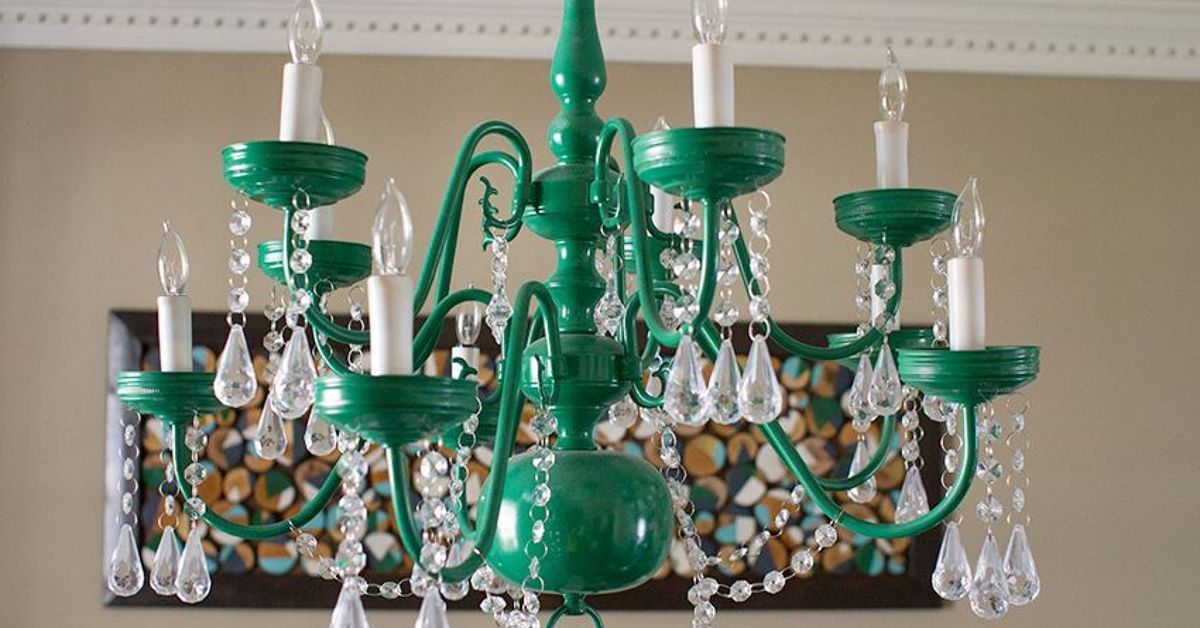

There are two kinds of people in this world: those who walk past an outdated chandelier and think, “Ugh, that’s… a choice,” and those who think, “I can fix her.” If you’re in the second camp, welcomeyour thrift-store patience and spray-paint confidence are about to pay off.
An upcycled vintage-inspired chandelier is one of the highest-impact, lowest-regret DIY decor moves you can make because it turns “builder-basic lighting” into “Did you hire a designer?” energy without requiring a designer budget. Done right, it looks collected, intentional, and a little romantic, like it has stories (but not dust mites) from another era.
Why Upcycle a Chandelier Instead of Buying New?
Shopping for a brand-new vintage-style chandelier can get pricey fast. Meanwhile, secondhand fixtures are everywhere: estate sales, Facebook Marketplace, thrift shops, salvage yards, and that one aunt who swears she’s “downsizing.” Upcycling lets you spend your money where it mattersfinish, hardware, and the details that make a fixture look custom.
The bigger win is design flexibility. When you upcycle, you’re not limited to whatever finish a manufacturer decided was “in” this year. You can create aged brass, rubbed bronze, matte black, antique white, or a layered patina that looks like it survived a century of candle smoke (in a cute way).
And yessustainability counts. Reusing metal frames and decorative parts keeps good materials in circulation and reduces demand for newly produced fixtures. That’s décor with a conscience… and a little swagger.
Picking the Right Base Fixture (So You Don’t Upcycle a Nightmare)
The best thrifted chandelier for an upcycle project is structurally sound, visually promising, and not secretly trying to become a future “what happened” story.
Look for a Strong Frame First
Ignore ugly finishes and dated “shiny brass everything.” You can fix that. What you can’t easily fix is a bent frame, cracked arms, stripped threads, or a fixture that wobbles like it’s practicing for a marching band.
- Arms: Should feel sturdy and symmetrical (or intentionally asymmetrical, if that’s your vibe).
- Center column: Should be straight, with no visible splits or stress fractures.
- Hanging loop/canopy: Should exist and look intactmissing parts add cost and confusion.
Be Cautious With Old Wiring
Many secondhand chandeliers are totally fine as decorative frames, but electrical components can age poorly: insulation can become brittle, connections can loosen, and unknown DIY “repairs” can be… creative. If you’re using a thrifted fixture, treat the wiring as a separate decision from the décor. For anything hardwired, involve a qualified adult and/or a licensed electrician.
Design Planning: Decide What “Vintage-Inspired” Means in Your Home
“Vintage-inspired chandelier” can mean a lot of things. Before you paint anything, decide what you’re aiming for so the final result looks curated, not accidental.
Popular Vintage Looks You Can Recreate
- French country: Soft white or warm cream finish, subtle distressing, and delicate crystals or beads.
- Antique brass: Warm, mellow metallic with depth (not “new trumpet” shiny).
- Old-world candle style: Faux candle sleeves, wax-drip details, and darker finishes like bronze or black.
- Art deco sparkle: Cleaner lines, polished accents, and dramatic crystal drops or geometric glass.
- Modern vintage mix: Matte black frame + aged brass accents + restrained crystals (translation: classy, not crowded).
Quick reality check: the chandelier should “talk” to the room. If your space is full of warm woods and creamy neutrals, cool chrome might feel harsh. If your room leans modern, a heavily distressed, frilly fixture can look like it wandered in from a period drama.
Materials and Tools for a Chandelier Makeover
You don’t need a workshop. You need a plan, patience, and a willingness to spray paint like a responsible adult (translation: outside, with ventilation, and not into the wind like a cartoon character).
Common Supplies
- Degreaser or dish soap for cleaning
- Microfiber cloths + a soft brush (an old toothbrush is perfect)
- Painter’s tape (for parts you don’t want coated)
- Spray primer (metal-appropriate)
- Spray paint in your chosen finish (matte black, antique white, aged brass, etc.)
- Optional: Rub-and-buff or metallic wax for highlights
- Optional: Fine sandpaper or a sanding sponge for scuffing and controlled distressing
- Crystals, beads, or reclaimed glass pieces for embellishment
- Zip ties or small jewelry pliers for attaching accents (discreet and effective)
If you’re converting a decorative frame into a plug-in swag light (instead of hardwiring), use a complete, safety-rated swag kit and follow its instructions. Do not improvise with random cords or questionable connectors.
Step-by-Step: Upcycling a Thrifted Chandelier Into a Vintage-Inspired Showpiece
The magic is in the sequence. A chandelier makeover isn’t difficultit’s just fussy enough to reward good prep. Here’s the process that keeps the finish smooth and the final look expensive.
1) Clean Like You Mean It
Old chandeliers collect kitchen grease, dust, and whatever mystery film floats through the air of human life. Wash the fixture thoroughly and let it dry completely. If you skip this step, paint won’t bond welland you’ll discover peeling at the exact moment you start bragging about your DIY skills.
2) Remove or Protect What You Can
Take off crystals, shades, and easily removable decorative pieces. Label parts if needed. If something can’t be removed, protect it with painter’s tape and paper. The goal is clean edges and no “oops, I painted the socket” surprises.
3) Lightly Scuff the Surface (Optional but Helpful)
A quick scuff helps primer grip, especially on glossy brass or lacquered finishes. You’re not sanding furnitureyou’re just giving the surface a little texture so it behaves.
4) Prime the Metal
Primer is the difference between “this looks professional” and “why is it sticky three weeks later?” Use light, even coats. Keep the can moving. Let it dry as directed. Primer also helps your topcoat color read trueespecially if you’re going from shiny brass to soft white or matte black.
5) Spray Paint in Thin Coats (Your Future Self Will Thank You)
Multiple thin coats beat one thick coat every time. Thick paint drips, clumps, and settles into details like it pays rent there. Thin coats preserve the chandelier’s shape and those little carved flourishes that make it look vintage in the first place.
For a believable antique finish, consider layering: a darker base coat (like brown-black), then a warmer top color (like aged brass), then subtle highlights with metallic wax. That combination creates depthlike the fixture has lived a little.
6) Add Vintage Character: Patina, Highlights, or Gentle Distressing
If you want “heirloom,” not “freshly unboxed,” add controlled imperfections: lightly rub edges so the base tone peeks through, or use metallic wax to highlight raised details. Keep it subtle. Distressing should look like timenot like a paint can fell over.
7) Upgrade the Details: Crystals, Beads, and Reclaimed Sparkle
This is where upcycling becomes design. A basic frame transforms when you add thoughtful details:
- Crystal drops: Classic, elegant, and instantly “vintage chandelier.”
- Wood beads: Great for a French country or cottage look.
- Reclaimed prisms: Vintage glass pieces throw beautiful light and feel authentic.
- Minimal accents: A few statement drops can look more expensive than a crowded curtain of crystals.
Pro styling tip: repeat your chandelier’s finish elsewhere in the room (cabinet pulls, mirror frame, picture frames). That repetition makes the fixture feel intentional, not random.
Safety and Installation: The Part Where We Don’t Get Weirdly Brave
Chandeliers are decorative, but they’re also heavy objects suspended above human heads and connected to electricity. So: confidence, yes. Recklessness, no.
Weight Support and Junction Boxes Matter
A hardwired chandelier should be mounted to an appropriate electrical box and supported correctly. If the fixture is heavy, it may require independent support beyond the box. If you’re unsure, bring in a licensed electricianespecially for older homes or large fixtures.
Consider a Plug-In Swag Setup for Decorative Frames
If your upcycle is primarily decorative (like a thrifted frame you’re revitalizing), a plug-in swag kit can be an option in some spacesinstalled according to the kit instructions and local guidance. Use a complete kit that’s safety-rated, avoid damaged cords, and never secure cords with nails or staples.
For teens: ask a parent/guardian to handle mounting and any electrical work. Your job is the glow-up. Their job is making sure it stays safely on the ceiling.
Where an Upcycled Chandelier Looks Best
The right placement makes your chandelier feel like the room’s “main character” in the best way.
Dining Room
Classic. A vintage-inspired chandelier above a table instantly makes everyday meals feel more special. Choose a finish that complements your hardware and furniture tones.
Entryway
If you want guests to think you have your life together (even if your closet is a chaos portal), a chandelier in the entry does the trick.
Bedroom
A small, upcycled chandelier adds softness and charmespecially with warm bulbs and a dimmer (installed by someone qualified). Think “boutique hotel,” not “interrogation lighting.”
Unexpected Spots
Some people repurpose chandelier frames in creative wayslike adding solar lights for covered outdoor spaces or greenhouses proving that “lighting” can be more flexible than the standard ceiling fixture plan.
Budget Breakdown: How This Stays Affordable
Upcycling is budget-friendly because you’re not paying for a brand-new frame and factory finish. A typical cost breakdown might look like this:
- Thrifted chandelier: low-cost if you shop patiently
- Primer + paint: mid-cost, but it’s what makes it look high-end
- Crystals/embellishments: flexible (you can go minimal or dramatic)
- New hardware/kit: worth it for safety and reliability
- Electrician (if needed): not glamorous, but extremely smart
The best part? The finished fixture often looks like something from a boutique lighting shop. The secret isn’t moneyit’s good prep and restrained design choices.
Conclusion: Vintage Charm, Modern Common Sense
An upcycled vintage-inspired chandelier is proof that “old” can become “stunning” with a little imagination. Focus on a solid frame, choose a finish that fits your home, and upgrade the details for a custom look. Keep the electrical and mounting side safe and properly handled, and you’ll end up with a statement piece that feels collectednot copied.
And when someone asks where you bought it, you can smile and say, “Oh, this? It’s… vintage,” which is technically trueand emotionally satisfying.
Personal Experiences: What It’s Actually Like to Upcycle a Chandelier (The Real-World Version)
The first time you bring home a thrifted chandelier, you’ll probably have a moment of doubt. Not the healthy “measure twice” kindmore like, “Why did I buy a dusty metal octopus?” That’s normal. Chandeliers look their worst under fluorescent thrift-store lighting, tangled in someone else’s extension cords, missing at least one crystal, and wearing a finish that screams “1998.” The trick is learning to see past the mess and spot the bones: a graceful arm shape, a pretty center column, or little details that will pop once the shine is gone.
Cleaning is the unglamorous turning point. It’s also the moment you realize how much invisible life collects on a ceiling fixture. Once you scrub off the grime, the chandelier suddenly looks less like a “project” and more like a “plan.” It’s weirdly satisfying, like power-washing a patio or organizing a chaotic drawerexcept you’re holding a fancy light skeleton.
Spray painting feels easy right up until you remember that chandeliers have about 900 angles. The first coat is usually optimism. The second coat is strategy. By the third coat you’re rotating the fixture like a rotisserie chicken, mumbling things like, “How is there still brass showing?” The good news: thin coats really do work. The better news: once the finish is even, you get that “wait… I did that?” feeling that makes DIY addictive.
The “vintage” part often comes from restraint. It’s tempting to add every crystal strand you can find, but a few well-placed drops can look more expensive than a full-on crystal waterfall. One of the best upgrades is mixing materialsmaybe warm aged brass with a few clear prisms, or matte black with subtle antique gold highlights on the raised details. Those small contrasts read as intentional, like a piece that has been cared for and updated over time instead of reinvented in one afternoon.
The biggest lesson is respecting the difference between decorating and installing. Making the chandelier beautiful is fun and totally achievable. Hanging it and dealing with wiring? That’s where you bring in an adult who’s comfortable with itor a licensed electrician. There’s no shame in outsourcing the “don’t burn the house down” portion of the glow-up. In fact, it’s the most vintage-inspired move of all: old homes and old fixtures deserve modern safety decisions.
Once it’s up, though, the payoff is instant. Even a small chandelier changes the mood of a room: the light feels warmer, the ceiling feels taller, and the whole space suddenly looks more “designed.” It’s the kind of upgrade that makes you notice everything else and think, “Okay… what else can I thrift and make fabulous?” Consider yourself warned.