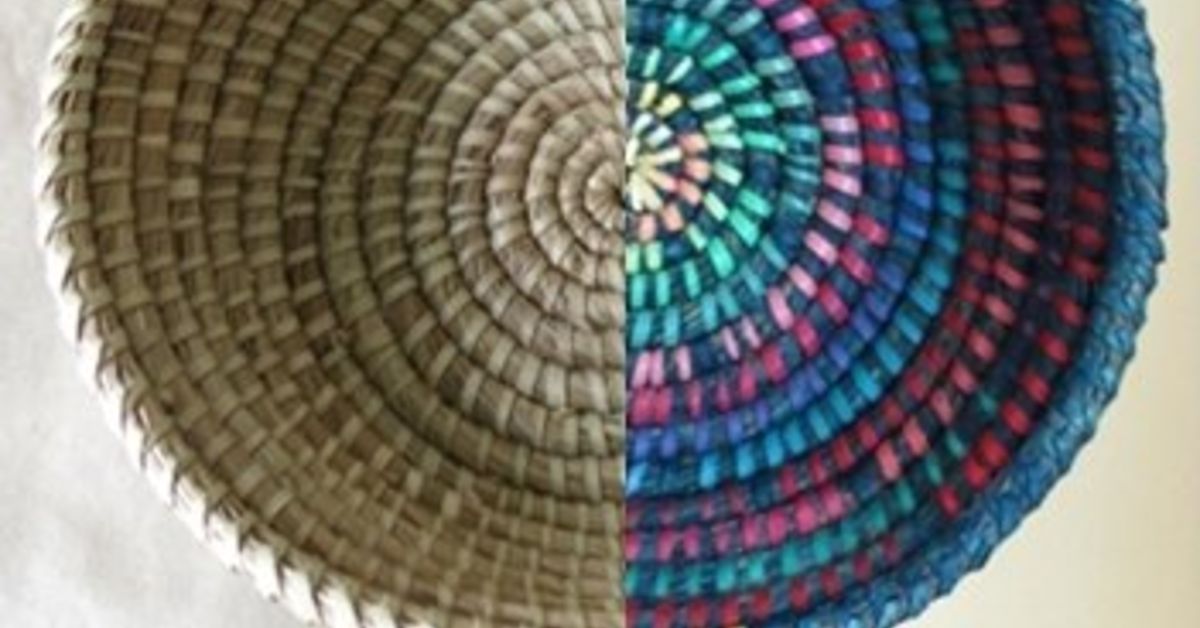

Every house has that basket. The one that used to look charming and “artisan,” but now just looks tiredlike it’s been
carrying everyone’s junk mail since 2016 and is ready to retire to Florida.
Good news: you don’t need a new basket. You need paint, a little color confidence, and a plan that
won’t leave your basket looking like it lost a fight with a craft store clearance aisle.
This guide walks you through basket prep, paint choices, modern color techniques (dip-dye! color block! stencil! metallic accents!),
and how to seal your work so it actually lasts. The goal: a basket that looks intentionallike you bought it that waywithout spending
“boutique home décor” money.
Why Paint a Basket Instead of Buying a New One?
Upcycling a basket is one of those rare DIY projects that’s fast, affordable, and satisfying. A little paint can:
- Modernize dated wicker or straw without replacing it.
- Unify mismatched storage so shelves look calmer (and more “I totally have my life together”).
- Add personality with bold color in a low-risk waybecause it’s a basket, not your entire living room.
- Extend lifespan by sealing and protecting fibers that are drying out or looking dull.
And honestly? Painted baskets are one of the easiest ways to make a space look styled. They work in entryways, pantries, kids’ rooms,
bathrooms, and anywhere clutter tries to unionize.
Start With the Right Basket
Most baskets can be painted, but a little inspection first saves you from heartbreak later (and by “heartbreak,” we mean peeling paint).
Best basket types for painting
- Wicker/rattan/bamboo: Classic, takes spray paint beautifully, loves thin coats.
- Seagrass/straw: Can be painted, but texture variestest first.
- Wood baskets: Great for brush-on paint and stains.
- Wire baskets: Paintable, but may need metal-friendly primer depending on finish.
Red flags (aka “maybe don’t paint this”)
- Musty odor or visible mold: Clean thoroughly and decide if it’s worth saving.
- Flaking old paint: You can still upcycle it, but prep matters more (see below).
- Loose or broken weave: Repair first or paint will highlight the damage.
If your basket is structurally okayeven if it looks roughpaint is basically a glow-up in a can.
Supplies Checklist
You can keep this simple or go full “craft gremlin” with options. Here’s a practical list:
- Drop cloth or cardboard (protect the ground and your dignity)
- Vacuum with brush attachment or a clean, dry paintbrush (for dust)
- Mild soap + warm water (or a gentle degreaser for grimy baskets)
- Soft scrub brush or old toothbrush (for tight weave areas)
- Painter’s tape (for crisp lines and color blocking)
- Spray primer or paint + primer spray (optional but helpful)
- Spray paint (multi-surface works great) and/or acrylic/latex paint for brush work
- Small foam brush or stencil brush (for patterns)
- Clear sealer/topcoat (matte or satin for most baskets)
- Gloves and a mask/respirator rated for paint fumes; work outdoors or in excellent ventilation
Safety note: If you’re using spray paint and you’re not an adult, ask a parent/guardian to help. Follow the label
instructions, paint in a well-ventilated area (preferably outdoors), and keep paint away from flames and enclosed spaces.
Prep: The Step People Skip (Then Regret)
Paint sticks best to a clean, dry surface. Baskets have a million little nooks, so prep isn’t optionalit’s the difference between
“cute makeover” and “why is it peeling like a sunburn?”
Step 1: Remove dust and debris
Vacuum the basket using a brush attachment, or use a clean, dry paintbrush to flick dust out of the weave. Don’t forget the inside rim,
handles, and bottom edge (where grime loves to hide).
Step 2: Wash gently
Mix mild soap with warm water. Scrub lightly with a soft brush and wipe with a damp cloth. Don’t soak natural fibers; too much water can
warp or loosen the weave.
Step 3: Dry completely
This is non-negotiable. Let it air dry for several hours (or overnight). Paint + trapped moisture = future peeling.
Step 4: Repair and stabilize
Glue loose ends with a small amount of wood glue or craft glue and let it cure. Snip frayed bits only if they’re truly loose (don’t start
a basket unravelling situation).
Step 5: Optional light scuff
If the basket has a glossy finish or old slick paint, lightly scuff with fine-grit sandpaper to help adhesion. Wipe away dust afterward.
Choose Your Paint: Spray vs Brush (and When to Use Each)
The biggest decision is how you want to apply color. Here’s the real-world breakdown:
Spray paint (best for most baskets)
- Pros: Gets into crevices, dries quickly, smooth finish, easy for bold color blocking.
- Cons: Overspray is real; needs ventilation; too-heavy coats can clog the weave.
Look for multi-surface spray paint, and consider paint-with-primer for easier coverage. If the basket will be handled a
lot, durability mattersthin coats + proper curing will be your best friends.
Brush-on paint (great for detail work)
- Pros: Precise, good for patterns, easy to touch up, less overspray.
- Cons: Can pool in corners; brush strokes show more; takes longer.
Acrylic craft paint works for decorative baskets. For tougher jobs (heavy handling or outdoor use), a higher-quality latex or specialty
paint can hold up betterbut still use thin layers to avoid a “glazed donut” weave.
Primer: do you need it?
If your basket is raw, clean, and you’re using a quality paint-and-primer spray, you can often skip primer. If you’re painting over dark
colors, glossy finishes, or anything that might resist paint, a light spray primer helps adhesion and coverage.
Plan Your Color Like a Designer (Without Becoming One)
The easiest way to make a painted basket look “expensive” is to choose a color plan that feels intentional.
Easy, foolproof color strategies
- Two-tone dip: Natural top, bold bottom (or vice versa). Classic and modern.
- Color block: Crisp geometric sections using painter’s tape.
- Monochrome: One color in different finishes (matte body + satin rim).
- Accent color: Neutral basket + bright handles or rim.
- Metallic pop: A gold or silver band instantly reads “boutique.”
If you’re nervous about bold color, start with a deeper neutral (charcoal, navy, olive) or a warm modern tan. If you’re not nervous,
congratulationsyour basket is about to become the main character.
Techniques That Make Baskets Look Custom
1) Dip-dyed (paint-dipped) effect
This is the “I saw this in a magazine” look. You paint the bottom portion in a solid color, leaving the rest natural (or a different color).
It’s simple, graphic, and forgiving.
2) Color blocking with crisp tape lines
Painter’s tape turns a plain basket into a modern statement. Try a thick band around the middle, triangles, diagonal sections, or a half-and-half split.
3) Ombre fade
Spray the darkest color at the bottom, then lighten as you move upward by holding the can farther away and using lighter passes. It feels artsy without
requiring art school.
4) Stencil pattern
Use a stencil and a stencil brush (or a small foam pouncer) with minimal paint. The trick is dabbing lightly so you don’t push paint under the stencil.
5) Speckle or “confetti” detail
Add tiny speckles using a stiff brush and a controlled flick (practice on cardboard first). This looks especially good on solid-color baskets with a playful vibe.
6) Metallic accents
A thin metallic stripe, rim, or handle detail can transform “storage” into “decor.” Keep it minimal for a clean look.
Step-by-Step Tutorial: A Bold Color-Dipped Basket
This method is beginner-friendly, fast, and looks high-endperfect for entryway baskets, shelf storage, or planter covers (with a liner).
-
Set up your workspace. Lay down a drop cloth or cardboard. Work outdoors or in strong ventilation. Put the basket on a raised surface
(like an upside-down box) so you can reach edges easily. - Clean and dry. Remove dust, wash lightly, and dry fully (see prep section). Paint hates moisture.
- Decide your dip line. Use painter’s tape to mark where the color will stop. Press tape down firmly along the weave so paint doesn’t creep under.
- Optional: prime the painted area. If you’re covering a dark basket or slick finish, apply a light spray primer coat and let it dry.
- Spray the first coat. Hold the can roughly 8–12 inches away. Use light, sweeping passes. Spray from multiple angles to reach the weave without flooding it.
- Let it dry, then repeat. Do several thin coats rather than one heavy coat. Thin coats reduce drips and keep the basket texture visible.
- Flip and finish coverage. Once the outside is dry to the touch, tilt or flip the basket to spray the lower interior edge (if visible in your final use).
- Peel tape at the right time. Remove tape when paint is dry to the touch but not fully cured. Pull tape back slowly at a low angle for a clean edge.
- Cure before heavy use. “Dry” isn’t the same as “fully cured.” Give it time before loading it with heavy items or stacking.
Quick style upgrade: Add a leather tag, tie-on label, or a simple ribbon wrap around the rim. That tiny detail screams “custom” in the best way.
Seal It So It Lasts
If your basket will be handled oftenkids’ toys, blankets, pantry goodsconsider a clear topcoat. Choose matte for a modern look, satin if you want a slight glow.
- Use light coats of sealer to avoid tackiness or cloudiness.
- Let it cure in a dry, ventilated spot before heavy handling.
- For planter covers: Use a liner inside the basket so moisture doesn’t wreck your paint (or the basket).
If the basket lives outdoors or in a damp area, durability matters even more. A liner + proper curing time will prevent most “why is this peeling?” moments.
Where Painted Baskets Shine: Styling Ideas
Painted baskets aren’t just “storage.” They’re visual organizationmeaning they make clutter look like décor. Try these:
- Entryway drop zone: One basket for hats, one for gloves, one for “I’ll deal with this later.”
- Pantry shelf upgrade: Matching baskets make snacks look curated, even if the snacks are chaos.
- Bathroom towels: A bold basket adds color without repainting walls.
- Kids’ room: Color code by categorybooks, blocks, art supplies.
- Living room blankets: A deep, rich color looks cozy and intentional.
Troubleshooting: Fix the Common Paint Problems
Problem: Drips or globs
Usually caused by spraying too close or too heavily. Let it dry, lightly sand the drip, and re-spray in thin coats.
Problem: The weave looks “filled in”
Too much paint. Next time, lighter passes from farther away. If it already happened, you can sometimes restore texture by gently brushing out pooled paint
while it’s still wet (carefully!), but prevention is easier.
Problem: Paint feels tacky days later
Humidity, heavy coats, or incompatible layers can cause tackiness. Move it to a warm, dry, ventilated spot and give it more cure time.
Problem: Peeling or scratching easily
Most often: not enough cleaning, no primer on a slick surface, or not enough cure time. Clean/prime next time, and consider sealing for high-touch baskets.
Budget + Eco Notes (Because Your Basket Deserves a Second Life)
Upcycling is naturally budget-friendly. You can often do a basket makeover with leftover paint or one can of spray paintespecially if you’re doing a two-tone
or accent design rather than full coverage.
Eco-wise, you’re extending the life of something you already own (or rescued from a thrift store). That’s less waste, less packaging, and fewer “why do I own
twelve baskets?” momentsthough let’s be honest, you might still end up owning twelve baskets. They’re just going to look amazing now.
Real-World Experiences: What It’s Like to Upcycle a Basket With Paint and COLOR! (Extra Detail)
The first thing you experience when you paint a basket is the sudden realization that baskets are basically tiny obstacle courses. Every strand of wicker has
an opinion about where paint should (and should not) go. You’ll start with confidence“I’m just spraying the bottom!”and within minutes you’ll learn that
angles matter. The basket has fronts, backs, undersides, and sneaky little gaps that only reveal themselves after the paint dries. The good
news is that once you accept the basket’s geometry, the process becomes oddly satisfying: rotate, spray lightly, rotate again, and watch dull fibers turn bold.
Another common experience: the thin-coat lesson. A basket makeover rewards patience. People often go in thinking one heavy coat will save time,
and then they discover drips, tacky spots, or a weave that looks “smoothed over.” The second attempt is almost always better because you naturally switch to
quick, airy passes. You’ll notice the basket keeping its texture while the color builds gradually. It feels slower in the moment, but it’s faster than fixing
a drip that looks like a candle accident.
Then there’s the tape reveal, which is the DIY version of opening a gift. If you do color blocking or a dipped line, peeling the tape is the
most dramatic moment of the projectlike a tiny home-renovation reveal on your porch. You’ll learn that tape removal has timing: too early and you smudge; too
late and you risk pulling a jagged edge. When it goes right, the line looks crisp and expensive, and you’ll immediately want to tape-stripe every basket you
own. (You may also start eyeing random objects like, “Could I color block that? Probably.”)
A surprisingly relatable part of the experience is deciding how bold you want to be. Many people start “safe” with black, white, or navy, then realize the
basket can handle more personality. Color on a basket is lower-stakes than color on a wall, so it’s often where people experiment first. Bright green in a
laundry area. Coral in a kid zone. A sunny yellow basket in an entryway that needs a mood boost. The basket becomes a small design statement that doesn’t
demand a full-room commitmentperfect for trying color without repainting your life.
You’ll also experience the practical side: once you’ve painted one basket, you see how much it can organize visually. A shelf of mismatched
storage suddenly looks cohesive if the baskets share a color family or finish. People who try this often end up painting “just one more” basket so the set
looks intentional. It’s not even about being perfectly matching; it’s about the space feeling calmer. That calm is addictive.
Finally, there’s the moment you put the basket back in use and realize it no longer reads as “storage.” It reads as décor. That’s the biggest takeaway people
report: a painted basket changes how you feel about a space. Even if the basket is still holding the same stuff (mail, toys, chargers, mystery cables), it
looks purposeful. It’s the difference between “clutter lives here” and “this is my curated system.” And if your system is 60% aesthetics and 40% chaos, you’re
in excellent company.