
While most headlines during COVID-19 focused on masks, vaccines, and social distancing,
another health crisis quietly accelerated in the background: sexually transmitted diseases (STDs).
By the second year of the pandemic, 2021, the United States recorded more than
2.5 million cases of chlamydia, gonorrhea, and syphilis, according to federal surveillance data.
CDC 2021 STD Surveillance & media release
That number isn’t just a big statistic. It represents millions of real people dealing with infections that
can cause pain, infertility, pregnancy complications, and even life-threatening illness if left untreated.
And yes, this all happened while clinics were short-staffed, labs were overwhelmed, and many people
were avoiding in-person care altogether.
In this article, we’ll unpack what those 2.5 million cases actually mean, how the pandemic reshaped
sexual health in the U.S., who was hit hardest, and what you can do to protect yourself and your partners
all with a clear, practical, and slightly less-boring-than-the-average-public-health-report tone.
What the 2.5 Million STD Cases Actually Mean
First, let’s be precise. The Centers for Disease Control and Prevention (CDC) reported that in 2021
there were roughly:
- About 1.6 million cases of chlamydia
- More than 700,000 cases of gonorrhea
- Roughly 176,000 cases of syphilis (including all stages)
CIDRAP, JAMA, CDC press summaries
When you add those together, you get more than 2.5 million reported sexually transmitted infections (STIs)
in a single year. That’s a bounce back and then some from early 2020, when reported cases dipped
not because STDs magically disappeared, but because testing and reporting were disrupted.
To put it in perspective, independent analyses of CDC data estimate that
about one in five people in the U.S. is living with an STI at any given time, including chronic
infections like HPV and herpes that aren’t fully captured by these 2.5 million acute case reports.
USAFacts summary of CDC estimates
Reported Cases vs. Reality
The key word here is “reported.” STD surveillance depends on people getting tested, labs processing results,
and providers submitting official reports. During COVID-19:
- Clinics reduced hours or shifted to telehealth.
- Some labs prioritized COVID testing over other diagnostics.
- People postponed routine screening because they were staying homeor afraid to go in.
So the 2.5 million figure is almost certainly an undercount. It reflects infections we know about,
not the total number actually circulating in communities.
Why Did STD Cases Rise During the Pandemic?
At first glance, it might seem like a pandemicwith lockdowns, closed bars, and canceled partieswould lead to
fewer sexual encounters and fewer STDs. In the very early months of 2020, reported STD cases did dip.
Early 2020 trends
But as the months dragged on, the picture changed. By 2021, STDs were not only backthey were
higher than before the pandemic. Several factors helped drive that surge.
1. Disrupted Testing and Treatment Services
STI clinics and public health departments had to redirect staff and resources to COVID response.
Some sexual health clinics closed temporarily; others scaled back walk-in screening or contact tracing.
This meant:
- Fewer opportunities for routine “just to be sure” screening
- Delayed diagnosespeople stayed infected longer and continued to transmit STDs
- Less partner notification and follow-up treatment
Several analyses note that declines in reported cases in 2020 reflected less testing, not fewer infections.
By 2021, when services partially rebounded but community transmission had continued unchecked,
the data show a sharp riseespecially in syphilis.
Rising syphilis & service disruption
2. Changes in Sexual Behavior
Pandemic life was weird. Some people had fewer partners; others formed “COVID pods” that eventually blurred into
normal dating again. Dating apps didn’t shut down. In fact, many people spent more time online,
which could lead to more hookups as restrictions eased.
Meanwhile, prevention messages were often overshadowed by COVID-related news. If you were juggling job stress,
kids at home, and concern about catching a respiratory virus, remembering to schedule your yearly chlamydia test
might understandably slip down the to-do list.
3. Structural Barriers Got Worse
Long-standing barrierslike lack of insurance, transportation, or nearby clinicsdidn’t disappear during COVID.
In many communities, they became worse. People living in areas with fewer health resources were more likely to:
- Miss preventive care visits
- Delay seeking help for symptoms
- Lose access to low-cost or free STI testing programs
When you stack these barriers on top of a health system under pandemic pressure, you get a perfect storm
for rising infection rates.
Who Was Hit the Hardest?
The 2.5 million cases were not evenly distributed. The burden fell disproportionately on certain groups:
Young People
Young adults in their late teens and 20s consistently have the highest rates of reported chlamydia and gonorrhea
in the U.S. That pattern held during the pandemic’s second year. Many in this age group:
- Are more likely to have new or multiple sexual partners
- May lack a regular primary care provider
- Face cost barriers or confidentiality worries around testing
When campus health centers and community clinics scaled back services, those gaps hit young people especially hard.
Age distribution from CDC & USAFacts
Racial and Ethnic Minorities
Long-standing health inequities meant that Black, Hispanic/Latino, American Indian/Alaska Native,
and Native Hawaiian/Pacific Islander communities continued to bear a heavier burden of STDs.
These disparities aren’t about individual choicesthey’re rooted in systemic barriers such as:
- Less access to affordable, culturally competent healthcare
- Higher rates of uninsured or underinsured status
- Structural racism that shapes where clinics, pharmacies, and hospitals are located
The pandemic amplified those inequities, both for COVID and for STDs.
Pregnant People and Newborns
One of the most alarming trends has been the rise in congenital syphilissyphilis passed from a
pregnant person to their baby. Cases have surged several hundred percent over the past decade, and continued
to climb even as some adult STI rates began to plateau.
Congenital syphilis trends
Congenital syphilis is nearly always preventable with timely testing and treatment during pregnancy.
When it isn’t caught, it can lead to miscarriage, stillbirth, low birth weight, organ damage, or death in newborns.
The rise in these cases is a stark signal that our health systems are failing people during pregnancy.
The Most Common STDs in the Pandemic’s Second Year
Those 2.5 million cases are mostly driven by three infections:
Chlamydia: The Quiet Heavy Hitter
Chlamydia accounted for the largest share of reported STDs in 2021about 1.6 million cases.
It’s often called a “silent” infection because many people have no symptoms at all.
Without regular screening, it can quietly damage the reproductive system, potentially causing infertility
or ectopic pregnancy.
The good news: chlamydia is usually easy to diagnose with a urine test or swab, and treatable with antibiotics.
The challenge is getting people tested before complications develop.
Gonorrhea: Rising and Getting Trickier to Treat
Gonorrhea cases have been climbing for years, and 2021 continued that trend.
On top of that, antibiotic resistance is a growing concern. Some strains of gonorrhea have become
less sensitive to older medications, forcing clinicians to rely on newer, more carefully managed treatments.
Resistant gonorrhea surveillance
Gonorrhea can cause painful symptoms like burning during urination or discharge, but it can also be asymptomatic
especially in people with vaginal anatomy. Untreated, it can lead to pelvic inflammatory disease, infertility,
and increased risk of HIV transmission.
Syphilis: A Dangerous Comeback
Of all three infections, syphilis saw the steepest rise in the pandemic’s second year.
Some reports describe a roughly 30% jump in syphilis between 2020 and 2021 alone, reaching the highest rate
in decades.
Syphilis surge
Syphilis progresses in stages and can cause neurologic, cardiac, and systemic damage if left untreated.
The early stages are highly infectious, but symptoms like sores or rashes can be mild or missed entirely.
Again, access to testing and timely treatment is crucial.
Long-Term Consequences If We Ignore the Trend
It’s tempting to see STD numbers as abstract. But the long-term consequences are very real:
- Infertility and chronic pelvic pain from untreated chlamydia and gonorrhea
- Complications in pregnancy, including miscarriage and stillbirth from syphilis
- Increased HIV risk, since some STDs create breaks in genital tissue that make HIV transmission more likely
- Higher healthcare costs as preventable complications require intensive care
On a population level, letting STDs spread unchecked undermines overall health and overwhelms systems
already dealing with chronic diseases, mental health needs, and the aftershocks of COVID-19.
How the U.S. Is Responding (and Where It Falls Short)
Public health agencies aren’t ignoring the problem. The CDC continues to release annual STD and STI surveillance
reports, and there are signs of progress in the most recent data. For example, early figures from 2023 and 2024
suggest that overall reported STIs may have begun to decline slightly, even though total numbers
remain very high and congenital syphilis is still rising.
Recent declines in overall STI counts
Many local health departments and community organizations are expanding:
- Free or low-cost testing events
- Mobile clinics and community-based outreach
- Telehealth options for counseling and prescriptions when appropriate
- Education programs in schools, colleges, and online spaces
Still, experts warn that funding for STI prevention has not kept pace with the growing burden of disease.
When resources are cut, staffing is reduced, or labs that monitor resistant gonorrhea and other threats are closed,
the country essentially starts “flying blind” against infections that spread quietly but rapidly.
Concerns about underfunded STI infrastructure
What You Can Do to Protect Yourself and Your Partners
National statistics are important, but your personal risk comes down to your own habits, your partners,
and your access to care. Here are practical ways to stay safereven when public health systems are strained.
1. Make Testing Routine, Not a Panic Move
Don’t wait for a scare to get tested. If you’re sexually active, especially with new or multiple partners,
consider routine screening such as:
- At least once a year for most sexually active adults
- Every 3–6 months if you have higher-risk exposures (new partners, condomless sex, etc.)
Many clinics offer confidential, low-cost, or even free testing. Some at-home test kits are also available,
though follow-up with a healthcare provider is still important if you test positive.
2. Use Protection (And Use It Correctly)
Condoms and other barrier methods may not be glamorous, but they work. When used correctly and consistently,
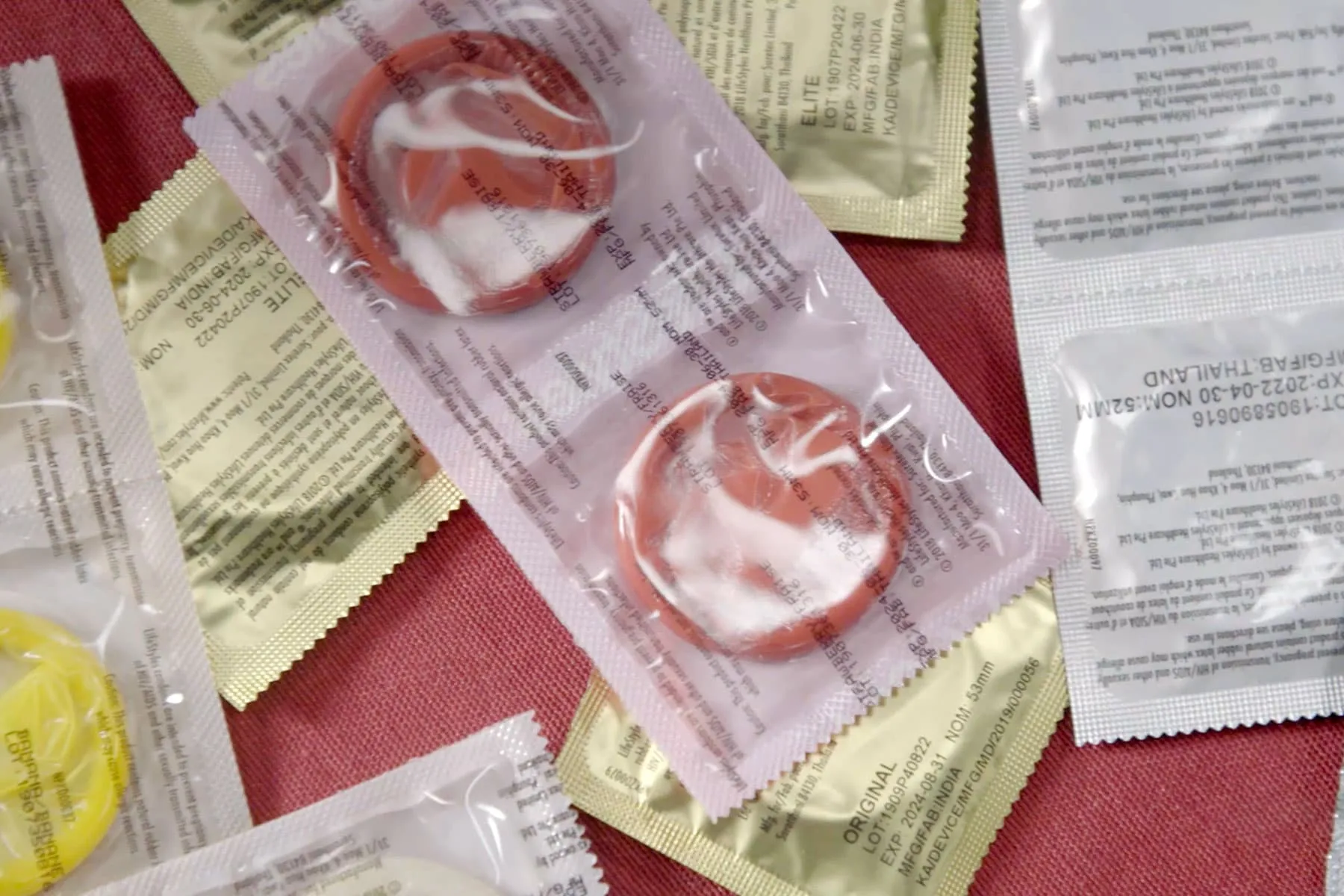
they significantly reduce the risk of transmitting many STDs, including chlamydia, gonorrhea, and syphilis.
Pro tip: stash condoms in more than one placeyour bag, your nightstand, your carso “I didn’t have one handy”
doesn’t become your personal origin story in next year’s surveillance report.
3. Talk Honestly with Partners
STD conversations don’t have to ruin the mood. In fact, being able to talk openly about testing, protection,
and boundaries is a green flag for a healthier, more respectful relationship.
Consider questions like:
- “When were you last tested?”
- “What do you prefer for protection?”
- “If one of us tests positive, how do we want to handle it?”
If someone refuses to discuss these topics, that’s useful information too.
4. Don’t Ignore Symptoms (Or Gut Feelings)
Burning when you pee, unusual discharge, sores, rashes, pelvic pain, or bleeding between periods can all be signs
of an STDbut remember, many infections have no symptoms at all. If something feels off, trust your instincts
and get checked.
5. If You Test Positive, You’re Not “Dirty”
One of the biggest barriers to STD control is stigma. People delay testing or hide results because they’re afraid
of being judged. In reality, STDs are common and treatable. Getting diagnosed and treated doesn’t make you “dirty”;
it makes you responsible.
The real red flag isn’t having had an STDit’s refusing to talk about testing, treatment, or partner notification.
Real-World Experiences from the Pandemic STD Surge
Data tables and charts tell one part of the story. The lived experiences of patients, clinicians, and communities
fill in the rest. During the second year of the pandemic, many sexual health clinics described their work as
“putting out fires while the building is still under construction.”
Imagine you’re a nurse in a city STD clinic in 2021. You’ve spent the last year helping with COVID swabs,
vaccine clinics, and phone triage. Your STI testing rooms have been repurposed for pandemic tasks.
Suddenly, people start coming backoften later than they should have. Instead of catching a mild, early infection,
you’re now seeing:
- Young adults with pelvic pain and fevers from untreated chlamydia or gonorrhea
- People in their 20s with secondary syphilis rashes who never got screened during a new relationship
- Pregnant patients who didn’t know they needed repeat syphilis testing and now face high-risk pregnancies
On the patient side, many people describe a similar theme: they meant to get tested, but life got complicated.
Maybe they lost their job and insurance, their usual clinic shut down, or they were taking care of family members
and didn’t have time to prioritize their own sexual health. For some, what finally brought them in wasn’t a symptom,
but a new partner saying, “Hey, I just tested positiveplease get checked.”
Community organizations stepped in wherever they could. Outreach teams set up mobile clinics in parking lots,
offered testing at Pride events, partnered with colleges and shelters, and used social media to spread the message
that sexual health clinics were still openeven if the front doors looked different. Some groups started mailing
free condoms and at-home test kits to people who requested them online, making it easier to get checked without
navigating crowded waiting rooms.
There were hopeful stories, too. Some people found that telehealth actually made it easier to talk about sex.
It can be less intimidating to discuss partners and symptoms from your living room than in a fluorescent-lit exam room.
Providers used video or phone visits to assess risk, order lab tests, and arrange treatment pickup, giving patients
more flexibility and privacy.
Still, those gains were uneven. Rural areas without strong broadband access, communities with fewer clinics,
and people facing unstable housing or income often couldn’t benefit fully from new telehealth options.
That’s part of why the 2.5 million cases are more than a single-year anomalythey’re a snapshot of deeper
structural issues that predated COVID and will continue unless we address them head-on.
If there’s one takeaway from the pandemic-era STD surge, it’s this: sexual health cannot be an afterthought.
When a crisis hits, we can’t afford to pause testing, prevention, and outreach. Infections don’t politely wait
for a calmer year. The communities that invested early in robust sexual health servicesmultiple testing sites,
strong public health departments, and stigma-busting educationhave a head start. Others now face the harder job
of catching up while the numbers are already high.
The Bottom Line
The fact that U.S. STD cases totaled more than 2.5 million in the pandemic’s second year isn’t just a scary headline;
it’s a call to action. COVID-19 didn’t create the STD epidemic, but it exposed and amplified gaps in testing,
treatment, and public health infrastructure.
The good news is that we already know what works: routine testing, honest communication, consistent condom use,
rapid treatment, strong public health funding, and targeted outreach to communities that bear the greatest burden.
The challenge is making those tools accessible, affordable, and stigma-free for everyone.
Whether you’re a healthcare provider, policymaker, or someone just trying to take better care of yourself and
your partners, your actions matter. Getting tested, starting a real conversation, or supporting local sexual
health services may seem smallbut multiplied across millions of people, those choices are exactly how statistics
start to move in the right direction.