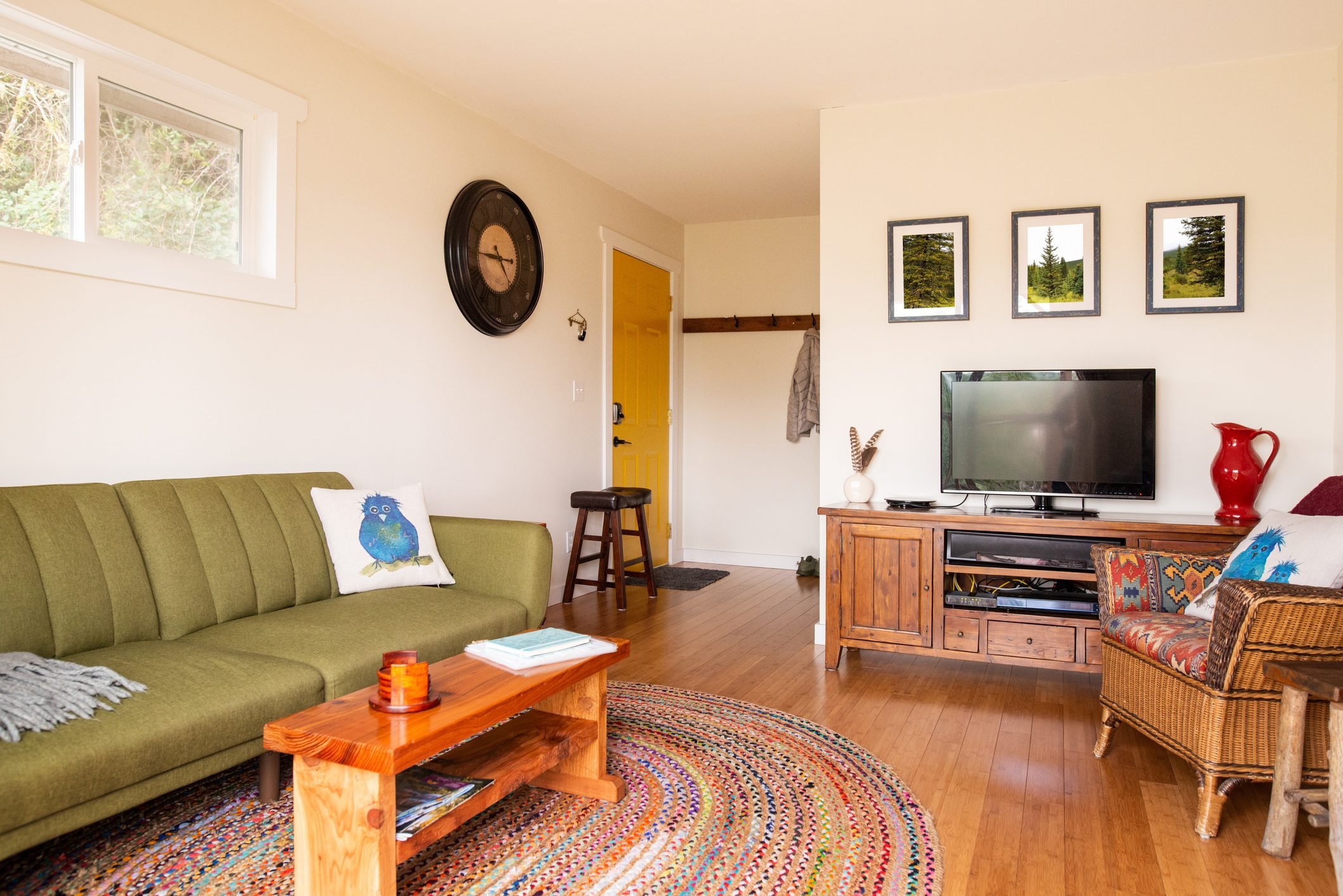

Staring at an empty room is a bit like staring at a blank Word document: exciting for about five seconds, then mildly terrifying.
The good news? Once you understand the main types of furniture and their room-by-room uses,
turning a bare space into a cozy, functional home feels a lot less overwhelming.
Below is a practical, room-focused guide to the key furniture pieces you’ll see in catalogs and showrooms, what they actually do,
and how to decide which ones deserve a spot in your home. Think of it as a crash course in “Furniture 101” before you start
adding things to your cart.
LIVING ROOM SECTION
Living Room Furniture: Building a Comfortable Gathering Space
The living room usually carries the biggest load: movie nights, casual naps, awkward small talk with guests, and sometimes home office duty.
The furniture you choose should balance comfort, durability, and traffic flow.
Sofas, Sectionals, and Loveseats
The sofa is the star of the living room. Traditional sofas seat three or more and come in endless styles,
from rolled-arm classics to streamlined modern silhouettes. Loveseats are essentially mini-sofas for two
perfect for smaller spaces or as companion seating. Sectionals combine multiple pieces (like a chaise, corner unit,
and armless seats) into one big lounging island. They’re ideal for families, binge-watchers, or anyone who wants maximum seating in one shot.
In small living rooms, a compact sofa plus a couple of chairs often works better than a bulky sectional. In larger spaces,
sectionals help “fill the void” and create a defined seating zone, especially when paired with a large rug to anchor the arrangement.
Accent Chairs and Recliners
Accent chairs pull double duty: they offer extra seating and bring personality through color, pattern, or shape.
Wingback chairs, club chairs, and swivel chairs all add different vibesfrom formal to laid-back.
Recliners, once known mostly for their not-so-cute bulk, now come in sleek designs that still offer footrest and
head support for reading or TV time.
Use chairs to balance the room visually. If your sofa is large and heavy-looking, lighter-legged chairs can keep the layout from feeling too dense.
Coffee Tables, Side Tables, and Ottomans
A coffee table sits at the center of your seating area, giving everyone a place to put drinks, remotes, or game controllers.
Many designers follow a simple rule of thumb: leave around 18 inches between the front of your sofa and the table so it’s easy to reach
but still comfortable to walk around.
Side tables or end tables sit next to sofas and chairs and keep lamps, books, and phones within arm’s reach.
Ottomans are multitasking heroes: they can be a footrest, extra seating, or a coffee table if you add a tray.
Some ottomans provide hidden storage for blankets or board games, which is especially helpful in smaller homes.
TV Stands and Entertainment Centers
If your living room is also your media zone, a TV stand or entertainment center keeps screens, consoles,
and cables under control. Media consoles typically offer shelves for electronics and cabinets or drawers for clutter.
Larger entertainment centers may frame the TV with open shelves or closed storage, turning your media wall into a focal point.
DINING ROOM SECTION
Dining Room Furniture: Where Meals and Conversations Happen
Whether your dining area is a separate room or just part of an open layout, the furniture should encourage people to sit down, slow down, and stay a while.
Dining Tables: Standard, Extension, and Round
The dining table is your main surface for meals, homework, and the occasional “I’ll just work from here today.”
Rectangular tables are common and fit neatly into long rooms. Extension tables include leaves that you can add or remove,
so you can go from everyday family size to “holiday dinner for twelve” without buying a second table.
Round tables are great for conversationsno head of the table, and everyone can see each other.
They also soften rooms with lots of straight lines and can make tight corners feel more inviting.
Dining Chairs and Benches
Dining chairs should support good posture without feeling stuffy. Upholstered chairs are comfortable for long dinners,
while wood or metal chairs are easier to wipe down if you have kids (or messy friends).
Benches are a space-saver on one side of the table and can tuck fully under the tabletop when not in use.
Sideboards, Buffets, Credenzas, and Hutches
These pieces all fall under the “dining storage” umbrella, but they have slightly different personalities:
- Sideboard/Buffet: Long, low cabinets with doors or drawers, often used for storing dishes, linens, and serving pieces.
They provide a flat top for setting out food or decor. - Credenza: Similar in shape but often sleeker and more modern. Credenzas are used in both dining rooms and offices.
- Hutch: A sideboard topped with a shelving unit, often with glass doors. Great for displaying china, glassware, or decor.
In a small dining area, even a narrow sideboard can make a huge differencegiving you a place to stash placemats, candles, and that one
fancy platter you use twice a year.
KITCHEN & CASUAL DINING
Kitchen and Casual Dining Furniture: Everyday Workhorses
The kitchen is usually the busiest room in the house. Function comes first here, but the right furniture keeps it looking pulled together instead of chaotic.
Bar Stools and Counter Stools
If you have a peninsula or island, bar stools or counter stools turn it into extra seating.
Counter-height stools are shorter than bar-height versions, so it’s important to match stool height to your surface.
Backless stools slide fully under the counter to save space; stools with backs are more comfortable if people linger there for meals or laptop time.
Breakfast Nook Tables and Chairs
A small kitchen table with two to four chairs or a built-in bench can create a cozy breakfast nook.
Round tables are particularly good here because they leave more room to walk around in tight spaces.
Look for easy-clean finishes and fabricsno one wants to baby the furniture next to the orange juice.
BEDROOM SECTION
Bedroom Furniture: Comfort, Storage, and Calm
Your bedroom should feel like a retreat, not a storage unit that happens to contain a bed. The right mix of furniture supports good sleep, smart storage, and a calm atmosphere.
Bed Frames, Headboards, and Mattresses
The bed is the centerpiece. Standard bed options include platform beds, panel beds, storage beds with built-in drawers,
and beds with adjustable bases. A headboard adds visual focus and a comfortable backrest for reading or scrolling at night.
Many homeowners choose neutral, upholstered headboards because they’re soft and timeless, but wood or metal frames can give a more classic or industrial vibe.
Dressers, Chests, and Armoires
Clothing storage usually starts with a dressera low, wide piece with multiple drawers. Taller, narrower
chests of drawers maximize vertical space in smaller rooms.
Armoires or wardrobes offer hanging space plus shelving, and they’re especially useful in older homes with small or no closets.
For a primary bedroom, many people mix a dresser with a tall chest or add a second dresser to keep everything organized without relying on floor piles (the unofficial “chair-drobe” doesn’t count).
Nightstands and Bedside Tables
Nightstands keep the bedside chaos in checklamps, phones, glasses, nighttime books, and that glass of water you always forget.
Drawers or shelves are helpful for corralling cords, chargers, and sleep accessories. Matching nightstands on both sides of the bed give the room a balanced, finished look, especially in a primary bedroom.
Benches, Vanities, and Accent Chairs
A bench at the foot of the bed offers a place to sit while putting on shoes, as well as extra blanket storage.
Vanities add a dedicated space for skincare and makeup and are especially useful if the bathroom is shared.
An accent chair in a corner can turn into a reading nook or a place to unwind at the end of the day.
HOME OFFICE SECTION
Home Office Furniture: Productivity with Comfort
With more people working from home, the furniture in your workspace matters almost as much as your Wi-Fi speed.
The goal: support your body, your focus, and your storage needs.
Desks: Writing, Computer, and Sit-Stand
A basic writing desk offers a simple surface with minimal storage, ideal for laptops and paperwork.
Computer desks often add keyboard trays, cable management, and built-in storage.
Sit-stand desks or height-adjustable desks let you switch between sitting and standing, which can reduce stiffness and encourage movement throughout the day.
In very small spaces, a wall-mounted desk or compact corner desk can carve out an office zone without taking over the room.
Ergonomic Office Chairs
A good ergonomic chair is one of the most important pieces of furniture you can buy if you work at a desk.
Look for features like lumbar support, adjustable seat height and depth, tilt tension, and armrests you can raise or lower.
Swivel bases and rolling casters make it easier to move between tasks, especially if you use multiple monitors or storage areas.
Storage: Bookcases, File Cabinets, and Shelving
Bookcases and shelving units keep reference books, decor, and storage bins organized and off your desk.
File cabinets are still useful for paperwork you actually need to keep in hard copytax documents, legal paperwork, or client files.
Smaller rolling file pedestals fit under desks and can double as a printer stand.
ENTRYWAY & HALLWAY
Entryway and Hallway Furniture: First Impressions and Daily Function
The entryway sets the tone for your home and handles a lot of “coming and going” traffic. Smart furniture here keeps clutter from migrating into every other room.
Console Tables and Entry Tables
Console tables are narrow, making them perfect against a wall or behind a sofa. In the entry, they provide a landing zone for keys, mail, and bags.
Add a lamp and a bowl or tray, and you’ve got instant organization.
Shoe Storage and Entry Benches
An entry bench gives people a place to sit while putting on or taking off shoes.
Many benches include cubbies, baskets, or drawers beneath the seat for shoe storage.
Wall hooks or a small coat rack nearby create a mini mudroom even if you don’t have a dedicated space.
BATHROOM & LAUNDRY
Bathroom and Laundry Furniture: Small but Mighty Pieces
These rooms might be small, but the right furniture makes them far more efficient.
Vanities, Linen Towers, and Over-Toilet Storage
A bathroom vanity combines a sink with cabinet storage for toiletries, cleaning supplies, and extra toilet paper.
Linen towers or tall cabinets store towels and bath accessories in vertical space.
In tiny bathrooms, over-toilet shelving units make use of wall space you’d otherwise ignore.
Laundry Room Cabinets and Hampers
In the laundry area, cabinets and shelves hold detergents and cleaning products safely out of the way.
Hampers or laundry sorters make it easier to separate loads and keep clothes off the floor (in theory, anyway).
OUTDOOR FURNITURE
Outdoor Furniture: Extending Your Living Space
Patios, decks, and balconies become genuine living areas when you add the right furniture. The key is picking pieces that can survive weather and still look good.
Outdoor Seating and Dining Sets
Outdoor sofas, loveseats, and lounge chairs create a living room feel outside. Weather-resistant cushions and fabrics are essential.
For meals, a patio dining set with a sturdy table and chairs turns the space into an alfresco dining room.
Side Tables, Storage, and Shade
Small outdoor side tables keep drinks off the ground and double as plant stands.
Storage benches or deck boxes hide cushions, throws, and outdoor toys.
Don’t forget shade: umbrellas or pergolas make the area usable in sunny climates and help extend the life of your furniture.
PUTTING IT ALL TOGETHER
How to Choose the Right Furniture for Each Room
Once you know the main types of furniture, the real magic happens when you combine them thoughtfully.
Here are a few simple guidelines as you plan room by room:
- Start with the main function. Is the room for sleeping, entertaining, working, or dining? Choose the key piece (bed, sofa, desk, table) first.
- Measure everything. Measure the room, doorways, and stairwells, then measure the furniture. A gorgeous sectional isn’t so charming if it can’t make the turn into your living room.
- Think about flow. Leave clear walkways around major pieces. People should be able to move through the room without sidestepping coffee tables or bumping chair backs.
- Layer storage in. Pick pieces that quietly handle cluttersideboards, dressers, storage ottomans, and benches with hidden compartments.
- Balance style and comfort. A piece can be beautiful, but if it’s painful to sit on, it won’t get used. Aim for furniture you actually enjoy using every day.
EXPERIENCE-BASED SECTION (~500 WORDS)
Real-Life Experiences: What You Learn After Living with Your Furniture
Reading about types of furniture and their room-by-room uses is one thing. Living with those pieces for a few years is where the real education happens.
Most people go through at least one “What was I thinking?” purchase on their way to a well-furnished home.
One common story goes like this: someone falls in love with an oversized sectional online. It looks cozy, the reviews are glowing,
and the sale ends at midnightso into the cart it goes. When it arrives, it technically fits the living room, but just barely.
There’s no space for a coffee table, the door brushes the arm when it opens, and anyone walking behind the sofa has to shuffle sideways.
Suddenly, all that extra seating doesn’t feel like such a win.
The lesson? Function and circulation matter just as much as capacity. In many real homes, a medium-sized sofa plus two comfortable chairs creates a more flexible layout.
Chairs are easier to rotate, move, or swap out later, and they help define smaller conversation zones so the room doesn’t feel like one big furniture blob.
Another experience many people share involves dining room storage. It’s tempting to skip a sideboard or buffet at first, especially if your table already dominates the room.
But as months pass, table surfaces slowly become permanent homes for candles, serving dishes, extra napkins, and random kitchen items that no one wants to put away properly.
When a dining cabinet finally arriveswhether it’s a slim credenza or a full hutchit feels like adding a closet you didn’t know you desperately needed.
Holiday dishes, table linens, and hosting supplies finally have their own place, which makes meal prep and cleanup smoother.
Bedrooms offer their own “after the fact” insights. People often invest heavily in the mattress (which is smart) but underestimate the importance of nightstands and clothing storage.
Without proper nightstands, phones, books, glasses, and water bottles end up on the floor, windowsills, or precarious stacks of magazines.
A pair of solid nightstands with drawers instantly makes the room feel pulled together and more restful, simply because the visual noise is hidden away.
Similarly, a well-sized dresser or chest helps prevent the slow creep of clothing piles onto chairs and corners.
Home offices highlight another big theme: ergonomics. Many people start with a pretty writing desk and a dining chair, figuring they’ll upgrade “later.”
After a few months of working full-time from home, they realize their back, neck, and shoulders vote heavily in favor of a real office chair and proper desk.
Upgrading to an adjustable chair (and, in many cases, a sit-stand desk) often becomes the single most impactful furniture decision for comfort and productivity.
People frequently report fewer aches and better focus once their workspace actually supports their body instead of fighting it.
Then there’s the humble entryway. At first, it may seem like an area you don’t need to furnish beyond a doormat.
But as shoes multiply, coats pile up, and keys disappear, the value of a small bench, a row of hooks, and a console table becomes obvious.
Many homeowners say that once they created a simple drop zonesomewhere to sit, stash shoes, and drop bagsthe whole house felt less cluttered because the mess stopped spreading inward.
Outdoor spaces follow a similar arc. People often start with a single table and a couple of chairs, only to realize they never use the area because it doesn’t feel comfortable enough to relax in.
Adding a cushioned outdoor sofa, a few side tables, and some storage for pillows and throws transforms the patio into a genuine second living room.
Suddenly, coffee, reading, and casual hangouts move outside whenever the weather allows.
The big takeaway from these real-life experiences is simple: furniture is about how you live, not just how you want your home to look in photos.
When you plan each room, think about your daily routines and pain pointswhere clutter builds up, where you tend to work or relax, and which spaces feel underused.
Then choose the types of furniture that solve those specific problems and support how you actually move through your home.
That’s when your rooms stop being just “decorated” and start feeling truly livable.
SEO JSON TAGS