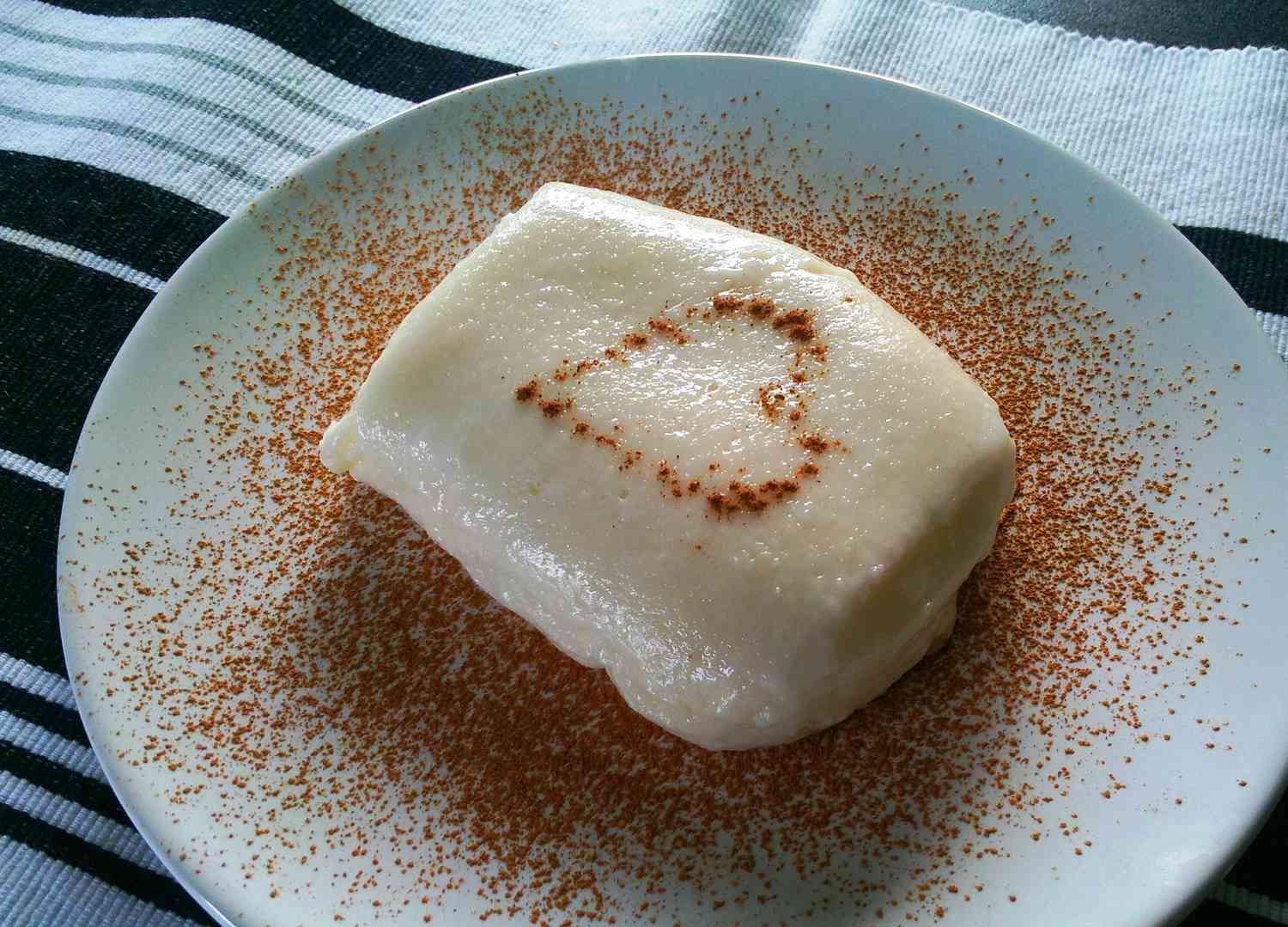

A dessert made with chicken breast that tastes absolutely nothing like chicken?
Welcome to the wonderfully weird world of Turkish chicken breast pudding, or
tavuk göğsü – a silky, milky pudding that was once served to Ottoman sultans
and is still a star on Turkish dessert menus today.
This recipe walks you through a traditional-style version adapted for a modern home kitchen.
You’ll learn why chicken ends up in dessert, how to prepare it so there’s zero “chicken” flavor,
and how to achieve that signature smooth, slightly stretchy texture that makes tavuk göğsü so iconic.
What Is Turkish Chicken Breast Pudding?
A royal dessert with a quirky twist
Tavuk göğsü is a Turkish milk pudding thickened with finely shredded chicken breast,
starch, and rice flour, gently sweetened with sugar and flavored with vanilla or mastic, then dusted with
cinnamon before serving.
Historically, this dessert was a palace specialty, served in the kitchens of Topkapı Palace
to Ottoman sultans and their guests. Some legends claim it came about when a sultan demanded dessert in the
middle of the night and the cooks had nothing but chicken on hand – so they improvised.
Does it really taste like chicken?
Thankfully, no. The chicken breast is boiled, rinsed, squeezed, and shredded until it becomes nearly neutral
in flavor. It acts like a natural thickener, giving the pudding its unique chewy-silky texture
rather than adding meatiness. Most people who try it without being told can’t guess there’s chicken inside.
Kazandibi: the caramelized cousin
If you take this pudding, spread it in a shallow pan, and caramelize one side until it’s beautifully browned,
you get kazandibi – “the bottom of the cauldron.” It’s essentially chicken breast pudding with
a toasty, slightly burnt caramel crust and a stretchy interior that many locals adore.
Ingredients for Turkish Chicken Breast Pudding
This recipe is adapted from classic versions used in Turkish kitchens and trusted recipe sites, scaled for a
home cook and using easy-to-find ingredients.
For the pudding
- 1 small boneless, skinless chicken breast (about 6–7 oz / 170–200 g)
- 2 cups (480 ml) water (for boiling the chicken)
- 4 1/4 cups (1 liter) whole milk
- 1/3 cup (40 g) cornstarch
- 1/3 cup (50 g) rice flour or fine ground rice
- 1 cup (200 g) granulated sugar
- 1 teaspoon vanilla extract (or 1 packet vanilla sugar)
- Pinch of salt
To serve (optional but highly recommended)
- Ground cinnamon
- Finely chopped or ground pistachios or nuts
- Fresh berries or sliced strawberries, for a modern twist
Step-by-Step: How to Make Turkish Chicken Breast Pudding
Step 1: Cook and shred the chicken
-
Boil the chicken. Place the chicken breast in a small saucepan, cover with the 2 cups of
water, and bring to a simmer. Cook gently until the chicken is completely cooked through and tender, about
15–20 minutes. -
Cool and trim. Remove the chicken from the water and let it cool slightly. Trim away any
visible fat or sinew. -
Shred very finely. Using your fingers, two forks, or a knife, shred the chicken breast into
hair-thin strands. Traditional recipes emphasize extremely fine shreds so they disappear into the
pudding instead of forming noticeable chunks.
Step 2: Remove all chicken flavor (the crucial step)
-
Rinse the shreds. Place the shredded chicken in a bowl of cold water, swish well, then drain.
Repeat several times until the water runs mostly clear. -
Squeeze out moisture. Wrap the chicken shreds in a clean kitchen towel or several layers of
paper towel and squeeze firmly to remove as much water as possible. This helps prevent a chickeny aroma and
keeps the pudding’s texture firm, not watery. -
Chop if needed. If you still see long strands, chop them with a knife until the pieces are
tiny. Think “invisible confetti” rather than “pulled chicken taco filling.”
Step 3: Prepare the milk mixture
- Mix dry thickeners. In a medium bowl, whisk together the cornstarch and rice flour.
-
Temper with milk. Add about 1 cup of the cold milk to the starch mixture and whisk until
smooth. No lumps allowed – this slurry will keep the pudding silky. -
Heat remaining milk. In a large, heavy-bottomed pot, add the remaining milk, sugar, and a
pinch of salt. Heat over medium until the sugar dissolves and the milk is hot but not boiling.
Step 4: Cook the pudding
-
Add the slurry. Slowly pour the starch mixture into the hot milk while whisking constantly.
Keep whisking to prevent lumps. -
Stir in the chicken. Add the finely shredded, rinsed, and squeezed chicken to the pot.
Whisk or stir vigorously so the chicken distributes evenly through the milk. -
Cook until very thick. Continue cooking over medium-low heat, stirring constantly with a
whisk or wooden spoon. The mixture will gradually thicken and start to pull away from the sides of the pot.
This can take 10–15 minutes. You’re aiming for a dense, stretchy pudding that holds its
shape when spooned. -
Add vanilla. When the pudding is thick and glossy, stir in the vanilla extract. Taste and
adjust sweetness if needed.
Step 5: Set and chill
-
Transfer to a dish. Pour the hot pudding into a lightly moistened rectangular or square
dish (an 8×8-inch or similar size works well). Smooth the top with a spatula. -
Cool, then chill. Let the pudding come to room temperature, then cover and refrigerate for
at least 3–4 hours, or until fully set. Overnight is even better for flavor and texture.
Step 6: Serve like a local
-
Slice and plate. Cut the pudding into small rectangles or squares. It should hold together,
but feel soft and creamy. -
Top with cinnamon. Dust each portion generously with ground cinnamon. Add chopped pistachios
or nuts for color and crunch. -
Enjoy chilled. Tavuk göğsü is traditionally served cold, often after a rich meal or during
special occasions like Ramadan.
Tips for the Best Turkish Chicken Breast Pudding
1. Don’t rush the chicken prep
The entire success of this dessert rides on how well you rinse and shred the chicken. Boil it until
very tender, shred extremely fine, rinse repeatedly, and squeeze thoroughly. This is how you get the unique
texture without any savory aroma – just like traditional Ottoman recipes intended.
2. Use whole milk for creaminess
While you can get away with 2% milk, whole milk gives you the richest, most authentic mouthfeel. The original
palace versions did not count calories, and neither should this dessert.
3. Stir constantly
Think of this as the Turkish cousin of a thick custard. Constant stirring prevents scorching and keeps the
starch and chicken evenly dispersed. A heavy-bottomed pot is your best friend here.
4. Let it thicken more than you think
Tavuk göğsü should be thicker than a typical American pudding. It should feel almost elastic when hot and slice
cleanly when cold. If it still pours like a thin sauce, keep cooking.
5. For a kazandibi-style twist
To flirt with kazandibi, sprinkle sugar in a nonstick pan, let it caramelize, then pour in your
cooked pudding and let the bottom brown further on very low heat before chilling. When turned out and sliced,
you’ll have a gorgeously caramelized “bottom of the pot” version beloved across Turkey.
Serving Ideas and Variations
Classic Turkish style
- Chilled squares dusted with cinnamon.
- A sprinkle of finely chopped pistachios or walnuts on top.
- Served after a savory meal with Turkish tea or strong coffee.
Modern twists
- Berry topping: Add fresh raspberries or strawberries for color and a light, fruity contrast.
- Orange zest: Stir in a little orange zest with the vanilla for a bright, citrusy note.
-
Spiced dessert: Add a tiny pinch of cardamom or mastic for a more complex Eastern Mediterranean
flavor profile, similar to other regional milk puddings.
Make-ahead and storage
The pudding keeps well in the refrigerator for up to 3 days. In fact, day two is often when the texture feels
most cohesive. Just keep it tightly covered so it doesn’t absorb fridge odors. Avoid freezing – the texture
becomes grainy once thawed.
Common Mistakes to Avoid
-
Not rinsing the chicken enough: This can lead to a faint but noticeable chicken scent, which
is not what you want in dessert. - Leaving large shreds: Big pieces can ruin the smooth, pudding-like bite. Go for “micro-shreds.”
- Undercooking the mixture: If it’s not thick before cooling, it will never slice cleanly.
- Using very low-fat milk without extra thickener: The texture may be thin or chalky.
Why Try Turkish Chicken Breast Pudding?
Tavuk göğsü sits at the intersection of history, curiosity, and comfort food. It’s a dessert that:
- Connects you directly to Ottoman palace cuisine and centuries of culinary tradition.
- Surprises guests (“You just enjoyed a dessert made with chicken…”) and sparks great dinner-table stories.
- Offers a fun project if you love rice pudding, custard, or other milk-based desserts and want something unique.
If you’re building a repertoire of Turkish desserts alongside baklava, künefe, or sütlaç (rice pudding), tavuk
göğsü is the unexpected but unforgettable member of the family.
My Experiences and Extra Tips with Turkish Chicken Breast Pudding
The first time many travelers encounter Turkish chicken breast pudding is in a dessert shop in
Istanbul, staring at a glass case full of immaculate white slices dusted with cinnamon. The server announces,
“This one is made with chicken,” and your brain briefly throws an error: dessert… plus poultry? But once you take
a bite, the confusion fades. It feels like a luxurious cross between rice pudding and a very thick custard – smooth,
lightly sweet, and strangely addictive.
When you make this recipe at home, the main “experience curve” is psychological. It helps to think of the chicken
as a textural ingredient, not a flavor star. After several rounds of boiling, rinsing, and
squeezing, you’ll notice that the chicken smells like almost nothing. At that point, it’s essentially a fibrous
thickener that helps create the dense, sliceable body that sets tavuk göğsü apart from regular pudding.
Another fun aspect is serving this dessert to guests without revealing the secret ingredient until the end. If you
plate it nicely – cold, cut into neat rectangles, topped with cinnamon and crushed pistachios – it presents like a
minimalist, modern restaurant dessert. Ask people what they think is in it. Most guesses lean toward rice, semolina,
or some kind of starch-heavy custard. Then you can drop the “it’s actually made with chicken breast” line and watch
their expressions shift from disbelief to fascination.
Texture-wise, every cook finds their favorite sweet spot. Some prefer tavuk göğsü on the softer side, almost like a
thick spoonable pudding. Others, especially those who love kazandibi, prefer it firmer and more
elastic, so it can be folded, browned, or caramelized without falling apart. If you want a firmer slice, cook the
mixture a bit longer on the stove and allow extra time in the fridge, ideally overnight.
In Turkish dessert culture, tavuk göğsü is also a reminder that ingredients we think of as “savory only” can play a
completely different role in another cuisine. Historically, dishes that combined meat, milk, and sugar were common
across both European and Middle Eastern aristocratic kitchens, including blancmange-style dishes in medieval Europe.
Today, tavuk göğsü is one of the few survivors of that tradition that still shows up in everyday pastry shops,
especially in Turkey’s big cities.
If you travel through Istanbul or other Turkish cities and try tavuk göğsü in different places, you’ll notice
subtle variations. Some pastry shops lean heavily into the cinnamon topping, while others keep it nearly plain,
letting the milky flavor shine. A few specialty spots focus on kazandibi, offering a deeply caramelized exterior
with a chewy, mochi-like interior that fans obsess over.
At home, you can customize the experience, especially if you’re serving people who might be nervous about the
chicken aspect. One approach is to make a half-batch the first time, serve it to your most adventurous friends,
and gather feedback. Another is to split the base: pour half into a dish for regular tavuk göğsü and experiment
with the other half in a smaller pan to caramelize into a kazandibi-style dessert. That way, you get two classic
Turkish puddings from one pot.
Finally, if you’re an avid baker or food content creator, this dessert photographs beautifully. The contrast between
the snowy-white interior and the warm brown of cinnamon or caramel topping is striking, and the story behind it
makes for engaging captions or blog posts. Just make sure to emphasize that while the name says “chicken,” the taste
is firmly in the “comforting milk pudding” camp. Once people get over the surprise factor, tavuk göğsü often becomes
one of those desserts they talk about long after the last slice disappears.
Whether you’re curious about Ottoman-era flavors, love exploring unusual desserts, or simply want a conversation
starter that also happens to be delicious, this Turkish chicken breast pudding recipe is worth
adding to your kitchen bucket list. It’s a sweet reminder that sometimes the most memorable dishes are the ones
that sound a little odd on paper – but taste absolutely right on the spoon.
SEO JSON