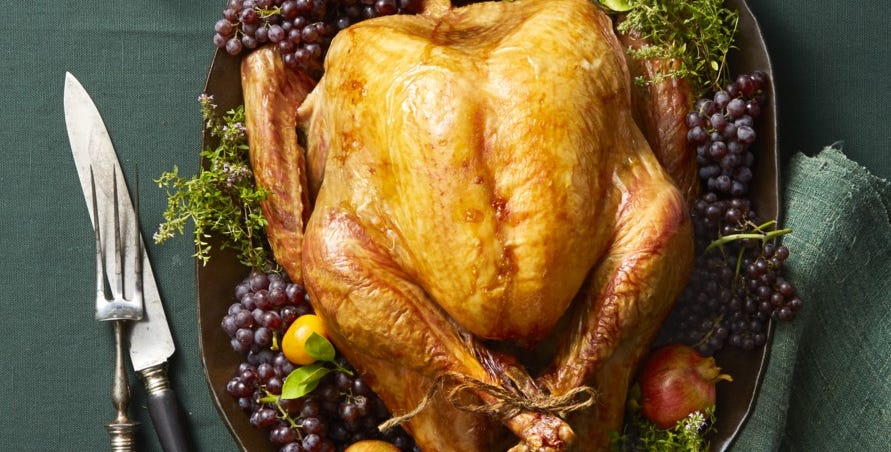

Roasting a turkey sounds simple until the big moment arrives and you realize the bird is still half-frozen in the middle, the breast is headed toward sawdust, and the guests are circling the kitchen like very polite vultures. The good news is that most turkey disasters come from the same handful of mistakes, and once you know how to avoid them, roasting a juicy, golden, sliceable bird becomes a lot less dramatic.
If you have ever Googled “why is my turkey dry,” “how long should I thaw a turkey,” or “is the pop-up timer lying to me,” welcome. You are among friends. These turkey roasting tips focus on the most common mistakes cooking turkey, along with practical fixes that make Thanksgiving, Christmas, or any big dinner run more smoothly. Whether you are a first-timer or someone who has already survived one unforgettable turkey incident, this guide will help you roast smarter, carve cleaner, and panic less.
Why Turkey Goes Wrong So Often
Turkey is a little unfair. It is a very large bird with both white meat and dark meat, and those two types of meat do not finish cooking at exactly the same pace. The breast dries out quickly, while the legs and thighs need more time to become fully tender. Add in a crowded oven, holiday distractions, and family members offering “helpful” advice from 1997, and it is easy to see why roast turkey can go sideways.
The secret is not magic. It is planning, temperature control, and resisting a few habits that sound useful but usually cause trouble. In other words: fewer turkey myths, more turkey strategy.
Common Mistakes Cooking Turkey
1. Not Thawing the Turkey Early Enough
One of the biggest turkey roasting mistakes happens days before the bird ever sees the oven. A frozen turkey takes far longer to thaw than most people expect. A general refrigerator guideline is about 24 hours for every 4 to 5 pounds. That means a large bird can take several days to thaw safely. If you discover your turkey is still icy on roasting day, congratulations, you have joined a very crowded club.
The safest move is to plan backward from serving time. If refrigerator thawing is no longer possible, cold-water thawing can help, but it still takes attention and time. The bird must stay sealed, submerged, and the water needs to stay cold. This is not a “set it and forget it” bathtub spa for poultry.
Better approach: Buy your turkey early, clear refrigerator space, and mark your thawing timeline on the calendar. Future you will be deeply grateful.
2. Washing the Turkey
This is one of those habits that feels responsible but is actually a mess in every sense of the word. Rinsing raw turkey does not clean it in any meaningful way. What it does do is splash raw poultry juices around the sink, faucet, countertops, and possibly your shirt. Your oven is what makes turkey safe, not a dramatic sink rinse.
Better approach: Skip the wash. Remove the turkey from its packaging, pat it dry with paper towels, and sanitize anything the raw bird touches. Dry skin also helps with browning, so you are improving both safety and texture.
3. Forgetting to Remove Giblets and Neck
Every year, someone discovers the giblet packet after the turkey has already been cooking for an hour. It is a holiday rite of passage, but not one worth repeating. Many birds come with the neck and giblets tucked inside the cavity, and occasionally there is a second packet near the front cavity as well.
Better approach: Check both cavities before seasoning. Pull everything out, then decide whether to use the giblets for gravy or stock. At minimum, do not roast them in a mystery paper packet like an accidental side dish.
4. Not Seasoning Enough, or Seasoning Too Late
Turkey is mild. That is a polite way of saying it needs help. If you only sprinkle salt on the skin five minutes before roasting, the inside meat will not get much flavor. This is why dry brining has become such a popular method. Salting the turkey in advance gives the seasoning time to work its way into the meat and helps the bird stay juicy.
Better approach: Season the turkey at least the night before if possible. A dry brine of kosher salt and a little black pepper is already a huge upgrade. Herbs, citrus zest, garlic powder, or a bit of baking powder for extra browning can also work well, but the main hero is still salt used ahead of time.
5. Stuffing the Bird and Expecting Perfect Results
Yes, stuffing cooked inside the turkey sounds traditional and cozy. It also slows cooking and creates a classic turkey dilemma: by the time the stuffing is safely hot in the center, the breast meat may be well on its way to becoming edible insulation. Cooking stuffing separately gives you more control and often better texture.
Better approach: Fill the cavity loosely with aromatics like onion, lemon, apple, celery, or herbs for flavor, but bake your stuffing in a separate dish. You will get crisp edges, easier food safety, and one less reason to mutter at the oven.
6. Relying on Time Instead of Temperature
If you only remember one turkey roasting tip, make it this one: a meat thermometer matters more than the clock. Weight-based roasting times are useful estimates, but not guarantees. Oven accuracy varies. Bird shape varies. Starting temperature varies. Even your roasting pan can affect cooking speed.
The safest and smartest move is to check the turkey with a thermometer in multiple places. Poultry should reach 165°F in the thickest parts for safe serving. Do not rely on color, juices, vibes, or a pop-up timer that may decide to retire early.
Better approach: Start checking before the estimated finish time. Insert the thermometer into the thickest part of the breast and the innermost part of the thigh without touching bone. Accuracy beats optimism every time.
7. Opening the Oven Too Often
Every time you open the oven door to admire the turkey, take a photo, baste, rotate the pan, or emotionally check on progress, heat escapes. That drop in oven temperature can slow cooking and affect browning. The turkey does not need constant supervision. It needs you to trust the process a little more than your anxiety does.
Better approach: Use the oven light and window when possible. Limit door-opening to moments that actually matter, such as checking temperature or applying foil if the skin is browning too quickly.
8. Basting Too Much
Basting has a glamorous reputation, but it is not always the difference-maker people think it is. Repeated basting means repeated heat loss. In many cases, butter under or over the skin, a dry brine, and proper roasting technique do more for moisture and flavor than opening the oven every 30 minutes with a spoon and a dream.
Better approach: If you want to baste, do it sparingly. Better yet, focus on solid prep before roasting and let the oven do its job.
9. Adding Too Much Liquid to the Roasting Pan
Some cooks pour water or broth into the roasting pan assuming it will keep the turkey moist. In reality, too much liquid can create steam, which works against crisp, browned skin. It may also dilute the drippings you want for gravy.
Better approach: Use a rack so heat can circulate around the bird. If you add liquid, keep it minimal and monitor it. You want flavorful drippings, not turkey-flavored hot tub water.
10. Ignoring the Size of the Bird
A giant turkey may look impressive, but very large birds can cook less evenly and are harder to maneuver, thaw, season, and roast well. Bigger is not always better. Sometimes bigger is just more stressful.
Better approach: For very large gatherings, consider roasting two smaller turkeys or combining a whole bird with an extra turkey breast. Smaller birds are often easier to handle and more forgiving.
11. Not Protecting the Breast or Adjusting for Browning
Turkey breasts are lean and prone to drying out before the legs are done. If the skin is getting deeply browned too early, that does not mean the turkey is finished. It means your oven is enthusiastically working on the outside while the inside still needs time.
Better approach: Loosely tent the breast with foil if it starts getting too dark. Some cooks begin roasting at a higher temperature for color, then lower it for more even cooking. What matters most is keeping an eye on browning and responding before the bird turns from golden to dramatic.
12. Carving Too Soon
This may be the saddest mistake of all. You roast the turkey beautifully, transfer it to a board, and then carve immediately because everyone is hungry and the mashed potatoes are giving you that look. But slicing too soon lets juices run out onto the cutting board instead of staying in the meat.
Better approach: Let the turkey rest for at least 20 to 30 minutes before carving. Resting helps redistribute juices and makes carving cleaner. It is not wasted time. It is the final step of cooking.
13. Treating Leftovers Like an Afterthought
Many turkey problems happen after dinner. A platter left out too long, stuffing sitting on the counter, gravy cooling at room temperature while everyone debates pie choices, all of that can create food safety issues. Turkey leftovers are wonderful, but only if handled properly.
Better approach: Refrigerate leftovers within 2 hours. Carve larger pieces into smaller portions, use shallow containers, and cool food promptly. Tomorrow’s sandwich deserves a safe beginning.
Best Turkey Roasting Tips for Better Results
Use a Simple Game Plan
If you want your roast turkey to be delicious without becoming your entire personality for a week, keep the process simple:
- Thaw early and safely.
- Pat the turkey dry.
- Dry brine in advance.
- Roast on a rack.
- Use a meat thermometer.
- Tent with foil if needed.
- Rest before carving.
That sequence solves most of the common mistakes cooking turkey before they have a chance to happen.
Consider Spatchcocking for Faster, More Even Cooking
If presentation matters less than results, spatchcocking is worth considering. Removing the backbone and flattening the turkey helps it cook more evenly and more quickly. More skin is exposed to heat, which means better browning and a shorter roasting time. It may not look as old-school on the platter, but your guests are more likely to compliment the flavor than the bird’s posture.
Build Flavor Without Overcomplicating It
You do not need a 47-ingredient compound butter to make a good turkey. Salt, pepper, herbs, butter or oil, and maybe garlic or citrus are enough for most home cooks. The best turkey roasting tips usually sound less like a magic trick and more like common sense used consistently.
A Practical Example of a Smarter Turkey Day
Imagine you are roasting a 14-pound turkey. You thaw it in the refrigerator over several days, dry brine it the night before, pat it dry again before roasting, and place it on a rack. You start checking temperature early instead of trusting the package estimate. Midway through roasting, the breast is browning quickly, so you tent it loosely with foil. When the thermometer reaches 165°F in the right spots, you pull the turkey, rest it for 30 minutes, then carve.
That is not flashy. It is just smart. And smart turkey usually tastes a lot better than ambitious turkey.
Extra : Real-World Experiences With Turkey Roasting Mistakes
Over the years, one thing becomes clear: almost everyone has a turkey story, and most of those stories begin with confidence and end with someone saying, “Well, the sides are great.” I have seen cooks buy a massive turkey because it was on sale, only to discover it would not fit comfortably in the roasting pan, let alone the refrigerator. I have watched people unwrap a bird on Thanksgiving morning and realize it was still frozen in the center, which led to an emergency cold-water thawing operation involving coolers, ice, and the kind of teamwork usually reserved for disaster movies.
One of the most common experiences is overtrusting tradition. A lot of people roast turkey the way they saw it done years ago: rinse the bird, stuff it tightly, baste it constantly, and judge doneness by color. The result is often a turkey that looks beautiful for ten minutes and eats like a very large napkin. Once cooks switch to a thermometer and stop opening the oven every half hour, the difference can be shocking. Suddenly the turkey is moist, the skin is better, and dinner happens on time. It feels almost suspiciously easy.
Another big lesson comes from seasoning. Many first-time cooks assume turkey is like chicken and will somehow become flavorful through sheer holiday spirit. Then they carve into it and realize the outside tastes great while the inside tastes like plain protein with excellent marketing. Dry brining changes that experience. Even people who swear they are “not fancy cooks” often become believers after one properly salted bird. The turkey tastes more like itself, only better, and the skin browns more evenly too.
Resting is another lesson people usually learn the hard way. When a turkey comes out of the oven, it smells incredible, looks gorgeous, and inspires immediate carving. But slicing too soon sends precious juices straight onto the board. The first time you wait a full 20 to 30 minutes and notice how much more tender and sliceable the meat is, it feels like discovering a cheat code. The turkey is still hot, the carving is neater, and you do not end up with a platter swimming in escaped juices.
Then there is the emotional side of roasting turkey, which nobody talks about enough. Turkey has a reputation for being difficult, so many cooks enter the kitchen already nervous. That anxiety often causes the very mistakes they are trying to avoid. They keep opening the oven. They rush the thawing. They second-guess the thermometer. They carve too early because they are afraid dinner is late. Experience teaches that calm cooks make better turkey. A written timeline, a reliable thermometer, and a willingness to keep the stuffing separate can solve a surprising number of holiday problems.
In the end, the best turkey experiences are rarely about chasing perfection. They are about avoiding the obvious mistakes, following good technique, and remembering that a well-roasted turkey does not need to be theatrical. It just needs to be juicy, safe, flavorful, and ready before the pie disappears.
Conclusion
The best turkey roasting tips are not complicated, but they do require a little discipline. Thaw early, season ahead, skip the sink rinse, do not pack the bird with stuffing, keep the oven door closed, and trust a thermometer more than guesswork. Those small decisions solve most common mistakes cooking turkey and dramatically improve your odds of serving a bird that is juicy, flavorful, and worth the effort.
So the next time someone announces that turkey is always dry, feel free to smile, slice into your properly rested bird, and offer them a piece of evidence. Preferably with gravy.