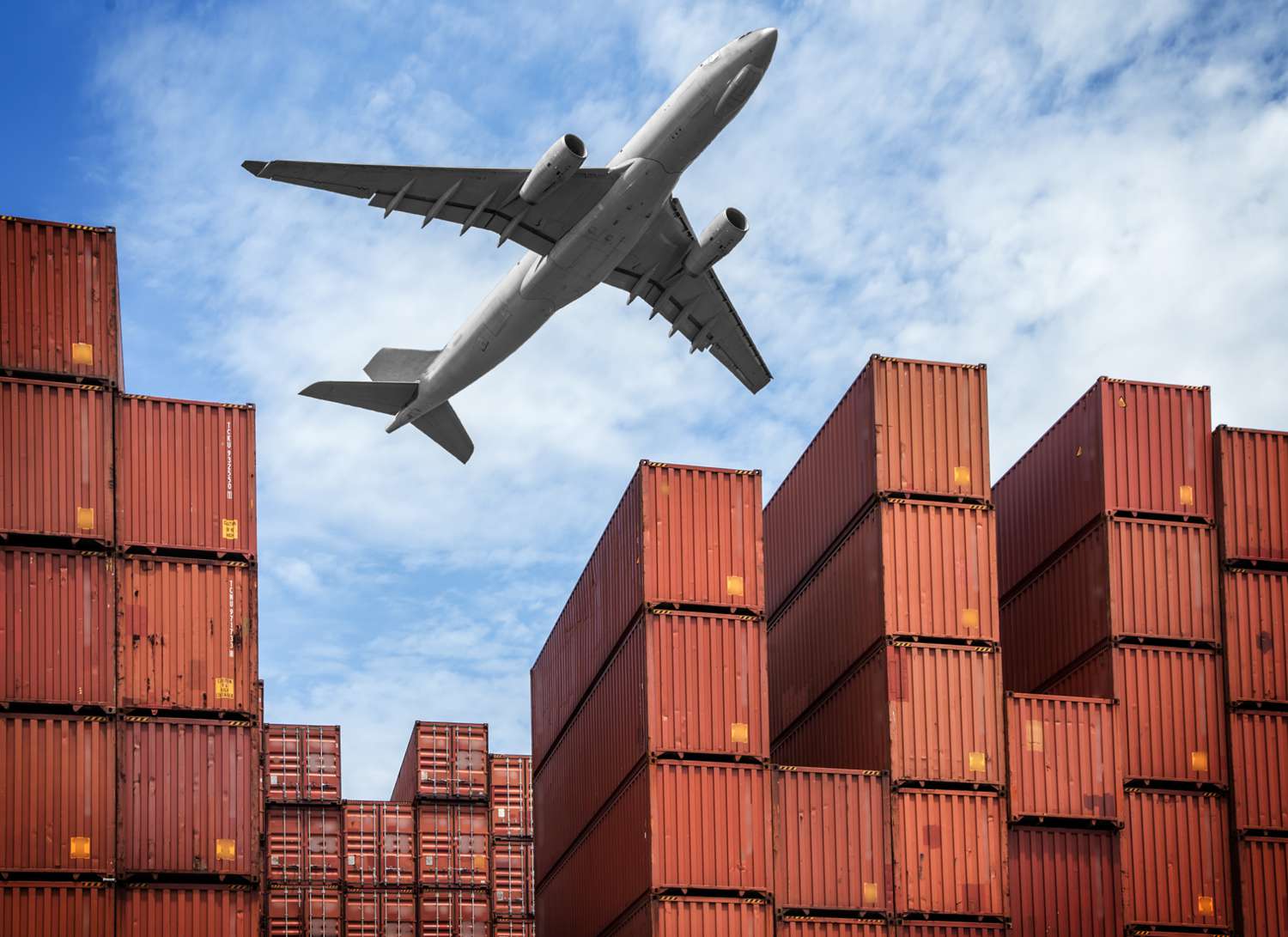

Say the phrase trade deficit out loud and watch what happens: economists lean forward, politicians grab microphones, and somebody in the back starts waving a chart like it is the season finale of a financial drama. But a trade deficit is not magic, not doom, and definitely not a scoreboard where the country with the smaller import bill wins a gold medal shaped like a shipping container.
At its core, a trade deficit simply means a country imports more goods and services than it exports over a given period. That is the clean, textbook version. The messy, real-world version is more interesting. A trade deficit can reflect strong consumer demand, a powerful currency, heavy business investment, and a country that attracts foreign capital. It can also create stress for some industries, deepen dependence on foreign production, and fuel major policy fights.
So, is a trade deficit bad? Sometimes it signals problems. Sometimes it signals strength. Often, it signals that the economy is doing several things at once and refusing to fit into a neat talking point. This guide breaks down the definition of trade deficit, the main causes, and the effects on businesses, workers, prices, and long-term growth.
What Is a Trade Deficit?
A trade deficit happens when the value of a country’s imports exceeds the value of its exports. If a nation sells $500 billion worth of goods and services abroad but buys $650 billion from other countries, it has a trade deficit of $150 billion.
This is also called a negative trade balance. The opposite is a trade surplus, which happens when exports are greater than imports. Simple enough. Even your least favorite group project had a more confusing setup.
Trade Deficit vs. Trade Balance
The trade balance is the difference between exports and imports. If the number is positive, there is a surplus. If it is negative, there is a deficit. So a trade deficit is not a separate mystery object. It is just one possible outcome of the trade balance calculation.
Trade Deficit vs. Current Account Deficit
This is where many articles start to get wobbly. A trade deficit usually refers to trade in goods and services. A current account deficit is broader. It includes trade in goods and services, plus income flows such as investment income and transfers. In casual conversation, people often blur the two. In economics, they are cousins, not twins.
Goods Deficit vs. Services Surplus
The United States is a great example of why this matters. It often runs a large deficit in goods, meaning it imports more physical products than it exports. But it also often runs a surplus in services, including finance, software, travel-related services, licensing, and professional consulting. In other words, America may buy a lot of cars, phones, clothing, and machinery from abroad while still selling plenty of high-value services to the rest of the world.
What Causes a Trade Deficit?
There is no single villain twirling a mustache behind every trade deficit. Usually, several forces are at work at the same time.
1. Strong Consumer and Business Demand
When households and businesses are spending freely, imports tend to rise. Consumers buy electronics, furniture, appliances, and clothing made overseas. Businesses buy parts, industrial supplies, and capital equipment from global suppliers. A fast-growing economy can therefore run a bigger trade deficit simply because people and companies have the money to buy more.
That is one reason economists often warn against treating the trade deficit like a universal distress signal. Sometimes the number grows because the economy is weak. Sometimes it grows because the economy is busy swiping its card with great enthusiasm.
2. A Strong Dollar
A strong U.S. dollar makes foreign goods relatively cheaper for American buyers and U.S. exports relatively more expensive for foreign buyers. That combination tends to boost imports and restrain exports, widening the trade deficit.
The dollar’s strength is not random. It reflects interest rates, investor confidence, the role of U.S. financial markets, and the dollar’s status as a major global reserve currency. In plain English: when the world really likes dollar assets, the dollar can stay strong, and that can keep imports attractive.
3. The Savings and Investment Gap
This is the big one in economic analysis. Many economists argue that a country’s overall trade deficit is fundamentally tied to the gap between national saving and domestic investment. If a country invests more than it saves, it must draw on foreign capital. That capital inflow is mirrored by a trade deficit.
Yes, this sounds like something invented to ruin dinner parties. But it matters. It means the trade deficit is not just about trade policy. It is also about how much households save, how much businesses invest, and how large government budget deficits are.
4. Government Budget Deficits
Budget deficits and trade deficits are related, but not in a neat one-to-one way. Larger government deficits can reduce national saving, which can contribute to a wider trade deficit if other factors do not offset it. Economists sometimes call this the twin deficits idea.
Still, the relationship is not automatic. Private saving, private investment, exchange rates, and foreign demand all matter too. So if someone tells you the budget deficit always causes the trade deficit, they are simplifying a very complicated machine into a bumper sticker.
5. Global Supply Chains
Modern production is international. A product stamped “Made in” one country may include design work from another, semiconductors from a third, and components from five more. This means imports are not always signs of weakness. They can also be signs that domestic firms are deeply plugged into global supply chains.
For example, an American manufacturer may import components, assemble or improve the final product, and then export it. Trade deficits can therefore coexist with healthy domestic production in some sectors.
6. Foreign Growth and Domestic Growth Don’t Always Match
If the U.S. economy grows faster than economies overseas, Americans may buy more imports while foreign demand for U.S. exports grows more slowly. That mismatch can widen the trade deficit. Relative economic performance matters, not just trade rules.
7. Tariffs Usually Do Less Than People Expect
Tariffs may reduce imports from one country or in one product category, but they often do not erase the overall trade deficit. Why? Because the bigger forces behind the deficit, especially the savings-investment balance and currency movements, do not disappear just because a tariff headline looks dramatic.
Tariffs can also raise input costs for U.S. businesses, increase prices for consumers, and invite retaliation from trading partners. In some cases, trade flows simply move around the tariff instead of vanishing. The deficit plays whack-a-mole, and the mole usually wins.
Effects of a Trade Deficit
The effects of a trade deficit are mixed. That is why serious economists rarely describe it as automatically good or automatically bad.
1. Lower Prices and More Choices for Consumers
One of the most visible benefits is consumer access. Imports often give households a wider range of products at lower prices. From smartphones and sneakers to coffee makers and auto parts, imported goods can make everyday life cheaper and more convenient.
That may sound boring until you imagine buying a washing machine with half the available options and twice the price tag. Suddenly, trade sounds less abstract and more like a household budget issue.
2. Cheaper Inputs for Businesses
Imports are not just final products. Many are raw materials, components, or specialized equipment used by U.S. companies. Lower-cost inputs can help firms stay competitive, expand production, and support jobs in downstream industries.
That is why blanket statements like “imports destroy jobs” miss a major part of the story. Some imports compete with domestic industries, but others help domestic industries function more efficiently.
3. Pressure on Some Industries and Regions
This is the painful side of the ledger. When imports rise sharply in sectors where domestic producers cannot compete on cost, some factories shrink or close, and some communities lose stable jobs. The effects are not evenly spread. Consumers may gain broadly, while certain workers and regions bear concentrated losses.
This uneven impact helps explain why trade debates are so heated. The benefits are often widespread and gradual. The losses can be local, immediate, and deeply personal.
4. Links to Foreign Capital and Investment
A trade deficit is typically paired with capital flowing into the country. Foreign investors buy U.S. stocks, bonds, real estate, and business assets. That can support investment, lower borrowing costs, and reinforce confidence in the economy.
But there is a long-term flip side. Persistent deficits can build up net international liabilities, meaning foreigners own more claims on domestic assets over time. That does not guarantee a crisis, but it can raise concerns if borrowing grows too large or confidence weakens.
5. No Simple One-to-One Effect on Jobs
Many people assume a trade deficit automatically means fewer jobs at home. The reality is more complicated. Employment depends on productivity, technology, consumer demand, business cycles, labor costs, investment patterns, and trade flows all at once.
Manufacturing employment, for example, can fall because of automation even when output remains high. So while trade can absolutely hurt some workers, especially in import-competing industries, the total employment story is much bigger than the deficit alone.
6. Potential Inflation Effects When Trade Is Disrupted
Trade barriers and supply disruptions can raise costs. If imports become more expensive because of tariffs, shipping problems, or geopolitical tensions, businesses may pass those costs on to consumers. That can contribute to inflation, especially when imported intermediate goods are involved.
In other words, trying to “fix” a trade deficit quickly can sometimes make prices less friendly. Your grocery bill and your appliance bill may not applaud the policy experiment.
Is a Trade Deficit Bad?
Not automatically. A trade deficit can reflect strong demand, global confidence in U.S. assets, and productive investment opportunities. It can also reflect low national saving, rising foreign liabilities, and heavy import dependence in strategically important sectors.
The smarter question is not “Is there a trade deficit?” but rather:
- Why does it exist?
- How is it being financed?
- Which industries are affected?
- Are households and businesses benefiting from it?
- Is the country becoming overly dependent on foreign borrowing or foreign production in critical areas?
That is a far better framework than treating every negative trade balance as a national emergency or every positive one as a parade-worthy achievement.
Examples of Trade Deficit Thinking in Real Life
Imagine an American company that imports specialized chips from Asia, combines them with U.S.-made software and design, and sells finished equipment worldwide. The import side adds to the trade deficit, but the company may still support high-paying domestic jobs.
Now imagine a town built around a factory that cannot compete with cheaper imports. The local pain is real, and the national average does not magically fix it. Both stories are true at the same time. That is the frustrating and fascinating thing about trade economics: it refuses to be only one thing.
How Countries Respond to Trade Deficits
Governments usually respond in one or more of these ways:
Trade Policy
Tariffs, quotas, and trade agreements can alter specific trade flows, though they often do not eliminate the overall deficit.
Competitiveness Policy
Investment in infrastructure, education, research, and advanced manufacturing can help domestic firms compete more effectively in global markets.
Fiscal Policy
Reducing large budget deficits can increase national saving over time, which may help narrow the trade deficit under the right conditions.
Supply Chain Strategy
Some governments focus less on the headline deficit and more on resilience, especially in energy, semiconductors, pharmaceuticals, and defense-related industries.
Experiences Related to Trade Deficit: What It Feels Like in the Real World
For most people, the trade deficit does not arrive wearing a nametag. It shows up quietly in everyday experiences. A shopper notices that the laptop, blender, and running shoes in the cart were all made somewhere else. The prices are appealing, the options are endless, and nobody in aisle seven is whispering, “Congratulations, you are now participating in a global macroeconomic imbalance.” Still, that is exactly what is happening.
For a small business owner, the experience can be more personal. Imagine a U.S. retailer that depends on imported inventory. When trade flows are smooth, the owner gets affordable products, keeps shelves stocked, and offers competitive prices. The trade deficit, in that setting, feels like convenience and survival. But when tariffs rise or shipping costs spike, the same owner feels the downside immediately. Margins shrink, customers complain, and suddenly the abstract debate about trade becomes a very real debate about whether the store can stay profitable through the holiday season.
For workers in import-competing industries, the experience can be far harsher. A community that once relied on furniture, textiles, steel, or electronics assembly may feel as if the rules changed without warning. One plant closes. Then a supplier cuts shifts. Then the diner down the road loses lunch traffic. Economists may explain that trade creates gains overall, but the worker who just lost a twenty-year job is not wrong to hear that as cold comfort. The benefits of cheaper imports are spread thinly across millions of consumers; the losses land like a piano on specific towns.
Exporters live a different version of the story. A software company, consulting firm, or entertainment business may benefit from America’s strong service exports. For them, international trade means growth, clients overseas, and new revenue streams. Yet even they can be squeezed if the dollar gets too strong, making U.S. offerings more expensive abroad. So one part of the economy may celebrate global demand while another wonders why exchange rates suddenly made life harder.
There is also a household experience that rarely gets enough attention. Families often benefit from trade deficits through lower-cost imported goods, especially in categories like clothing, electronics, toys, and household items. That matters. For middle-income and lower-income households, lower prices are not a side note; they are budget oxygen. If policies aimed at shrinking the deficit raise prices too quickly, families feel it long before they read the policy memo explaining why.
In the end, the lived experience of a trade deficit is not one story but many. It can feel like affordability, disruption, opportunity, dependency, resilience, and frustration all at once. That is why smart conversations about trade should move beyond slogans. The real question is not whether people experience the trade deficit. They do. The real question is which experience they are having.
Final Takeaway
A trade deficit means imports are greater than exports, but the meaning does not stop there. It can reflect strong domestic demand, a strong currency, deep global investment ties, and a nation that saves less than it invests. It can also expose weak spots in domestic production, create regional job losses, and increase reliance on foreign capital over time.
The key is context. Trade deficits are not inherently good or bad; they are economic signals. To understand them, you have to look beyond the headline number and ask what is driving it, who benefits, who bears the costs, and whether the broader economy is becoming stronger or more fragile. That is less catchy than yelling “deficit bad” on television, but it is much closer to the truth.