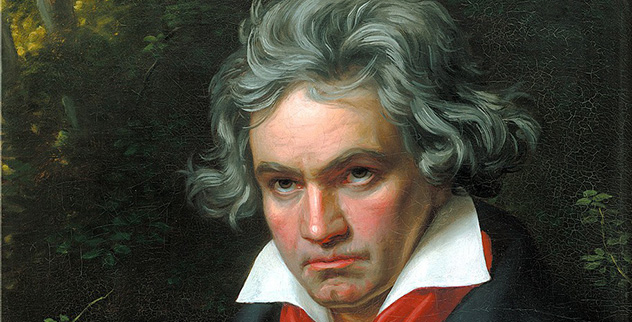

Note: This article is written for web publication and synthesizes real, widely accepted music-history information from reputable classical music references, encyclopedias, concert institutions, and educational resources.
Why Classical Melodies Still Live Rent-Free in Our Heads
Classical music has a funny way of sneaking into everyday life. You may not know the opus number, the key signature, or whether the composer wore a powdered wig with confidence, but you definitely know the tune. It shows up in movies, cartoons, weddings, commercials, elevators, phone ringtones, coffee shops, video games, and that one dramatic moment when someone slowly opens a refrigerator at midnight.
The best known classical melodies are more than old music preserved behind museum glass. They are living cultural shortcuts. A few notes from Beethoven can mean “destiny is knocking.” A soft piano phrase from Debussy can turn an ordinary moonlit scene into emotional cinema. A bright Vivaldi violin line can make spring arrive even if your allergy medicine says otherwise.
This guide explores the top 10 best known classical melodies, why they became famous, what makes them memorable, and how they continue to shape modern listening. Whether you are a lifelong classical music fan or someone who mainly recognizes these pieces as “that song from the thing,” welcome. Your ears already know more than you think.
1. Beethoven’s Symphony No. 5: The Four Notes That Knocked on History
Composer: Ludwig van Beethoven
Few openings in music history are as instantly recognizable as Beethoven’s Symphony No. 5 in C minor. The short-short-short-long motif has been described as fate knocking at the door, although the exact origin of that famous phrase is debated. What is not debatable is the impact. Those four notes are practically classical music’s superhero logo.
Written during a period when Beethoven was struggling with increasing hearing loss, the symphony captures tension, resistance, and eventual triumph. The opening melody is compact, muscular, and impossible to ignore. It does not politely ask for attention; it kicks the door open, straightens its jacket, and announces that the drama has arrived.
Why does this melody work so well? It is rhythmically simple, emotionally intense, and endlessly repeatable. Beethoven builds an entire movement from a tiny musical cell, proving that a great idea does not need to be long. It just needs to be unforgettable.
2. “Ode to Joy”: Beethoven’s Anthem of Human Hope
Composer: Ludwig van Beethoven
“Ode to Joy,” from the final movement of Beethoven’s Symphony No. 9, is one of the most beloved classical melodies ever written. Its theme is broad, singable, and uplifting, with a sense of community built into its bones. Even without the choir, the melody feels like people gathering together for something bigger than themselves.
Beethoven set part of Friedrich Schiller’s poem “An die Freude,” creating a choral finale that was groundbreaking for a symphony in the early 19th century. Today, the melody is used in celebrations, ceremonies, educational settings, and public events around the world. It has become a musical symbol of unity, optimism, and shared humanity.
The genius of “Ode to Joy” lies in its accessibility. The tune is easy to follow, yet it carries enormous emotional weight. It is the rare melody that can sound noble in a concert hall, sweet in a children’s music class, and slightly heroic when played badly on a recorder. That is range.
3. Mozart’s “Eine kleine Nachtmusik”: The Classiest Party Starter
Composer: Wolfgang Amadeus Mozart
“Eine kleine Nachtmusik,” officially Serenade No. 13 in G major, is Mozart at his most sparkling. The opening movement bursts in with elegance, confidence, and the kind of charm that makes you suspect Mozart knew exactly how good he was.
The title means “a little night music,” and the piece was written for strings. Its first movement is especially famous: bright, balanced, and full of Classical-era clarity. There is no unnecessary clutter. Every phrase feels polished, graceful, and ready for a candlelit dinner where everyone somehow knows which fork to use.
This melody remains popular because it is instantly cheerful without becoming shallow. It has energy, symmetry, and sophistication. It is often used in films, ads, and educational programs when creators want to say, “Ah yes, culture,” but with a wink instead of a lecture.
4. Pachelbel’s Canon in D: The Wedding Aisle Champion
Composer: Johann Pachelbel
Pachelbel’s Canon in D may be the most famous slow-burn melody in classical music. Built over a repeating bass line, the piece gradually layers violin parts in a canon, meaning the same musical idea enters at different times and overlaps with itself. In simpler terms: one melody walks in, another follows, and suddenly everyone is beautifully organized.
Although composed in the Baroque era, the piece became especially popular in the 20th century and is now strongly associated with weddings, formal ceremonies, and romantic occasions. Its gentle forward motion makes it feel calm but never motionless. It is elegant, hopeful, and emotionally warm.
Part of its magic comes from the repeating harmonic pattern. Modern pop listeners often find Canon in D familiar because its chord progression has influenced or resembles countless later songs. Pachelbel did not invent every emotional chord sequence after him, but he certainly left future songwriters a very convenient toolbox.
5. Vivaldi’s “Spring” from The Four Seasons: Sunshine with a Violin
Composer: Antonio Vivaldi
Vivaldi’s “Spring,” the first concerto from The Four Seasons, is one of the most recognizable pieces of Baroque music. The opening violin melody is lively, bright, and full of motion. If flowers could make entrance music, this would be it.
The Four Seasons is a set of violin concertos that paints scenes from nature through sound. “Spring” suggests birdsong, flowing streams, storms, and pastoral joy. Vivaldi’s writing is vivid and direct, which helps explain why the melody still feels fresh centuries later.
What makes “Spring” so memorable is its rhythmic bounce and clear imagery. The music practically smiles. It appears often in commercials, children’s programming, travel content, and seasonal promotions because it communicates renewal instantly. You do not need a music degree to hear the sunshine.
6. Bach’s Toccata and Fugue in D Minor: The Organ Goes Full Drama Mode
Composer: Traditionally attributed to Johann Sebastian Bach
Bach’s Toccata and Fugue in D minor is the ultimate “something intense is about to happen” melody. The opening organ flourish has become a cultural symbol of mystery, gothic atmosphere, haunted castles, dramatic villains, and occasionally very ambitious Halloween playlists.
The work is traditionally attributed to Johann Sebastian Bach, though scholars have discussed questions around its authorship. Regardless of that debate, its place in popular culture is secure. The piece became even more widely known through orchestral arrangements and appearances in film, especially in contexts that emphasize its thunderous power.
The melody works because it uses the organ like a full theatrical machine. It is bold, spacious, and architectural. The opening phrase seems to fall from the ceiling, echo through stone walls, and remind everyone that the pipe organ was basically the original surround-sound system.
7. Tchaikovsky’s Swan Lake Theme: Elegance with a Broken Heart
Composer: Pyotr Ilyich Tchaikovsky
Tchaikovsky’s Swan Lake contains several famous melodies, but its main swan theme is especially iconic. It is graceful, tragic, and deeply theatrical. Even if you have never watched the full ballet, you may recognize the music from films, commercials, figure skating routines, or dramatic scenes where someone looks out a window with feelings.
First composed in the 1870s, Swan Lake became one of the world’s most famous ballets. Tchaikovsky’s gift for melody gives the story emotional force. The music does not simply accompany the dancers; it gives the swans their sorrow, beauty, and mystery.
The melody is memorable because it blends lyricism with tension. It glides, but it also aches. Tchaikovsky understood how to write tunes that feel emotionally open, almost conversational. His melodies do not hide behind cleverness. They walk straight into the heart and start rearranging furniture.
8. Debussy’s “Clair de Lune”: Moonlight at the Piano
Composer: Claude Debussy
“Clair de Lune,” the third movement of Debussy’s Suite bergamasque, is one of the most beloved piano pieces ever written. The title means “moonlight,” and the music lives up to it. Soft, shimmering, and quietly emotional, it feels like the soundtrack to remembering something beautiful at 2 a.m.
Debussy began the suite in the 1890s and revised it before publication in 1905. “Clair de Lune” stands out for its delicate harmonies, flowing rhythm, and dreamlike atmosphere. It does not rush toward a dramatic climax. Instead, it creates a suspended world where every note seems to glow.
The melody’s popularity comes from its emotional flexibility. It can sound romantic, nostalgic, peaceful, lonely, or hopeful depending on the listener. That is why filmmakers love it. Debussy gives us moonlight, but he wisely lets us decide what the moonlight means.
9. Handel’s “Hallelujah Chorus”: The Sound of Grand Celebration
Composer: George Frideric Handel
The “Hallelujah Chorus” from Handel’s Messiah is one of the most famous choral melodies in Western music. It arrives near the end of the oratorio’s second part and has become a powerful symbol of celebration, religious devotion, and public grandeur.
Handel composed Messiah in the 18th century, and the work remains one of the most frequently performed oratorios. The “Hallelujah Chorus” is especially famous because of its bold choral writing, bright orchestral support, and thrilling sense of arrival. It is the musical equivalent of opening double doors and letting sunlight pour in.
Even listeners who do not regularly attend choral concerts often recognize this melody. It appears in holiday performances, movies, television, and public ceremonies. It is majestic without being stiff, festive without being silly, and powerful enough to make standing up feel like the only reasonable option.
10. Grieg’s “Morning Mood”: The Official Sound of Waking Up Beautifully
Composer: Edvard Grieg
Edvard Grieg’s “Morning Mood,” from his music for Henrik Ibsen’s Peer Gynt, is one of the most recognizable musical depictions of dawn. The melody begins gently, often carried by flute and oboe, and suggests light slowly spreading across the horizon.
Interestingly, while many listeners imagine a peaceful Scandinavian sunrise, the original dramatic scene is set in a much different location. Still, the music has taken on a universal meaning: morning, freshness, and the start of a new day. Popular culture has embraced it so completely that one short phrase can say, “Wake up, the world is lovely,” even if your alarm clock strongly disagrees.
“Morning Mood” works because it is simple, pastoral, and visual. You can almost see the sun rising as the melody unfolds. It proves that classical music does not always need thunder, tragedy, or giant choirs. Sometimes all it needs is a calm tune and a little light.
Honorable Mentions: Melodies Everyone Knows, Even If They Cannot Name Them
Any list of the best known classical melodies will inevitably leave out a few giants. Brahms’s “Lullaby” is one of the most famous cradle songs in the world. Mendelssohn’s “Wedding March” has accompanied countless fictional and real-life ceremonies. Rossini’s William Tell Overture gallops through popular culture with unstoppable energy. Tchaikovsky’s 1812 Overture is famous not only for melody but also for cannons, which is one way to make sure the audience stays awake.
These pieces prove that classical music has never been limited to formal concert halls. It has always traveled: into homes, schools, theaters, churches, movies, television, sporting events, and digital media. The melody survives because people keep finding new uses for it.
What Makes a Classical Melody Famous?
Memorable Shape
Great melodies often have a clear contour. They rise, fall, pause, and repeat in ways the ear can follow. Beethoven’s Symphony No. 5 uses a tiny rhythmic idea. “Ode to Joy” moves in simple steps. “Clair de Lune” unfolds with a flowing, dreamlike line. Each melody has a shape that listeners can recognize quickly.
Emotional Clarity
The best known classical melodies communicate emotion immediately. Vivaldi sounds bright and alive. Bach sounds dramatic. Debussy sounds reflective. Handel sounds triumphant. These emotional signals help the music stay useful in modern media, where a melody often needs to set the mood in seconds.
Cultural Repetition
Familiarity matters. Many people know these melodies because they have heard them repeatedly in movies, cartoons, commercials, weddings, school concerts, and public events. Classical music became famous not only because it was great, but because culture kept replaying it.
Adaptability
A melody becomes truly powerful when it can survive arrangement. Pachelbel’s Canon works on strings, piano, guitar, and even synthesizers. “Ode to Joy” can be sung by a large choir or played by a beginner musician. “Morning Mood” can appear in a symphony hall or a cereal commercial and still make sense.
Why These Melodies Still Matter Today
The top 10 best known classical melodies matter because they connect generations. A child may first hear “Für Elise,” “Ode to Joy,” or “Spring” in a music lesson. An adult may recognize the same melody in a movie soundtrack. A grandparent may remember it from radio broadcasts, church concerts, school assemblies, or vinyl records. The music becomes a shared language.
Classical melodies also remind us that great art does not need to be difficult to be deep. Many of these tunes are easy to hum, but that simplicity is not a weakness. It is part of their strength. A melody that enters the ear easily can stay in the mind for a lifetime.
In a world overflowing with short videos, algorithmic playlists, and songs designed to disappear after one viral week, these classical melodies have unusual staying power. They have lasted not because they are old, but because they still work. They still move people. They still create atmosphere. They still make ordinary moments feel slightly more cinematic.
Listening Experiences: How These Famous Classical Melodies Feel in Real Life
One of the best ways to enjoy famous classical melodies is to stop treating them like homework. You do not need to sit perfectly still, understand sonata form, or whisper “bravo” with aristocratic precision. Classical music becomes much more enjoyable when you connect it to real experiences.
Try listening to Vivaldi’s “Spring” during a morning walk. The quick violin lines can make ordinary trees look more awake, even if the sidewalk is cracked and someone’s dog is judging you. The melody has movement, so it pairs beautifully with motion. It turns a walk into a tiny personal opening scene.
Debussy’s “Clair de Lune” works best when the world is quiet. Play it at night, preferably without multitasking. The piece invites patience. It does not grab your attention like Beethoven’s Fifth; it waits for you to slow down. Many listeners experience it as music for reflection, memory, or emotional reset. It is ideal for journaling, reading, or staring dramatically into the middle distance like you are in an art film with excellent lighting.
Pachelbel’s Canon in D is a different kind of experience. Because its bass line repeats, the piece creates a sense of calm order. It is popular at weddings for a reason: it feels like steady forward movement without anxiety. The melody keeps unfolding, but the foundation remains stable. That makes it useful for studying, relaxing, or creating a peaceful atmosphere at home.
Beethoven’s Symphony No. 5 is better when you let it be intense. Do not use it as background music for answering emails unless you want every spreadsheet to feel like a battle for civilization. Listen to the first movement with attention and notice how much Beethoven builds from one tiny idea. It can be thrilling to hear how a simple motif becomes a full emotional argument.
“Ode to Joy” is best experienced with other people. A choir, orchestra, or even a school performance can reveal why the melody became a symbol of unity. It has a communal energy that feels bigger than individual listening. You may know the tune already, but hearing it expand through voices and instruments can still feel surprisingly powerful.
Bach’s Toccata and Fugue in D minor deserves volume. The organ’s physical force is part of the experience. If possible, hear it on a real pipe organ someday. Speakers can reproduce the notes, but a large organ lets you feel the sound in the room. It is less like listening and more like being politely overwhelmed by architecture.
Grieg’s “Morning Mood” is perfect for slow mornings. It creates a gentle sense of beginning, which is helpful if your actual morning begins with three alarms and a missing sock. The melody reminds listeners that calm can be created, not just found. Classical music often gives us emotional settings we can step into, even when real life is less cooperative.
The real joy of these classical melodies is that they meet listeners at different levels. You can enjoy them casually, study them deeply, play them on an instrument, use them for focus, or simply recognize them with a smile when they appear unexpectedly in a movie. That flexibility is why they remain famous. They are not trapped in the past. They keep showing up, dressed for the occasion.
Conclusion
The best known classical melodies have survived because they are clear, emotional, adaptable, and unforgettable. Beethoven gives us drama and hope. Mozart offers elegance. Pachelbel provides serenity. Vivaldi paints spring in sound. Bach brings thunder. Tchaikovsky gives ballet a beating heart. Debussy turns moonlight into piano poetry. Handel lifts the roof. Grieg wakes the world gently.
These melodies prove that classical music is not a locked room reserved for experts. It is a living soundtrack that still shapes how we celebrate, mourn, relax, focus, dream, and tell stories. You may not always remember the composer’s full name, catalog number, or historical context, but when the melody begins, recognition arrives instantly. That is the real power of classical music: a few notes can cross centuries and still feel personal.