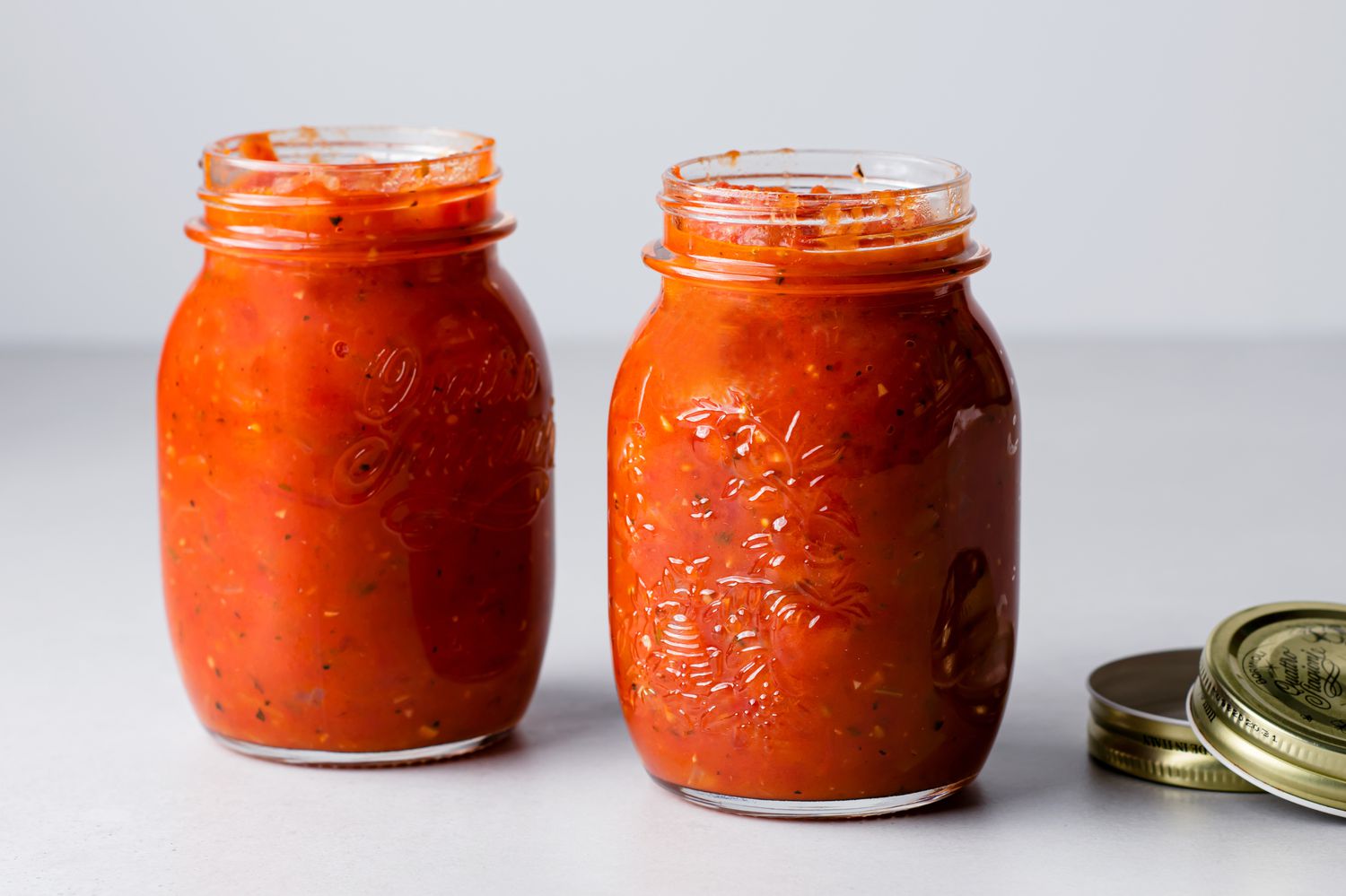

Tomato sauce has a special talent: it disappears the exact moment you need it. One minute you’re making chili, pizza, or a cozy pan of baked ziti.
The next minute you’re staring into your pantry like it owes you money.
Good news: “tomato sauce” is less a single ingredient and more a categorytomatoes + the right thickness + (usually) a little seasoning.
That means you can swap in several easy alternatives without turning dinner into a science fair project.
This guide walks you through the best tomato sauce substitutes, when each one works best, and the simple tweaks that make them taste like you planned it this way all along.
Fast Decision Guide (Pick Your Substitute in 20 Seconds)
Before you grab a random red thing from the fridge, ask two questions:
-
Do you need thickness or just tomato flavor?
Thick = pasta sauce, pizza base, lasagna. Thin = soups, stews, braises. -
Does the recipe already have seasonings?
If your dish already has onion/garlic/herbs, a plain tomato product (like purée) is perfect. If it’s a quick recipe, a seasoned sauce (like marinara) can be a shortcut.
If you want the “closest” match most of the time: tomato paste + water or tomato purée wins.
If you want the tastiest “from scratch” vibe fast: whole canned tomatoes blended and simmered is your hero.
Best Tomato Sauce Substitutes (and How to Use Them)
1) Tomato Paste + Water (The Closest Pantry Swap)
Tomato paste is concentrated tomatoesbig flavor, tiny volume. Turn it into a sauce by adding liquid and seasoning.
Most guides recommend mixing equal parts paste and water as a starting point, then adjusting for texture.
- Best for: pasta bakes, casseroles, meatballs, sloppy joes, quick “red sauce” situations
- How to swap: Stir paste and water 1:1 until smooth. Add a pinch of salt, garlic powder or minced garlic, onion powder, dried basil/oregano, and a drizzle of olive oil if you want it richer.
- Pro move: If you have 2–3 extra minutes, warm a little oil, “fry” the paste briefly, then add water. It deepens flavor and tastes more slow-cooked.
2) Tomato Purée (The Smooth, Unseasoned Stand-In)
Tomato purée is typically cooked and blended tomatoes with a thicker body than many canned tomato sauces, and it’s usually not heavily seasoned.
That makes it easy to customize.
- Best for: recipes where you want controlsoups, stews, chili, homemade pizza sauce, marinara-style sauces
- How to swap: Start with a 1:1 replacement. If it seems too thick, thin it a tablespoon at a time with water or broth. Add seasonings to match your dish.
- Label tip: Purée is usually simpler than jarred saucescheck sodium and added sugar if you’re comparing products.
3) Crushed Tomatoes (Chunkier, Saucy, and Flexible)
Crushed tomatoes are often mixed with purée or juice, so they’re naturally “saucier” than diced tomatoes, but still have texture.
If your recipe can handle a bit of body (or you can blend it), it’s an excellent substitute.
- Best for: chili, shakshuka-style dishes, soups, lasagna, chicken parmesan, rustic pasta sauces
- How to swap: Replace 1:1. For a smoother tomato sauce vibe, blitz with an immersion blender or mash well and simmer 10–15 minutes.
- Quick fix: If your dish gets watery, simmer uncovered to reduce.
4) Whole Peeled Canned Tomatoes (The “I Can Make Sauce” Option)
Whole peeled tomatoes are a great quality choice in many kitchens because you control the texture. Blend for smooth, crush for rustic, simmer for depth.
- Best for: pasta sauce, pizza sauce, tomato-based braises, soups
- How to swap: Blend (or crush) the tomatoes with some of their juice, then simmer until it reaches sauce thickness. Season to match your recipe.
- Why it works: A short simmer melds flavors; a longer simmer sweetens and concentrates naturally.
5) Marinara, Pasta Sauce, or Pizza Sauce (The Shortcut With Strings Attached)
Jarred sauces can replace tomato sauce easily, but they come pre-seasonedsometimes sweetenedand that affects your final dish.
Consider them a “swap + adjust” ingredient.
- Best for: pasta bakes, pizza, meatball subs, quick weeknight sauces
- How to swap: Replace 1:1, then taste. You may need to reduce added salt, sugar, or herbs in your recipe.
- Example: If your chili recipe includes cumin, chili powder, garlic, and onion already, pick a more neutral marinara or dilute slightly with crushed tomatoes to avoid herb overload.
6) Fresh Tomatoes (When You’ve Got Time and a Cutting Board)
Fresh tomatoes can absolutely become a sauce substituteespecially in summerthough they vary in water content.
Roma/plum tomatoes are typically less watery and cook down faster than big slicing tomatoes.
- Best for: quick skillet sauces, fresh-tasting pasta, tomato-forward dishes
- How to swap: Chop, simmer with a pinch of salt, then blend or mash. If it’s too thin, keep simmering uncovered. If it’s too acidic, add a small pinch of sugaror better, balance with fat (olive oil, butter, cheese) depending on the recipe.
- Reality check: Fresh tomatoes can take longer to reduce than canned products, so start earlier if dinner has a bedtime.
7) Sun-Dried Tomatoes (For Bold Flavor When Your Pantry Is Sparse)
Sun-dried tomatoes (oil-packed or dry) bring intensitythink “tomato paste energy,” but with a deeper, almost jammy vibe.
They won’t taste exactly like standard tomato sauce, but they can absolutely deliver that tomato backbone.
- Best for: creamy pasta, baked chicken, dips, sauces where concentrated tomato flavor is a plus
- How to swap: Rehydrate dry sun-dried tomatoes in hot water, or drain oil-packed ones. Blend with a little water or broth until saucy, then season lightly.
- Watch outs: Oil-packed versions can be saltytaste before adding more salt.
8) Ketchup (A “Last Resort” That Works in the Right Crowd)
Ketchup is tomato-based, but it’s also sweet and tangy from sugar and vinegar. That can be perfect for some dishes and weird for others.
- Best for: meatloaf, barbecue-style sauces, some chilis, sweet-and-savory braises
- How to swap: Use small amounts and compensate: reduce added sugar elsewhere, add a pinch of salt if needed, and consider a little extra tomato paste if you want more “tomato” and less “ketchup.”
- Not ideal for: classic Italian-style pasta sauce unless you want your spaghetti to taste like a cookout.
9) Tomato Soup or Tomato Juice (Thin, So Use Strategically)
These can work in a pinch, but they’re typically thinner and may contain dairy, added sweetness, or strong seasonings depending on the product.
- Best for: soups, stews, braises, sauces that will be reduced or thickened
- How to swap: Use as a base liquid, then simmer longer to reduce. If you need thickness, add a spoonful of tomato paste or let it reduce uncovered.
- Warning: If you’re adding tomato soup to a recipe, account for its existing salt/sugar.
How to Adjust Flavor and Thickness (So It Doesn’t Taste “Substituted”)
Tomato sauce isn’t just tomatoesit’s balance. When you substitute, you’re mainly correcting three things:
- Thickness: If your substitute is too thin, simmer uncovered. If it’s too thick, add water/broth a tablespoon at a time.
- Seasoning: Tomato sauce is often seasoned with garlic, onion, basil, oregano, and salt. If you’re using unseasoned purée or paste + water, add those basics (even dried works).
- Sweetness/acidity: Long-cooked sauces taste sweeter. Quick substitutes can taste sharper. Balance with a little fat (olive oil/butter), a longer simmer, or a tiny pinch of sugar only if needed.
One more smart move: if you’re using a concentrated ingredient (paste, sun-dried tomatoes), give it a moment of heat in oil before adding liquid.
That short “toast” can make the flavor rounder and more complex.
Substitution Cheat Sheet
| Substitute | Swap Ratio | Best Uses | Quick Adjustment |
|---|---|---|---|
| Tomato paste + water | Start 1:1, adjust | Pasta bakes, casseroles, quick sauces | Add garlic/onion/herbs; simmer to thicken |
| Tomato purée | 1:1 (thin if needed) | Soups, stews, pizza sauce, marinara | Season to taste; add water gradually |
| Crushed tomatoes | 1:1 | Chili, lasagna, rustic pasta sauce | Blend or mash for smoother texture |
| Whole canned tomatoes | Blend + simmer to thickness | Pasta/pizza sauce, braises | Reduce uncovered for concentration |
| Marinara/pasta/pizza sauce | 1:1 | Quick pasta dishes, baked pasta | Reduce added herbs/salt/sugar elsewhere |
| Fresh tomatoes | Cook down to match volume | Fresh-tasting sauces | Simmer longer; use Roma/plum for speed |
| Sun-dried tomatoes | Blend with water/broth | Bold sauces, creamy pasta | Watch salt; start small and taste |
| Ketchup | Small amounts, taste as you go | BBQ-ish dishes, meatloaf, some chilis | Reduce added sugar; boost tomato with paste |
| Tomato soup/juice | Use as a base, then reduce | Soups, stews, braises | Add paste or simmer uncovered for thickness |
Common Recipe Situations (And the Best Substitute for Each)
Pasta Night (Spaghetti, Baked Ziti, Lasagna)
For pasta, you usually want a sauce that clings. Go with paste + water, purée, or blended whole tomatoes.
If you use crushed tomatoes, blend or simmer a bit longer so it’s not chunky unless rustic is the goal.
Example fix: You have tomato paste, but no sauce. Mix paste + water 1:1, add dried oregano, garlic powder, a pinch of salt, and a splash of olive oil.
Simmer 8–10 minutes while your pasta cooks. Dinner is saved, and nobody needs to know it started as a pantry emergency.
Pizza Sauce
Pizza sauce is typically thicker and boldly seasoned. Tomato purée is an excellent baseseason it with garlic, oregano, basil, salt, and a little olive oil.
If it’s too thick, loosen slightly; if it’s too thin, simmer briefly.
Chili and Stews
Chili is forgiving because it simmers and already carries strong spices. Crushed tomatoes or tomato purée is ideal.
Even ketchup can work in small amounts if you like a slightly sweet undertonejust reduce any other sweeteners.
Soups
Soups often need tomato flavor more than thick texture. Tomato juice or tomato soup can work, especially when the soup will simmer and reduce.
If you want body, add a tablespoon of tomato paste and stir well.
Casseroles and Slow Cooker Recipes
These dishes usually want a reliable tomato base that won’t break the texture.
Tomato sauce substitutes that behave well: purée, paste + water, or jarred marinara (just account for seasoning).
“Experience” Section: Real-World Scenarios and What Tends to Work (About )
Cooking advice is cute until it’s 6:17 p.m., you’re hungry, and the recipe says “1 cup tomato sauce” like that’s a universal law of physics. Here are common kitchen scenariospulled straight from the
everyday chaos of weeknight cookingand the fixes that usually work best.
Scenario 1: You’re halfway through chili and realize the pantry is tomato-sauce-free
This is the easiest emergency because chili is built for improvisation. If you have crushed tomatoes, pour them in and keep goingno one will complain about “too much tomato.”
If you only have tomato paste, stir it into your sautéed onions/garlic/spices with a splash of water, then add more water or broth until it looks like sauce.
The chili will simmer long enough to smooth out any “substitute” vibes.
Scenario 2: You’re making baked ziti and you need a clingy sauce, not tomato soup in disguise
Baked pasta punishes watery swaps. The best move is tomato purée (season it) or paste + water (simmer it).
If you reach for diced tomatoes instead, expect a chunkier result and extra liquidso either blend them or cook longer to reduce.
A small spoonful of tomato paste can also thicken a too-thin sauce without adding a ton of volume.
Scenario 3: You’ve got marinara, but your recipe also calls for garlic, basil, oregano, and salt
This is where people accidentally create “Italian herb megaphone sauce.” If you’re using a jarred sauce, treat it like it already did some of the seasoning work.
Add less salt and fewer dried herbs at first. Taste after it warms up. If it still needs something, it’s usually acidity (a splash of vinegar) or richness (olive oil, butter, or cheese),
not more oregano.
Scenario 4: You want pizza tonight, but your only tomato product is a tube/can of paste
This one looks dramatic but is actually a win. Mix paste with water until it’s spreadablethicker than pasta sauce, thinner than frosting.
Add garlic powder, oregano, salt, and a drizzle of olive oil. If you like a bright sauce, add a tiny pinch of sugar or a few drops of lemon juice.
Spread it thin, because paste-based pizza sauce is concentrated and can taste intense if you lay it on like wall paint.
Scenario 5: Someone suggests ketchup and you’re not sure if that’s genius or a crime
Ketchup can be surprisingly useful in dishes where sweet-tangy makes sense (meatloaf, barbecue-ish sauces, certain chilis).
The key is using it as a small component, not a full tomato sauce replacement for classic Italian dishes.
If you do use it, compensate by reducing other sugars and tasting for salt and acidity. When it works, it’s because the dish wanted that sweet-and-sour profile anyway.
When it doesn’t, it’s because your spaghetti didn’t ask to taste like fries.
The big takeaway from these scenarios is simple: match the substitute to the job.
Thick dish? Choose purée or paste-based sauce and simmer. Long simmering dish? Crushed or whole tomatoes shine.
Shortcut dish? Jarred sauce works, but you drive the seasoning busdon’t let it drive you.
Wrap-Up
Tomato sauce is convenient, but it’s far from irreplaceable. With tomato paste, purée, crushed tomatoes, or whole canned tomatoes, you can build a substitute that fits your recipeand sometimes tastes even better.
The secret is adjusting texture, watching seasoning, and giving the sauce a few minutes of heat to come together.
Next time tomato sauce goes missing, you’ll still get dinner on the table (and keep your dignity intact).