
Your front yard is basically your home’s handshake. Firm, friendly, and clean? People relax. Limp, cluttered, and covered in last season’s inflatable snowman? People start looking for the “mute” button on the whole property.
Real estate pros and home-improvement experts tend to agree on one big truth: curb appeal isn’t about having a mansion-worthy landscape. It’s about sending the signal that your home is cared for, easy to approach, and pleasant to look atwhether you’re selling next month or just want your neighbors to stop side-eyeing your mailbox.
Below are six common front-yard mistakes that quietly chip away at curb appealplus practical fixes you can actually pull off without taking a semester of Landscape Architecture 401.
Before You Start: Do the “Curb Selfie” Test
Stand across the street (or at the end of your driveway) and look at your house like you’ve never seen it before. Better yet, take a photo. The camera is brutally honest in a way your brain is not.
- What catches your eye first? That’s your focal pointwhether you meant to have one or not.
- What looks messy? Fixing the mess usually beats buying more plants.
- Can you clearly see the front door and house numbers? If not, you’ve got a “Where do I go?” problem.
1) Too Much Junk (AKA “Outdoor Storage, But Make It Visible”)
Bikes, toys, random buckets, a broken planter you swear you’ll fix, and the world’s most hopeful pile of “donation stuff” can make your yard feel chaotic. Even if the house is gorgeous, clutter tells visitors (and potential buyers) that maintenance is… negotiable.
Why it hurts curb appeal
Visual clutter creates stress. Instead of seeing your home’s architecture, people see a scavenger hunt. It also shrinks perceived spaceyour yard can be perfectly sized, but clutter makes it feel cramped.
What to do instead
- Designate a “front yard = display zone” rule. If it’s not decorative or functional for daily use, it doesn’t live out front.
- Hide the necessary stuff. Trash/recycling bins belong behind a fence panel, inside a bin enclosure, or at least tucked out of the main sightline.
- Use one “landing spot.” If you need kid gear handy, pick one tidy container (a deck box or slim storage bench) instead of a yard-wide toy migration.
Specific example
A single, clean-lined bench near the porch looks intentional. Three mismatched plastic chairs plus a cracked side table and a “temporary” sports bag pile looks like your porch is hosting a garage sale audition.
2) Lack of Landscaping (or Landscaping That’s Gone Rogue)
This one shows up in two disguises: (1) a front yard so bare it feels unfinished, or (2) plants so overgrown they’re trying to eat the house like it’s a side quest.
Why it hurts curb appeal
A totally bare yard can feel cold and unwelcoming. On the other hand, overgrown shrubs and trees can block windows, swallow walkways, and make the home feel smaller or poorly maintained.
What to do instead
- Use “framing,” not “hiding.” The goal is to highlight your home’s best features, not conceal the front door like it’s in witness protection.
- Think in layers: taller plants in back, medium shrubs in the middle, and low flowers/groundcover along the edge.
- Repeat plants for calm. A few varieties repeated in groups looks polished. A “one of everything” approach can read as visual noise.
Pro-level tip that costs $0
Prune for sightlines: you should be able to see your front door and at least part of the path leading to it. If you can’t, your landscaping is accidentally doing the job of a privacy fence.
Specific example
If your foundation shrubs are taller than your windowsills, they’re likely overdue for a trimor they were the wrong plant for the spot in the first place. Swapping one oversized shrub for a better-scaled option can instantly modernize the whole facade.
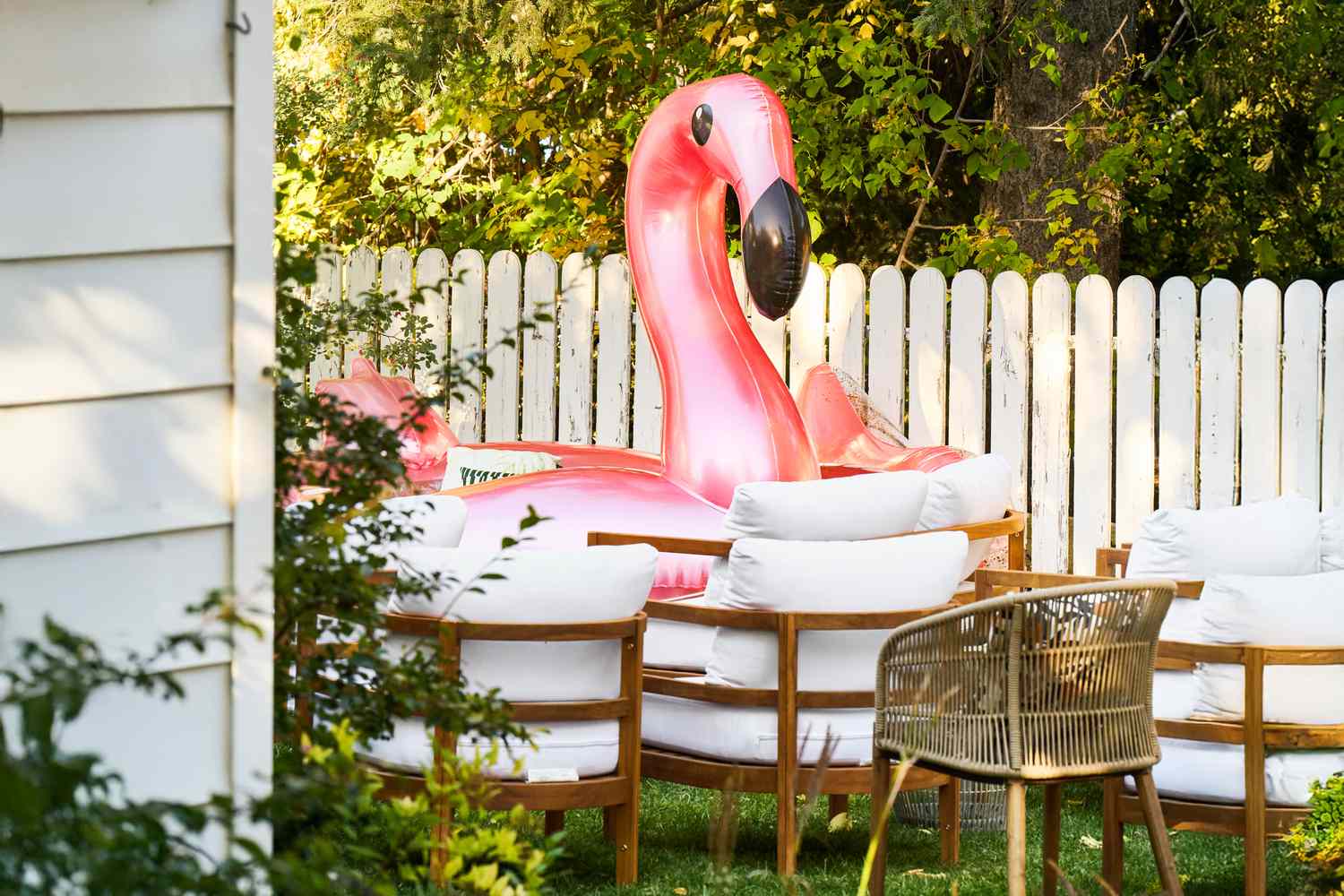
3) Unusual Decor Choices (Yes, We’re Talking About the “Statement Flamingo”)
Personal style is great. But some front-yard decor choices can be so loud they drown out the home itself. Real estate folks often warn against anything that feels polarizing, overly niche, or confusingly intense.
Why it hurts curb appeal
Curb appeal works best when it’s broadly welcoming. If your yard decor makes people pause and think, “Wait, what am I looking at?” you’ve shifted from “inviting” to “museum exhibit (unclear theme).”
What to do instead
- Pick one focal point. A simple planter pair, a clean door wreath, or a single sculptural item can look intentional.
- Choose classic materials. Real wood, metal, stone, or ceramic tends to age better visually than faded plastic.
- Match the home’s vibe. A sleek modern house usually looks best with minimal, architectural plantings. A cottage-style home can handle more whimsyjust keep it curated.
Specific example
Three tasteful planters in a consistent color palette reads “designed.” A collection of ten mini-statues, five signs, and a novelty mailbox reads “yard sale meets scavenger hunt.”
4) Holiday Decorations That Never Leave (The “It’s Always December Somewhere” Problem)
Seasonal decor can be charminguntil it becomes permanent. Out-of-season inflatables, faded lights, and a wreath that’s seen three summers can make the exterior feel neglected instead of festive.
Why it hurts curb appeal
Old holiday decor often looks weathered fast. When it stays up too long, it starts to read as “I don’t notice details,” which is the opposite of what you want your home to communicate.
What to do instead
- Create a quick swap system. Use one hook for wreaths and one storage bin for decor so it’s easy to rotate.
- Go seasonal, not holiday-specific. Think: a simple evergreen arrangement in winter, bright potted blooms in spring, and a natural doormat refresh year-round.
- Set a calendar reminder. Take down holiday items within a week or two of the season ending.
Specific example
A neutral wreath with greenery and a ribbon can work for multiple months. A deflated inflatable reindeer in March is… a cry for help.
5) Noisy “Features” Like Wind Chimes (Cute to You, Chaos to Everyone Else)
Wind chimes are one of those things that feel soothing in theory. In reality, they can become the soundtrack to your neighbor’s Zoom meetingor their Saturday napor their “I swear I’m calm” era.
Why it hurts curb appeal
Curb appeal isn’t just visual; it’s the overall impression of the property. If your front yard announces itself audibly every time a breeze shows up, that can be irritating, especially in close neighborhoods.
What to do instead
- If you love chimes, scale down. Smaller, softer chimes tend to be less disruptive.
- Move them to the backyard. Keep the front entry calm and broadly pleasant.
- Use “quiet charm.” A pretty porch light, a clean doormat, or fresh planters create the same welcoming mood without the accidental concert.
Specific example
A single, subtle chime near a back patio can feel peaceful. Multiple large chimes at the front door can feel like the house is yelling.
6) General Lack of Maintenance (The Small Stuff That Screams Loudest)
Chipped paint. Dead plants. Cracked steps. A stained walkway. A mailbox that looks like it’s been through emotional warfare. These details matter because they’re immediate signals of upkeep.
Why it hurts curb appeal
People judge condition quickly. When small exterior problems pile up, they can make visitors wonder what bigger problems might be hiding inside. Even if everything indoors is perfect, the outside sets expectations first.
What to do instead
- Fix the “high-visibility five”: front door, house numbers, porch light, mailbox, and walkway.
- Refresh the beds. Clean edges + a neat layer of mulch can make landscaping look instantly cared for.
- Get the lawn right (not perfect). Avoid cutting grass too short; it stresses turf and can make it look patchy. A healthier mowing height tends to look fuller and greener.
- Clean first, upgrade second. Pressure washing or a good scrub can make concrete, siding, and steps look dramatically better before you spend money.
Specific example
If your house numbers are faded or hidden by a shrub, replace them or move them. It’s a tiny change that improves both curb appeal and basic “help people find your house” functionalitydelivery drivers will practically write you a thank-you note in spirit.
A Quick “Weekend Curb Appeal Rescue” Plan
If you want maximum impact without turning your life into a landscaping reality show, do this in order:
- Declutter: Remove everything that doesn’t belong in the front display zone.
- Clean: Sweep, pull weeds, and wash the walkway/steps. Wipe down the front door.
- Trim: Prune overgrown shrubs, especially anything blocking windows or paths.
- Define edges: Crisp bed edges make a yard look professionally maintained.
- Refresh one focal point: New house numbers, a modern porch light, or two matching planters.
- Make it welcoming: A clean mat, working doorbell, and visible entry lighting.
This approach works because it tackles perception first. Most curb appeal wins come from order, cleanliness, and clear design cuesnot from buying a rare shrub that costs as much as a used laptop.
of “Been There” Experiences (The Real-Life Moments Curb Appeal Creates)
Here’s the funny thing about curb appeal: you don’t really notice it when it’s good. It’s like background music in a nice restaurantpleasant, supportive, and quietly doing its job. You notice it when it’s bad, though. You notice it when you’re walking up to your own front door with groceries and you have to sidestep a wobbly planter like you’re playing sidewalk Tetris. You notice it when the walkway is scattered with little bits of yard clutter that somehow multiply overnight (where do the rogue soccer cones even come from?). And you definitely notice it the first time a guest hesitates at the curb because the front entry doesn’t clearly say, “Welcome, come this way.” It says, “Good luck, choose a path and hope for the best.”
Homeowners who tackle these six mistakes often describe the same sequence of emotions. First, mild denial: “It’s not that bad.” Then, the curb-selfie reality check: “Oh. It is that bad.” Then the surprisingly satisfying partdecluttering the front yard. The moment you clear out the random items and the yard stops looking like a storage unit with grass, you feel an immediate shift. The house looks bigger. The space feels calmer. You can suddenly see the shape of your garden beds again. It’s like taking off smudged glasses and realizing the world has been high-definition the whole time.
Next comes the trimming stagewhere you discover your shrubs have been quietly auditioning to become small trees. Cutting them back can feel dramatic, like you’re exposing your home after it’s been hiding behind bangs. But once the windows and the front door are visible, the house looks more open and friendly. People often say, “I didn’t realize how dark the porch felt until it didn’t.” That’s curb appeal at work: it changes the mood before anyone even touches the doorknob.
The “maintenance details” stage is where curb appeal turns from good to great. You swap a flickering porch bulb, tighten a loose handrail, repaint a chipped spot, and suddenly the entry feels cared for. It’s not just cosmeticit’s confidence. Visitors feel it. Delivery people move faster. Even you feel better walking up to your own home, because the front yard isn’t silently nagging you with unfinished tasks.
And then there’s the moment that always surprises people: the neighbor effect. When your yard looks tidy and welcoming, the street feels nicer. Compliments happen. Conversations start. It’s not magicit’s just the psychology of first impressions. Your front yard becomes a friendly signal to the world: “Someone lives here who pays attention.” And that’s exactly what curb appeal is supposed to communicate.