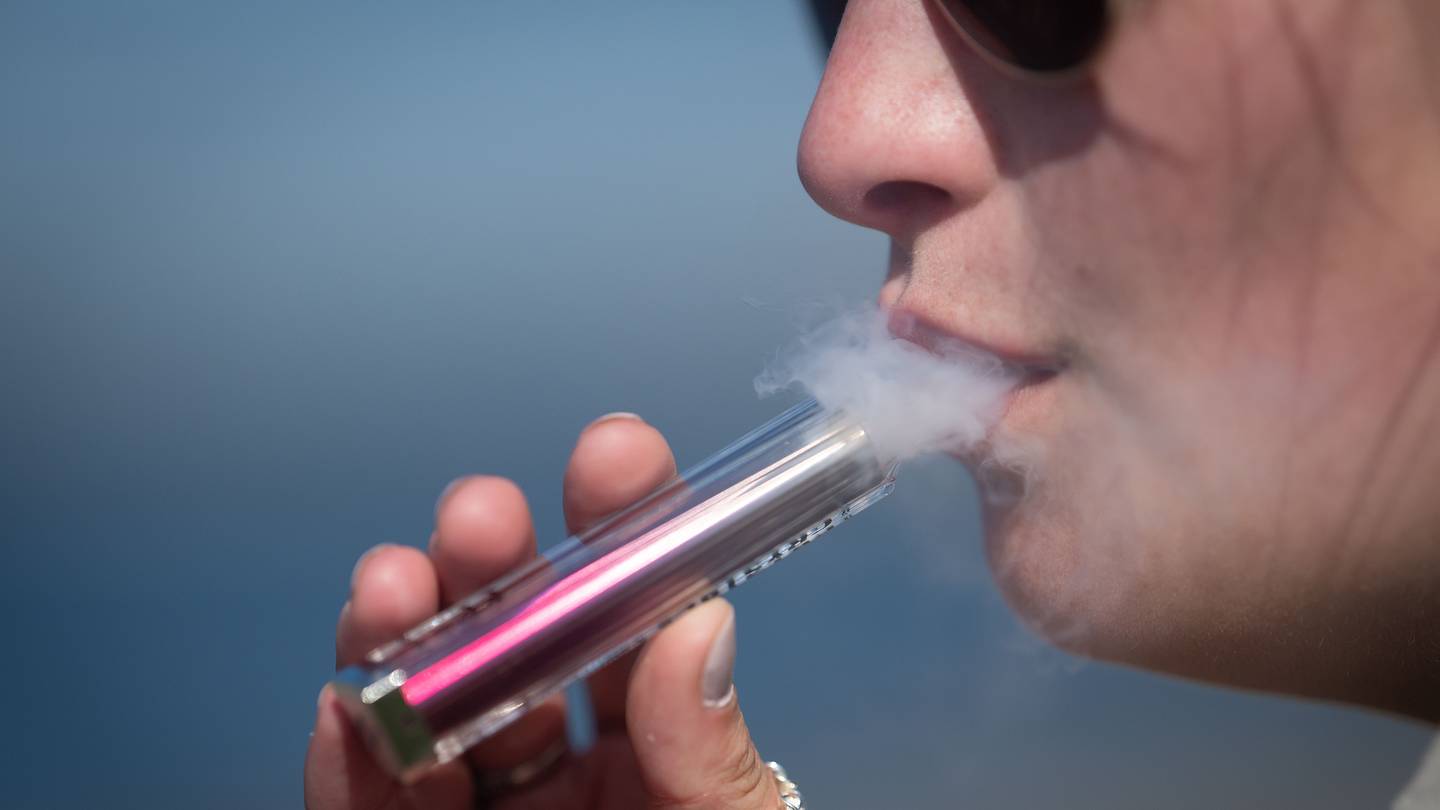

E-cigarettes may look small enough to disappear into a junk drawer, a glove box, or the mysterious “I’ll deal with it later” bowl near the front door. But when it is time to throw them away, vapes are not ordinary trash. A used e-cigarette can contain three things waste systems dislike very much: nicotine residue, lithium-ion batteries, and electronic parts. In other words, that tiny device is part chemical waste, part fire risk, and part e-waste. Quite the résumé for something that fits in your pocket.
Safely disposing of e-cigarettes matters because the wrong move can create real problems. Tossing a vape into curbside recycling can expose workers to nicotine residue and increase the risk of battery fires inside trucks or sorting facilities. Throwing it in the household trash can send lithium batteries, plastics, metals, and leftover liquid into landfills. Pouring e-liquid down the drain is also a bad idea because nicotine can harm aquatic life and contaminate waterways.
The good news is that safe vape disposal is not complicated once you know the rules. The right approach is simple: treat e-cigarettes as household hazardous waste, separate removable batteries when the product allows it, keep nicotine liquids sealed, and use approved collection programs. This guide explains exactly how to dispose of e-cigarettes, disposable vapes, pods, cartridges, batteries, and e-liquid the responsible way.
Why E-Cigarettes Should Not Go in Regular Trash
The most important rule is this: do not put e-cigarettes, vape pens, disposable vapes, pods with liquid, or loose vape batteries in your regular household trash or curbside recycling bin. That may feel dramatic, but waste workers have seen what damaged lithium batteries can do. When crushed in a garbage truck or recycling facility, lithium-ion batteries can short-circuit, overheat, smoke, or ignite. No one wants a trash truck to become a rolling campfire.
Many e-cigarettes also contain leftover nicotine, even when they seem empty. Nicotine is not just “flavored mist juice.” It is a toxic chemical that can be absorbed through the skin, swallowed accidentally, or leak into soil and water. Used cartridges, pods, and disposable devices may still hold enough residue to be hazardous, especially around children and pets.
Finally, e-cigarettes are electronic devices. They may contain plastic, wires, circuit boards, metal coils, and rechargeable batteries. Standard recycling programs are usually not designed to safely break down nicotine-contaminated electronics. That is why the best destination is usually a household hazardous waste facility, an approved battery recycling site, or a special vape take-back program.
What Is Inside an E-Cigarette?
To dispose of e-cigarettes safely, it helps to understand what you are dealing with. Most devices include a battery, a heating element, a cartridge or tank, a mouthpiece, and e-liquid. Disposable vapes combine all these parts into one sealed unit, which makes them convenient to buy but difficult to recycle.
Lithium-Ion Batteries
Many vape pens and disposable e-cigarettes use small lithium-ion batteries. These batteries are powerful, rechargeable, and common in electronics, but they should be handled carefully at the end of their life. Batteries can become dangerous when damaged, punctured, crushed, exposed to heat, or stored loosely with metal objects such as coins or keys.
Nicotine E-Liquid
E-liquid may contain nicotine, flavoring chemicals, propylene glycol, vegetable glycerin, and other ingredients. Even a pod that looks empty may still contain residue. Liquid nicotine can be poisonous if swallowed, touched, or splashed into the eyes. This is why leftover e-liquid should never be poured into a sink, toilet, storm drain, or yard.
Plastic, Metal, and Electronic Waste
E-cigarettes also contain plastics and small metal components. In disposable devices, these parts are glued or sealed together, making them nearly impossible for a household user to separate safely. Trying to pry open a disposable vape may puncture the battery or expose you to nicotine residue. That is not recycling; that is turning your kitchen counter into a tiny hazardous-waste lab.
The Safest Way to Dispose of E-Cigarettes
The best disposal method depends on the type of device. A refillable vape with a removable battery is different from a sealed disposable vape. However, the safe disposal process usually follows the same basic steps.
Step 1: Do Not Throw It in the Trash or Recycling Bin
Start by keeping the device out of regular trash and curbside recycling. This applies to disposable vapes, vape pens, cartridges, pods, tanks, and batteries. Curbside recycling programs generally do not want lithium batteries or nicotine-contaminated products mixed with paper, cans, and bottles.
Step 2: Check Whether the Battery Is Removable
If the device has a removable battery, carefully remove it according to the manufacturer’s instructions. Do not force it. Do not use tools to rip open a sealed disposable vape. If the battery is not designed to come out, treat the entire device as hazardous waste.
Step 3: Protect Removable Battery Terminals
If you remove a lithium-ion battery, tape the terminals with non-conductive tape or place the battery in its own clear plastic bag. This helps prevent short circuits during storage and transport. Keep batteries away from metal objects, heat, moisture, and direct sunlight.
Step 4: Keep Pods, Cartridges, and E-Liquid Sealed
Do not rinse cartridges. Do not dump e-liquid. Do not squeeze leftover liquid into a napkin and call it a day. Keep pods, cartridges, and bottles sealed. If anything leaks, place it in a sealable plastic bag, wear disposable gloves if needed, and wash your hands afterward.
Step 5: Take It to a Household Hazardous Waste Site
Your local household hazardous waste facility is usually the safest place to bring used e-cigarettes and nicotine-containing vape waste. Many cities and counties offer permanent drop-off locations, seasonal collection events, or appointment-based disposal programs. Search your city or county website for “household hazardous waste,” “vape disposal,” “battery recycling,” or “e-cigarette disposal.”
How to Dispose of Different Vape Products
| Product Type | Safe Disposal Method | What Not to Do |
|---|---|---|
| Disposable e-cigarettes | Bring the whole device to a household hazardous waste facility or approved collection event. | Do not pry it open, crush it, trash it, or recycle it curbside. |
| Rechargeable vape pens | Remove the battery only if designed to be removed; recycle the battery through an approved program and take nicotine parts to hazardous waste. | Do not leave loose batteries in drawers or bags with metal items. |
| Pods and cartridges | Keep sealed and take to household hazardous waste, especially if they contain nicotine residue. | Do not rinse, drain, or toss them into regular recycling. |
| Bottled e-liquid | Keep the cap tight and bring it to a hazardous waste collection site. | Do not pour it into sinks, toilets, storm drains, or soil. |
| Loose lithium-ion batteries | Tape terminals or bag separately, then bring to a battery recycling location or hazardous waste site. | Do not place in household garbage or curbside recycling. |
Can You Recycle E-Cigarettes?
Sometimes, but not in the way most people imagine. You generally cannot place e-cigarettes in curbside recycling because they combine battery waste, plastic, metal, electronics, and nicotine residue. A regular recycling facility is built to sort common materials, not handle toxic liquid residue or battery fire hazards.
Some battery recycling programs may accept removable vape batteries, but they may not accept the full device or nicotine-contaminated cartridges. Some retailers, manufacturers, schools, or public health programs may offer special take-back bins for vapes. Rules vary widely, so always check before dropping off devices. When in doubt, choose household hazardous waste over curbside recycling.
If you are using a refillable device, proper separation helps. The battery may go to a battery recycling program, while pods, tanks, and e-liquid should go to hazardous waste. If you are using a sealed disposable vape, the whole device usually needs to be handled as hazardous waste because the battery and liquid cannot be safely separated at home.
How to Store Used E-Cigarettes Before Disposal
You may not be able to drive to a hazardous waste facility the same day your device dies. That is fine. Store used e-cigarettes safely until you can dispose of them properly.
- Keep used vapes in a cool, dry place away from heat and direct sunlight.
- Store devices out of reach of children and pets.
- Keep leaking cartridges or bottles in a sealed plastic bag.
- Do not store loose batteries in metal containers.
- Do not crush, puncture, or dismantle sealed disposable vapes.
- Label your storage container so no one mistakes old devices for usable products.
A small plastic container with a lid can work well for temporary storage. Think of it as a waiting room for hazardous wastenot a permanent retirement home. Once you have several items or your local drop-off date arrives, take them in.
What to Do If E-Liquid Leaks
If e-liquid leaks from a cartridge, pod, or bottle, avoid touching it directly. Nicotine can be absorbed through the skin, and some people may experience irritation or symptoms after exposure. Wear disposable gloves if available, place the leaking item in a sealable plastic bag, and wipe the area with disposable towels. Put those towels in the same sealed bag and bring the waste to a household hazardous waste site.
If liquid nicotine gets on your skin, wash the area with soap and water. If it gets in your eyes, rinse with clean water. If a child or pet swallows e-liquid or chews on a vape device, treat it seriously. Contact Poison Help at 1-800-222-1222 in the United States or seek emergency care if severe symptoms appear.
Why Disposable Vapes Are Especially Hard to Dispose Of
Disposable vapes create a unique waste problem because they are designed for short-term use but contain materials that require careful end-of-life handling. A single disposable vape may hold a lithium battery, plastic housing, a metal coil, a circuit board, and nicotine residue. Once it is empty, the user cannot refill it, recharge it in some cases, or easily remove the battery.
That sealed design makes disposable vapes one of the most frustrating products in the waste stream. They are too hazardous for trash, too complicated for curbside recycling, and too small for many people to take seriously. But scale matters. When millions of small devices are tossed away, the environmental impact becomes large fast.
If you want to reduce vape waste, the most effective choice is to avoid single-use devices whenever possible. For people who use nicotine products, quitting is the healthiest option. For those not ready to quit, choosing products with fewer disposable parts may reduce waste, but safe disposal is still necessary.
Common Mistakes to Avoid
Mistake 1: Tossing Vapes Into the Blue Bin
The recycling bin feels virtuous, but it is not the right place for e-cigarettes. Batteries can ignite, and nicotine residue can contaminate other materials. Good intentions do not make a recycling facility fireproof.
Mistake 2: Opening Disposable Vapes at Home
Online videos may make device disassembly look easy, but sealed disposable vapes are not meant to be opened by consumers. Puncturing the battery or spilling residue can create unnecessary risk.
Mistake 3: Pouring E-Liquid Down the Drain
Nicotine-containing liquid should never go down household drains, storm drains, or toilets. Wastewater systems are not a magic portal where chemicals politely disappear.
Mistake 4: Stockpiling Used Devices Forever
Saving used vapes in a drawer for months or years increases the chance of leaks, accidental access, or battery damage. Store them safely for a short period, then use a proper collection program.
Special Guidance for Parents, Schools, and Small Businesses
Parents should treat used e-cigarettes the same way they treat medicines, cleaning chemicals, or button batteries: locked away and out of reach. Bright colors and sweet flavors can make vape products attractive to children, and nicotine exposure can be dangerous.
Schools that confiscate e-cigarettes should not throw them in office trash cans. Administrators should create a written storage and disposal policy, use secure containers, train staff, and coordinate with local hazardous waste authorities. Because schools and businesses are not households, they may have different legal responsibilities for hazardous waste disposal.
Small businesses, vape shops, property managers, and event venues should also check local and state regulations. Commercial waste rules are often stricter than household rules. If your organization collects used devices from customers or tenants, do not assume you can drop them off like household waste. Contact your local environmental agency or licensed hazardous waste hauler for guidance.
A Simple Checklist for Safe Vape Disposal
- Identify the device: disposable, rechargeable, pod-based, cartridge-based, or bottled e-liquid.
- Do not place it in household trash or curbside recycling.
- Remove batteries only if the product is designed for safe battery removal.
- Tape removable battery terminals or place batteries in separate plastic bags.
- Keep nicotine liquids, pods, and cartridges sealed.
- Store used items away from children, pets, heat, and moisture.
- Use a household hazardous waste facility, approved battery recycling site, or special vape take-back program.
- Check your city, county, or state waste website for local rules.
Real-Life Experience: What Safe E-Cigarette Disposal Looks Like
In real life, safely disposing of e-cigarettes is rarely a glamorous Saturday activity. Nobody wakes up thinking, “Wonderful, today I shall manage nicotine-contaminated electronic waste.” But once you build a routine, it becomes as normal as recycling cardboard or returning used motor oil.
Imagine a household where two people have collected a handful of used disposable vapes, a few empty pods, and one old rechargeable device. At first, everything lands in a kitchen drawer next to rubber bands, takeout menus, and one lonely birthday candle. That drawer quickly becomes a problem. The devices are loose, one pod smells faintly sweet, and no one remembers which batteries are dead. The safe fix is simple: move everything into a clearly labeled plastic container with a lid. The container goes on a high shelf, away from kids, pets, sunlight, and heat.
Next, they check the city waste website. The local recycling page says batteries and e-cigarettes are not accepted in curbside bins. The household hazardous waste facility accepts vape devices on certain days by appointment. The rechargeable vape has a removable battery, so they remove it carefully, tape the battery terminals, and place the battery in a separate clear bag. The pods and disposable vapes stay sealed. Nothing gets rinsed. Nothing gets cracked open with pliers. The pliers remain retired, which is best for everyone.
At drop-off, the staff asks what is inside the container. The answer is clear: used e-cigarettes, vape pods, one removable lithium-ion battery, and old e-liquid. That clarity matters. Waste workers can direct items to the right handling process only when they know what they are receiving. A vague “just some electronics” description may not be enough because nicotine residue changes how the waste should be managed.
The biggest lesson from this kind of experience is that disposal is easier when you do not wait until the junk drawer becomes a tiny vape museum. Keep one labeled container, store items safely, and plan a drop-off once or twice a yearor sooner if something leaks or your local program has a scheduled collection event. For apartments, dorms, schools, or offices, a shared policy helps even more. A secure collection box, clear signage, and a designated disposal contact can prevent devices from ending up in bathrooms, parking lots, or regular trash.
Another practical tip: take a photo of your local hazardous waste schedule or save the page in your phone. Many programs operate by appointment or on limited days, and nothing ruins responsible disposal like arriving at a locked gate with a bag of dead vapes and a heroic but poorly timed sense of civic duty.
Safe disposal may feel like a small action, but it protects sanitation workers, reduces fire risk, keeps nicotine away from children and pets, and prevents unnecessary pollution. The right way is not hard. It just requires treating e-cigarettes like what they are: small devices with big disposal responsibilities.
Conclusion
The right way to safely dispose of e-cigarettes is to keep them out of household trash, keep them out of curbside recycling, and bring them to a household hazardous waste program or approved collection site. Removable lithium-ion batteries should be protected and recycled properly. Nicotine liquids, cartridges, and pods should stay sealed and never be poured down the drain. Disposable vapes should not be opened, crushed, or tossed away casually.
E-cigarettes may be small, but they carry serious disposal concerns: toxic nicotine residue, fire-prone batteries, plastic waste, and electronic components. Treating them responsibly is a simple way to protect your home, your local waste workers, and the environment. The best habit is straightforward: store used devices safely, check local rules, and drop them off through the right program. Your trash can will survive without them.
Note: Disposal rules vary by city, county, and state. Always confirm local household hazardous waste and battery recycling requirements before transporting used e-cigarettes, vape batteries, cartridges, pods, or e-liquid.