
Kitchen countertops are the hardest-working “furniture” you own. They’re your chopping station, your coffee bar, your homework desk, your holiday buffet, andif you have kidsyour unofficial science lab. So picking the right countertop material isn’t just a design decision; it’s a lifestyle decision.
The good news: there are more great kitchen countertop materials than ever. The bad news: every option has at least one “gotcha” that will absolutely show up at the worst possible moment (usually when guests are watching you cook). This guide breaks down the most common countertop materialswhat they’re great at, what they’re terrible at, and who they’re best forso you can choose with your eyes wide open and your wallet only mildly panicked.
Quick Reality Check: What “Good” Countertops Actually Need to Do
Before we get into the lineup, decide what matters most in your kitchen. Most countertop regret comes from choosing a material for looks, then living a life that doesn’t match it.
- Stain resistance: Wine, coffee, curry, tomato sauce, and the mysterious purple thing your kid “found.”
- Heat tolerance: If you regularly move hot pans like you’re in a cooking competition, this matters.
- Scratch and chip resistance: Especially near sinks, edges, and high-traffic prep zones.
- Maintenance level: “Wipe and go” vs. “reseal, re-oil, and say a small prayer.”
- Budget and installation: Material cost is only half the story; fabrication and labor can change everything.
- Resale and timelessness: Some surfaces age beautifully; others age like a banana on a radiator.
At-a-Glance Cheat Sheet
| Material | Best For | Biggest “Watch Out” |
|---|---|---|
| Quartz (Engineered) | Busy kitchens, low maintenance | Not a fan of direct heat |
| Granite | Natural stone lovers, heat tolerance | Needs periodic sealing |
| Marble | Classic luxury, bakers | Etches easily with acids |
| Quartzite | Natural “marble look” with strength | Poroussealing is part of the deal |
| Soapstone | Warm, soft-matte vibe; serious cooks | Scratches/patina are inevitable |
| Porcelain Slab | Heat + stain resistance, modern looks | Can crack/chip if mishandled during install |
| Solid Surface | Seamless look, repairability | Heat and scratches can be an issue |
| Laminate | Budget remodels, rentals | Heat damage and water at seams |
| Butcher Block/Wood | Warm aesthetics, islands | Water + maintenance needs |
| Concrete | Custom statement counters | Sealing, staining, and cracking risk |
| Stainless Steel | Ultra-hygienic, pro-kitchen vibe | Dents, scratches, fingerprints |
| Tile | DIYers, vintage style lovers | Grout maintenance and uneven surface |
| Recycled Glass | Eco-forward design, unique sparkle | Cost and repair complexity |
The Pros and Cons of the Most Common Countertop Materials
1) Quartz Countertops (Engineered Stone)
Quartz is the “set it and forget it” favorite for a reason. It’s engineered from stone particles and resins, which means you get consistent patterns, lots of color options, and a surface that shrugs off everyday messes.
- Pros: Non-porous (great stain resistance), easy cleaning, no sealing, huge design range, strong day-to-day durability.
- Cons: Heat can damage it (those resins don’t love hot pans), some cheaper versions may discolor over time, and it won’t give you the “natural stone surprise” look.
- Best for: Busy households, frequent entertaining, and anyone who wants a clean, consistent look with minimal upkeep.
2) Granite Countertops (Natural Stone)
Granite is the classic natural-stone choice: tough, heat-friendly, and full of one-of-a-kind movement. It’s also the material that makes people say, “This kitchen has good bones,” even if your pantry is basically chaos.
- Pros: Strong heat resistance, excellent scratch resistance, unique natural patterns, long-lasting.
- Cons: Needs periodic sealing, can chip on edges if hit hard, pattern variation makes “matching” tricky in large kitchens.
- Best for: People who cook a lot and want real stoneplus homeowners who don’t mind occasional maintenance.
3) Marble Countertops (Natural Stone)
Marble is gorgeous. Marble is timeless. Marble is also that beautiful friend who refuses to wear a coat in winter and then complains about being cold. In kitchens, it demands attention and careespecially around acids.
- Pros: Iconic, high-end look; naturally cool surface (amazing for baking); develops a soft patina that some people love.
- Cons: Prone to etching from acidic foods (lemon, vinegar, tomato); can stain and scratch; often higher maintenance and cost.
- Best for: Bakers, design-forward kitchens, and homeowners who consider a little patina “character,” not “damage.”
4) Quartzite Countertops (Natural Stone)
Quartzite is often chosen by people who want the drama of marble veining with more muscle. It’s a natural stone and tends to be very hard, but it’s not immune to spillsespecially if you skip sealing.
- Pros: Natural, often marble-like appearance; strong scratch resistance; generally handles heat better than engineered surfaces.
- Cons: Typically needs sealing; can stain if spills sit; may etch depending on the slab’s composition; can be pricey and sometimes confused with quartz.
- Best for: People who want natural stone beauty and can commit to basic stone care.
5) Soapstone Countertops (Natural Stone)
Soapstone has a smooth, soft-matte look that feels quietly expensive. It’s known for strong heat resistance and a low-fuss relationship with stainsthen it turns around and scratches like it’s keeping a diary of your cooking life.
- Pros: Non-porous (great stain resistance), very heat resistant, naturally antimicrobial qualities, no sealing required.
- Cons: Softer stonescratches and small dings happen; color palette is limited; many owners oil it to deepen color, and that “even look” can require upkeep.
- Best for: Serious cooks, people who love a lived-in patina, and kitchens aiming for warm, understated elegance.
6) Porcelain Slab Countertops
Porcelain slabs are having a moment because they combine a lot of what homeowners want: high durability, strong heat and stain resistance, and the ability to mimic natural stone patterns. The main downside is that fabrication and installation require real expertise.
- Pros: Non-porous and very stain resistant, highly heat resistant, scratch resistant, can mimic marble/stone looks, great for modern kitchens.
- Cons: Thin slabs can chip or crack if mishandled; edges and seams need a skilled fabricator; fewer installer options in some areas.
- Best for: Homeowners who want a sleek, durable surface and are willing to pay for professional fabrication/installation.
7) Solid Surface Countertops (Corian and Similar)
Solid surface is the “smooth operator” of countertops: it can look seamless, integrate sinks beautifully, and can be repaired when life happens. It’s not the top pick for heat or scratch resistance, but it wins on fixability.
- Pros: Seamless appearance, easy cleaning, repairable (many scratches can be buffed or sanded), wide color range, often mid-range pricing.
- Cons: Can scratch more easily than stone; heat can scorch; may not boost resale value like premium stone options.
- Best for: Minimalist kitchens, households that value repairability, and anyone who wants a clean look without stone maintenance.
8) Laminate Countertops
Laminate used to scream “starter apartment,” but modern versions can convincingly imitate stone and wood. It’s budget-friendly and DIY-friendlyjust don’t treat it like a heat-proof cutting board.
- Pros: Affordable, lots of styles, easy to clean, lighter weight, often easier installation.
- Cons: Can scorch/burn, can chip at edges, and water that sneaks into seams can cause swelling or failure over time.
- Best for: Budget remodels, rentals, and homeowners who want a fast refresh with predictable costs.
9) Butcher Block and Wood Countertops
Wood counters bring instant warmthlike your kitchen got a hug. They’re also forgiving in one way (you can refinish) and demanding in another (water and neglect will not be ignored).
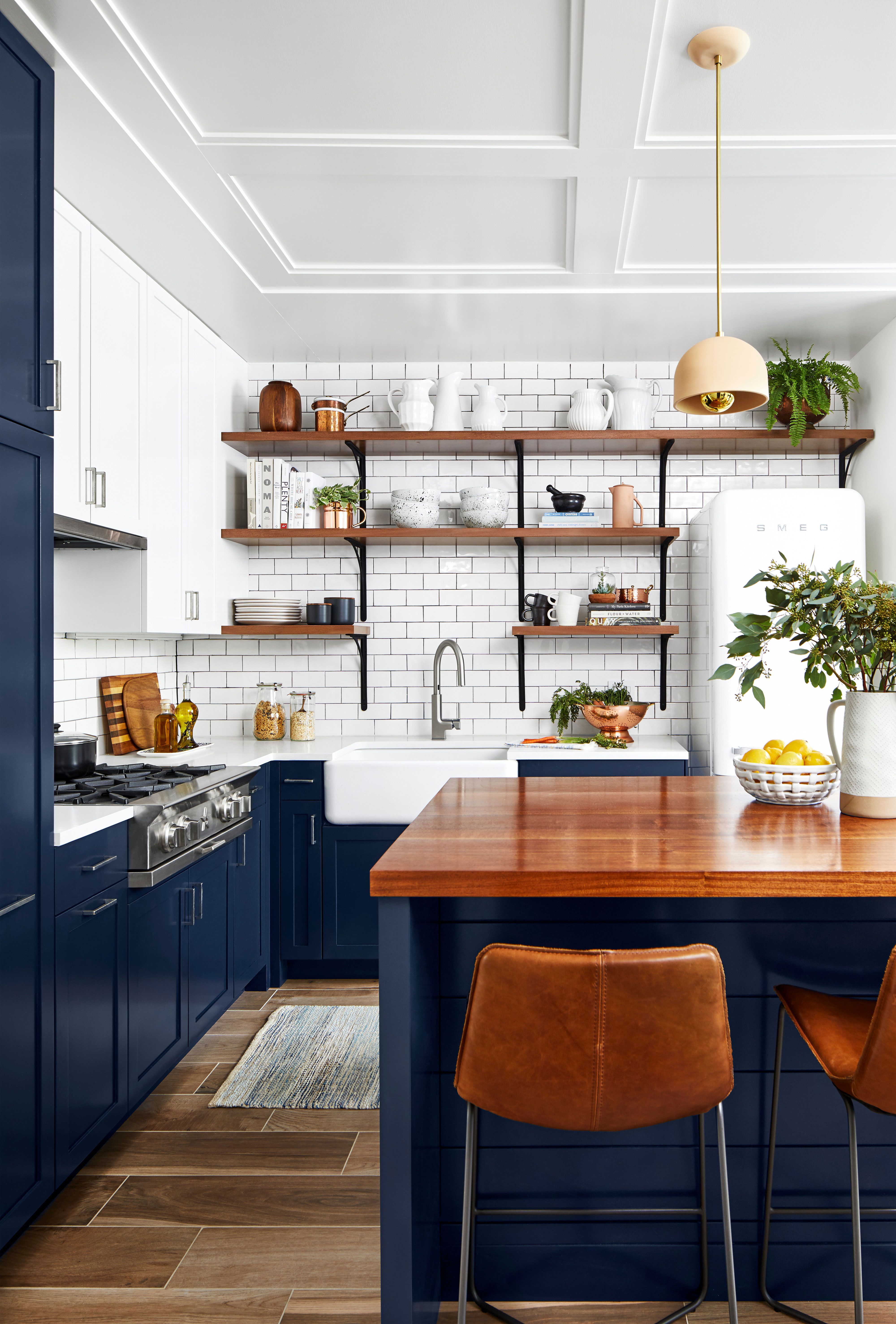
- Pros: Warm, natural look; quieter under dishes; can be sanded/refinished; great for islands; can be a more sustainable choice depending on sourcing.
- Cons: Needs oiling/sealing; susceptible to water damage, swelling, and warping; scratches and dents happen; not ideal near sinks/dishwashers unless you’re diligent.
- Best for: Islands and prep zones, homeowners who like hands-on maintenance, and kitchens aiming for cozy character.
10) Concrete Countertops
Concrete is the custom, architectural option: shape it how you want, tint it, texture it, and make your kitchen look like it belongs in a design magazine. Then seal it. Then reseal it. Then accept that it may crack a little anyway.
- Pros: Highly customizable, modern look, can be cast to fit unusual layouts, can include embedded materials, unique character.
- Cons: Heavy, can crack, can stain even when sealed, maintenance often includes sealing/waxing, and labor can be expensive.
- Best for: Statement kitchens, design-forward remodels, and homeowners who don’t mind ongoing upkeep.
11) Stainless Steel Countertops
Stainless steel is the pro-kitchen classic: hygienic, heat-ready, and easy to disinfect. It also records fingerprints like it’s collecting evidence for a true-crime podcast.
- Pros: Heat resistant, water resistant, very sanitary, easy to clean, great with integrated sinks, sleek modern vibe.
- Cons: Scratches and dents are common, fingerprints show, can be noisy, typically custom fabrication (often higher cost).
- Best for: Serious cooks, modern/industrial kitchens, and anyone prioritizing hygiene and heat tolerance.
12) Tile Countertops (Ceramic/Porcelain Tile)
Tile counters can be charming and affordable, especially in vintage or Southwestern styles. The tiles themselves can be toughgrout lines are the real drama.
- Pros: Heat and water resistant (especially glazed tile), lots of color/style options, DIY-friendly, easy to replace individual damaged tiles.
- Cons: Grout can stain and needs sealing/cleaning; uneven surface can be annoying for rolling dough; tiles can chip and edges can snag.
- Best for: DIY remodels, vintage aesthetics, and homeowners who don’t mind grout maintenance.
13) Recycled Glass Countertops
Recycled glass countertops can look like a galaxy trapped under your dinner prep. They’re eco-forward, eye-catching, and often non-porousjust know that repairs and cracking risk can be part of the package.
- Pros: Sustainable story, unique appearance, generally easy to wipe clean, great “wow factor.”
- Cons: Often pricey, can chip/crack, repairs can be difficult, and availability varies by region.
- Best for: Homeowners who want a distinctive look and care about sustainabilityand who are okay paying for specialty materials.
How to Choose the Best Kitchen Countertop Material (Without Losing Your Mind)
Use these questions to narrow down what fits your real life (not your fantasy life where you wipe every spill within three seconds and never set down a hot pan).
- How do you actually cook? High-heat cooking points toward granite, soapstone, stainless, or porcelain.
- How much maintenance will you truly do? If the answer is “Please don’t judge me,” lean quartz, porcelain, or laminate.
- Do you want natural variation or perfect consistency? Natural stone varies; engineered surfaces can be more uniform.
- How hard is your household on surfaces? Kids, roommates, or frequent entertaining? Prioritize stain resistance and durability.
- Where is the countertop going? Islands can handle wood; sink runs punish wood and tile grout.
- What’s your edge profile and sink plan? Undermount sinks and fancy edges may limit some materials (especially thin slabs).
- What’s your “regret tolerance”? Some people love patina (soapstone, marble). Others want “looks new forever.”
Common Countertop Mistakes (AKA How Regret Is Manufactured)
- Assuming sealing makes stone invincible: Sealing helps, but it’s not a force field.
- Believing all “stone-look” materials behave like stone: Quartz can look like marble, but it doesn’t react like marbleand it doesn’t handle heat like granite.
- Underestimating edges and seams: Chips and swelling often start at weak points, not in the middle of the slab.
- Choosing tile without a grout plan: If you hate scrubbing, grout is not your soulmate.
- Going trendy over practical: Trends are fun. Replacing countertops is less fun.
Real-World Experiences: What You Notice After the Honeymoon Phase (Extra 500+ Words)
If you’ve ever watched a renovation reveal and thought, “Wow, that countertop is perfect,” you’re not wrong. You’re just early. The real test begins somewhere around week threewhen someone sets down a hot pan out of habit, or a red-wine spill happens during a party, or you discover that your new “statement” surface now requires a specialized cleaning routine and a small emotional support candle.
One of the biggest surprises homeowners report is how quickly maintenance fatigue sets in. Materials like marble and concrete are stunning, but the daily mental load is real: “Did I wipe that lemon juice?” “Was that cleaner safe?” “Is that a stain or just my reflection judging me?” If you’re the type who loves a ritualwiping, oiling, sealing, admiring the glowthese materials can feel satisfying. If you’re the type who wants to cook and move on with life, low-maintenance winners like quartz, porcelain, and even modern laminate can feel like freedom.
Then there’s the heat reality. Many people assume “stone-look” automatically equals “hot-pan-proof.” Not always. Quartz is famous for being easy to live with, but it’s also famous for being the surface that quietly punishes you for skipping a trivet. Meanwhile, granite, soapstone, stainless steel, and porcelain generally tolerate heat betterthough “tolerate” is still not the same as “invite you to treat it like a cast-iron landing pad.” Real-life kitchens move fast, and the best setup is the one that forgives a moment of distraction.
Another common experience: edges are where drama happens. You can baby the center of your countertop and still end up with a chip near the sink or the dishwasher cornerwhere heavy pots get bumped, plates get stacked, and life gets lived. If your household is rough on surfaces, consider choosing a slightly eased edge profile and a material known for durability. And if you’re picking a thin, modern slab style, make sure the fabricator has a great reputationthin and sleek can be amazing, but it’s less forgiving during installation and heavy use.
Homeowners also discover that “character” is either charming or infuriating, depending on personality. Soapstone darkens and develops a patina. Butcher block picks up knife marks. Marble etches. For some people, those marks tell a storylike a well-loved leather jacket. For others, one visible scratch feels like a personal insult. Neither reaction is wrong. The key is to pick the surface that matches your emotional tolerance for imperfections. If you want a countertop that looks nearly the same on day 1,000 as on day 1, surfaces like quartz and porcelain tend to satisfy that desire.
Finally, there’s the daily-cleaning truth: the most “beautiful” countertop is the one you can keep clean without hating your life. Tile can be affordable and stylish, but grout maintenance is an everyday relationship. Stainless steel is hygienic and tough, but it shows fingerprints and scratches, which means your counter can look “lived in” even when it’s spotless. Laminate can be surprisingly practical, but it demands respect around heat and standing water. And wood? Wood asks for a little loveoil, wipe, repeatwhile paying you back in warmth and charm.
In other words: the best kitchen countertop material isn’t the fanciest one. It’s the one that fits how you cook, clean, and livewithout turning your kitchen into a museum exhibit where everyone’s afraid to touch anything.
Conclusion: Pick the Countertop That Matches Your Life
The pros and cons of common kitchen countertop materials boil down to trade-offs. Quartz and porcelain win for low-maintenance durability. Granite and quartzite deliver natural beauty with some sealing responsibility. Marble is the style icon that demands careful handling. Wood brings warmth but needs protection from water. Concrete and stainless steel are bold, functional statementseach with its own quirks. Tile and laminate can be budget heroes if you accept their limitations.
If you want one simple rule: choose the material you’ll still like when you’re tired, hungry, and cleaning up at 10 p.m. That’s when countertops reveal who they really are.