
Somewhere between “I’ll just put a few lights up” and “why do I own three extension cords that look identical,”
every holiday decorator runs into the big question: should I switch to LED Christmas lights or keep
the old-school incandescent strands?
LED holiday lights are now the default in most stores for a reason: they’re efficient, long-lasting, and generally
easier on your electric bill than that nostalgic (but power-hungry) glow of traditional bulbs. Still, LEDs aren’t
magically perfect. Some strands look too cool-toned, some flicker on camera, and cheap sets can die at the exact
moment you finally get the wreath straight.
This guide breaks down the real pros and cons of LED Christmas lights, with practical examples,
buying tips, and a few “learn from my neighbor” momentsso you can decorate smarter and keep your holiday spirit
intact (and your circuit breaker unbothered).
What Are LED Christmas Lights, Exactly?
LED stands for light-emitting diode. Instead of heating a filament (like incandescent bulbs do),
LEDs produce light through a semiconductor. The big takeaway: LEDs make more light per watt and waste far less energy
as heat. That’s why LED Christmas lights typically feel cool to the toucheven after hours of shining.
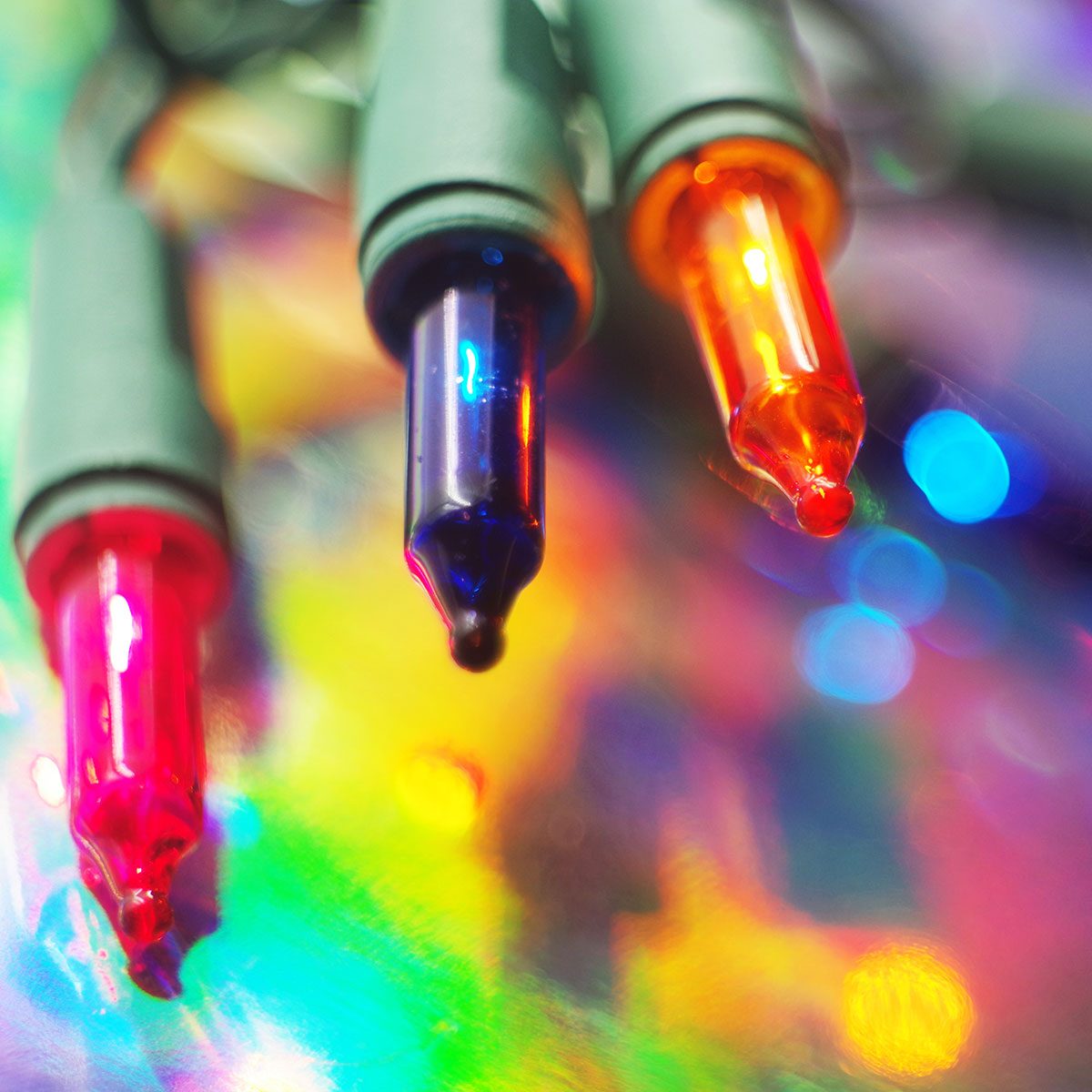
Today’s LED Christmas lights come in all the familiar formatsmini lights, net lights, icicle lights, rope lights,
and the classic big-bulb look (C7 and C9 styles). You’ll also see newer options like app-controlled smart strings,
color-changing “multifunction” sets, and addressable LEDs that can chase patterns like a tiny holiday parade.
The Pros of LED Christmas Lights
1) Big energy savings (your electric bill will thank you)
The headline advantage is efficiency. In many setups, LEDs can use about 75–90% less energy than
comparable incandescent Christmas lights. Translation: you can light up your home without feeling like you’re
sponsoring the local power company’s holiday party.
Example: A 100-count mini incandescent string often uses around 40 watts. A similar LED string might use roughly 4–7 watts.
If you run lights for 6 hours a night for 30 days, that difference can add upespecially if you’re decorating a tree,
roofline, shrubs, and the neighbor’s emotional support inflatable snowman.
2) They last longer (and don’t quit mid-season as often)
LED bulbs are designed to last dramatically longer than incandescent bulbs. While “rated life” depends on the product,
it’s common to see LED holiday lights advertised with multi-thousand-hour lifespans.
Practically, this means fewer dead bulbs and fewer strands that mysteriously stop working right after you’ve zip-tied
them in place. Not zero problemsnothing in life is that kindbut generally fewer.
3) Cooler to the touch = safer around dry trees and curious pets
Because LEDs waste far less energy as heat, they run cooler. That’s a safety plus for:
- Indoor trees (especially real trees that dry out over time)
- Garlands and wreaths (often made from flammable materials)
- Kids and pets who treat decorations like interactive museum exhibits
Cooler operation doesn’t mean “ignore safety.” You still need to use the right cords, avoid pinched wires, and follow
manufacturer limitsbut LEDs reduce the heat-related risks that come with older incandescent strings.
4) More durable bulbs (good news for clumsy storage bins)
Many LED strings use plastic lenses instead of thin glass. That’s helpful when you’re packing up in January, tired,
and pretending you’ll “organize better next year.” Plastic bulbs are less likely to shatter and more likely to survive
the annual storage box chaos.
5) Brighter options and more color variety
LEDs can be very bright and consistent in color. You can choose:
- Warm white (more traditional, candle-like)
- Cool white (crisper, icy look)
- Multicolor (classic or saturated modern palettes)
- Color-changing RGB (one set, many moods)
If you love a specific stylevintage, candy-cane, modern minimal, or “Las Vegas but make it festive”LEDs give you
more control.
6) Better performance in cold weather
Incandescent bulbs can be finicky in freezing conditions, and their heat can cause minor melting issues on snow or
plastic decorations. LEDs generally handle cold temperatures well because they’re not relying on a hot filament.
For outdoor decorators in colder climates, LED Christmas lights are often the more reliable choice.
7) More features: timers, remote controls, and smart-home integrations
Many LED sets now include built-in timers, remote controls, dimming, twinkle modes, music-sync features, and app
control. Want your tree to glow warm white at dinner, then switch to multicolor for movie night? LEDs can do that.
Whether you should is between you and your holiday ambitions.
The Cons of LED Christmas Lights
1) Higher upfront cost
LED Christmas lights typically cost more than incandescent sets at the register. The trade-off is that LEDs often pay
you back through lower energy use and longer lifespan. But if you’re replacing a whole collection at oncetree lights,
outdoor roofline, bushes, yard décorthe initial expense can feel like an unplanned “holiday lighting investment fund.”
2) Color temperature can look “too blue” if you buy the wrong white
Not all “white” LEDs look the same. Some cool-white strands can look harsh or bluish, especially against warm indoor
lighting. If you’re aiming for cozy nostalgia, look for:
- Warm white labeling
- Notes like “soft white” or “classic warm”
- Customer photos (the most honest lighting reviews on earth)
If you mix warm and cool whites on the same tree, the result can look less “holiday glow” and more “accidental
lighting science experiment.”
3) Flicker (especially noticeable on video or with certain dimmers)
Some LED strings can flicker due to their electronics and the way they handle AC power. Many people don’t notice it
in person, but cameras doso your holiday TikTok might look like your tree is trying to send Morse code.
Flicker can be worse if you use incompatible dimmers or certain smart plugs. If dimming matters to you, look for sets
that specifically mention dimmable LED compatibility and consider using controllers recommended by the
manufacturer.
4) More electronics = more complex troubleshooting
Incandescent strings can be annoying to fix, but LED sets sometimes add extra complexity: control boxes, rectifiers,
multi-function modes, and proprietary connectors. When something fails, it can be harder to diagnose than a simple
“one bulb blew, the rest went out” scenario.
Also, some LED sets don’t have easily replaceable bulbs. If a section dies, you might replace the whole strandgreat
for your decorating momentum, not great for your patience.
5) Directional light can look “spotty” if spacing is odd
LEDs can be more directional than incandescent bulbs, which naturally glow in all directions. On some trees or
garlands, this can create a “pinpoint” look rather than an even wash of lightespecially if the strand has wide bulb
spacing.
Fix: choose tighter spacing for fuller coverage, wrap branches a bit more densely, or pick “diffused” lenses that
spread the glow.
6) Cheap LED sets can fail fast (yes, you still get what you pay for)
Not all LED Christmas lights are created equal. Bargain sets may use thinner wire, weaker connections, or lower-grade
controllers. The result can be inconsistent brightness, early failures, or sections that stop working after one rough
season outdoors.
Paying a little more for sturdier constructionespecially for outdoor LED string lightsoften saves money (and
frustration) long term.
7) Environmental trade-offs: energy savings vs. e-waste
LEDs use less energy, which is great. But some LED strings are harder to repair and may end up discarded sooner if
they’re not designed for bulb replacement. The best balance is choosing:
- Higher-quality, longer-lasting strands
- Sets with replaceable fuses and (when possible) replaceable bulbs
- Simple designs over overly complex controllers if you value longevity
LED vs. Incandescent Christmas Lights: A Quick Comparison
| Feature | LED Christmas Lights | Incandescent Christmas Lights |
|---|---|---|
| Energy use | Low (highly efficient) | High (more power-hungry) |
| Heat | Cooler to the touch | Warmer/hotter during long use |
| Lifespan | Typically longer | Typically shorter |
| Look | Wide range; can be very bright | Classic warm glow |
| Upfront cost | Usually higher | Usually lower |
| Troubleshooting | Can be more complex | Often simpler, but still annoying |
How to Choose the Best LED Christmas Lights
Pick the right bulb style (mini, C7, C9, and more)
- Mini lights: Classic for trees, garlands, and indoor décor.
- C7/C9-style LEDs: Bigger “bulb” look for rooflines and outdoor displays.
- Net lights: Fast coverage for bushes (the “I want it done in 10 minutes” option).
- Icicle lights: Great for eaves and porchesinstant winter vibes.
Decide on white tone: warm white vs. cool white
Warm white is usually the safest choice for a cozy, traditional look. Cool white looks crisp and modernawesome on
silver ornaments, snowy themes, and minimalist décor. If you’re unsure, choose warm white indoors and reserve cool
white for outdoor “winter wonderland” setups.
Check indoor/outdoor ratings and safety labels
For outdoor use, look for sets labeled outdoor-rated and follow the manufacturer’s instructions for
maximum connected strands. For safety, choose lights that are tested by recognized labs (often indicated on packaging).
Look at wire color, spacing, and length (small details, big difference)
- Green wire blends into trees and shrubs.
- White wire can disappear on light-colored trim.
- Spacing matters: tighter spacing = fuller coverage.
- Length matters: measure first so you’re not doing the “two strands short” walk of shame back to the store.
Consider timers and smart controls (because you deserve convenience)
A built-in timer or a reliable outdoor timer plug can prevent “oops, we left the lights on all night” moments.
Smart options add scheduling, dimming, and color controlbut they can also add complexity. If your goal is simple,
choose simple.
Safety and Setup Tips (So Your Holiday Doesn’t End With a Tripped Breaker)
- Use outdoor-rated extension cords for outdoor displays.
- Plug outdoor lights into GFCI-protected outlets (common on exterior outlets).
- Don’t overload circuits: spread large displays across outlets if needed.
- Inspect cords for cracks, frays, or pinched insulation before hanging.
- Keep connections off the ground outdoors to reduce moisture exposure.
- Follow the “max connect” limit printed on the packaging or tag.
- Use a surge protector (especially for sets with controllers) if your area is prone to power fluctuations.
So… Are LED Christmas Lights Worth It?
For most homes, yes. The best LED Christmas lights offer meaningful energy savings, stay cooler, and usually last
longer than incandescent setsmaking them a practical upgrade for both indoor trees and outdoor displays.
The trade-offs are real: higher upfront cost, potential flicker on camera, and the occasional “why is this control box
blinking like it knows my secrets?” moment. But if you choose a warm-white tone you like, buy sturdier sets for
outdoors, and keep the setup straightforward, LEDs are typically the easier, safer, and more budget-friendly long game.
Real-World Experiences With LED Christmas Lights (The Extra Stuff You Only Learn by Decorating)
People often talk about LED Christmas lights like they’re a simple swap: buy LEDs, hang LEDs, feel virtuous about
energy efficiency, sip cocoa under a perfectly twinkling tree. In real life, the “experience” part is where LEDs
either become your new holiday best friendor the reason you start decorating exclusively with candles (kidding,
mostly).
One of the most common experiences is the warm white vs. cool white surprise. Many shoppers assume
“white is white,” then plug in a cool-white strand and realize their living room now looks like a dentist’s office
celebrating Christmas. The fix is easypick warm white for cozy spacesbut it’s a classic lesson: always test one
strand before committing to 12 boxes of the same set.
Another real-life LED moment: your phone camera sees things your eyes don’t. Plenty of people love
their LEDs in person, then record a video and notice flicker or banding. If you take lots of holiday photos or run a
small business that films festive content, it’s worth choosing better-quality, flicker-reduced setsor at least
avoiding bargain strings with complicated controllers.
Outdoors, the experience is often about durability and “weather reality”. High-quality outdoor-rated
LED strings can handle cold nights and damp air like champs. But low-quality sets can fail at the worst time:
after the first heavy rain, after a windy night, or exactly five minutes before guests arrive. The hard-won
takeaway many decorators share is: spend a little more for outdoor lights, because the roofline is not the place you
want an emergency troubleshooting session.
Then there’s the experience of how bright LEDs can be. This is usually a complimentuntil it isn’t.
On a tree, super-bright mini LEDs can overpower delicate ornaments or make the room feel harsh. People often end up
preferring diffused lenses, slightly lower brightness, or a dimmable option for indoor use. Outdoors, brightness is
more often a win, especially when lights compete with streetlights or need to be seen from the curb.
A surprisingly relatable experience is the storage win. Many decorators notice that LED sets,
especially those with plastic bulbs, survive packing and unpacking better than fragile glass incandescent strands.
The first season you open a storage bin and find “everything still works,” it feels like you’ve unlocked a holiday
cheat code.
Finally, there’s the emotional experience: LEDs can make decorating feel more flexible. Want classic warm white one
year and bold multicolor the next? LEDs make it easier to change your style without buying an entirely new lighting
ecosystem. And once your timer clicks on automatically at dusk, it’s hard to go back to the old routine of “did
someone turn the lights on?” every single evening.
In short, the lived experience of LED Christmas lights is mostly positivebrighter, cooler, more efficient, and
generally less stressful. Just pick the right white tone, prioritize quality for outdoor use, and remember:
the goal is holiday magic, not a graduate thesis in extension cord management.