
“Low T” gets talked about like it’s a single, simple problem with a single, simple fix.
In real life, testosterone is more like a thermostat than a light switch: it’s influenced by sleep, body fat,
training, stress, certain medications, chronic conditions, andyeswhat you eat.
The good news? You don’t need a pantry full of exotic powders named after angry animals.
You need a smart, nutrient-dense pattern that gives your body the raw materials it uses to make hormones and
supports the lifestyle factors that keep testosterone from getting bullied.
This article breaks down the best foods to support healthy testosterone levels (especially if you’re dealing with low testosterone),
what those foods do in the body, how to build meals around them, and what to avoid if you don’t want your hormones
to feel like they’re running on dial-up.
First: what does “low testosterone” actually mean?
Testosterone is an androgen hormone made mostly in the testes (and in smaller amounts in ovaries and adrenal glands).
It plays roles in puberty and development, muscle and bone health, red blood cell production, mood and energy,
and reproductive function. Testosterone also naturally declines with age in many men.
Low testosterone (often called testosterone deficiency or male hypogonadism) isn’t diagnosed by vibes.
Clinicians look at symptoms plus blood testingoften in the morning, when levels are typically highest.
Symptoms can overlap with other issues (poor sleep, depression, thyroid problems, under-eating, overtraining),
which is why guessing is a terrible hobby here.
Also important: if a teen isn’t showing signs of puberty by the expected age, that’s a medical conversationpromptly.
Food can support health, but it’s not a substitute for evaluation when development is involved.
Can foods “boost” testosterone? Yes… with a very big asterisk.
Let’s be precise: no food works like prescription testosterone therapy.
But diet can support testosterone in three practical ways:
- Providing building blocks used in hormone production (like zinc, magnesium, vitamin D, and healthy fats).
- Supporting a healthier body composition (excess body fat is strongly associated with lower testosterone).
- Improving sleep, metabolic health, and inflammation, all of which can affect hormone signaling.
Translation: the “best foods to boost low testosterone” are usually the foods that help your body
run better overalland help you maintain a healthy weight, sleep well, and recover from training.
It’s less “magic” and more “mechanics.”
The best foods to boost low testosterone (and why they make the list)
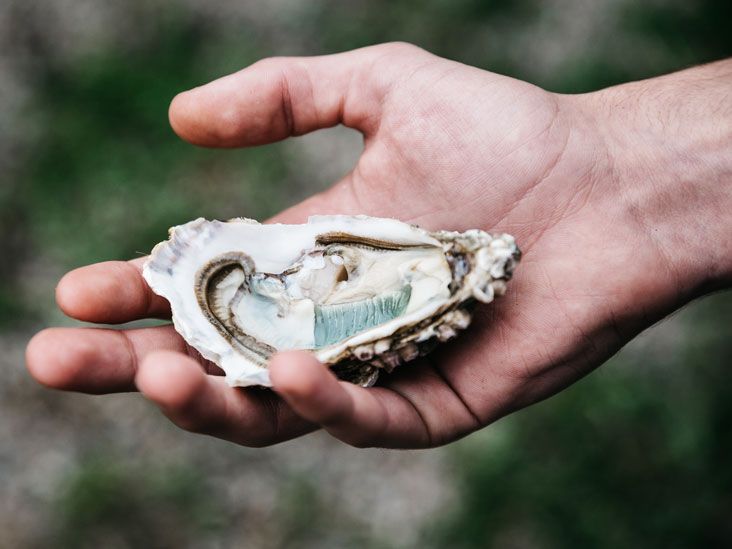
1) Oysters and other shellfish (the zinc all-stars)
Zinc is one of the most talked-about nutrients for testosterone because severe zinc deficiency can impair hormone production.
Oysters are famously high in zinc, and other seafood can contribute too. If oysters aren’t your thing, you can still get zinc from
fish and other seafood, plus animal foods like beef, eggs, and dairy. Plant sources (beans, nuts, whole grains) contain zinc too,
but absorption can be lower due to phytates.
Practical idea: add shrimp or crab to a grain bowl, or do a “taco night” with seafood plus beans for a zinc tag-team.
2) Lean beef (and other quality proteins)
Beef is a meaningful contributor to zinc intake in the U.S. because it’s commonly eaten.
Protein also supports muscle maintenance, and resistance training plus adequate protein is a powerful combo for body composition.
You don’t need steak the size of a pillow. You need consistent, balanced protein intake.
Practical idea: choose leaner cuts (sirloin, flank), keep portions reasonable, and pair with fiber-rich plants
so your plate looks like a meal, not a medieval trophy.
3) Eggs (especially the yolk) for vitamin D and dietary fat
Egg yolks contain small amounts of vitamin D. Eggs also provide dietary fat, and extremely low-fat diets can be a problem for
overall hormone health for some people. Think of eggs as a “foundation food” that’s easy to build around:
quick breakfast, high satiety, and no blender required.
Practical idea: veggie omelet with spinach + mushrooms, topped with a spoon of salsa (more flavor, fewer regrets).
4) Fatty fish (salmon, trout, tuna, mackerel) for vitamin D + omega-3s
Few foods naturally contain much vitamin D, but fatty fish are among the best sources.
Omega-3 fats also support cardiovascular health and may help with inflammation and metabolic markersindirectly relevant
because metabolic health is tightly connected to testosterone status.
Practical idea: salmon over a big salad with olive oil dressing, or a tuna-and-bean Mediterranean-style bowl.
5) Fortified foods and smart dairy choices
Many people rely on fortified foods (like certain milks or cereals) to help meet vitamin D needs,
and dairy can contribute zinc and protein. If you tolerate dairy, plain Greek yogurt is an easy win:
protein-dense, versatile, and it doesn’t taste like dessert pretending to be breakfast.
Practical idea: Greek yogurt + berries + a sprinkle of pumpkin seeds (hello, magnesium).
6) Leafy greens and legumes (magnesium + fiber, the quiet MVPs)
Magnesium is widely distributed in plant foods. Green leafy vegetables (like spinach), legumes, nuts, seeds, and whole grains
are good sources. Magnesium matters for hundreds of biochemical reactions, and some research suggests magnesium status may be related
to testosteroneespecially in physically active people.
Practical idea: lentil soup with spinach stirred in at the end, or a bean salad with olive oil, lemon, and herbs.
7) Pumpkin seeds, chia seeds, almonds, and cashews (the “snack that actually does something”)
Seeds and nuts show up repeatedly in magnesium food lists, and pumpkin seeds in particular are magnesium-rich.
They’re also an easy way to add calories if you’re under-eating (which can also push hormones in the wrong direction).
Just remember: “handful” is a unit of measurement, not a challenge mode.
8) Extra-virgin olive oil and avocados (healthy fats that fit real life)
Diet patterns like the Mediterranean diet emphasize monounsaturated fats from olive oil and foods like avocados,
along with lots of plants, fish, beans, and minimally processed staples.
This matters because testosterone is closely tied to metabolic health, and Mediterranean-style eating supports heart health,
weight management, and inflammationkey context for low T conversations.
Practical idea: drizzle olive oil on roasted vegetables, use it as a base for salad dressings, or add avocado to a bean-and-egg breakfast plate.
9) Colorful fruits (berries, cherries, pomegranate) for antioxidants
Fruits won’t “turn up” testosterone overnight, but diets rich in fruits and vegetables support overall health,
and antioxidants can help reduce oxidative stressrelevant because the body’s hormone-producing tissues are sensitive to stress and inflammation.
Plus, fruit is the easiest “healthy habit” to maintain because it comes in its own wrapper and doesn’t require a personality test.
10) Cruciferous vegetables (broccoli, cauliflower, Brussels sprouts)
These veggies are nutrition-dense and fiber-rich and fit well into a testosterone-friendly eating pattern because
they support weight management and metabolic health. They also help make meals feel larger (volume!) without adding a ton of calories.
A quick “nutrient-to-food” cheat sheet
| Nutrient / focus | Why it matters for low-T support | Food examples |
|---|---|---|
| Zinc | Needed for many enzymes; deficiency can affect hormone production | Oysters, beef, eggs, dairy, beans, nuts, whole grains |
| Vitamin D | Commonly low in many people; linked to multiple health outcomes | Salmon, trout, tuna, mackerel; egg yolks; fortified foods |
| Magnesium | Supports many reactions; often low intake in diets lacking plants/whole foods | Spinach, legumes, pumpkin seeds, chia, almonds, whole grains |
| Healthy fats | Hormones are made from cholesterol; very low-fat diets can backfire for some people | Olive oil, avocado, nuts, seeds, fatty fish |
| Body composition | Excess body fat is strongly linked with lower testosterone | Mediterranean-style meals; high-fiber plants; adequate protein |
Foods and habits that can drag testosterone down
If your goal is to support healthy testosterone, it’s not just about what you addit’s also about what you stop doing on autopilot.
Here are the usual suspects:
- Crash dieting and chronic under-eating: your body can interpret this as stress and conserve resources, including downshifting reproductive hormones.
- Ultra-processed, low-fiber eating patterns: they can worsen metabolic health and make weight management harder (and weight matters a lot here).
- Very high added sugar intake: not because sugar is “evil,” but because it can crowd out nutrient-dense foods and worsen insulin resistance over time.
- Excess alcohol: it’s hard on sleep and recovery, and it’s rarely part of a “my hormones feel amazing” success story.
- “Testosterone booster” supplements: many products make big claims with limited evidence, and some include doses that can exceed safe upper limits for certain nutrients.
Sample one-day “low testosterone support” menu (simple, not perfect)
You don’t need a perfect meal plan. You need repeatable meals that hit the basicsprotein, plants, healthy fats, and key micronutrients.
Here’s a realistic day you could rotate:
Breakfast
- 2–3 eggs (or egg + egg whites) scrambled with spinach and mushrooms
- Whole-grain toast with olive oil or avocado
- Fruit on the side (berries or an orange)
Lunch
- Salmon salad: mixed greens + beans + chopped veggies + olive oil & lemon
- Optional: a small serving of whole grains (brown rice, quinoa) if you train hard
Snack
- Greek yogurt + berries + pumpkin seeds
- Or: hummus + veggies + a handful of almonds
Dinner
- Lean beef or chicken bowl: roasted broccoli + black beans + salsa + olive oil drizzle
- Or seafood tacos with cabbage slaw + beans on the side
Notice what this menu does: it stacks zinc, magnesium, and vitamin D sources while also supporting weight management and recovery.
No gimmicks. No “detox.” No sad desk salad with three leaves and a single cube of chicken.
What actually moves the needle (beyond food)
If your testosterone is low, food helps most when it supports the big levers:
- Healthy weight: In men with obesity, weight loss is consistently associated with increases in testosterone proportional to the loss of excess weight.
- Sleep: Research in U.S. adult males links impaired sleep and higher BMI with lower testosteroneso “sleep like it matters” is not just motivational poster material.
- Resistance training: Strength training supports muscle and body composition, and it pairs well with adequate protein and micronutrients.
- Medical evaluation: Because symptoms overlap with many conditions, testing and proper diagnosis matter.
When to see a clinician (and what to ask)
Talk to a healthcare professional if you have persistent symptoms that match low testosterone (fatigue, reduced strength, mood changes,
increased body fat, or reproductive symptoms) or if you’re concerned about delayed puberty in a teen.
Testing is straightforward, and clinicians can look for underlying causes (sleep apnea, thyroid issues, medication effects, metabolic conditions).
A helpful approach: ask about repeat morning testing (if needed), whether free testosterone is relevant, and what lifestyle changes are most likely
to improve both symptoms and overall health. Food is part of that planjust not the only part.
Conclusion: the best “testosterone-boosting” foods are the ones you can eat forever
If you’re trying to boost low testosterone naturally, think less like a supplement ad and more like an engineer:
give the body the inputs it needs (zinc, magnesium, vitamin D, healthy fats, adequate protein),
build meals around minimally processed foods, and use diet to support the habits that matter mostsleep, training, and a healthy weight.
That’s the sustainable path. And it comes with side effects like better energy, better metabolic health, and fewer late-night snack regrets.
(Okay, maybe not fewer. But at least better snacks.)
Experiences related to “The best foods to boost low testosterone” (what people commonly notice)
People who shift toward a testosterone-friendly eating pattern often expect a dramatic “before and after” momentlike they’ll eat one oyster,
hear angelic choir music, and immediately become a superhero. Real experiences are usually more subtle, more gradual, and honestly more believable.
The most common report is not “my lab number doubled,” but “I feel more like myself again.”
And that matters, because symptoms often drive the search for answers in the first place.
One very typical experience: someone cleans up their diet mainly to lose a little body fat, but they do it in a way that also improves recovery.
They stop skipping breakfast, add protein consistently, and swap ultra-processed snacks for yogurt, nuts, fruit, and beans.
Within a few weeks, they notice fewer energy crashes in the afternoon and better workouts.
Their strength training becomes more consistent because they’re not constantly running on fumes.
Over timeespecially if sleep improves tootheir mood is steadier and motivation is easier to access.
Nothing magical happened; they simply stopped treating their body like a phone on 2% battery.
Another common experience shows up in people who unintentionally under-eat (often busy professionals or students).
They’ll say things like, “I eat pretty healthy,” but “healthy” means salad plus coffee and then a huge dinner.
When they add a real lunchsay a salmon salad with beans and olive oil, or a chicken-and-rice bowl with vegetablestheir appetite normalizes.
They’re less likely to binge at night. Sleep improves because they’re not going to bed hungry or wired.
If they were training hard, performance rebounds because the body finally has enough energy and micronutrients to recover.
In this scenario, the “testosterone-supporting foods” are doing double duty: they correct nutrient gaps and fix the overall energy pattern.
People who lean heavily plant-based sometimes have a specific experience: they feel fine day to day, but their labs reveal low zinc intake
or their diet is very high in phytate-rich foods with fewer zinc-dense options. When they strategically add zinc sources (beans plus nuts and seeds,
fortified foods, or seafood/eggs/dairy if they eat them), they often report improved stamina and fewer “run down” weeks.
Again, that doesn’t prove testosterone changed dramatically; it shows that nutrient adequacy changes how the whole system feels.
Hormones don’t operate in isolationthey’re part of an orchestra, and micronutrients are the instruments.
Then there’s the “weekend warrior” experience: someone lifts inconsistently, sleeps badly, and eats like an adult most of the timeexcept on weekends,
when it turns into a highlight reel of alcohol and fried food. When they move toward a Mediterranean-style routine (olive oil, fish, beans, vegetables,
fruit, yogurt), they often notice the biggest change in recovery. Soreness is less brutal. Workouts don’t feel like punishment.
And because they’re recovering better, they train more regularlycreating a positive loop that supports body composition and overall hormone health.
Finally, a very important experience: many people report that chasing “testosterone boosters” was a dead end.
They spent money on supplements with bold claims, but didn’t see consistent changesand sometimes felt worse (sleep disruption, stomach issues,
anxiety from stimulant-heavy formulas). When they switched their focus to real food and habits, progress became boring in the best way:
measurable, repeatable, and less dependent on whatever was trending online that week.
If there’s a theme across these experiences, it’s this: the best foods to boost low testosterone are the foods that support the whole foundation
nutrient sufficiency, stable energy intake, healthier weight, and better sleep. Lab values matter, and medical care matters, but so does the daily reality
of how you feel. The win is rarely one “miracle food.” It’s a pattern you can live with.