
If your front door could talk in 2025, it would probably say, “Please stop opening me for strangers without checking the camera first.”
Home security systems have gone from clunky wall panels and tangled wires to sleek apps, smart cameras, and AI that can tell the difference
between your delivery driver and a raccoon at 2 a.m. The challenge now isn’t whether you can protect your home – it’s choosing
the right system from a crowded market.
This guide walks you through the 9 best home security systems of 2025, how they differ, and how to pick the one that actually fits your
life. We’ll talk professional monitoring versus DIY, smart home integration, subscription fees, and real-world experiences from people
who live with these systems every day.
Home Security in 2025: What’s New (and Why It Matters)
The home security market has exploded. In 2025, tens of millions of U.S. households use some mix of alarm systems, cameras, and smart locks.
Cameras and video doorbells are now the “gateway” to home security, with more than half of homes using at least one camera. AI-powered
detection, smarter sensors, and better integration with smart home platforms are no longer fancy extras – they’re becoming standard.
A few big trends you’ll notice across the best systems of 2025:
- AI-powered alerts: Systems increasingly distinguish between people, vehicles, packages, and pets, reducing annoying false alarms.
- Deeper smart home integration: Top systems work smoothly with Amazon Alexa, Google Assistant, Apple Home, and third-party devices like smart locks and garage controllers.
- Flexible monitoring: Many brands offer choices between self-monitoring, month-to-month professional monitoring, or full contract-based service.
- Subscription-conscious designs: Some brands lean into local storage and no mandatory monthly fees, while others pack their best features behind subscriptions.
How to Choose the Best Home Security System for Your Home
Before we rank the nine best systems, it helps to get clear on what you need. The “best” system for a downtown apartment might be a headache
in a 3,000-square-foot suburban house.
Key questions to ask yourself
- Do you want DIY or professional installation? DIY systems ship pre-programmed and stick to walls with adhesive. Professional installs are more hands-off and often more robust, but they come with higher upfront or contract costs.
- How important is professional monitoring? With pro monitoring, a trained team can dispatch police, fire, or medical help when alarms trigger. Self-monitoring relies on your phone and your availability.
- What’s your budget – including subscriptions? A system with cheap hardware can become expensive if every feature requires a monthly fee. Some systems emphasize low monthly cost or even no required subscription.
- How smart is your home already? If you’ve invested in smart locks, thermostats, lights, or voice assistants, choose a security system that plays nicely with them.
- Do you rent or own? Renters usually prefer wireless, easy-to-remove equipment. Homeowners may be more comfortable with drilled mounts and hardwired components.
With those questions in mind, let’s break down the nine best home security systems of 2025 and what each one does best.
The 9 Best Home Security Systems of 2025
1. SimpliSafe – Best Overall for Most Homes
SimpliSafe consistently lands at or near the top of expert rankings for home security in 2025, and it’s easy to see why. It strikes an almost
perfect balance of ease of use, value, and real-world protection. The equipment is fully wireless, installation is genuinely DIY-friendly,
and the mobile app is clean and intuitive even for non-techy users.
Professional monitoring plans are competitively priced and include features like cellular backup, police dispatch, and video verification
on supported cameras. If you’re on a tight budget, you can self-monitor and still use many of the core alarm features. SimpliSafe integrates
with major smart home platforms like Alexa and Google Assistant, and its new generations of outdoor cameras offer better night vision and
person detection than earlier models.
Best for: Most homeowners and renters who want strong burglary protection, simple setup, and flexible monitoring without long contracts.
2. Vivint – Best for Smart Home Power Users
If you imagine your home as a single connected ecosystem – lights, locks, garage doors, cameras, thermostat – Vivint is designed for you.
Vivint specializes in professionally installed, fully integrated systems. The touchscreen control panel feels more like a modern tablet
than a basic keypad, and the app mirrors that polish.
Vivint’s own cameras are high quality, with smart alerts and continuous recording options. The system can tie into smart locks and garage
controllers so you can disarm the system, unlock the door, and turn on lights with a tap or voice command. The trade-off is cost: Vivint
tends to be pricier, and professional monitoring is part of the package, often with a contract.
Best for: Homeowners who want a premium, professionally installed smart security ecosystem and don’t mind paying more for it.
3. ADT – Best for Professional Monitoring and Brand Trust
ADT remains one of the biggest names in home security. It dominates a large share of the U.S. alarm system market and is often the first
brand people think of when they hear “home security.” In 2025, ADT combines its long history of 24/7 professional monitoring with modern
smart home options and an app-driven experience.
ADT systems are professionally installed and can integrate with smart devices such as Google Nest products, smart locks, and thermostats,
depending on the package. You’ll typically sign a monitoring contract, and pricing can be higher than DIY options, but you’re getting
a robust monitoring infrastructure and the comfort of dealing with an established provider.
Best for: Homeowners who want traditional, always-on professional monitoring from a trusted, long-standing brand.
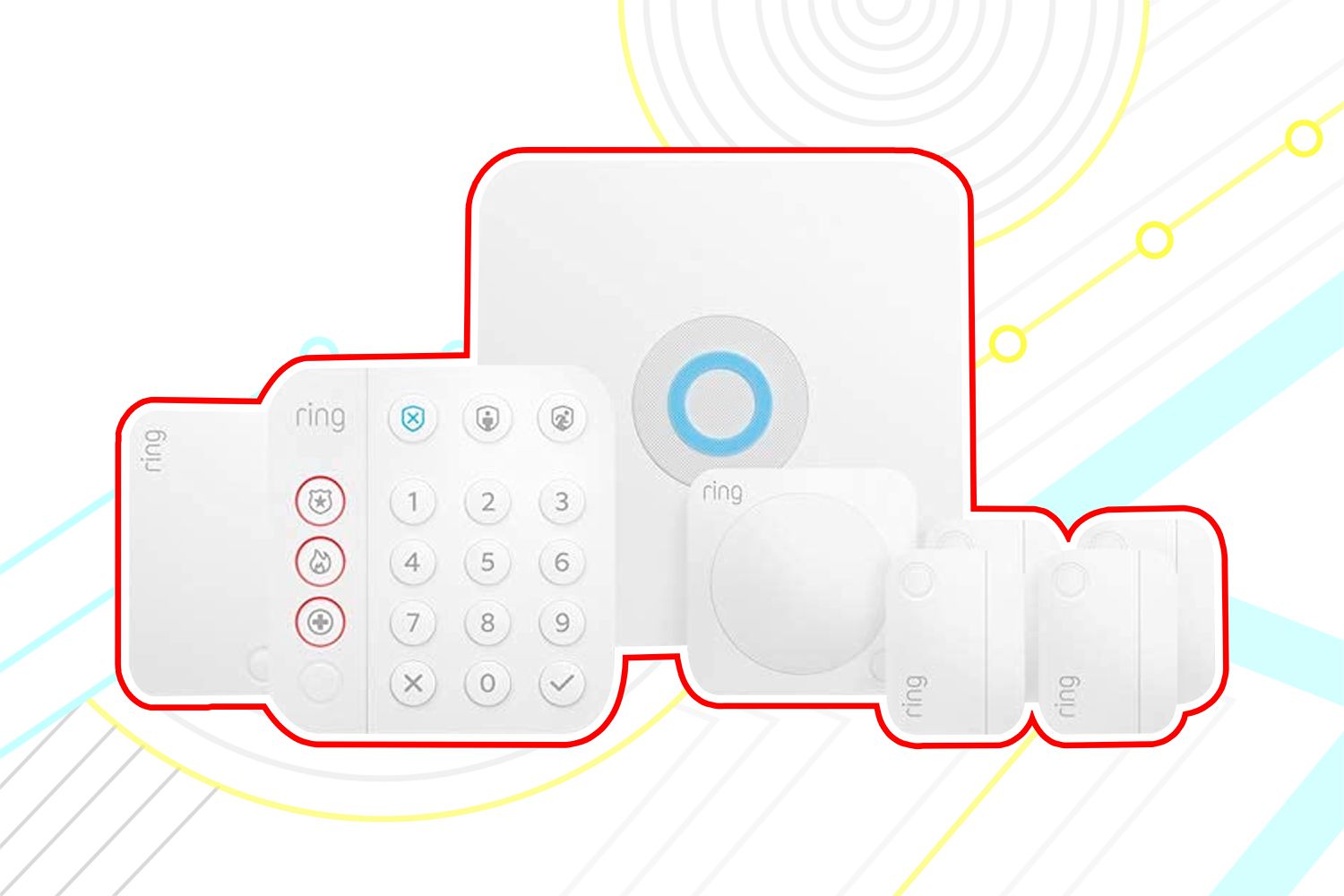
4. Ring Alarm – Best for Budget-Friendly Smart Security and Cameras
Ring started with video doorbells and grew into a full alarm ecosystem, and in 2025 it remains one of the most popular choices for
camera-centric home security. Ring Alarm systems are DIY, wireless, and modular – you can start with a basic kit and expand with extra
sensors, indoor/outdoor cameras, and floodlight cams as needed.
Ring’s subscription plans unlock cloud recording, smart notifications, and professional monitoring at relatively affordable monthly prices.
It integrates tightly with Alexa and offers an enormous range of camera options. The main considerations are that many key features are tied
to subscriptions, and some people prefer alternatives that store more footage locally.
Best for: Households that want great cameras and video doorbells with a flexible, affordable DIY alarm system.
5. Cove – Best for Simple, Affordable DIY Monitoring
Cove flies a bit under the radar compared with the biggest brands, but in 2025 it’s frequently recommended for people who want straightforward,
low-friction home security. Cove ships pre-configured systems, so setup often involves little more than plugging in the panel and sticking
sensors on doors and windows.
Monitoring plans are competitively priced and include features like smartphone control, text alerts, and professional dispatch. The interface
is geared toward simplicity rather than advanced customization, which is exactly what some families prefer. You don’t get quite the same
depth of camera or smart home options as with heavyweights like Ring or Vivint, but for basic whole-home protection, Cove offers strong value.
Best for: Users who want an easy, affordable security system with professionally monitored options and minimal complexity.
6. Abode – Best for Flexible, No-Contract Home Security
Abode has carved out a niche as a flexible, smart-home-friendly system that doesn’t lock you into long-term contracts. It supports both
professional and self-monitoring and plays nicely with a wide variety of third-party gear, including Apple Home, Alexa, Google Assistant,
and many smart sensors and devices.
You can pay for professional monitoring only when you need it – for example, just during a vacation – and self-monitor the rest of the year.
Abode is especially attractive to tech-savvy users who want to tinker, automate, and integrate without committing to one ecosystem forever.
Best for: Smart home enthusiasts and renters who want a flexible, contract-free security platform.
7. Frontpoint – Best for DIY Equipment and Customer Support
Frontpoint has long been known for responsive customer service and sturdy equipment. Its systems are DIY to install but professionally monitored,
which appeals to people who are comfortable placing sensors but still want experts watching the system around the clock.
The company offers a good mix of intrusion sensors, environmental detectors (smoke, CO, flood), and cameras. Monitoring costs tend to be higher
than bare-bones DIY providers, and some plans require contracts, but you’re paying for human support, reliability, and a solid reputation.
Best for: Families who want DIY installation paired with strong customer service and professional monitoring.
8. Eufy Security – Best for No-Subscription, Local-Storage Fans
Eufy has become the go-to brand for people who are tired of paying monthly fees just to see their own front porch. Many Eufy cameras and
doorbells, including 2025 models, emphasize local storage, strong encryption, and advanced features (like dual cameras and person / package
detection) without mandatory subscriptions.
While Eufy’s ecosystem isn’t as broad as some full service alarm providers, its hubs, cameras, sensors, and doorbells can form a capable
home security system – especially for users who don’t need formal professional monitoring. If you care more about clear video, intelligent
alerts, and avoiding recurring fees than about contracts and call centers, Eufy is a smart pick.
Best for: People who want strong camera-based security and smart features without ongoing subscription costs.
9. Arlo – Best for High-Quality Standalone Cameras
Arlo is best known for its excellent wireless cameras, and in 2025 those cameras continue to rate highly for image quality, night vision, and
smart detection. The Arlo Pro line, in particular, offers sharp 2K video, wide fields of view, and bright spotlights, making it ideal for
monitoring driveways, yards, and entry points.
Arlo can function as a camera-first security system: with motion alerts, smart notifications, and optional sirens, many households use Arlo
as their primary deterrent. To unlock features like advanced AI detection and extended cloud storage, you’ll typically subscribe to Arlo’s
cloud plan. If you want best-in-class cameras and don’t mind a subscription, Arlo is a top contender.
Best for: Homeowners who prioritize camera performance and flexible placement over a traditional keypad-style alarm system.
DIY vs. Professionally Installed Systems in 2025
One of the biggest decisions you’ll make is whether to install the system yourself or pay for professional installation. Both approaches
are solid – they just fit different personalities, budgets, and homes.
When DIY home security makes sense
- You’re comfortable sticking sensors on doors and windows, following app instructions, and troubleshooting Wi-Fi.
- You want to save on installation fees and avoid long contracts.
- You rent or move frequently and need equipment that’s easy to uninstall and take with you.
- You like tweaking settings, adjusting sensitivity, and creating your own automation routines.
DIY systems like SimpliSafe, Ring, Cove, Frontpoint, Abode, Eufy, and Arlo are generally wireless and can be up and running in under a few hours,
even if you’ve never installed an alarm before.
When professional installation is worth it
- Your home is large, has multiple stories, or includes outbuildings that need coverage.
- You’re not comfortable climbing ladders, drilling, or troubleshooting connectivity issues.
- You want guaranteed sensor placement and wiring that minimizes false alarms and blind spots.
- You prefer systems where professional monitoring, service visits, and maintenance are all bundled together.
Professional-first brands like Vivint and ADT excel here. You’ll typically pay more and may sign a contract, but you get expert design,
installation, and ongoing monitoring that many homeowners are happy to outsource.
Practical Tips for Choosing Your 2025 Security System
- Map your priorities: Is your main concern burglary, package theft, or checking in on kids and pets? Your answer will guide how heavily you invest in cameras versus door/window sensors.
- Plan for the long term: A slightly higher upfront cost can be cheaper over 3–5 years if monthly fees are lower or optional.
- Check your Wi-Fi: Cameras and cloud-based systems need solid, reliable Wi-Fi. Weak coverage equals missed footage and frustrating delays.
- Read the fine print: Understand contract length, early termination fees, and what happens if you move.
- Test everything: After installation, trigger test alarms, walk past sensors, open doors, and verify that alerts, sirens, and notifications behave as expected.
Real-World Experiences: What It’s Like to Live with a Home Security System in 2025
Product specs are great, but daily life with a security system is where the truth comes out. Here are some real-world patterns and
experiences that tend to show up across different brands.
The “first week of ping” problem
Many new users describe the first week with a security system as “notification chaos.” Every motion alert, door open, and package delivery
pings your phone. It’s exciting at first, then mildly annoying, then absolutely intolerable. The fix is almost always the same: dive into
the settings and tune your alerts.
Most 2025 systems let you:
- Silence “all motion” alerts but keep person or package alerts.
- Create time-based rules (for example, fewer alerts while you’re at home in the evening).
- Adjust motion zones to ignore sidewalks, streets, or a busy neighbor’s yard.
Once you spend 20–30 minutes adjusting those settings, the system feels less like a hyperactive toddler and more like a calm, observant roommate.
DIY installation surprises (good and bad)
People are often shocked by how easy DIY systems have become – especially compared with old-school hardwired setups. Many systems arrive
with sensors already linked to the hub; you simply name each one in the app and stick it in place. The common “gotcha” is that adhesives
can loosen over time, especially on dusty or textured surfaces, so it’s worth cleaning surfaces thoroughly or using screws where possible.
Another surprise: the most time-consuming part isn’t physically installing the gear – it’s walking through your home and deciding where
sensors and cameras should go. Expect to shuffle things around a bit in the first few weeks as you learn which angles and placements
give you the best coverage.
Professional monitoring in real emergencies
In online forums and customer stories, one theme stands out: when a genuine emergency occurs, professional monitoring is often the factor
people are most grateful for. Whether it’s a kitchen fire, a break-in while the family is away, or a carbon monoxide leak in the middle
of the night, having a monitoring center call, verify, and dispatch can be the difference between minor damage and a disaster.
That doesn’t mean everyone needs professional monitoring all the time; many people are perfectly happy self-monitoring with well-placed
cameras. But if you travel frequently, have kids or elderly relatives at home, or live in an area with slower emergency response,
a monitored plan can offer real peace of mind.
Subscription fatigue and how people manage it
One of the biggest 2025 complaints about home security isn’t about hardware at all – it’s subscriptions. Cloud recording, AI detection,
expanded histories, professional monitoring, and even some basic app features are often tied to monthly fees. The result is “subscription
fatigue,” where families feel nickeled and dimed by different services.
A lot of users respond by mixing and matching:
- Using a system like SimpliSafe or Ring with a single core monitoring plan.
- Adding a no-fee or low-fee brand like Eufy for extra cameras in low-priority areas.
- Only turning on short-term professional monitoring when traveling.
The key is to review your security subscriptions once or twice a year and cancel anything you’re not actively using. In many cases, you can
preserve most of your protection while trimming recurring costs.
The emotional side of feeling secure
Finally, there’s the part you can’t see on spec sheets: the emotional impact. Many parents talk about the comfort of glancing at a camera
feed to confirm the kids got home from school. Pet owners love checking in on their dogs during the workday. People who’ve had packages
stolen report a huge drop in stress once they install a video doorbell, even if they never need to send footage to a delivery company
or the authorities.
A modern home security system won’t solve every safety concern in your life. But the right system – one that matches your home, your
budget, and your tech comfort level – can dramatically reduce everyday anxiety. Think of it less as “gadgets” and more as something
you’ll quietly rely on every day, like your lock, your thermostat, or your smoke detector.
That’s why taking the time to compare the nine best home security systems of 2025 and choosing the one that actually fits your lifestyle
is worth the effort. The reward is simple: you get to sleep a little easier.
Conclusion
The best home security system of 2025 isn’t just the one with the flashiest camera or the loudest siren. It’s the system that aligns with
your home layout, your budget, your tolerance for DIY, and your appetite for subscriptions. For many households, a flexible DIY system
like SimpliSafe, Ring, or Abode will be ideal. Others will benefit more from the white-glove approach of Vivint or ADT, especially in
larger homes or more complex setups.
Start by clarifying your priorities, then choose one of these nine systems as your foundation. From there, you can expand with more cameras,
sensors, and smart home integrations over time. In a world where everything from groceries to schoolwork happens at your front door,
investing in the right security system is one of the smartest home upgrades you can make this year.