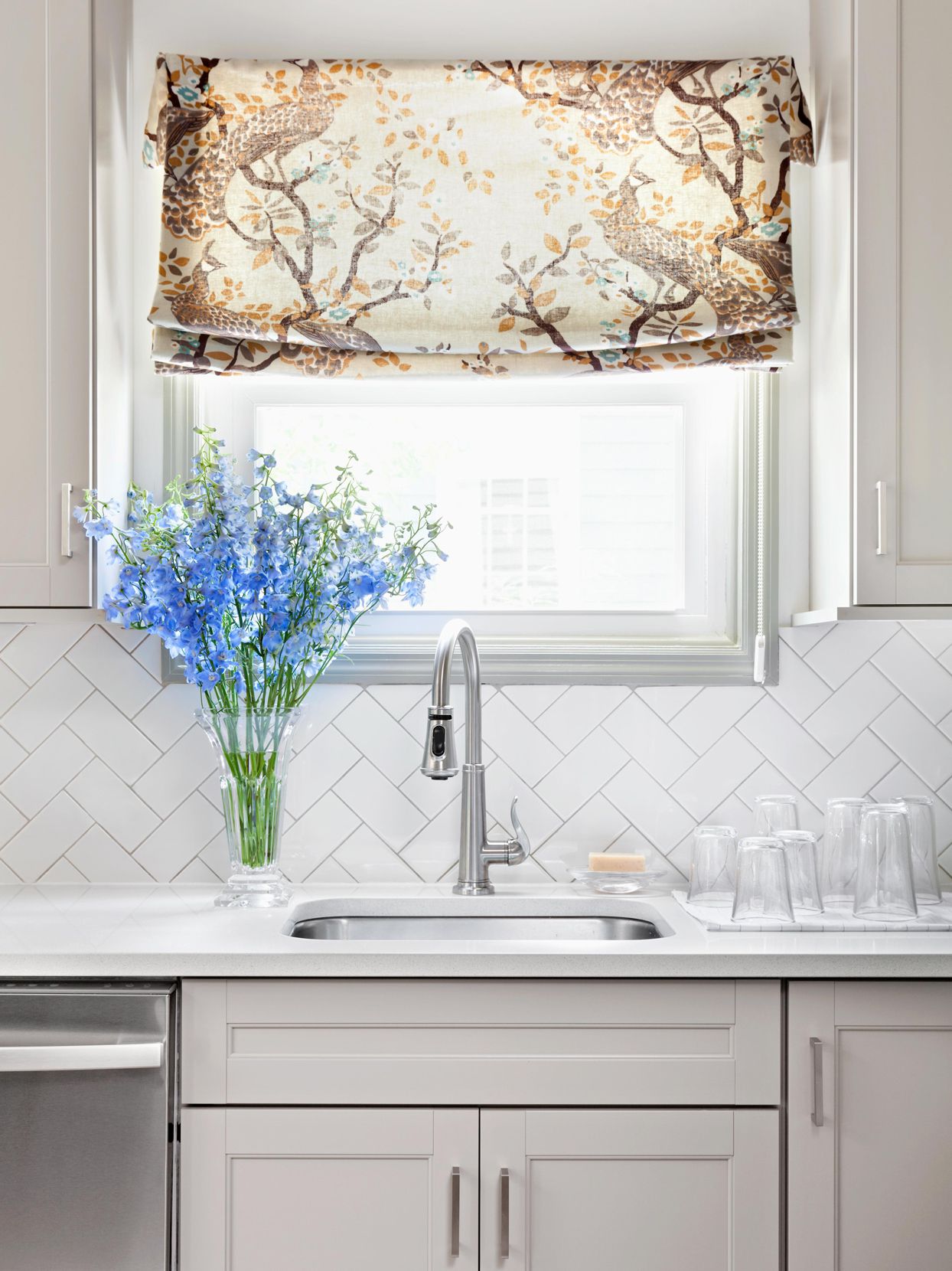

Kitchen remodel math is brutal: cabinets cost more than you expected, appliances are somehow both “on sale” and “still a mortgage,” and then the countertop quote arrives like a jump-scare.
The good news? “Cheap” doesn’t have to mean “looks like a sad lunchroom table from 1996.”
Today’s budget-friendly counters can be surprisingly tough, easy to clean, and (with a few smart choices) genuinely good-looking.
This guide focuses on the sweet spot: the six countertop options that are both wallet-friendly and actually functional for real kitchenswhere coffee spills happen, pans get set down, and someone will
eventually slice a lime directly on the counter “just this once.”
How we’re defining “functional” (so you don’t end up with a pretty regret)
- Daily durability: resists stains, dings, and normal chaos.
- Easy maintenance: no fussy rituals, expensive cleaners, or constant anxiety.
- Repairability: if something goes wrong, you can fix it without replacing everything.
- Real-world value: looks good enough that you won’t apologize for it to guests.
Quick comparison: cheapest counters that still do the job
| Material | Typical budget range (installed)* | Best for | Main watch-out |
|---|---|---|---|
| Laminate | Low to moderate ($) | Fast makeovers, rentals, busy families | Heat + sharp knives |
| Ceramic/Porcelain Tile | Low to moderate ($–$$) | DIYers, colorful design, heat resistance | Grout maintenance |
| Butcher Block (Wood) | Moderate ($$) | Warm look, food-prep zones, cozy kitchens | Needs regular sealing/oiling |
| Solid Surface | Moderate ($$) | Seamless look, easy cleaning, repairable scratches | Heat damage risk |
| Prefabricated/Remnant Stone (Granite) | Moderate ($$–$$$) | Stone look for less, islands, small runs | Limited sizes/colors; seams |
| Epoxy Resurfacing (Over Existing Counter) | Very low to moderate ($–$$) | Ultra-budget transformations, DIY makeovers | Prep is everything; heat + scratches |
*Costs vary by region, layout complexity, cutouts, edging, and labor. Think of these as planning ranges, not a universal prophecy.
1) Laminate: the undefeated champion of “cheap and surprisingly decent”
If “cheap countertops” had a Hall of Fame, laminate would have its own wing, its own statue, and probably a gift shop.
Modern laminate isn’t just affordableit’s also light, easy to clean, and available in patterns that convincingly mimic stone, wood, and concrete.
It’s especially smart when you want a clean, updated kitchen without donating a kidney to the renovation gods.
Why laminate is functional
- Easy maintenance: soap and water, minimal drama.
- Lots of style options: you can go “marble-ish,” “quartz-ish,” or “I swear this is wood.”
- Good everyday performance: many laminates resist stains and general wear better than people expect.
Where laminate struggles (and how to avoid heartbreak)
- Heat: hot pans can scorch or warp the surfaceuse trivets like they’re fashion accessories.
- Seams + water: water that sneaks into seams can cause swelling over timewipe puddles promptly.
- Knives: laminate is not a cutting board. It will remember what you did.
Best laminate upgrades for a “not-cheap-looking” result
- Choose a matte or soft-texture finish (glossy can scream “budget” in the wrong lighting).
- Pick a modern edge profile (a simple square edge often looks cleaner than exaggerated rolled edges).
- Use a matching backsplash strip or a simple tile backsplash to make the counter look intentional.
2) Ceramic or porcelain tile: budget-friendly, heat-tough, and design-flexible
Tile countertops are like that friend who’s extremely fun but needs a little extra attention: gorgeous patterns, endless colors, great heat resistance… and then there’s grout.
If you’re a DIY-minded person (or you just want a kitchen with serious personality), tile can be a legitimately smart budget move.
Why tile is functional
- Heat resistance: tile can handle hot cookware better than many budget surfaces.
- Easy to replace: chip one tile? Replace one tile, not the whole counter.
- Design range: classic white squares, bold patterns, modern large-format porcelain, you name it.
The grout truth (yes, we have to talk about it)
Grout lines can stain and collect crumbs. That’s the trade.
The workaround is simple: choose larger tiles (fewer grout lines), pick a grout color that won’t show every speck of life,
and seal grout on a regular schedule so coffee spills don’t become permanent art.
Tile countertop tips that make it look modern (not “grandma’s bungalow,” unless that’s the goal)
- Use larger-format tiles where possible for a sleeker surface.
- Choose a simple edge treatment (bullnose tile or metal edging) for a crisp finish.
- Keep the rest of the kitchen calm so the countertop can be the star, not the chaos coordinator.
3) Butcher block: warm, repairable, and shockingly versatile
Butcher block is the “cozy sweater” of countertops. It instantly warms up a kitchenespecially if you have painted cabinets, stainless appliances, or a lot of hard surfaces.
It’s also one of the few counters where minor wear can become part of the charm… as long as you keep up with maintenance.
Why butcher block is functional
- Repairable: scratches and dings can often be sanded out.
- Comfortable workspace: softer feel, quieter than stone, friendly for baking and prep.
- Flexible use: many people use it strategicallylike on an islandwhile choosing a more water-resistant surface near the sink.
Maintenance reality check
Wood needs protection. For many households, that means oiling or conditioning regularly (especially at first),
and being mindful around standing water. The payoff is a counter that can age beautifully and be refreshed instead of replaced.
Budget-smart butcher block strategy
- Use butcher block on the island (high impact visually) and choose a more water-tolerant option for perimeter counters.
- Pick a stable species and a solid finish plan (oil for easy refresh; film finishes for more water resistance, depending on use).
- Keep a cutting board handy anywaywood is forgiving, but it’s not invincible.
4) Solid surface: the “quietly excellent” option that’s easier to live with than you think
Solid surface (often associated with brands like Corian) doesn’t always get the glamorous Instagram spotlight, but it’s a practical MVP.
It’s non-porous, can look seamless, andhere’s the big winmany scratches can be sanded or buffed out.
That’s huge if you want a counter that can survive real life and still be revived later.
Why solid surface is functional
- Non-porous: resists many stains and is easy to wipe down.
- Repairable: surface wear can often be refinished rather than replaced.
- Seamless look: integrated sinks and smooth joints are possible in many designs.
Where solid surface needs help
- Heat: it can scorchuse trivets and don’t park hot pans directly on it.
- Scratches: it can scratch, but that’s the trade for repairability (and it’s usually fixable).
When solid surface is a smart “cheapest functional” pick
If you want a clean, modern look without the cost (or sealing chores) of stone, solid surface can be a strong mid-budget choice.
It’s especially good for households that value easy cleaning and don’t want to panic every time someone spills marinara.
5) Prefabricated granite or stone remnants: “real stone” vibes for less
Full custom stone slabs can get expensive fast, but there are two budget-friendly loopholes:
prefabricated pieces (standard sizes, limited choices) and remnants (leftover pieces from larger jobs).
If your kitchen layout plays nicely with standard sizesor you’re doing a smaller run, like an islandthis can be one of the best value moves.
Why this option is functional
- Durable surface: stone handles heat well and stands up to daily wear.
- Higher-end look: even budget stone tends to “read” as premium in a kitchen.
- Great for targeted upgrades: islands, coffee bars, small kitchens, or short runs.
Trade-offs (so you’re not surprised mid-project)
- Limited selection: you shop what’s available, not what’s in your dreams.
- Seams and fitting: standard sizes may mean seams or compromises.
- Sealing: many natural stones require sealing to help resist staining.
How to save the most with stone
- Ask local fabricators about remnant inventory (islands and vanities are prime candidates).
- Choose simpler edges (fancy edge profiles add fabrication cost).
- Keep sink cutouts straightforward (extra cutouts and odd shapes can add labor).
6) Epoxy resurfacing: the ultra-budget makeover (when replacement isn’t in the cards)
Sometimes the cheapest countertop is… the countertop you already havejust with a glow-up.
Epoxy resurfacing systems let you coat an existing laminate, wood, or tile surface with a new, durable finish.
Done well, it can look shockingly good for the cost. Done poorly, it can look like your counter is wearing a plastic raincoat.
So yes, we’re including itbecause it’s genuinely one of the lowest-cost ways to get a “new counter” feeling.
Why epoxy resurfacing can be functional
- Budget-friendly transformation: often far cheaper than demolition + new counters.
- Continuous surface: it can visually minimize seams and outdated patterns.
- DIY-accessible: many kits are designed for homeowners willing to do careful prep.
What makes or breaks an epoxy countertop
- Prep: cleaning, sanding, degreasing, and leveling matter more than your “artistic vision.”
- Heat + scratches: treat it like a protective coatinguse trivets and cutting boards.
- Patience: rushing cure times is how you end up with dents, fingerprints, and regrets.
Best uses for epoxy resurfacing
Rentals, starter homes, temporary upgrades before a bigger remodel, or any situation where you need a better-looking counter now
but a full replacement isn’t practical. It’s also popular for laundry rooms, wet bars, and secondary spaces.
How to get the lowest price (without accidentally buying a countertop nightmare)
Focus your budget where it shows
- Use a “feature” countertop on the island (butcher block or remnant stone) and a cheaper, simpler surface on the perimeter.
- Choose neutral, timeless colors if resale matters. Trendy is fun until it’s dated.
Keep fabrication simple
- Fewer seams = less labor.
- Standard depths and straight runs are cheaper than lots of corners and angles.
- Simple edges cost less than ornate profiles.
- Minimize special cutouts when possible (extra holes and custom shapes add time).
Don’t forget the “hidden” costs
- Old counter removal and disposal
- Plumbing disconnect/reconnect
- Backsplash changes (even small ones)
- New sink or faucet compatibility
So… which one should you pick?
- If you want the cheapest, easiest win: laminate.
- If you love DIY and design flexibility: tile (with grout strategy).
- If you want warmth and repairability: butcher block (especially on an island).
- If you want seamless and refreshable: solid surface.
- If you want “real stone” for less: prefabricated pieces or remnants.
- If you need the lowest-cost makeover fast: epoxy resurfacing.
Real-world experiences: what homeowners commonly notice after living with budget countertops (extra ~)
Let’s talk about the part no one puts on a showroom placard: what these countertops feel like after six months of weekday breakfasts, weekend meal prep,
and the occasional “oops” moment. While every kitchen is different, a few patterns show up again and again in homeowner feedback and contractor advice.
Laminate: “I didn’t expect it to look this good… and then I met my first hot pan.”
People are often pleasantly surprised by how modern laminate looks now, especially with stone-look patterns and cleaner edges. The biggest learning curve is heat discipline:
after one scorched corner or a faint ring from a too-hot takeout container, many households become a trivet family overnight.
The other common habit change is seam awarenesswiping up water around sinks and keeping caulk lines in good shape becomes second nature.
The upside: for the price, laminate tends to deliver a lot of “new kitchen” energy without the maintenance burden of stone.
Tile: “Beautifuland I now have opinions about grout that I never asked for.”
Tile owners love the character and the ability to customize. They also learn exactly where every crumb in the household likes to vacation.
Many people end up adopting a grout-care routine: quick wipe-downs, occasional deep cleans, and periodic sealing.
A common “I’d do it differently next time” note is tile sizelarger tiles mean fewer grout lines, which often equals easier daily cleaning.
When tile chips, the experience varies: if you have spare tiles, it’s a manageable fix; if your tile is discontinued, it becomes an unexpected scavenger hunt.
Butcher block: “It’s cozy, it’s charming, and yesI oil it more than my cast-iron skillet.”
Butcher block fans love the warmth and how it makes a kitchen feel welcoming. The maintenance is the trade.
In busy kitchens, owners often settle into a rhythm: clean gently, avoid leaving water pooled, and re-oil on a schedule.
The good news is that small scratches, dull spots, and minor stains don’t automatically equal replacementthey’re often fixable with sanding and refinishing.
Many homeowners say butcher block works best when used strategically: an island or coffee bar gets the aesthetic payoff, while a more water-resistant surface handles sink duty.
Solid surface: “It’s the easiest to live withand the easiest to forgive.”
Solid surface tends to win on day-to-day convenience. Spills wipe up easily, and the counter feels consistent and calm.
When scratches happen (they will), homeowners often appreciate that refinishing is possibleeither DIY for light wear or professional for a like-new refresh.
The main lifestyle adjustment is heat: people who are used to stone sometimes forget and set down a hot pan. A couple of close calls usually creates a permanent trivet habit.
If you want a countertop that doesn’t demand constant attention but can still be restored, solid surface is often described as a “quietly smart” choice.
Stone remnants/prefab: “I got real stoneby letting go of my Pinterest color palette.”
The most common experience here is flexibility: homeowners who save the most are the ones willing to choose from what’s available.
That might mean falling in love with a slightly different pattern than planned or designing around a remnant size.
People often report the upgrade feels instantly “higher-end,” especially on an island, but they also discover the practical side of stonesealing (when needed),
being mindful of acidic spills for certain stones, and accepting that natural material has natural variation. The value can be excellent when the layout and inventory align.
Epoxy resurfacing: “Prep is everything. No, really. EVERYTHING.”
Epoxy transformations can look wildly impressive for the cost, but the lived experience depends on prep quality and expectations.
Homeowners who follow the prep steps carefully and treat the surface gently (cutting boards, trivets, patient curing) tend to be happyespecially when the alternative was
living with an outdated counter for years. The most common regret stories involve rushing, skipping sanding/degreasing, or expecting epoxy to behave like stone.
Think of epoxy as a protective finish: it can be beautiful and functional, but it rewards careful use and punishes shortcuts.