
If 2025 had a love language, it would be “I made this for you,” followed closely by “I made this for me so I don’t scream into the void.”
Michaels’ 2025 Creativity Trend Report paints a clear picture: crafting isn’t just a niche hobby anymoreit’s mainstream self-care, social time,
budget-friendly decorating, and a shortcut to feeling like a functional human (even if your laundry situation says otherwise).
Below are the six biggest crafting trends Michaels spotlighted for 2025plus practical examples, project ideas, and a few reality checks
(because hot glue is powerful, but it’s not a personality).
1) Gateway Crafts
Gateway crafts are the “just one try” projects that turn curious beginners into lifelong makers. They’re approachable, low-pressure, and often come
as kits or guided formatsperfect for people who want the satisfaction of finishing something without needing a craft room the size of a studio apartment.
Why it’s trending
Social media has turned learning into entertainment. Step-by-step tutorials, beginner kits, and “watch me do this in 30 seconds” videos make it easier
to test-drive a craft before investing in a small mountain of supplies.
Examples of gateway crafts to try
- Diamond art (sparkly, structured, oddly satisfying)
- Paint-by-numbers (painting without the “why does my tree look sad?” stress)
- Punch needling (textured, fast results, very “I made this pillow!” energy)
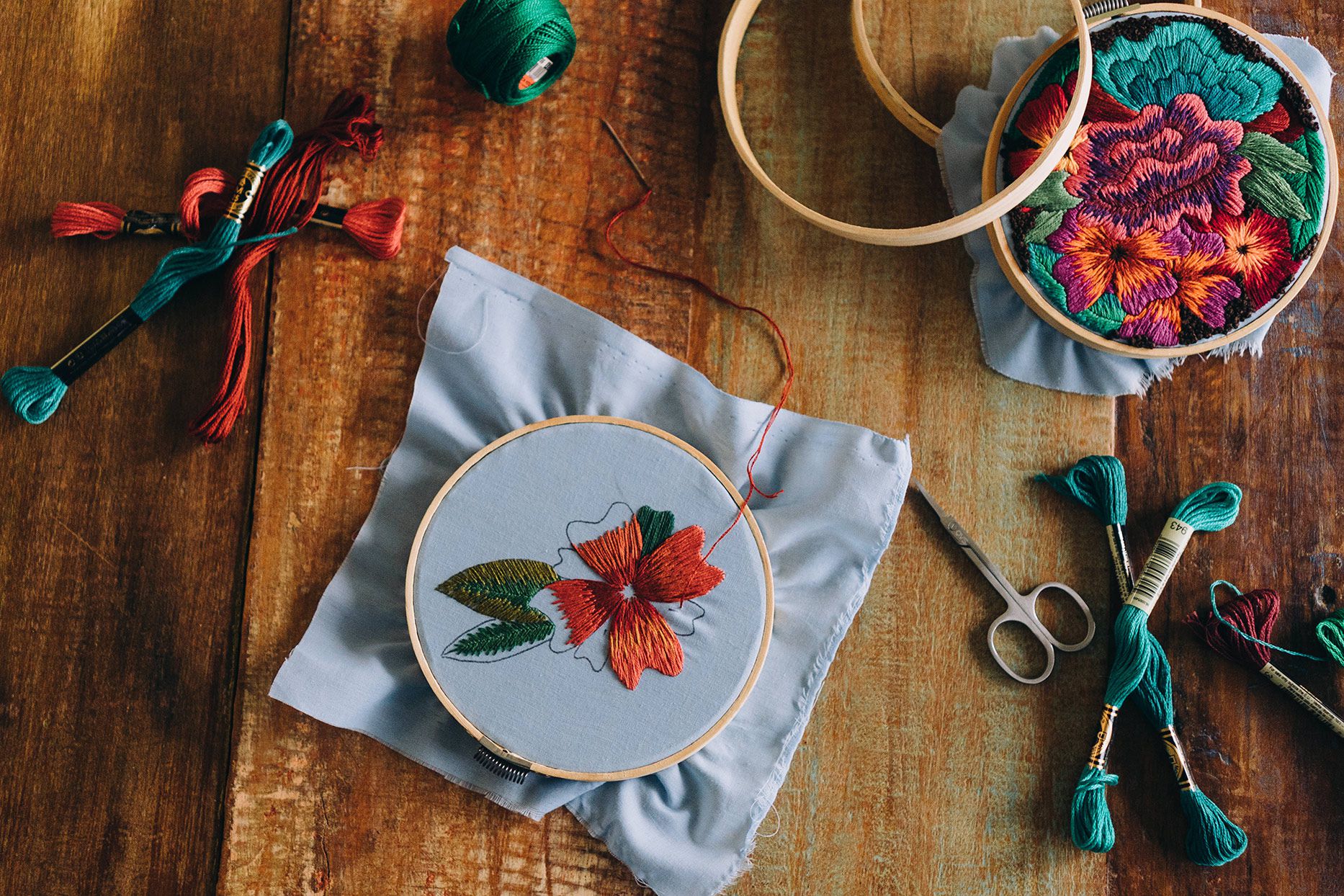
- Embroidery hoop kits (pattern includedno freestyle panic)
- Clay-by-number (tactile, forgiving, and quietly addictive)
How to make gateway crafts stick
- Pick a project with a defined finish line (kits are great for this).
- Start with one craft at a time. You don’t need seven new personalities in one weekend.
- Choose a format that fits your life: 15-minute bursts or a longer “Saturday craft session.”
2) Emotional Support Crafts
Emotional support crafts are hands-on, repetitive projects that help you unwindlike knitting, embroidery, and other rhythmic “busy hands, calmer brain”
activities. Think of them as meditation… but with receipts you can hang on the wall or wear.
Why it’s trending
More people are using creativity to manage stress, reduce screen time, and reset their attention. Michaels describes this shift as trading doomscrolling
for tactile, repetitive making that helps you slow down and recharge.
Examples that fit the “emotional support” vibe
- Knitting or crochet (repetitive stitches, cozy outcomes)
- Embroidery/cross-stitch (portable, focused, relaxing)
- Junk journaling (collage + memory keeping + “no rules” creativity)
- Beading (patterned repetition with a reward at the end)
- Simple watercolor washes (messy in a charming way)
Make it easier to actually use crafting as self-care
- Create a tiny “grab-and-go” kit (a pouch with needles/thread, a small hoop, or a mini sketch kit).
- Keep one “low-brain” project for tired dayssomething you can do while listening to music or a podcast.
- Stop aiming for perfection. The goal is calm, not a museum opening.
3) DIY and Dine
Michaels calls out a shift from “let’s do brunch” to “let’s do a crafternoon.” DIY and Dine is about crafting as a social activityhosting a project,
sharing supplies, snacking, laughing, and leaving with something you made (and maybe someone else’s glue stick by accident).
Why it’s trending
People want connection that feels meaningful and low-pressure. Craft nights are a social alternative to loud venues, and they naturally build conversation:
your hands stay busy, which makes it easier to relax.
Easy “crafternoon” ideas that don’t overwhelm beginners
- Charm + keychain bar (beads, cords, letter charms, clips)
- Mini canvas paint party (abstract shapes, simple color blocks)
- Seasonal wreath station (pre-made bases + mix-and-match stems/ribbon)
- Photo + collage night (junk journaling pages, memory spreads)
- Ornament-making (holiday-ready, quick wins)
Host like a pro
- Pick one project with two or three variations so everyone can personalize without chaos.
- Set up stations: materials, tools, and a “help desk” area for instructions.
- Plan snacks that won’t fight your supplies. (Glitter + greasy chips = a craft memory you’ll never forget.)
4) Gifting with Love, Not Labels
This trend is about ditching generic gifts for personalized, story-filled presents that feel meaningfulwithout needing luxury branding to prove you care.
Michaels highlights that handmade gifts can also be budget-friendly, especially when you craft in batches or use stash supplies.
Why it’s trending
Personalized gifting hits the sweet spot of thoughtfulness and practicality. In a year where many people are cost-conscious, a handmade gift feels rich
in meaningeven when the material cost is modest.
Handmade gift ideas that feel personal (not random)
- Custom scrapbook or junk journal (tickets, photos, notes, little “remember when” moments)
- Knit/crochet comfort items (scarves, hats, cozy lap blankets)
- Personalized kitchen textiles (embroidered towels, potholders, coasters)
- DIY gift wrap as part of the gift (stamped paper, handmade tags, layered ribbons)
- Mini “theme baskets” (a mug + cocoa + a handmade ornament = instant warmth)
Quick tip: meaningful beats complicated
Add a note that explains the “why” behind it: “I made this in your favorite colors,” or “This pattern reminded me of our trip.”
That story is the label.
5) Manifesting with Miniatures
Miniatures have surged in 2025think book nooks, tiny rooms, miniature cafés, dollhouse-like scenes, and small-scale clay food.
Michaels ties this trend to “manifestation culture”: building a tiny version of your dream space or life as a tangible way to visualize what’s possible.
Why it’s trending
Miniatures combine escapism, storytelling, and a satisfying sense of control: you can build a perfect little world that fits on a shelf.
They’re also ideal for people who want a deep, immersive project without redecorating their entire home (or explaining to roommates why the living room
is now “an installation”).
Miniature projects with high “wow” factor
- Book nooks (tiny dioramas that slide between books)
- Mini greenhouse scenes (micro plants, tiny pots, cozy lighting)
- Seasonal mini villages (buildable collections for holidays)
- Clay mini foods (charms, magnets, display pieces)
Beginner-friendly miniature tips
- Start with a kit so you’re not hunting for 17 types of glue like it’s a side quest.
- Use the right tools: tweezers, fine-tip scissors, mini brushes, precision applicators.
- Work in short sessions to avoid “tiny fatigue” (yes, it’s real).
6) Dupe-It-Yourself Décor
Dupe culture isn’t just about finding cheaper lookalikesit’s about recreating a vibe. Michaels points to inflation and fast-moving viral trends as drivers:
more DIYers are making décor that looks high-end for less, often through upcycling and personalization.
Why it’s trending
People want statement pieces without statement prices. DIY lets you copy the “shape” or “aesthetic” of a popular item while customizing the details
size, color, textureso it actually fits your space.
Realistic DIY “dupe” projects
- Textured wall art (spackle, joint compound, canvas, simple tools)
- Designer-style lampshade refresh (fabric wrap, trim, paintcarefully)
- Thrifted furniture glow-up (paint, new hardware, lining drawers, updating legs)
- High-end vase look (paint techniques, clay texture, faux stone finishes)
- Seasonal tablescapes (DIY runners, handmade place cards, balloon or floral moments)
Dupe smart, not reckless
- Focus on the “design principles” (shape + texture + proportion) rather than exact copying.
- Upcycle when possible: it’s cheaper, sustainable, and you get a one-of-one result.
- Safety note: ventilate when painting, follow adhesive instructions, and don’t craft your way into a headache.
How These 6 Trends Fit Together
Here’s the big pattern: 2025 crafting is about access (gateway crafts), well-being (emotional support crafts),
connection (DIY and Dine), meaning (gifting with love), imagination (miniatures), and value
(dupe-it-yourself décor). Together, they move crafting out of the “hobby corner” and into everyday life.
In other words: craft time isn’t extra. For many people, it’s how they recharge, socialize, and make home feel like homewithout paying boutique prices.
of Real-World Experiences Around These 2025 Crafting Trends
Across craft communities in 2025, a common experience keeps popping up: people aren’t just making thingsthey’re making space.
Space from nonstop notifications. Space from spending pressure. Space from the feeling that every hobby must become a hustle.
The Michaels trend list makes sense when you listen to how crafters describe their day-to-day lives right now.
Gateway crafts feel like permission to begin
Many makers describe gateway crafts as the first hobby that didn’t require “being good at it” to enjoy it. A paint-by-number kit becomes a confidence boost
because the instructions are clear and the finish line is visible. Diamond art feels meditative because there’s always a next tiny step.
People talk about the relief of starting something where the rules are friendlythen discovering that “I’m not creative” was never true; it was just fear
disguised as a personality trait.
Emotional support crafts become a daily reset button
Crafters often describe repetitive workstitching, crocheting, beadingas the moment their shoulders drop. It’s not dramatic; it’s practical.
A few rows of knitting after work becomes the bridge between “I’m still in work mode” and “I’m home now.” Some people swap a second screen (doomscrolling)
for a hoop and thread, not because they’re chasing productivity, but because the physical motion helps them feel grounded.
The best part? The calm has a souvenir: a finished patch, a little embroidered flower, a scarf that holds the memory of quiet evenings.
Crafternoons build softer, easier friendships
Social crafting experiences often sound different than traditional hangouts. People mention feeling less pressure to be “on” because the activity does some
of the social heavy lifting. Hands stay busy, which gives conversation room to breathe. Guests who don’t know each other well bond faster when they’re
passing scissors, comparing color choices, or laughing about a crooked line that somehow makes a project better. For many, it’s an alcohol-free social plan
that still feels celebratorylike a party, but calmer.
Miniatures teach patience (and deliver joy in small doses)
Miniature crafting experiences tend to be intensely personal. Makers describe the satisfaction of building a tiny world where every detail is intentional.
The process can be slow, but that’s part of the appeal: it’s immersive, absorbing, and oddly comforting. Some people say miniatures help them visualize goals
(a dream reading nook, a future café trip, a cozy version of “someday”) in a way that feels playful instead of stressful.
DIY dupes bring pride, not just savings
With dupe-it-yourself décor, many crafters say the best payoff isn’t the costit’s the “I did that” feeling. A thrifted table becomes a statement piece.
Textured wall art becomes the focal point that guests assume came from a trendy store. And because it’s handmade, it fits better: the right size, the right
color, the right vibe. People often describe these projects as a small rebellion against overpriced aestheticsand a reminder that creativity is a resource,
not a luxury.
Conclusion
The biggest crafting trends of 2025 aren’t about chasing perfection. They’re about making creativity easier to start, easier to share, and easier to use as
a tool for feeling better and living smarter. Whether you’re dipping a toe in with a beginner kit, hosting a crafternoon, building a tiny dream world, or
DIY-ing your way to designer vibesthis is a year where crafting meets real life and actually helps.