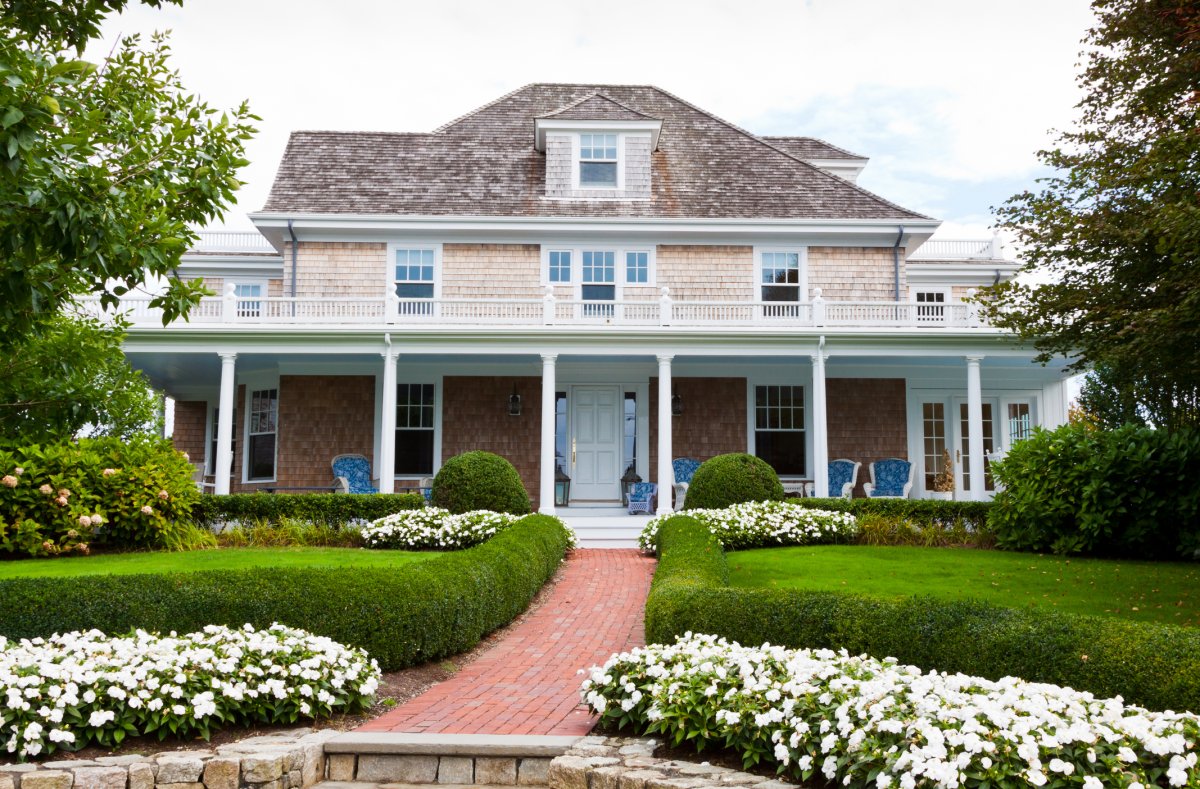

Curb appeal is basically your home’s handshake. And if that handshake is clammy, covered in pollen, and hiding behind an overgrown shrub… well, let’s just say
first impressions do a lot of heavy lifting before anyone steps inside.
Whether you’re prepping to sell, trying to stop side-eye from the neighbors, or simply aiming for a front yard that doesn’t scream “I gave up in April,”
avoiding a few common curb appeal mistakes can make your place look more expensive, more cared for, and way more inviting.
Why These Curb Appeal Mistakes Matter (Even If You’re Not Selling Tomorrow)
Buyers (and guests, and delivery drivers, and your own eyeballs) judge a home from the street. Today that judgment often starts online, tooone unflattering
exterior photo can change the whole vibe of a listing before the first showing.
And here’s the wild part: the “wow” factor often comes from boring stuffcleanliness, scale, consistency, and a front door area that doesn’t look like a yard
sale audition. Data backs up the idea that exterior upgrades can deliver outsized value at resale. In the 2025 Cost vs. Value data, several of the top
projects with the strongest cost recovery are exterior improvements (hello, garage and entry doors).
Mistake #1: Treating Basic Exterior Maintenance Like an Optional Hobby
This is the curb appeal equivalent of showing up to picture day with spinach in your teeth. You might have an amazing home, but neglect on the outside tells a
story buyers don’t want to hear: “If they skipped the easy stuff, what’s lurking behind the walls?”
What “maintenance neglect” looks like in real life
- Peeling paint, faded trim, or sunbaked shutters
- Weeds in driveway cracks and sidewalks that look like a tiny jungle ecosystem
- Dirty siding, stained concrete, or a front porch that needs a serious scrub
- Overstuffed bins, random yard tools, or “temporary” items that have lived outside since last summer
- Hanging gutters, clogged downspouts, or a roofline with visible moss/leaf buildup
- A mailbox that leans like it’s tired of carrying everyone’s catalogs
Why it’s a curb appeal killer
Maintenance issues are loud. Not always visually dramatic, but emotionally dramaticbecause they spark doubt. A cracked driveway or grimy entry doesn’t just
look messy; it creates a mental spreadsheet of future chores and costs.
Fixes that work fast (and don’t require a reality show crew)
- Power wash strategically: driveway, walkway, porch, steps, and siding as needed. Clean concrete can look “new” overnight.
- Paint the smallest high-impact areas: front door, trim, shutters, railings. You don’t always need a full exterior repaint to look fresh.
- Patch and tidy: fill small cracks, pull weeds, edge the lawn, refresh mulch, and remove anything that doesn’t belong in the “front-stage” zone.
- Reset the details: straighten the mailbox, replace rusty hardware, and make sure the doorbell and porch light aren’t giving “1993 rental.”
Think of this as the “hotel lobby test.” If your entry looks clean and intentional, people assume the rest of the house follows suit.
Mistake #2: Landscaping Without a Plan (or With the Wrong Plan)
Landscaping is where curb appeal dreams go to either bloom… or become a cautionary tale. The biggest landscaping mistake isn’t “no landscaping.” It’s
landscaping that feels accidental: plants jammed in wherever there’s space, mismatched styles, and shrubs that will absolutely eat your windows in two years.
The most common landscaping errors
- Ignoring scale and proportion: tiny plants against a large facade, or monster shrubs planted too close to the house
- Overcrowding: lots of different plants fighting for attention, creating visual chaos instead of curb appeal
- Neglecting maintenance reality: choosing high-maintenance plants when you realistically want low-maintenance curb appeal
- Creating “dead zones”: sparse beds, patchy lawn, or a bare yard that feels unfinished
- Messy edges: undefined bed lines, scattered mulch, or grass creeping into planting areas
Why this mistake is sneaky
Landscaping is supposed to frame your home, not compete with it. When plants are poorly scaled or the design feels random, the whole exterior can look smaller,
older, or less cared foreven if the house itself is solid.
A simple curb appeal landscaping formula that rarely fails
- Pick one focal point: usually the front door or a central window grouping.
- Layer plants by height: taller anchors in back, medium shrubs in the middle, lower plants/groundcover up front.
- Repeat, don’t remix: repeating a few plant varieties looks intentional and modern. Too many “one of everything” reads cluttered.
- Leave breathing room: plants should have space to grow, and sightlines to windows and pathways should stay clear.
- Commit to maintenance-friendly choices: a neat landscape beats an ambitious one that turns into a weekly guilt trip.
Specific examples (so you can picture it)
Example 1: A small ranch home with a towering evergreen planted three feet from the porch. In year one it looks fine. By year five it blocks the
entry, crowds the facade, and becomes “the plant you now plan your life around.” Better move: a smaller ornamental tree set farther from the house, plus
structured shrubs that won’t swallow the windows.
Example 2: A front bed filled with seven different flowering plants in seven different colors. It’s not “cheerful”it’s “confetti cannon.”
Better move: choose two main colors, repeat them, and use greenery to create calm between pops of seasonal color.
Mistake #3: Ignoring the “Front Door Zone” (The 30-Second Judgment Area)
If curb appeal had a stage, the front door zone is center spotlight. This is where people decide if your home feels welcoming, updated, and cared foror
dim, cluttered, and confusing (like a restaurant entrance with five competing signs and no host stand).
The biggest front door zone mistakes
- Bad lighting: outdated fixtures, harsh glare, or not enough light to make the entry feel safe and warm
- Forgotten door details: faded door paint, worn hardware, flimsy doormat, or a door that looks tired
- Outdated or hard-to-read house numbers: if visitors can’t find your home easily, your curb appeal is doing the opposite of its job
- Porch clutter and kitschy overload: too many decorations, tired furniture, or seasonal items that feel more chaotic than charming
- A “hidden” entry: the path to the door isn’t clear, the landscaping blocks the route, or the focal point is unclear
How to fix it (without rebuilding your porch)
-
Upgrade lighting like you mean it: a modern fixture and warm-toned bulbs can make the whole facade feel newer at night.
Add subtle path lights if the walk is long or uneven. -
Refresh the front door: paint if needed, clean it, and replace worn hardware. A strong door color can be a focal point, but it should
make sense with your exterior palette and style. - Make house numbers and mailbox look intentional: update them so they match the style of the home and are easy to read from the street.
- Edit the decor: one great wreath beats three random signs. Two substantial planters beat five tiny pots that look like they’re hiding from each other.
- Clarify the path: trim back anything that crowds the walkway, and make sure the route feels obvious and clean.
The goal is simple: when someone walks up, their brain should think “nice,” not “huh.”
A 10-Minute Curb Appeal Self-Audit (Do This Before You Spend a Dollar)
- Stand across the street. Squint. What’s the first thing you notice?
- Walk the path to your front door like a buyer would. Is it clear and tidy?
- Look at the door area: lighting, hardware, mat, plants, and clutter.
- Scan for “maintenance tells”: peeling paint, grime, weeds, cracks, sagging gutters.
- Check landscaping scale: are plants overwhelming windows or blocking the entry?
- Take a photo (seriously). Photos reveal issues your eyes excuse in real life.
Where to Spend vs. Where to Save (Smart ROI Thinking)
You don’t have to do everything. You just have to do the right things. Broadly speaking, the strongest “value signals” tend to come from visible exterior
updates and a clean, consistent look.
High-impact investments
- Doors: garage doors and entry doors can dramatically modernize the front of a home (and often show strong cost recovery in national reports).
- Exterior refresh: paint where it matters, replace visibly dated fixtures, and repair what looks broken.
- Landscape structure: defined beds, trimmed shrubs, fresh mulch, and a healthy lawn read as “well cared for.”
Budget-friendly wins
- Power washing
- New house numbers
- Updated porch light
- Fresh mulch and clean edges
- Two matching planters near the entry
- A front door paint refresh (when the surface is in good shape)
Extra : Real-World “Experience” Lessons From Curb Appeal Makeovers
Since curb appeal mistakes are easiest to spot when you see them play out, here are a few real-world-style scenarios homeowners constantly run intoeach one
tied to the three big mistakes above. Think of these as the “I learned this so you don’t have to” highlights (without the bruised thumbs).
Experience #1: The “We Didn’t Notice the Grime Until We Took Photos” Moment
A homeowner gets ready to list and feels pretty confident: the interior is clean, the kitchen is updated, and the yard is “fine.” Then the listing photos come
backand suddenly the exterior looks dull, streaky, and tired. The walkway appears gray instead of bright, the porch steps look stained, and the front door
has a chalky fade that never stood out in daily life. Nothing is technically “broken,” but the vibe is “deferred maintenance,” which makes buyers suspicious.
The fix is almost annoyingly simple: power wash the walkway and steps, wipe down the door, replace the torn doormat, and touch up peeling trim. When the home
is photographed again (or even just viewed in better light), it reads as crisp and cared for. The lesson: exterior cleanliness isn’t cosmetic fluffit’s a
trust signal. If you do nothing else, remove the grime and the doubt.
Experience #2: The Landscaping That Looked Cute… Until It Grew Teeth
Another common story: someone plants shrubs because they look adorable in 1-gallon pots, then forgets those shrubs are essentially training for a future career
as a hedge. A year or two later, the plants are swallowing the walkway, brushing the siding, and blocking light from windows. The front of the home feels
crowded and smaller, and the entry looks half-hidden. On top of that, maintenance becomes hardernow trimming is a regular chore, and skipping it for even one
season makes the front yard look instantly wild.
This is the scale-and-proportion mistake in action. The best “experienced homeowner” fix is to choose plants based on mature size and keep a buffer from the
house. When people rework the layoutfewer plant varieties, more repetition, clean bed edgesthe yard looks designed instead of accidental. The lesson: good
landscaping is less about adding more and more about placing the right things in the right sizes.
Experience #3: The Front Door Area That Turned Into a Storage Unit
Even homeowners who keep a neat yard often let the porch become a “temporary” holding area: spare pots, a package pile, a seasonal sign that never got taken
down, maybe a chair that’s seen better decades. Add a dim light fixture and faded house numbers, and suddenly the entry is confusing and unwelcoming. Visitors
hesitate. Delivery drivers wander. Buyers stand there thinking, “If this is the front entrance, what’s the basement like?”
The turnaround tends to be dramatic because the fix is mostly editing. Clear the clutter, keep one or two intentional decor pieces (like matching planters),
update the light fixture, and make sure the house numbers are readable. A freshly painted door or new hardware can act like “house jewelry,” giving the entry
a focal point that photographs well and feels inviting in person. The lesson: the front door zone should look like an entrance, not an afterthought.
Put all three experiences together and you get a simple curb appeal truth: the best-looking homes aren’t always the fanciestthey’re the ones that look
intentional, maintained, and easy to walk up to.
Final Takeaway: Make It Look Cared For, Then Make It Look Intentional
If you only remember one thing, make it this: curb appeal is less about expensive upgrades and more about avoiding obvious “nope” signals.
Clean the exterior, keep landscaping scaled and tidy, and give the front door zone the attention it deserves.
Do those three, and your home will look better in person, better in photos, and better in the buyer’s brain.