
Keto can feel like a magic trick: you cut carbs, you increase fats, and suddenly your brain stops writing breakup letters to bread.
But there’s one sneaky downside that shows up for a lot of peoplefiber.
When you remove many grains, beans, and high-carb fruits, your “daily fiber plan” can accidentally become “I ate cheese and hoped for the best.”
The good news: you can absolutely get plenty of fiber while staying low-carb.
The even better news: most keto-friendly fiber foods are delicious, practical, and don’t require you to chew on a decorative houseplant.
Let’s fix the “keto + fiber” puzzle with foods that actually fit your macrosand your life.
Why fiber feels harder on keto (and why you still want it)
Fiber is a type of carbohydrate your body can’t fully digest. That’s exactly why it’s helpful:
it supports regular digestion, helps you feel satisfied, and feeds beneficial gut bacteria (especially certain fermentable fibers).
Many people also find that fiber helps keep blood sugar steadier and can support heart health as part of an overall balanced diet.
On keto, you’re usually limiting carbs enough to encourage ketosis. That “carb budget” is small, so you want carbs that do something useful.
Fiber is basically the MVP of “useful carbs.”
Total carbs vs. net carbs (the keto math that matters)
Many keto eaters track net carbs, which are commonly calculated as:
net carbs = total carbs − dietary fiber
(and sometimes minus certain sugar alcohols, depending on the label and the person).
Not everyone responds the same way to every “net carb” product, and labels can be confusing.
A smart approach is to start with mostly whole foods and treat packaged “keto-friendly” items like you would a new pet:
introduce slowly, observe behavior, and don’t assume it will be low-maintenance.
How much fiber should you aim for?
General U.S. guidance often cites about 25 grams/day for women and 38 grams/day for men (with slightly lower targets after age 50).
Plenty of people fall short, keto or not.
If you’re increasing fiber, do it gradually and drink enough waterfiber works best when it has fluids to work with.
If you have digestive conditions or take medications, it’s wise to check with a clinician before adding fiber supplements.
The 12 best keto-friendly sources of fiber
Below are fiber-rich options that can fit a low-carb pattern. Fiber and net carb counts vary by brand and portion,
so treat numbers as typical ranges and verify with your nutrition label or a trusted nutrient database when needed.
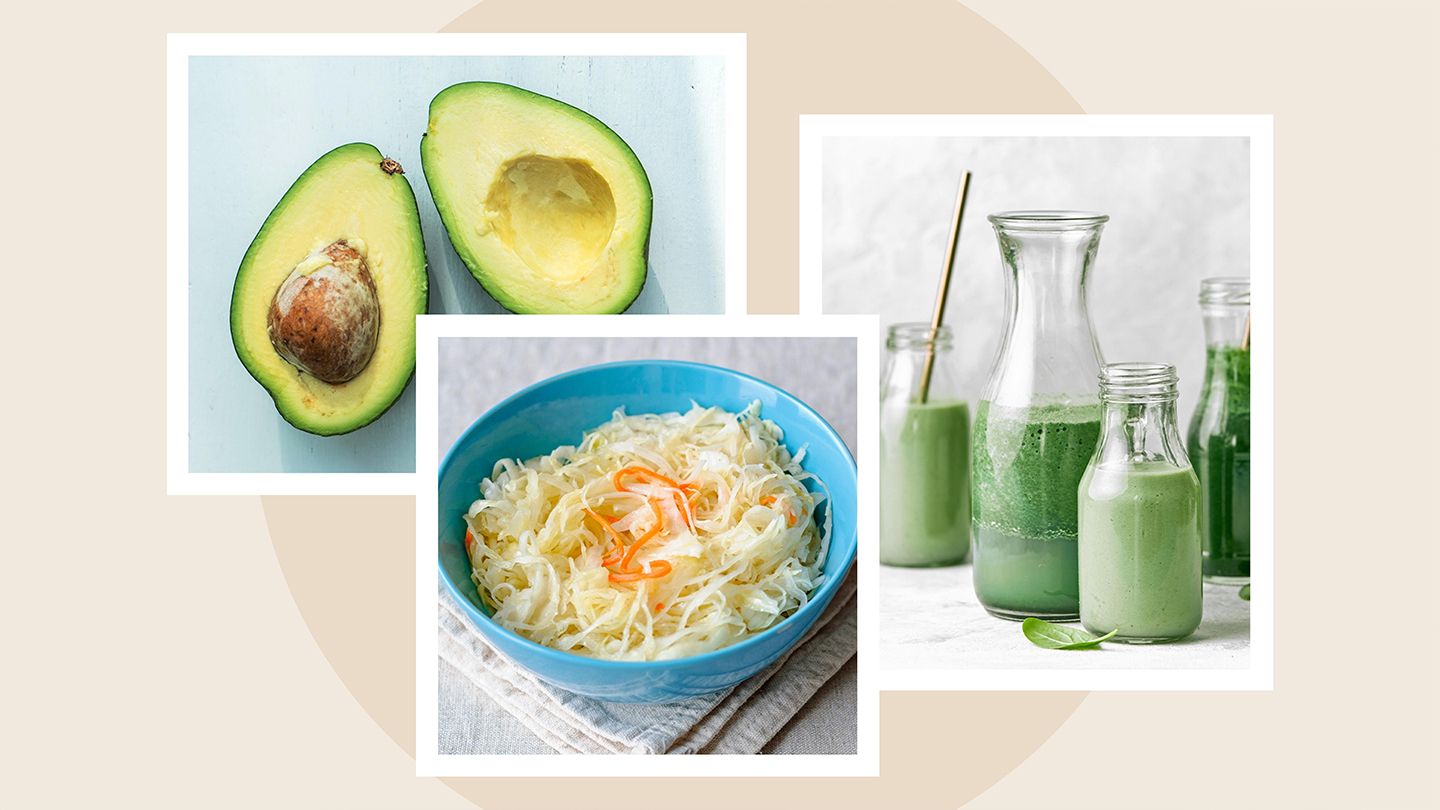
1) Avocados
Avocados are the unofficial mascot of keto for a reason: healthy fats, potassium, and a solid fiber boost.
They’re also a “keto convenience food” because you can eat them with a spoon and still feel fancy.
- Easy ideas: guacamole, sliced on eggs, blended into a creamy dressing, or diced into salads.
- Fiber win: a modest serving can contribute a meaningful chunk of your daily fiber without blowing carbs.
2) Chia seeds
Chia seeds are tiny, but they pull serious weight. They absorb liquid and form a gel, which many people find helpful for satiety.
They’re also a go-to for keto breakfast and dessert situations that would otherwise devolve into “bacon again?”
- Easy ideas: chia pudding (unsweetened almond milk + cinnamon + berries), stir into yogurt, blend into smoothies.
- Pro tip: start small if you’re new to chiayour gut prefers surprises that are fun, not shocking.
3) Ground flaxseed
Flaxseed brings fiber plus healthy fats. Ground flax is usually easier to digest than whole flax, and it mixes smoothly into foods.
It’s also a keto baking classic for adding structure without adding a mountain of starch.
- Easy ideas: sprinkle into yogurt, add to smoothies, use in “flax eggs” for baking (ground flax + water).
- Flavor note: mild and nuttyplays well with cinnamon, cocoa, and nut butters.
4) Psyllium husk
Psyllium is a fiber supplement that can be especially useful if food alone isn’t getting you where you want to go.
It’s commonly used to support regularity and is also used in many keto breads and tortillas to improve texture.
- Easy ideas: stir into water (follow label directions), add small amounts to keto baking recipes.
- Important: take with plenty of water. If you’re on medications, ask a clinician/pharmacist about timing.
5) Berries (especially raspberries and blackberries)
Are berries keto? In the right portionsoften yes. Raspberries and blackberries are popular because they provide fiber and flavor
with fewer net carbs than many other fruits.
- Easy ideas: a small bowl with whipped cream (unsweetened), berries in yogurt, berries on chia pudding.
- Portion strategy: measure once or twice until you learn what fits your carb target.
6) Cruciferous vegetables (broccoli, cauliflower, Brussels sprouts, cabbage)
Cruciferous veggies are a keto fiber foundation: they’re low in net carbs for their volume,
and they’re easy to cook in ways that don’t feel like “diet food.”
- Easy ideas: roast with olive oil, sauté with garlic, mash cauliflower, shred cabbage into slaw.
- Fiber trick: keep the portions generousthese veggies add “bulk” to meals that might otherwise be small and snacky.
7) Asparagus
Asparagus is low-carb, fiber-friendly, and fast to cook. It’s also one of the easiest vegetables to upgrade with fat:
butter, olive oil, hollandaise, parmesanpick your personality.
- Easy ideas: roast, grill, or sauté; wrap in bacon if you enjoy making vegetables wear tiny outfits.
- Meal pairing: great alongside salmon, steak, chicken thighs, or eggs.
8) Artichoke hearts
Artichokes are famous for fiber, but they’re also a “watch your portion” food on keto because carbs can add up depending on the serving.
The payoff: they’re one of the most fiber-dense vegetables you can use strategically.
- Easy ideas: marinated artichoke hearts in salads, spinach-artichoke dip (go easy on added starches).
- Tip: drain and rinse jarred versions if you want less oil/sodium (or keep the oil if that’s your vibe).
9) Leafy greens (spinach, kale, collards, romaine)
Leafy greens are low in net carbs and bring fiber plus micronutrients.
They’re not always the highest-fiber food by the numbers, but they’re the easiest to eat in large volumeso they matter.
- Easy ideas: big salads, sautéed greens in olive oil, greens blended into smoothies (yes, really).
- Fiber hack: add chia/flax, avocado, and nuts to salads to turn “greens” into “fiber strategy.”
10) Nuts (almonds, macadamias, pecans, walnuts)
Nuts can provide fiber plus fats, but portions matter because calories add up quickly.
Think of nuts as “keto confetti”sprinkle, don’t dump the whole container like it’s New Year’s Eve.
- Easy ideas: chopped on salads, almond butter in smoothies, walnuts with cheese.
- Label check: avoid honey-roasted, candied, or “lightly sweet” versions (they’re never lightly sweet).
11) Unsweetened coconut (flakes, shredded, coconut flour)
Unsweetened coconut is a flexible keto ingredient that contributes fiber and flavor.
Coconut flour is especially fiber-rich, but it absorbs a lot of liquidso recipes need to be designed for it.
- Easy ideas: add shredded coconut to yogurt, use coconut flour for keto pancakes or muffins.
- Tip: “unsweetened” is the key word. Sweetened coconut is basically dessert wearing a trench coat.
12) Konjac foods (shirataki noodles, glucomannan)
Shirataki noodles are made from konjac (glucomannan), a type of soluble fiber.
They’re extremely low in net carbs and can help you build a pasta-style meal without using wheat flour.
The texture is uniquesome people love it, some people need sauce therapy.
- Easy ideas: rinse well, dry-sauté to improve texture, then add a bold sauce (pesto, creamy alfredo, spicy peanut-style sauce).
- Gentle reminder: introduce slowly if you’re sensitivehigh-fiber foods can cause gas/bloating when added too fast.
How to hit your fiber goal on keto (without living on supplements)
The secret is stacking: pick 2–3 fiber foods per meal so you’re not relying on one heroic bowl of salad at 10 p.m.
Try these “fiber stacks”
- Breakfast: chia pudding + a small portion of raspberries + chopped nuts
- Lunch: big leafy salad + avocado + grilled chicken + pumpkin seeds (or almonds)
- Dinner: salmon + roasted broccoli/cauliflower + sautéed greens
- Comfort meal: shirataki noodles + creamy sauce + mushrooms + spinach
3 fiber mistakes keto beginners make
- Going from “low fiber” to “chia everywhere” overnight: ramp up gradually to avoid GI drama.
- Forgetting water and electrolytes: fiber needs fluid; keto can increase water loss early on.
- Over-trusting “keto” packaged snacks: some “net carb” products still spike cravings or don’t sit well.
What to do if keto constipation shows up
Constipation is common when changing your dietespecially if your fiber drops, your fluid intake drops, or your routine changes.
For many people, the basics help: drink more water, eat more high-fiber keto vegetables, and consider gentle options like chia or psyllium if needed.
If constipation is severe, painful, or persistentor if you have medical conditionscheck in with a clinician.
The goal is “regular and comfortable,” not “tough it out like it’s a survival show.”
Experiences on keto: what people notice when they prioritize fiber
When people start keto, the first week often feels like a highlight reel: appetite changes, fewer cravings, and that “I don’t need snacks every hour” glow.
Then reality taps the shoulder: digestion can slow down. It’s not always dramatic, but it’s common for people to say they feel a little “stuck,”
especially if their meals suddenly become smaller and more protein-and-cheese heavy.
A frequent pattern is that someone begins keto with the best intentionseggs for breakfast, chicken and cheese for lunch, steak for dinner
and their vegetables quietly disappear like background characters in a movie. The fix usually isn’t a single miracle food.
It’s building a new routine where fiber shows up automatically.
Many keto eaters describe a turning point when they start using “fiber anchors.” For example, avocado becomes a regular add-on:
a few slices on eggs, a scoop of guac with dinner, or blended into a dressing that makes salads feel less like homework.
That one habit often increases fiber without feeling like a major diet change, because it fits the keto fat profile naturally.
Another common experience is discovering that chia and flax aren’t just “health store ingredients.”
People who try chia pudding for the first time often go through three emotional phases:
(1) curiosity, (2) confusion about the texture, and (3) “wait, this is actually good.”
Once the texture becomes familiar, chia pudding can turn into a reliable fiber-forward breakfast or snack
especially when paired with a small portion of raspberries or blackberries for flavor.
Ground flax tends to be easier to blend into everyday foods, and people often report it’s the simplest “invisible fiber” to add to smoothies or yogurt.
Vegetables also become easier when people stop treating them as a side dish and start treating them as the base.
Roasted broccoli or cauliflower can take up half the plate, then get finished with olive oil, butter, or parmesan so it actually tastes satisfying.
A lot of people find that once they do this consistently, they don’t miss high-carb sides as much, because the meal still feels big and complete.
Shirataki noodles are a funny one: they’re often a love-it-or-hate-it experience.
People who hate them usually didn’t rinse them well or didn’t dry-sauté them first.
People who love them treat them like a “sauce delivery system,” using bold flavorsgarlic, pesto, spicy sauces, creamy cheese sauces
and loading them with spinach, mushrooms, and protein. In that form, they can help someone stick with keto while still eating a familiar “pasta night” meal.
Finally, fiber supplements like psyllium are often described as a “backup plan,” not a lifestyle.
Many people prefer a food-first approach, but they keep psyllium available for times when travel, busy schedules, or low-vegetable days happen.
The best experiences tend to come from starting with small amounts, using plenty of water, and paying attention to how the body responds.
Overall, the story most keto eaters tell is simple: when fiber becomes part of the plan, keto feels smootherless uncomfortable, more sustainable,
and less like you’re negotiating with your digestive system every morning.
Conclusion
Keto doesn’t have to mean “low fiber.” The best approach is building meals around fiber-friendly keto staplesavocado, chia, flax, vegetables, berries,
and smart add-ons like psyllium or konjac foods when needed. Start gradually, hydrate well, and focus on consistency over perfection.
Your gut will thank you. Your future self will also thank you. Possibly with tears of gratitude. Or at least a calm morning routine.