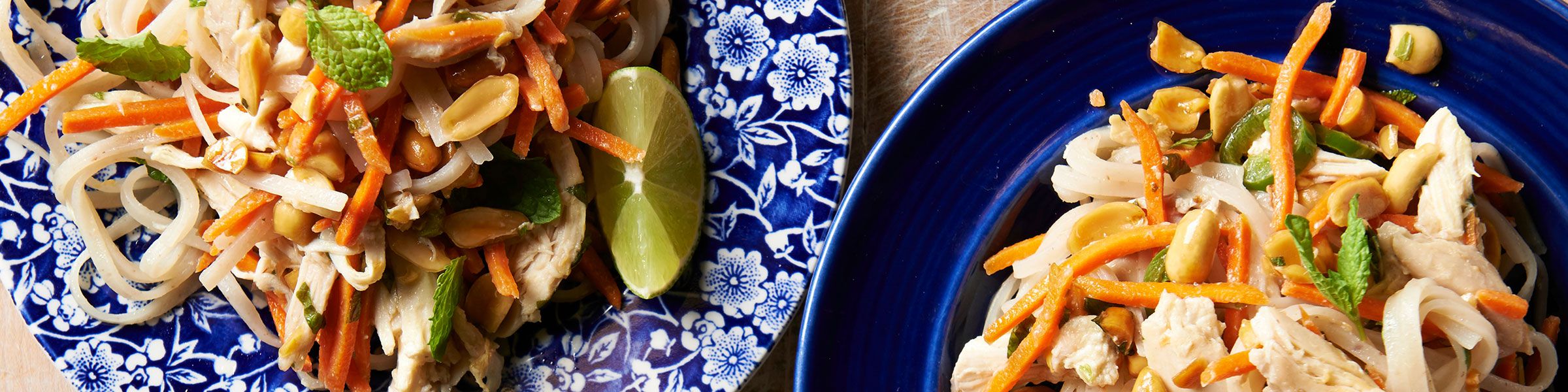

Thai food has a superpower: it can taste like a full conversation in one bite. Sweet chats up salty, sour elbows in like it owns the room, spicy shows up uninvited, and somehow it all works. The best part? You don’t need a restaurant wok the size of a satellite dish to cook Thai recipes at home in the U.S. You just need the right building blocks, a basic “balance mindset,” and the confidence to let fish sauce be… fish sauce.
What “Thai Flavor” Really Means (and How to Copy It at Home)
If you’ve ever wondered why Thai recipes taste so alive, it’s usually because they’re engineered around balance and aroma. Many dishes aim for a tightrope walk of:
- Salty/umami (often fish sauce, sometimes shrimp paste, soy sauces, or salted preserved ingredients)
- Sour (lime, tamarind, occasionally vinegar)
- Sweet (palm sugar is classic; brown sugar can work in a pinch)
- Spicy (fresh Thai chiles, dried chiles, chili pastes)
- Aromatics (lemongrass, galangal, makrut lime leaves, garlic, shallots, herbs)
Here’s the trick: don’t treat seasoning as a single moment at the end. In Thai cooking, you adjust as you go. Taste, tweak, taste again. If your dish feels “flat,” it usually needs one of two things: a bit more acid (lime/tamarind) or a little more salt/umami (fish sauce). If it’s too aggressive, you can soften it with sweetness (palm sugar) or richness (coconut milk).
Thai Pantry Staples to Keep on Hand (U.S.-Friendly)
Stocking a Thai pantry doesn’t mean buying 47 mystery jars you’ll fear forever. Start with these, and you’ll be able to cook a ridiculous number of Thai recipes on repeat.
1) Fish Sauce (Yes, This Is Non-Negotiable)
Fish sauce is the salty backbone in countless Thai dishes. It smells… enthusiastic in the bottle, but in food it melts into savory depth. If your Thai food tastes “almost right,” fish sauce is often the missing puzzle piece.
2) Tamarind (The Sour That Doesn’t Taste Like Lemon)
Tamarind brings a fruity-tart sourness that’s essential in classics like pad Thai and many dipping sauces. In U.S. stores you’ll usually see tamarind concentrate/pastegreat for quick cooking. If you buy a block, you’ll need to soak and strain it (rewarding, but slightly more work).
3) Palm Sugar (or the Best Substitute You’ve Got)
Palm sugar adds sweetness with a deeper, caramel-like vibe. In a pinch, light or dark brown sugar works. Use a lighter hand at first: sweetness should support, not shout.
4) Coconut Milk (Full-Fat for the Win)
Full-fat coconut milk gives Thai curries their silky body. Many curry methods start by heating thicker coconut cream until it loosens and the fat begins to separatethis helps carry aromas and rounds out heat.
5) Curry Paste (Homemade Is Amazing; Store-Bought Is Real Life)
Thai curry paste is basically flavor concentrate: chiles + aromatics + spices + savory funk. Making it from scratch is a fun weekend project if you like pounding things with purpose. But store-bought curry paste is widely used, especially for weeknights. The “secret” is what you do next: cook the paste properly, then boost it with fresh aromatics, good coconut milk, and smart seasoning (fish sauce + palm sugar + lime).
6) Soy Sauces + Oyster Sauce
Not every Thai recipe is fish-sauce-only. Stir-fry favorites often lean on soy sauces and oyster sauce for glossy, savory depthespecially noodle dishes with Chinese influence.
7) Rice Noodles + Jasmine Rice
Rice noodles give you pad Thai, pad see ew, drunken noodles, and more. Jasmine rice is the everyday “friendly” base for curries, basil stir-fries, and anything spicy enough to require a fluffy peace treaty.
Fresh Ingredients That Make Thai Recipes Pop
If pantry staples build the structure, fresh ingredients bring the personality. These are the “wow, that tastes like Thai food” ingredients you’ll want when you can find them:
- Lemongrass: citrusy and floral; bruise it to release aroma.
- Galangal: peppery and piney (ginger is a substitute, but different).
- Makrut lime leaves (often labeled “kaffir lime leaves” in U.S. markets): intense citrus perfume.
- Thai basil: sweet-anise note; holy basil is ideal for pad kra pao if you can find it.
- Bird’s eye chiles: small, loud, fearless.
- Cilantro stems/roots: underrated flavor boosters (stems are easiest to find and still great).
Core Techniques That Make Thai Cooking Easier (Not Harder)
Bloom Aromatics, Don’t Just Warm Them
Whether you’re starting with curry paste or fresh garlic and chiles, give them time in hot fat to wake up. A minute of sizzling can change the entire dish.
Soak Rice Noodles the Smart Way
For many noodle dishes, you don’t want noodles fully cooked before they hit the pan. Aim for flexible but not mushy. They should finish in the wok/pan with sauce so they absorb flavor instead of just wearing it like a raincoat.
Taste With a “Balance Checklist”
When something’s off, diagnose it:
- Too salty? Add unsalted coconut milk, a splash of water/stock, or more veggies/protein.
- Too spicy? Richness (coconut milk) helps; a little sweetness can calm the heat.
- Too sweet? Add lime or tamarind. Sour is sweetness’s natural predator.
- Tastes flat? Add fish sauce for depth or lime/tamarind for lift (often both, in tiny steps).
7 Thai Recipes to Master (with Practical, U.S.-Kitchen Methods)
Below are “high-signal” guides rather than 40-line dissertations. Each one teaches a pattern you can reuse. Once you learn the pattern, you can swap proteins, adjust heat, and use what’s in season.
1) Pad Thai
Pad Thai is the Thai recipe everyone thinks they knowuntil they make it and realize it’s basically a balancing act disguised as noodles. The classic flavor engine is a sauce built around tamarind (sour), palm sugar (sweet), and fish sauce (salty/umami).
- Do: Keep ingredients ready before you start; stir-frying is fast.
- Do: Use medium rice noodles; soak until pliable, then finish in the pan.
- Do: Add crunch and freshness at the end: bean sprouts, chives/green onion, peanuts, lime wedges.
- Don’t: Drown it in sauce. Pad Thai should be glossy, not soup-adjacent.
2) Thai Green Curry (Gaeng Khiao Wan)
Green curry is creamy, aromatic, and can absolutely ambush you with heat if you underestimate it. A reliable weeknight method: cook curry paste in thick coconut cream until fragrant, add protein (often chicken thigh), then simmer with coconut milk and a splash of water/stock. Finish by seasoning with fish sauce and palm sugar, then add Thai basil and makrut lime leaves for aroma.
Shortcut that still tastes legit: store-bought paste + excellent coconut milk + fresh basil + lime. That combo carries a lot of culinary rent.
3) Tom Kha Gai (Coconut Chicken Soup)
Tom kha gai is comfort food that smells like a spa and tastes like a warm hug with boundaries. Simmer aromatics (bruised lemongrass, galangal, lime leaves) in broth, add coconut milk, then cook chicken and mushrooms gently. The “aha” moment is finishing with lime juice and fish sauce right before serving so the soup stays bright.
4) Som Tam (Green Papaya Salad)
Som tam is crunchy, spicy, sour-sweet chaosin a good way. The method is as important as the ingredients: you bruise and toss in a mortar (or a bowl with a muddler/rolling pin if you’re improvising). Garlic + chiles get crushed first, then fish sauce + lime + palm sugar (and sometimes tamarind), then green papaya and whatever mix-ins you love (tomato, long beans, peanuts, dried shrimp).
Pro tip: The goal isn’t pulverized salad. You want lightly bruised vegetables that soak up dressing while staying crisp.
5) Pad See Ew
Pad see ew is the chewy, savory noodle stir-fry that answers the question: “What if comfort food wore a soy-sauce tuxedo?” Wide rice noodles, Chinese broccoli (or broccolini), garlic, and a sauce that leans on dark soy plus oyster sauce give it that signature color and sweetness. Cook hot and fast so the noodles char a bit without turning to paste.
6) Pad Kra Pao (Thai Basil Chicken)
If Thai recipes had a weeknight MVP trophy, pad kra pao would be polishing it right now. The core is garlic + chiles + ground meat, seasoned with fish sauce and a little sugar, often supported by oyster sauce/soy sauce. Finish with basil. Serve over jasmine rice. Top it with a crispy fried egg and suddenly your Tuesday feels like it got a promotion.
7) A “One-Pan” Thai Curry You Can Make from Anything
When you have curry paste and coconut milk, you have options. This flexible template works for red, green, or panang-style pastes:
- Sizzle curry paste in coconut cream (or oil) until fragrant.
- Add protein and coat it in the paste.
- Add coconut milk + a splash of water/stock; simmer until cooked.
- Season: fish sauce + palm sugar, then brighten: lime.
- Add vegetables near the end so they stay vibrant.
Shopping Tips in the U.S.: How to Find Thai Ingredients Without a Quest Scroll
Asian grocery stores are the easiest one-stop option, and many cities have Thai-focused markets. Online retailers can help with harder-to-find items like makrut lime leaves, galangal, and specialty pastes. If you’re buying curry paste, check heat level and taste as you godifferent brands behave differently, and your future self will thank you for not turning green curry into “green regret.”
Common Mistakes (So You Don’t Have to Learn the Hard Way)
- Overcooking herbs: Thai basil and cilantro are happiest added late.
- Skipping acid: Lime and tamarind aren’t optional “garnishes”they’re structural.
- Using low-fat coconut milk: It can taste thin and won’t carry spice as well.
- Under-seasoning: Thai food shouldn’t taste bland. Build flavor in layers.
- Going too fast at the end: Give yourself time to taste and balance before serving.
Conclusion: Thai Recipes Are a Skill, Not a Mystery
Cooking Thai recipes at home isn’t about chasing perfection or owning the “correct” wok. It’s about learning a few core flavors (fish sauce, tamarind, palm sugar, coconut milk), respecting aromatics (lemongrass, galangal, lime leaves), and tasting with intention. Start with one dish you lovepad Thai, green curry, tom kha, or basil chickenthen reuse the same techniques across new recipes. Soon you’ll be the person who can “fix” a sauce with one squeeze of lime. That’s not magic. That’s practice (and possibly a very well-stocked pantry).
Kitchen Stories & Real-Life Moments with Thai Recipes (Extra)
If you cook Thai recipes long enough, you collect little moments that feel like inside jokes between you and your kitchen. There’s the first time you open fish sauce and instantly understand why people call it “funky,” followed by the second time you realize the smell doesn’t survive the cooking processonly the flavor does. That’s a small but meaningful leap of faith: you learn to trust that an ingredient can be intense on its own and harmonious in a dish.
Then there’s the “balance epiphany.” Most home cooks start by following measurements like they’re sacred text. But Thai cooking quietly teaches you that the final taste is the real boss. You stir a sauce, taste it, and it’s close but not quite. You add a little lime and suddenly everything wakes up. Or you add a pinch of sugar and the heat feels rounder, less sharp. It’s a different way of cookingless like assembling furniture, more like tuning an instrument. The reward is big: you become the kind of cook who can rescue a dish that’s too salty, too spicy, or weirdly flat without panic-googling mid-simmer.
Pad Thai creates its own set of kitchen memories. You learn quickly that noodle stir-fries do not respect distractions. If you walk away to answer a text, the noodles will seize the opportunity to glue themselves to the pan. So you start prepping everything before the heat goes on: sauce mixed, aromatics chopped, peanuts ready, lime cut. It’s the culinary equivalent of lining up your sneakers before a run. When it all comes together in the paneggs scrambling into ribbons, noodles soaking up that tamarind-fish-sauce-palm-sugar punchyou understand why Thai street food culture prizes speed and rhythm.
Curries bring a different kind of joy: the moment the paste hits hot coconut cream and your kitchen smells like lemongrass and chiles decided to throw a party. Even with store-bought paste, you can level up the experience by treating it with respectletting it fry until fragrant, then seasoning thoughtfully instead of dumping in random sauces. Many people also discover a practical truth here: curry tastes even better the next day. The flavors settle, the heat smooths out, and lunch becomes something you look forward to.
And finally, there’s the “ingredient treasure hunt” experience. Maybe you find makrut lime leaves in the freezer section, or holy basil at a weekend market, and it feels like winning a tiny culinary lottery. But even when you can’t find everything, you learn how Thai cooking adapts. Galangal becomes ginger (not the same, but still delicious). Palm sugar becomes brown sugar (close enough for a Wednesday). The point isn’t perfectionit’s momentum. Thai recipes reward curiosity, and once you’ve made a few, you stop seeing them as intimidating and start seeing them as flexible. That’s when cooking Thai at home becomes less of a “project” and more of a personal style.