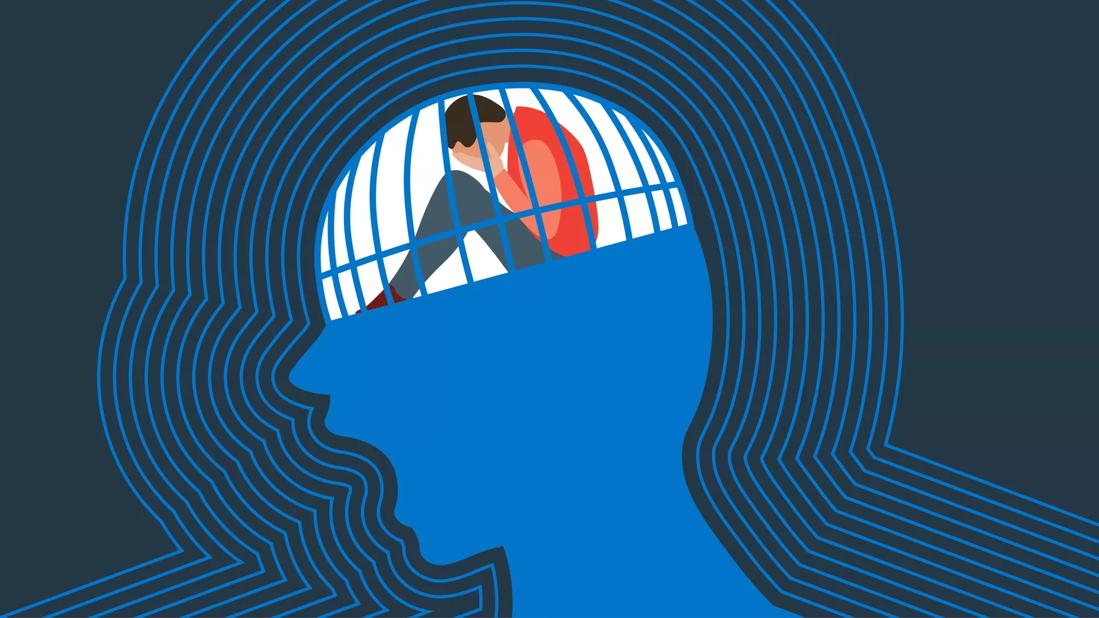

Parenting a teenager can feel like trying to hug a cactus: you mean well, but the timing has to be just right. One minute your child is raiding the fridge and asking for money, and the next they are locked in their room, answering every question with “fine,” which, as every parent knows, can mean absolutely anything.
That is why teen mental health matters so much. Adolescence is a time of enormous change. Bodies change, brains change, friendships get complicated, school pressure ramps up, identity questions get louder, and social media adds a nonstop highlight reel that nobody asked for. Some moodiness, privacy-seeking, and eye-rolling come with the territory. But ongoing sadness, anxiety, hopelessness, withdrawal, or risky behavior should never be dismissed as “just a phase” without a closer look.
If you are worried about your child, you do not need to become a detective, therapist, and crisis counselor before breakfast. What you do need is a calm, informed approach. The good news is that parents and caregivers can make a real difference. Strong relationships, steady routines, early conversations, and timely professional help all matter. Your job is not to fix every feeling. Your job is to stay connected, notice changes, and help your teen get support when they need it.
Why Teen Mental Health Deserves Your Attention
Teen mental health is not a niche concern. It is a central part of your child’s overall health, just like sleep, nutrition, exercise, and safety. When a teen is struggling emotionally, it often spills into every corner of life: school, friendships, family relationships, motivation, self-esteem, and physical health.
Many parents miss early warning signs because they look ordinary at first. A teen may seem tired, irritable, distracted, or “dramatic.” But mental health problems do not always arrive wearing a giant name tag. Depression may look like anger. Anxiety may look like perfectionism, procrastination, or stomachaches. Trauma may look like defiance. Emotional pain is sneaky that way.
It also helps to remember that mental health exists on a spectrum. Your child does not need a formal diagnosis to deserve support. A teen can be overwhelmed, stressed, lonely, or burned out long before a clinician would call it a disorder. Early support can prevent a rough patch from turning into a deeper crisis.
Signs Your Teen May Need Help
Not every slammed door is a warning sign, but patterns matter. Pay attention when changes are persistent, intense, or interfere with daily life. The biggest red flag is not any one symptom by itself. It is a noticeable shift in who your child usually is.
Emotional signs
- Sadness, tearfulness, or hopelessness that lingers for more than a couple of weeks
- Constant worry, panic, dread, or excessive fear
- Irritability, rage, or emotional outbursts that seem out of proportion
- Feeling worthless, ashamed, or like a burden
- Loss of interest in things they used to enjoy
Behavioral signs
- Pulling away from friends, family, sports, clubs, or hobbies
- Sudden drop in grades, attendance problems, or loss of motivation
- Changes in eating or sleeping habits
- Risk-taking, substance use, aggression, or self-harm behaviors
- Talking about death, suicide, or not wanting to be here
Physical and social signs
- Frequent headaches or stomachaches with no clear medical cause
- Always seeming exhausted or unable to focus
- A dramatic increase in conflict at home
- Isolation online or offline
- Seeming overwhelmed by ordinary responsibilities
Here is the helpful rule of thumb: if something feels off and stays off, trust your gut. Parents are often the first people to notice when a teen’s usual spark has dimmed.
How To Start the Conversation Without Making It Weird
Talking to teens about feelings can feel like trying to pet a cat that did not ask to be pet. Timing, tone, and patience matter. A big, dramatic “We need to talk right now” speech rarely works as well as a calm, low-pressure check-in.
Lead with observation, not accusation
Try something like: “I’ve noticed you seem more stressed lately and you haven’t been yourself. I care about you and wanted to check in.” That works much better than: “What is wrong with you?” One opens a door. The other makes your teen want to become wallpaper.
Ask open-ended questions
Use questions that invite more than a shrug. Ask, “What’s been feeling hardest lately?” “How have things been going at school?” “Do you feel stressed, down, anxious, or something else?” “What do you wish I understood better?” These kinds of questions make space for real answers.
Listen more than you talk
This is the hard part. Parents naturally want to fix, correct, reassure, compare, explain, and deliver a TED Talk in under four minutes. Resist the urge. Let your teen talk. Pause. Sit with silence. Reflect back what you hear: “That sounds exhausting,” or “It makes sense that you’d feel that way.” Feeling understood is often the first step toward accepting help.
Stay calm, even if what you hear scares you
If your child says they feel overwhelmed, hopeless, or ashamed, do not react with panic, judgment, or a lecture. You can absolutely take it seriously without turning the moment into a courtroom drama. Calm responses help teens keep talking. Alarmed reactions often make them retreat.
Accept that this is not a one-and-done chat
One conversation rarely solves anything. Think of it as the opening scene, not the entire movie. Keep checking in. Keep showing up. Keep the tone open and steady.
What Parents Can Do at Home Right Now
You cannot bubble-wrap your child from stress, heartbreak, or social chaos. But you can make home a place that feels safe, predictable, and supportive. That matters more than perfection.
Create connection before crisis
Do not wait for a meltdown to start building closeness. Small, regular moments count: driving to practice, folding laundry together, walking the dog, grabbing a snack, or sitting nearby while your teen does homework and pretends not to enjoy your company. Connection is often built sideways.
Protect sleep like it is a family treasure
Because it is. Teens need real sleep, not the “I closed my eyes while scrolling” version. A consistent bedtime, fewer late-night screens, and a calmer evening routine can improve mood, concentration, and stress tolerance. Sleep deprivation can make everything feel louder, darker, and more dramatic.
Support healthy basics without turning into a drill sergeant
Teens do better when they eat regularly, move their bodies, spend time offline, and have some structure in their day. You do not need to run a wellness boot camp. Aim for realistic wins: breakfast before school, a short walk, family dinners when possible, and a home routine that feels stable rather than chaotic.
Set digital boundaries with brains, not just bans
Social media is complicated. It can offer connection, identity support, creativity, and community. It can also bring comparison, cyberbullying, doom-scrolling, sleep disruption, and a lot of emotional static. The goal is not to declare war on phones. The goal is to talk openly about how certain apps, accounts, and habits affect your teen’s mood. Try tech-free meals, screen-free bedrooms at night, and regular check-ins about what online life feels like.
Work with the school, not around it
If your teen is struggling, loop in trusted adults at school when appropriate. That might mean a counselor, school psychologist, teacher, coach, nurse, or advisor. School connectedness can be protective for mental health, and many teens need support in more than one setting. A child who looks “fine” at home may be falling apart in algebra, and vice versa.
When To Seek Professional Help
You do not need to wait until your teen is in full crisis to involve a professional. In fact, earlier is better. Reach out if symptoms last more than a couple of weeks, are getting worse, interfere with school or relationships, involve self-harm or substance use, or make your teen seem unsafe.
Start with your child’s pediatrician or primary care clinician. They can rule out medical issues, screen for mental health concerns, and help you figure out the next step. Depending on what is going on, treatment may include counseling, cognitive behavioral therapy, family therapy, skills-based treatment, medication, or a combination. The point is not to label your child. The point is to help them feel better and function better.
If your teen resists help, do not assume that means they do not need it. Many teens worry that therapy means something is “wrong” with them, or they fear losing privacy. Keep your message simple: “You matter. You deserve support. We are going to figure this out together.”
What Not To Do
Even loving parents can accidentally make things worse. Here are a few traps to avoid:
- Do not minimize. Saying “everyone feels like that” may be meant as comfort, but it can sound dismissive.
- Do not shame. Criticism about attitude, laziness, grades, or “overreacting” can push a struggling teen deeper into silence.
- Do not make it about yourself. Your worry is real, but “How could you do this to me?” is not a helpful response.
- Do not over-interrogate. Rapid-fire questions can feel like pressure, not support.
- Do not assume screens are the only issue. Technology may be part of the picture, but it is rarely the whole story.
- Do not promise secrecy if safety is involved. If your teen is at risk of harming themselves or someone else, you must act.
If Your Teen Mentions Self-Harm or Suicide
Take it seriously every single time. Do not assume they are being dramatic, manipulative, or attention-seeking. Emotional pain is still pain, and any mention of self-harm or suicide deserves immediate attention.
Stay with your child. Remove access to obvious means of self-harm if you can do so safely. Contact a mental health professional, your pediatrician, or emergency services if the danger seems immediate. In the United States, you can call or text 988 any time for crisis support. If your teen is in imminent danger, call 911 or go to the nearest emergency room.
This is not the moment to debate, scold, or search for the perfect words. The message your child needs is simple: “I’m here. I’m taking this seriously. We are getting help now.”
How To Build Long-Term Resilience
Mental health support is not only about responding to problems. It is also about strengthening the everyday conditions that help teens cope with life. Resilience does not mean your child never struggles. It means they learn, over time, that hard feelings can be handled and that support is available.
Build a home where feelings can be named
Normalize talking about stress, disappointment, loneliness, anger, and anxiety. Not every family conversation has to become a therapy circle, but emotional vocabulary helps teens understand themselves.
Model the behavior you want to see
If you want your teen to ask for help, let them see you do it too. Talk openly about taking breaks, setting boundaries, getting enough rest, seeing a doctor, or talking to a counselor when needed. Teenagers have a supernatural ability to spot hypocrisy, so modeling matters.
Encourage competence, not perfection
Teens thrive when they feel capable, not when they feel constantly judged. Praise effort, flexibility, and problem-solving rather than only outcomes. A child who believes, “I can handle hard things,” is in a much better position than one who believes, “I must never mess up.”
Protect relationships
Close relationships with caring adults are powerful. So are healthy friendships, mentors, coaches, and school staff who make a teen feel seen. Kids do better when they know someone notices whether they are okay.
Experiences Families Often Recognize
The examples below are composite experiences based on common family patterns, not individual case studies.
Experience 1: The “moody teen” who was actually depressed. A parent noticed their daughter seemed annoyed all the time. She stopped hanging out with friends, quit a club she loved, and spent evenings in bed saying she was tired. At first, the family chalked it up to hormones and school stress. But after a few weeks, it became clear this was more than ordinary moodiness. Once the parent stopped asking, “Why are you acting like this?” and started saying, “You don’t seem like yourself, and I’m here,” the teen finally admitted she felt empty and overwhelmed. Therapy helped, but what helped first was being believed.
Experience 2: The high achiever whose anxiety looked like success. Another family had a teen who got excellent grades, never missed practice, and looked impressive from the outside. Inside, though, he was panicking. He could not sleep, obsessed over every test, and felt physically sick before school. Because he was “doing well,” adults missed how much he was suffering. What changed things was not a dramatic breakdown. It was a quiet conversation after a late night when he admitted he felt like he was failing unless he was perfect. The family responded by lowering pressure at home, getting clinical support, and treating anxiety as a health issue rather than a motivation problem.
Experience 3: The angry teen who was really hurting. Some parents expect sadness to look sad. But one family learned that their son’s constant snapping, arguing, and explosive reactions were covering deep stress and shame. He was struggling socially and felt embarrassed that he could not keep up. The more adults criticized his attitude, the more defensive he became. Progress started when a parent said, “I think something underneath the anger may be hurting.” That shift from punishment to curiosity changed the relationship.
Experience 4: The teen who would not talk face-to-face. Not every child opens up on command. One parent found that direct sit-down talks led nowhere. But during a drive, while making grilled cheese, or while walking the dog, their teen would suddenly say something honest. The lesson was simple: conversation style matters. Some kids do better without eye contact, without pressure, and without the giant spotlight of a formal family discussion.
Experience 5: The family that learned support is a process. Many parents hope for a neat arc: one talk, one appointment, one big emotional breakthrough, and everybody rides off into the sunset with matching water bottles and improved coping skills. Real life is messier. A teen may deny a problem, accept help later, improve for a while, then struggle again during exams, breakups, or life changes. Families often learn that consistency matters more than perfection. Showing up, checking in, keeping routines, following through on care, and staying calm during setbacks is what makes a lasting difference.
If any of those experiences sound familiar, take heart. You do not need to be flawless. You just need to be present, observant, and willing to act. The parents who help most are not the ones with magical words. They are the ones who stay in the room, keep listening, and refuse to let their child struggle alone.
Conclusion
Helping a teenager with mental health challenges is not about saying the perfect thing or becoming an overnight expert in adolescent psychology. It is about connection, consistency, and courage. Notice changes. Ask gentle, direct questions. Listen without judgment. Support the basics like sleep, routine, and relationships. Bring in professional help when needed. And if safety is on the line, act immediately.
Your teen may not always show it, but your steady presence matters. Even when they roll their eyes. Even when they say “nothing.” Even when every conversation feels like verbal dodgeball. The simple truth is this: a caring adult who pays attention can change the course of a young person’s life. That is not small. That is everything.