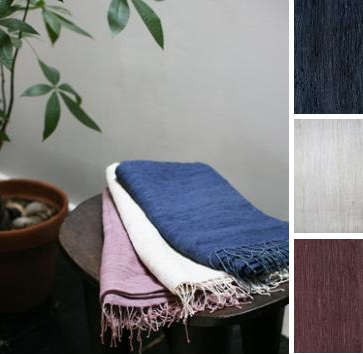

Some home accessories whisper. Others walk into the room wearing a velvet cape and say, “Yes, I am the reason this sofa suddenly looks expensive.” Swaziland mohair throws belong to the second group. These luxurious, lightweight, handwoven textiles combine the glow of mohair fiber with the cultural richness of Eswatini, the southern African country formerly known as Swaziland.
At first glance, a mohair throw may seem like “just a blanket.” That is adorable. Also wrong. A fine mohair throw is warmth, texture, craftsmanship, heritage, and interior-design confidence folded into one soft rectangle. It can dress up a reading chair, soften a modern bedroom, bring color to a neutral sofa, or become the one item guests keep touching while pretending they are not touching it.
Swaziland mohair throws are especially interesting because they are not only about fiber quality. They are about place. In Eswatini, handweaving has long been connected to community, women’s work, local enterprise, and slow craft. Studios such as Coral Stephens Handweaving near Piggs Peak and weaving groups like Tsandza have helped bring Eswatini’s textiles to homes, lodges, designers, and collectors around the world. The result is a throw that does not feel mass-produced or anonymous. It feels like it has a passport, a personality, and possibly better taste than most of us.
What Are Swaziland Mohair Throws?
Swaziland mohair throws are decorative and functional blankets traditionally made with mohair yarn, often handwoven or finished by artisans in Eswatini. Mohair comes from the Angora goat, not from the Angora rabbit. That distinction matters because textile people will politely correct you, and by “politely,” I mean with the energy of a librarian defending the Dewey Decimal System.
Mohair is prized for its silky sheen, resilience, warmth, and ability to hold brilliant color. A throw made from mohair can feel light in the hand but surprisingly cozy on the body. Unlike bulky wool blankets that sometimes behave like small mattresses, mohair throws offer warmth without the heavy, overheated feeling. They are ideal for layered interiors where comfort should look effortless rather than as if you are preparing for an expedition to the Arctic.
The word “Swaziland” remains common in product descriptions, vintage listings, and older textile references, even though the country officially changed its name to Eswatini in 2018. For shoppers, collectors, and design lovers, both terms may appear: “Swaziland mohair throw,” “Eswatini mohair blanket,” “handwoven Swazi textile,” or “mohair throw from Piggs Peak.” They often refer to the same craft tradition and geographic origin.
Why Mohair Works So Well for Throws
Mohair has a natural shine that gives finished textiles a soft halo. It is not flashy like sequins, thank goodness. Nobody needs a disco ball on the couch unless the theme is “grandma meets Studio 54.” Instead, mohair catches light in a refined way, creating depth and movement in the weave. This makes it especially beautiful in rich colors such as rust, indigo, charcoal, cream, moss green, ochre, and deep red.
Another reason mohair is loved in home textiles is durability. The fiber is naturally elastic and resilient, so it can keep its shape better than many delicate luxury fibers. A quality mohair throw can be used, folded, draped, shaken out, admired, borrowed by pets, rescued from pets, and returned to the sofa with dignity intact. It is soft, but it is not helpless.
Mohair is also warm yet breathable. This makes it useful across seasons. In winter, it adds insulation during chilly evenings. In milder weather, it can still work as a light layer because it does not trap heat as aggressively as some heavy synthetic blankets. That balance is one reason mohair has remained popular in both clothing and interiors.
The Eswatini Craft Connection
The appeal of Swaziland mohair throws is closely tied to the country’s craft culture. Eswatini is known for handmade goods ranging from basketry and glass to carved objects and woven textiles. In the textile world, mohair weaving has become one of the most distinctive craft categories associated with the country.
Coral Stephens Handweaving is one of the best-known names in this tradition. Founded in the mid-20th century in northern Swaziland, the studio became associated with handspun mohair, refined interior fabrics, curtains, carpets, throws, blankets, shawls, and other décor textiles. Its location near Piggs Peak helped root the business in a rural craft economy where weaving skills could support local employment and artistic production.
Tsandza Weaving adds another important chapter. Known for handloomed textiles that may combine mohair with bamboo, cotton, merino, or other fibers, Tsandza has emphasized social impact, women’s skills development, and ethical craft. These enterprises show why a Swaziland mohair throw is not merely a pretty object. It can represent a chain of work: fiber preparation, dyeing, loom setup, weaving, finishing, quality checking, and design judgment.
How Swaziland Mohair Throws Are Made
The exact process varies by studio and product, but a traditional mohair throw usually begins with carefully selected fiber. Mohair must be sorted, washed, spun, dyed, and woven. The preparation stage matters because mohair’s beauty depends on how the fiber is handled. Too rough, and it loses elegance. Too careless, and the yarn may lack consistency. Too rushed, and the final throw starts acting like fast fashion in a luxury-fiber costume.
Handweaving requires planning before the first shuttle moves. The artisan must decide the warp, weft, color rhythm, width, fringe, texture, and finishing. A simple-looking throw may involve hours of measuring, threading, adjusting, and checking. This is why handmade throws often have subtle variations. Those variations are not flaws; they are the visible pulse of craft.
Some throws are brushed after weaving to raise the nap and create that cloudlike mohair surface. Others may show a more structured woven texture. Both styles can be beautiful. A brushed mohair throw feels fluffy and glamorous, while a flatter weave may emphasize line, pattern, and artisan precision.
Design Benefits: Why Interior Designers Love Them
A Swaziland mohair throw can solve several decorating problems at once. Too much leather? Add mohair for softness. Too many straight modern lines? Drape a throw for movement. Neutral room looking a little sleepy? Choose a saturated color. Bed styling feels incomplete? Fold a throw across one corner and suddenly the room looks like someone with good lighting lives there.
Color Without Chaos
Mohair takes dye beautifully, which makes these throws excellent for adding color. A burnt-orange throw can warm a gray sofa. A cream mohair throw can soften dark wood. A teal or deep blue throw can create a jewel-tone accent without repainting the room, buying a new rug, or having a dramatic conversation with your bank account.
Texture That Looks Expensive
Texture is what separates a room that looks “finished” from a room that looks like the furniture just moved in and is still feeling shy. Mohair adds texture in a refined way. Its subtle sheen and loft create visual contrast against linen, cotton, leather, cane, stone, wood, and metal.
Small Item, Big Mood
A throw is one of the easiest ways to refresh a room seasonally. In fall and winter, choose earthy or deep shades. In spring, use pale neutrals or soft greens. In summer, a lightweight mohair throw can still sit decoratively on a chair, ready for overenthusiastic air conditioning.
How to Style a Swaziland Mohair Throw
Styling a mohair throw should feel relaxed. The goal is not to fold it with military precision unless your sofa is applying to officer school. Mohair looks best when it appears naturally placed, as if beauty just happened to stop by.
On a Sofa
Drape the throw over one arm of the sofa for a casual look. For a cleaner style, fold it lengthwise and lay it over the back cushion. If your sofa is plain, choose a color with contrast. If your sofa already has strong pattern or color, choose a calmer neutral such as ivory, camel, gray, or soft charcoal.
On a Bed
Place the throw across the lower third of the bed, slightly off-center. This works especially well over white bedding, linen sheets, or a simple quilt. A mohair throw should not pretend to be a full bed blanket; it is an accent layer. Think of it as the scarf of the bed. Nobody expects a scarf to cover your entire body, and yet somehow it completes the outfit.
On a Chair
A reading chair and a mohair throw are natural best friends. Fold the throw over the back or let it fall casually over one side. Add a small pillow in a complementary texture, such as cotton, velvet, or woven linen, and you have created a corner that says, “I read serious books here,” even if the book is mostly decorative.
How to Choose a Quality Mohair Throw
When shopping for Swaziland mohair throws, look beyond the first pretty photo. A good throw should provide clear information about fiber content, origin, care instructions, size, and production method. Handmade textiles should also show attention to finishing, especially at the edges and fringe.
Check the Fiber Content
Some throws are pure mohair, while others blend mohair with wool, cotton, bamboo, silk, or synthetic fibers. A blend is not automatically bad. Blending can improve structure, drape, price, or performance. However, the product description should be honest. “Mohair look” is not the same as mohair. That is like calling instant coffee “espresso-adjacent optimism.”
Consider Size
Throws are usually smaller than blankets. A sofa throw may be perfect for one person, while a larger blanket works better for a bed. Before buying, measure the space where you plan to use it. A throw that looks generous in a product photo may look tiny on a king bed, where it will sit there like a very fancy napkin.
Look for Craft Transparency
If the throw is marketed as handmade, handwoven, artisan-made, or fair trade, the seller should provide context. Who made it? Where was it woven? What fibers were used? How should it be cared for? Real craft does not need a mysterious fog machine. It benefits from clear storytelling.
Care Guide for Mohair Throws
Mohair is luxurious, but caring for it does not require a laboratory coat. The golden rule is gentleness. Always follow the care label first, especially with handmade or vintage pieces. Many mohair textiles can be gently hand washed in lukewarm or cool water with a mild wool-safe detergent, then laid flat to dry away from direct sunlight.
Do not wring mohair. Wringing twists the fibers and can distort the shape. Instead, press out excess water gently with a towel. Avoid high heat, harsh detergents, bleach, and tumble drying unless the care label specifically allows it. Spoiler: it probably will not. Mohair and hot dryers have the kind of relationship that ends in regret.
For everyday care, shake the throw outside, air it occasionally, and brush lightly if recommended by the maker. If a spill happens, blot rather than scrub. For serious stains or valuable vintage throws, professional cleaning may be the safest option.
Ethical and Sustainable Considerations
Modern shoppers increasingly want beautiful things with responsible backstories. That is good. A throw can be gorgeous and still deserve a few questions. Mohair comes from animals, so animal welfare matters. Buyers should look for brands and suppliers that discuss welfare standards, traceability, land management, and fair labor practices.
The Responsible Mohair Standard, often called RMS, was created to improve welfare for Angora goats and promote responsible land and supply-chain practices. Not every artisan throw will carry RMS certification, especially small handmade operations, but the standard gives shoppers useful language. Ask where the fiber comes from, how the artisans are paid, and whether the business supports long-term community benefit.
Eswatini’s weaving enterprises are often valued not only for what they make but also for the livelihoods they support. When a purchase helps preserve weaving skills and provides income to artisans, the throw becomes more than décor. It becomes part of a slower, more human economy.
Are Swaziland Mohair Throws Worth It?
For shoppers who want the cheapest possible blanket, no. A mass-produced fleece throw will cost less, wash more casually, and survive a dorm-room lifestyle with fewer complaints. But for someone who values natural fiber, handcraft, design impact, and longevity, a Swaziland mohair throw can be absolutely worth it.
The value lies in the combination of beauty and utility. You can use it. You can display it. You can pass it from room to room. You can give it as a wedding gift, housewarming gift, holiday gift, or “I finally bought furniture that does not arrive in a flat box” gift. It has presence without being loud.
Compared with cashmere, mohair often feels more resilient and visually dramatic. Compared with ordinary wool, it can appear lighter, shinier, and more luxurious. Compared with synthetic plush throws, it offers natural character and craft depth. The best choice depends on lifestyle, budget, and how many snack-related accidents occur in your living room.
Buying Tips for Collectors and Decor Lovers
Vintage Swaziland mohair throws occasionally appear in secondhand markets. These can be wonderful finds, especially if they are from respected makers and remain in good condition. Check for moth damage, thinning areas, odor, stains, and weakened fringe. A little age can add charm; a mysterious smell from 1987 is less charming.
For new purchases, favor sellers that provide real product photos, measurements, material details, and care instructions. If buying online, zoom in on the weave and edges. Look for color accuracy notes, because mohair’s sheen can make colors appear different depending on lighting.
If you are choosing one throw for maximum versatility, consider a neutral shade with texture: ivory, oatmeal, gray, camel, or charcoal. If your room is already neutral and needs personality, go bold with rust, saffron, forest green, wine, cobalt, or a patterned weave. Mohair can handle color beautifully, so do not be afraid of a little drama. Your sofa has been waiting.
Experience Notes: Living With Swaziland Mohair Throws
The first thing people usually notice about a Swaziland mohair throw is the touch. It has that “wait, what is this?” quality. You drape it over a chair, and suddenly everyone in the room becomes a textile critic. Someone will stroke the fringe. Someone will ask whether it is cashmere. Someone will say, “This must be expensive,” in the tone people use when they are deciding whether to sit on it or worship it from a safe distance.
In real life, the best way to enjoy a mohair throw is not to treat it like a museum object. Use it, but use it thoughtfully. Keep it away from rough Velcro, sharp jewelry, wet pets, and children holding grape juice with the confidence of tiny circus performers. A mohair throw can handle normal life, but it appreciates a household where chaos has at least some boundaries.
On a sofa, a Swaziland mohair throw can become the piece that ties everything together. Imagine a simple cream sofa, a dark wood coffee table, a jute rug, and one rust-colored mohair throw draped across the arm. That single textile can warm the whole room. In a bedroom, a soft gray or ivory throw at the foot of the bed creates a hotel-like finish without making the room feel stiff. It says comfort, not “please do not touch anything.”
One of the most satisfying experiences is using a mohair throw during transitional weather. Early morning coffee, late-night reading, cool spring evenings, overpowered office air conditioningthis is where mohair shines. It gives warmth without the heavy blanket feeling. You can wrap it around your shoulders and still move like a person, not like a burrito seeking legal representation.
Another experience worth mentioning is gifting. A Swaziland mohair throw feels personal because it is not generic. It carries a sense of origin and craftsmanship. For a design-loving friend, it is better than another candle named “Mountain Whisper.” For newlyweds, it offers beauty and usefulness. For parents, it becomes the throw they claim is “too nice to use” and then use every evening anyway.
Care also becomes part of the experience. You learn to air it instead of constantly washing it. You learn to fold it rather than hang it. You learn that luxury textiles are not difficult so much as specific. The throw teaches slower habits: shake it out, let it breathe, store it neatly, repair small snags early, and do not panic over every crease. This slower relationship is part of the charm.
Perhaps the best experience is the quiet one. A handmade mohair throw can make a home feel collected rather than decorated. It adds evidence of human hands in a world full of identical objects. Whether it came from a known Eswatini weaving studio, a vintage shop, or a carefully chosen artisan marketplace, it has a story. And unlike many decorative pieces, it earns its space every time the evening gets cold.
Conclusion
Swaziland mohair throws bring together luxury fiber, artisan tradition, and practical beauty. They are soft without being flimsy, elegant without being fussy, and decorative without becoming useless. Their connection to Eswatini’s weaving heritage gives them an added layer of meaning, especially for buyers who care about craft, origin, and slow-made home goods.
Whether you choose a handwoven mohair throw for your sofa, bedroom, reading chair, or gift list, the best pieces offer more than warmth. They add texture, color, heritage, and a small daily reminder that useful things can still be beautiful. In a world of disposable décor, a well-made mohair throw is refreshingly old-school: it works hard, looks good, and never needs to shout about it.