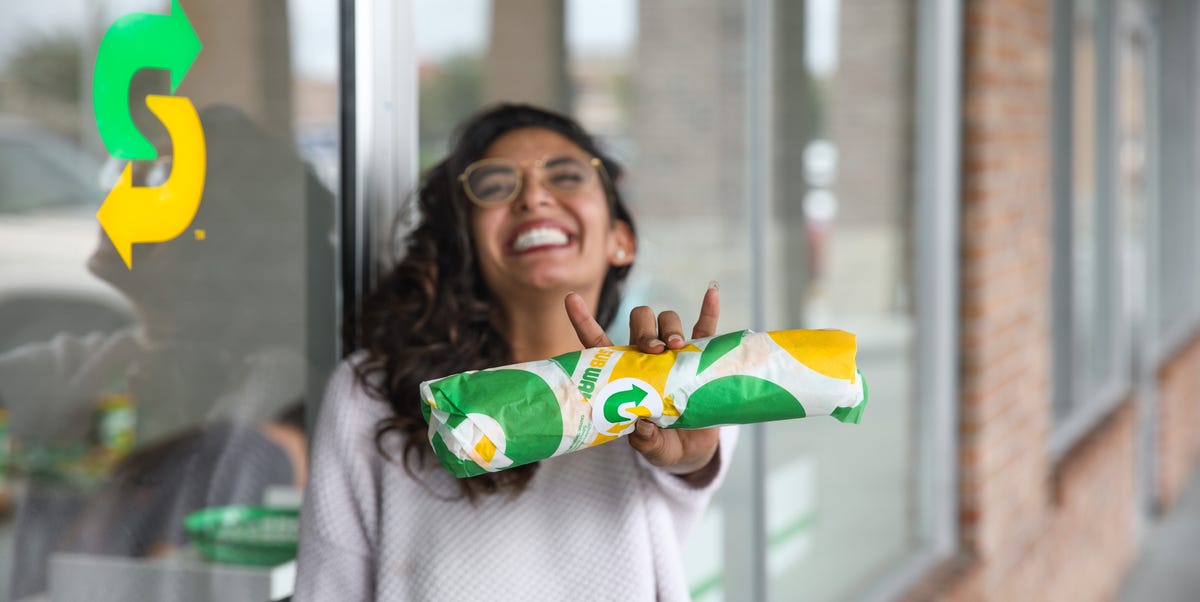

Subway has dusted off one of the most recognizable names in fast-food loyalty: Sub Club. For a lot of customers, that name still smells faintly of freshly baked bread, paper stamp cards, and the pure joy of realizing one more sandwich stood between you and a free one. Then the program disappeared, digital life happened, and everyone’s lunch budget got a lot moodier. Now Subway has brought Sub Club back with a modern twist, and the comeback says a lot about how restaurant loyalty works in 2026.
The short version is this: Subway revived the old Sub Club brand to make rewards feel more immediate, more nostalgic, and more exciting than a generic points program. At launch, the hook was loud enough to wake up every value-hunter in the strip mall: buy three Footlongs, get the fourth free. That headline-friendly offer helped turn Sub Club into a conversation starter instead of just another app tab you forget exists next to your weather alerts and 47 unread notifications.
But the bigger story is not just that Sub Club is back. It is that Subway is trying to blend old-school affection with new-school loyalty strategy. The revived program lives in the app, works with digital ordering, nudges repeat visits, and keeps Subway in the value conversation at a time when nearly every major quick-service chain is trying to convince customers that lunch does not have to feel like a small personal loan.
Why the return of Sub Club matters
The original Sub Club was one of those simple restaurant ideas that felt almost too obvious to fail. Buy sandwiches, collect stamps, earn a reward. It was physical, easy to understand, and weirdly satisfying. The trouble was that simple systems are also easy to game. The original version eventually ran into fraud and counterfeit stamp problems, which helped push Subway away from the paper-card era and toward electronic rewards.
That history makes the revival more interesting. Subway did not just recycle an old name because nostalgia is fashionable. It revived a piece of brand memory that older customers already understood, then rebuilt it for a market driven by apps, customer data, targeted offers, and digital redemption. In other words, the new Sub Club is less “don’t lose this card in your glove compartment” and more “open the app, order ahead, earn faster, come back soon.”
That is smart branding. A plain points system can feel like financial broccoli: good for you, but not thrilling. Sub Club, on the other hand, sounds like something you want to join. It feels specific. It feels familiar. It feels like a perk, not paperwork. In the loyalty business, that emotional difference matters more than brands like to admit.
What Subway’s relaunched loyalty program offered at first
When Subway brought Sub Club back, it made sure the value proposition was not subtle. The relaunch tied rewards to actual food people notice, not just abstract points floating around in an account. Customers could earn a free Footlong after buying a qualifying combination of three Footlongs or six 6-inch subs. That is the kind of offer customers understand instantly, which is probably why the relaunch got attention so quickly.
Subway also layered in familiar modern loyalty mechanics. Members could earn points, convert those points into Subway Cash, receive exclusive deals, and unlock birthday perks. Existing MVP Rewards members were rolled into the new setup, which made the transition feel less like a complicated reboot and more like Subway quietly upgrading the engine while repainting the car in retro colors.
Joining was built around channels Subway wants customers to use most: the app, the website, and in-store enrollment. That matters because loyalty programs are no longer just about handing out rewards. They are about teaching customers how a brand wants to be bought. If you can get more people ordering directly through your digital platforms, you gain better data, more marketing flexibility, and fewer reasons to lean on third-party ordering ecosystems that can eat into margins.
There were limits, of course. Third-party delivery and catering were not part of the rewards equation. That may sound boring, but it reveals the real business logic underneath the fun messaging. Subway wants the relationship with the customer to belong to Subway, not to some other app that also sells sushi, dog food, and a phone charger at 11:48 p.m.
What the Sub Club looks like now
Here is where the story gets even more interesting. The revived Sub Club made a splash with its “every fourth Footlong is free” positioning, but the structure did not stay frozen in that exact form. As of April 1, 2026, Subway shifted the program toward a more clearly points-based model. On the public U.S. rewards page, the message is now straightforward: members earn 10 points for every $1 spent, and 400 points equals $2 in Subway Cash.
That means the current version of Sub Club leans less on the dramatic stamp-card-style payoff and more on flexible, incremental savings. You earn, bank value, and redeem it toward future food and drinks. Subway still presents the program as a club with exclusive offers, birthday rewards, and member-only deals, but the mechanics now look more like a classic digital restaurant loyalty system wearing a nostalgic jacket.
That does not make the relaunch meaningless. If anything, it shows how hard restaurant brands work to balance customer excitement with operator economics. A “free fourth Footlong” offer is fantastic at grabbing attention. It is also a lot more dramatic than quietly telling people they are accumulating a few dollars in digital credit over time. From a marketing perspective, one is a marching band. The other is a calculator. Brands love the marching band. Franchisees often end up studying the calculator.
So is Sub Club still worth joining?
For most regular Subway customers, yes. The current program still gives people a practical reason to order direct, collect points, and watch for member-only deals. Even after the shift toward Subway Cash, the setup is easy enough to understand, and the app remains the center of gravity for offers. If you already eat Subway with any frequency, choosing not to join is a bit like refusing airline miles because you dislike email. Philosophically bold, maybe. Financially unnecessary, definitely.
The bigger question is not whether Sub Club is worth joining. It is whether the rewards feel generous enough to change behavior. That is the real loyalty test. A program only works when it makes a customer choose this sandwich chain over the other five lunch options within a ten-minute drive.
Why Subway brought it back in the first place
The fast-food industry is deep in its value era. Restaurants are competing on price, bundles, rewards, digital discounts, and time-limited offers because customers have become more selective. People still want convenience, but they also want proof that convenience is not quietly emptying their wallets. Subway’s relaunch of Sub Club fits perfectly into that environment.
By reviving a beloved rewards name, Subway gave itself three advantages at once. First, it gained a nostalgia boost. Second, it created a big, simple message customers could repeat to each other. Third, it made digital membership feel more urgent. “Earn points over time” is fine. “Get every fourth Footlong free” is a sentence people actually tell coworkers at 11:27 a.m. when everyone is pretending not to be hungry yet.
There is also a broader brand reason. Subway has spent the last few years trying to refresh how people think about the chain, from menu innovation to meal deals to app-driven promotions. A revived loyalty platform helps tie all of that together. It gives the company a home base for future offers, limited-time promotions, and targeted messaging. Even in its revised form, Sub Club is not just a perk engine. It is a customer-retention machine with a catchy name.
The real strategy hiding inside your sandwich receipt
Loyalty programs are often marketed like friendly gifts, but they are really strategic systems. Subway’s Sub Club comeback is a good example. The brand gets more first-party customer data, more reasons to bring people into the app, more opportunities to send tailored promotions, and more leverage when competition gets intense. Customers get rewards, convenience, and occasional deals that make lunch feel less punishing. Everybody smiles. Marketing departments high-five. Accountants breathe into paper bags.
What makes Subway’s approach especially interesting is the mix of sentiment and structure. It is easier to market a revived classic than a renamed spreadsheet. That is why the Sub Club loyalty program matters beyond its exact reward math. It lets Subway tell a better story. The name feels established. The mechanics feel current. The offers can change, but the brand idea stays familiar.
In that sense, Subway is doing what many big consumer brands try to do: take something customers already remember fondly and plug it into a modern digital framework. If it works, the program becomes more than a coupon engine. It becomes part of the brand’s identity again.
What customers should keep in mind before they order
If you are thinking about using Sub Club regularly, the smartest move is to treat it like a dynamic rewards program, not a permanent promise carved into sandwich stone. Restaurant loyalty systems change. Offers rotate. Terms get updated. One month you may be staring lovingly at a member-only Footlong deal. The next month the app may be nudging you toward points, bonus credits, or a digital promo code instead.
That does not mean the program is bad. It just means customers should pay attention to the details. Check the app before ordering. Look at redemption timing. Make sure your purchase channel qualifies. And do not assume every promotion works on every item, every delivery format, or every store. Fast-food rewards are not scams, but they are definitely little machines built out of fine print and hope.
Still, for people who already like Subway, the program has a clear upside. It rewards routine. It makes direct ordering more appealing. And it keeps the chain competitive in a market where convenience alone is no longer enough to win lunch.
Final thoughts
Subway just brought back its Sub Club loyalty program, but the real headline is bigger than the comeback itself. This is a case study in how legacy brands use nostalgia, digital tools, and value messaging to stay relevant. The return of Sub Club gave customers something instantly recognizable, easy to talk about, and easy to try. Even after the program evolved into a more points-driven format, the relaunch succeeded in making Subway’s rewards strategy feel visible again.
For customers, that means more reasons to open the app before ordering lunch. For Subway, it means a smarter way to keep diners connected to the brand in a crowded, price-sensitive market. And for the rest of us, it means the humble sandwich loyalty program has somehow become a tiny master class in modern marketing. Which is impressive, honestly. It is not every day a Footlong teaches brand strategy.
Customer experience: what using Sub Club feels like in real life
In everyday terms, the revived Sub Club works best when it becomes part of a customer’s normal lunch routine instead of a one-time novelty. Picture the office worker who orders Subway twice a week because it is quick, familiar, and less chaotic than gambling on some mystery salad place with a twelve-minute line and a personality disorder. For that customer, Sub Club creates a small psychological win every time they order through the app. The points feel immediate, the progress feels visible, and the occasional member-only deal makes lunch seem like a smarter decision rather than an accidental budget leak.
There is also a family-use angle that makes the program more practical than it may first appear. A parent grabbing multiple sandwiches for dinner or a weekend errand run can move through rewards faster than a solo diner. That is one reason the original “buy three, get one free” message was so powerful: it did not only reward hardcore Subway loyalists. It also made sense for households, team lunches, road trips, and those nights when no one wants to cook but everybody still has opinions. In that situation, Sub Club feels less like a marketing gimmick and more like a modest survival bonus.
The digital side of the experience is important too. Customers increasingly expect fast-food loyalty programs to work without friction. They want to sign in, order, collect rewards, and move on with their day. Subway’s modern version of Sub Club is clearly built around that expectation. It lives where customers already shop, which means the rewards system is not floating off in some disconnected universe. When the app works well, it turns the whole thing into a lightweight habit: check offer, customize sandwich, pay, earn, repeat.
Of course, the emotional experience changed once the reward structure shifted more heavily toward points and Subway Cash. A free sandwich after a short sequence of purchases feels dramatic. A points balance growing steadily feels practical. Those are two different emotional flavors. One is confetti. The other is financial responsibility. Some customers love the flexibility of points because they can redeem smaller amounts when they want. Others miss the big, obvious payoff of the earlier version. Both reactions make sense. People do not just calculate loyalty rewards; they feel them.
That is probably the most important real-world takeaway. The success of Sub Club is not only about math. It is about whether customers leave a purchase feeling rewarded enough to come back. If the app surfaces strong offers, if the rewards feel attainable, and if the ordering experience stays simple, the program can build genuine repeat behavior. If the benefits feel too diluted, customers will treat it like background noise and go wherever lunch looks cheaper that day.
So the lived experience of Sub Club today is a mix of convenience, mild anticipation, and value-hunting. It is opening the app before lunch to see whether today is a good Subway day. It is noticing a reward balance and feeling just a little more justified in ordering the Footlong instead of pretending the 6-inch was always the plan. It is not life-changing, and it does not need to be. The best restaurant loyalty programs are not dramatic. They simply make the next visit feel easier to say yes to. Subway’s revived Sub Club, at its best, does exactly that.