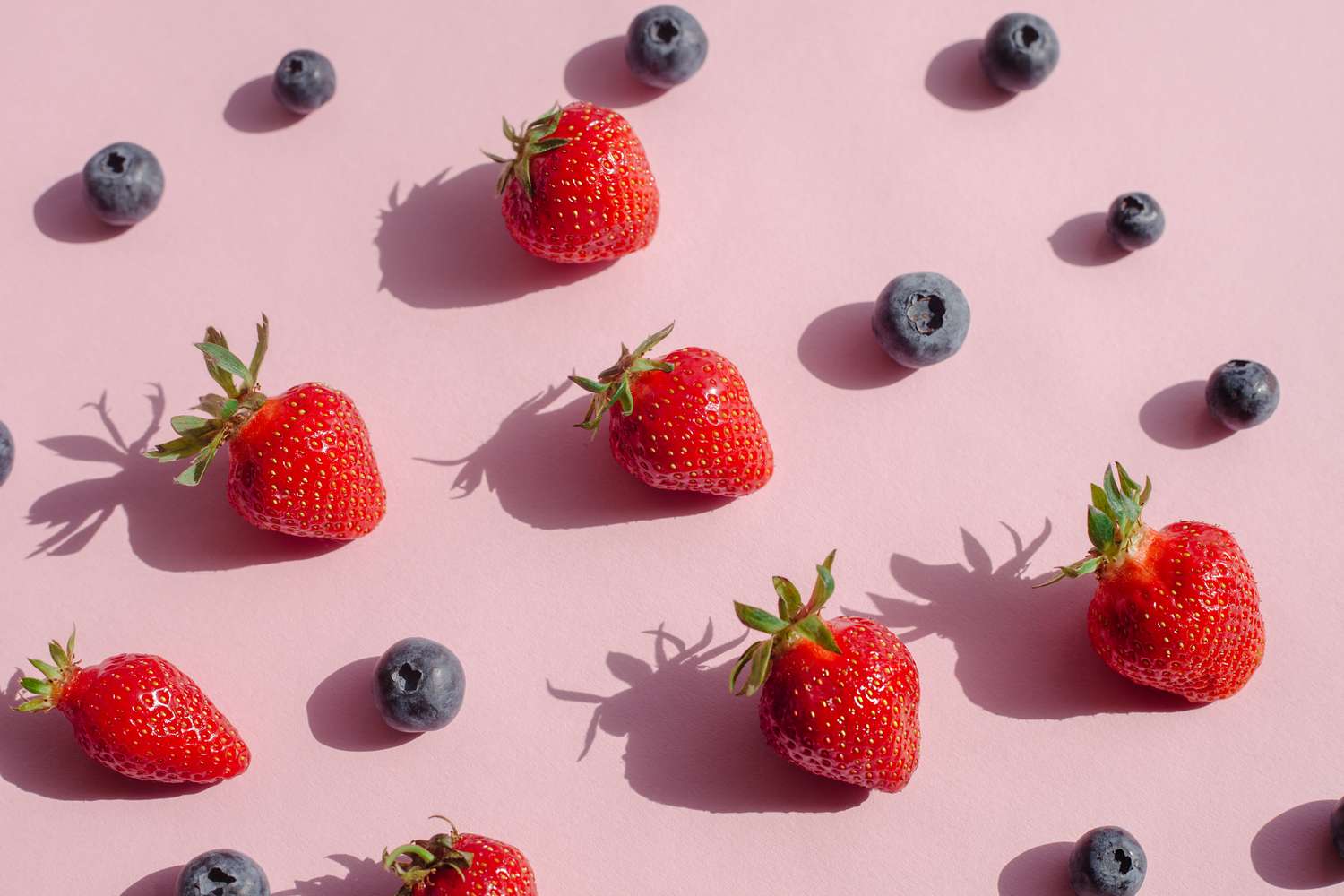

If your grocery cart had a tiny debate club, strawberries and blueberries would both be shouting, “Pick me, I’m the smart choice!” And honestly, they would both have a point. These two berries are colorful, convenient, easy to toss into breakfast, and loaded with plant compounds that nutrition researchers keep studying for their potential effects on memory, aging, and cognitive health. Not bad for fruit that can disappear from a bowl in under three minutes.
But if the question is which food is the better brain booster, we need more than pretty colors and smoothie propaganda. We need to look at nutrient profiles, antioxidants, research on cognition, and the very practical question of which berry people are more likely to eat consistently. Because the healthiest food in the world still loses if it dies a lonely death in the back of your refrigerator.
Here is the short verdict before we dig in: blueberries have the stronger reputation and slightly stronger research profile for direct brain benefits, especially because of their anthocyanin content and the number of studies focused specifically on cognition. Strawberries are still excellent for brain health, though, and they bring major strengths of their own, especially vitamin C, lower calories per cup, and easy everyday use. So this is less “winner takes all” and more “blueberries win by a berry small margin.”
Why Berries Get So Much Brain-Health Attention
Brain health is not controlled by one miracle food. It is shaped by a whole pattern: sleep, exercise, blood sugar control, blood pressure, inflammation, social activity, stress, and diet. Still, berries keep showing up in conversations about memory support and healthy cognitive aging because they contain compounds called flavonoids, especially anthocyanins. These are the pigments that give many berries their red, blue, and purple shades.
Researchers are interested in these compounds because they may help reduce oxidative stress, support blood vessel function, and influence inflammation and cell signaling in ways that matter for the brain. In simpler terms, berries may help create a friendlier environment for your brain to do brain things, like remembering where you parked, focusing on a task, and not walking into a room only to forget why you went there.
This is also why berries appear in the MIND diet, the eating pattern designed to support brain health. Unlike many “brain foods” lists that throw everything into one giant salad of optimism, the MIND diet specifically gives berries a special seat at the table. That alone says a lot.
Strawberries: The Bright Red Overachiever
Strawberries often get treated like the cheerful sidekick in this comparison, but that sells them short. Nutritionally, strawberries are impressive. A cup of sliced strawberries is relatively low in calories, provides fiber, and delivers a huge dose of vitamin C. That matters because vitamin C helps protect cells from oxidative stress and supports overall tissue health, including blood vessels. Since brain health and vascular health are deeply connected, this is not a small point.
What Strawberries Bring to the Brain-Health Conversation
First, strawberries contain flavonoids and antioxidant compounds that may support cognitive health over time. They are especially interesting because they combine polyphenols with high vitamin C content, which gives them a different nutritional personality from blueberries. If blueberries are the moody professor in a navy blazer, strawberries are the bright, efficient student who color-codes every notebook and somehow still has energy left for Pilates.
Second, strawberries are easy to eat regularly. They blend into yogurt, oatmeal, cottage cheese, chia pudding, salads, and simple snacks with almost no effort. That matters because consistency beats intensity in nutrition. Eating a sensible amount of strawberries several times a week is likely more helpful than reading 14 articles about blueberries while eating a family-size bag of chips.
Third, strawberries may be especially attractive for people who want a brain-friendly fruit with fewer calories per cup and a bright, fresh taste. For some people, that makes them easier to fit into a balanced eating plan without feeling like dessert is wearing a fake mustache and trying to sneak into the health section.
Research on strawberries and cognition is promising, and some human studies suggest that strawberry supplementation may improve certain aspects of cognitive function. The body of evidence is not weak, but it is somewhat smaller and less iconic than the blueberry brain-health research that tends to dominate headlines.
Blueberries: The Purple MVP of Brain Food
Blueberries have earned their “brain food” reputation the old-fashioned way: by showing up again and again in studies, reviews, nutrition discussions, and brain-healthy eating plans. Their biggest selling point is their rich supply of anthocyanins, the compounds most often credited for blueberry-related cognitive benefits.
Why Blueberries Usually Get the Brain-Boost Crown
Blueberries are especially appealing to researchers because they are dense in polyphenols and have been studied in connection with memory, processing speed, executive function, and healthy aging. Several clinical trials and reviews suggest that blueberry intake may help improve some aspects of cognition, especially in older adults or in people at higher risk for cognitive decline.
That does not mean blueberries instantly turn you into a chess grandmaster or make taxes fun. It means they appear to have a stronger direct link with measurable cognitive outcomes than many other fruits. In the world of nutrition science, that is a pretty big compliment.
Blueberries also support brain health indirectly. Their compounds may benefit blood vessel function, and what is good for circulation is often good for the brain. After all, your brain is not floating in space like a dramatic genius orb. It depends on a healthy body, healthy vessels, and a steady supply of oxygen and nutrients.
The trade-off is that blueberries usually bring a bit more natural sugar and more calories per cup than strawberries. But they also provide fiber and are still a nutrient-dense, whole-food option. For most people, this is not a deal-breaker. It is just a reminder that “healthy” is not the same as “eat a bucket without thinking.”
Strawberries vs. Blueberries: Side-by-Side
| Category | Strawberries | Blueberries |
|---|---|---|
| Calories per cup | Lower, about 50 | Higher, about 80 to 85 |
| Fiber | Good source | Slight edge in many common servings |
| Vitamin C | Major strength | Much lower than strawberries |
| Anthocyanin reputation | Strong | Stronger and more famous |
| Direct brain-health research profile | Promising | Usually stronger |
| Best practical advantage | Low-calorie, versatile, refreshing | Research-backed brain-food image |
That table points to the big picture. Strawberries shine in overall nutrient value and vitamin C density. Blueberries shine in anthocyanin prestige and direct cognitive research. If your goal is to choose a single berry for brain health, blueberries probably get the nod. If your goal is to build a sustainable, enjoyable eating pattern that supports the brain, both deserve a permanent invitation.
So, Which Food Is the Better Brain Booster?
Blueberries are the better brain booster overall. That is the clean answer. They have the stronger evidence base for direct cognitive benefits, the stronger identity in brain-health nutrition, and the stronger association with anthocyanin-rich support for memory and healthy aging.
But strawberries are not losing badly here. In fact, they are probably the better all-around backup star than many people realize. Their vitamin C content is impressive, their calorie count is lower, and they are still part of the same berry family of foods associated with healthy cognitive aging. If someone hates blueberries but loves strawberries, I would not tell them to force-feed themselves a sad bowl of tiny blue globes. I would tell them to eat strawberries regularly and build the rest of their diet wisely.
The smarter nutrition message is this: the best brain berry is the one you will actually eat consistently, ideally in rotation with other whole plant foods. Blueberries may win on paper, but strawberries often win on everyday life, especially for people who prefer their sweeter, brighter flavor and softer texture.
How to Eat Either Berry for Better Brain Health
Choose Whole Fruit First
Fresh or frozen berries are usually the best bet. Frozen berries can be especially practical because they last longer, reduce waste, and are easy to add to smoothies, oatmeal, and yogurt. That means fewer mold tragedies and fewer guilt trips.
Watch the Sugar Add-Ons
Berry pie is delicious, but it is not the same as eating berries for brain health. The same goes for heavily sweetened jams, syrups, candy-coated dried fruit, and “fruit snacks” that are mostly sugar in a bright package. Whole berries or unsweetened frozen berries keep the nutritional story much cleaner.
Pair Berries with a Balanced Meal
Try berries with Greek yogurt, nuts, oats, chia seeds, or a high-protein breakfast. That combination can help with fullness, support steadier energy, and make the berries part of a broader brain-healthy diet instead of a random garnish pretending to save the day alone.
Think Patterns, Not Miracles
No berry, however noble, can outwork chronic sleep deprivation, high stress, smoking, or a diet built around ultra-processed snack foods. Berries matter most when they are part of an overall lifestyle that supports blood pressure, blood sugar, heart health, and inflammation control.
Everyday Experiences with Strawberries and Blueberries as Brain-Friendly Foods
One of the most interesting things about the strawberries vs. blueberries debate is how often the real answer comes down to daily experience rather than laboratory drama. People do not live in nutrition charts. They live in kitchens, offices, school drop-off lines, grocery aisles, and those strange afternoon moments when the brain feels like it has changed its password without telling anyone.
For many people, blueberries feel like the “serious” choice. They are the berry most associated with memory, focus, and aging well, so they often end up in smoothies for busy professionals, oatmeal bowls for older adults, and meal-prep containers for anyone trying to feel organized. The experience people often report is not a sudden lightning bolt of mental power. It is more subtle than that. Blueberries fit neatly into routines. They are easy to portion, easy to freeze, and easy to pair with foods that support steady energy. That makes them the kind of food people can keep eating long enough to matter.
Strawberries create a different kind of experience. They tend to feel fresher, lighter, and more fun. People who do not love “health foods” often still love strawberries. They are sweet without being dessert-level sweet, and they make healthy eating feel less like homework. In real life, that matters a lot. A food that feels enjoyable is easier to repeat, and repeated habits are where the long-term benefits live.
Parents often find strawberries easier to serve to kids, while adults trying to cut back on heavier snacks may reach for strawberries because they feel refreshing and generous in volume. Meanwhile, blueberries often become the quiet workhorse berry: less dramatic, more compact, always ready to tumble into yogurt, cereal, or a blender with almost no prep. If strawberries are the extrovert who shows up in sandals and a great mood, blueberries are the reliable friend who is somehow always already in the freezer when you need them.
Another common experience is texture and satisfaction. Some people love the juicy softness of strawberries. Others prefer the little burst of blueberries because they hold up better in oatmeal, salads, and packed lunches. When people talk about sticking with healthier eating, these small practical details are not trivial. They are the whole game. The berry that survives your commute, your lunch break, or your child’s suspicious inspection is often the one that ends up supporting your health over time.
There is also the seasonal reality. Fresh strawberries can be magical when they are good and weirdly disappointing when they are not. Blueberries are often more consistent, especially frozen. That gives blueberries a convenience edge in everyday experience. But strawberries bring emotional power. They feel cheerful. They brighten a plate. They make plain yogurt look like you have your life together. Sometimes that kind of positive experience is exactly what helps people choose a nourishing food again tomorrow.
In the end, everyday experience suggests something simple and useful: the best brain-friendly berry strategy is not loyalty to one fruit like it is a sports team. It is keeping both around and using them often. Blueberries may have the stronger research halo, but strawberries often have the stronger “I genuinely want to eat this” advantage. Put them together, and you get the sweet spot between science and real life.
Final Verdict
If you are choosing one berry purely for brain-boosting potential, blueberries have the edge. They are more strongly associated with anthocyanins, they have a deeper research history tied directly to cognition, and they hold a special place in the brain-health conversation for good reason.
Still, strawberries are absolutely a smart food for brain health. They offer fiber, antioxidants, a remarkable vitamin C payoff, and a level of convenience and appeal that can make healthy eating easier to sustain. For many people, the practical winner is not strawberries or blueberries. It is strawberries and blueberries, eaten regularly as part of a balanced pattern that supports the brain from every angle.
So yes, blueberries may wear the crown. But strawberries are standing right beside them, looking very red, very confident, and frankly a little offended that this was even a debate.