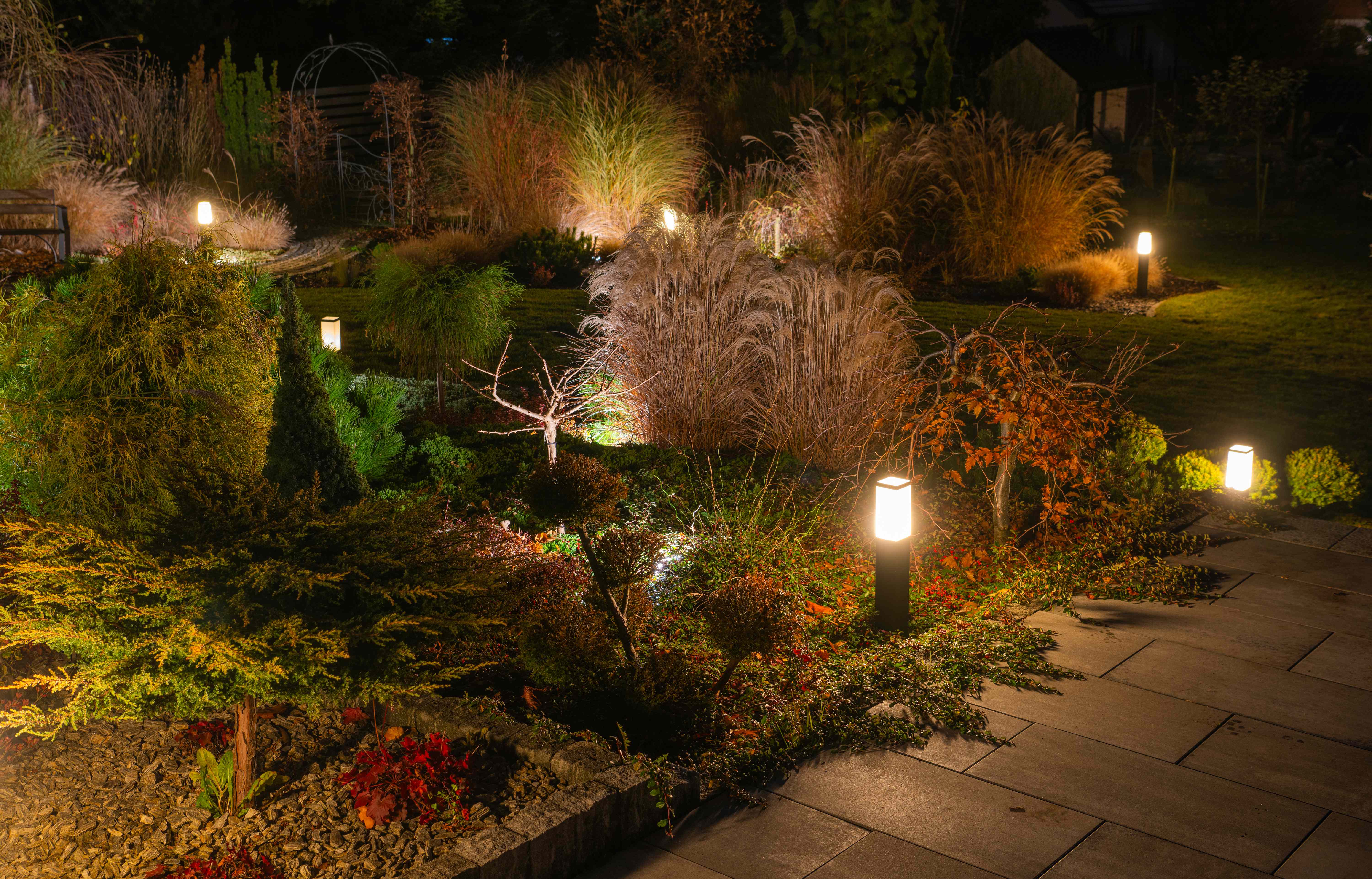

If you’ve ever stood in your yard at 9:47 p.m. with a hose in one hand and a guilty conscience in the other, you’re not alone.
The “never water at night” rule gets repeated like it’s carved into a stone tablet somewhere between the tomatoes and the hydrangeas.
But real-life gardening is messier (and so is your schedule).
Here’s the truth: watering at night isn’t automatically “bad,” but it can increase problems in certain situationsespecially if you soak leaves
and then leave them wet for hours. The best routine for most outdoor plants is still early morning. Night watering is more of a “use it wisely” tool than a
daily habit.
Quick Answer: Is Night Watering a Yes or a No?
- Best default choice: Water in the early morning so plants can drink up and foliage dries faster.
- Night watering can work: If you water the soil (not the leaves), use drip/soaker hoses, and your climate is dry or breezy enough to prevent long leaf-wetness.
- Night watering is riskier: In humid areas, for dense plants, for lawns prone to fungus, and when you use overhead sprinklers that leave everything wet until sunrise.
- Middle-of-the-day watering: Not eviljust less efficient. If plants are stressed and you can only water then, do it. (Your plants won’t file a complaint.)
Why Timing Matters More Than You Think
Watering isn’t just “add water, receive happiness.” Timing affects three big things:
1) How much water actually reaches roots
In heat and wind, water disappears fasterthrough evaporation and drift. Morning tends to be calmer and cooler, so more water gets into the soil where roots can use it.
That means you can often water less overall while getting better results.
2) How long leaves stay wet
Many plant diseases (think powdery mildew, leaf spots, blights) love extended moisture on foliage.
If you wet leaves at night and they stay damp for hours, you’re basically hosting an overnight spa retreat for fungal spores.
3) What pests get invited to the party
Damp nighttime conditions can encourage slugs, snails, and other moisture-loving pests. It’s not that water “creates” pests,
but it can make the environment more comfortable for them while they snack.
Why Pros Usually Recommend Morning Watering
If you want one simple rule that works in most yards, most seasons, and most regions, it’s this:
Water early in the morning.
Morning watering helps in two practical ways:
- Lower evaporation: Cooler air and gentler wind mean the soil absorbs more of what you apply.
- Faster drying: Sunlight and rising temperatures help leaves dry out, which can reduce disease pressure when foliage gets splashed.
If you’re using sprinklers, a hose-end sprayer, or anything that wets leaves, morning is especially helpful. Even when you water at the base,
you can still get splash on lower leavesso drying time is your friend.
So… What’s the Case Against Watering at Night?
Night watering gets a bad reputation mainly because it can extend leaf wetness.
And longer leaf wetness increases the odds of disease for many garden plantsespecially in humid climates or tightly planted beds.
Common night-watering downsides
- More fungal and bacterial disease risk when leaves stay wet overnight (common with overhead watering).
- Overwatering is harder to notice in the darkpuddles, runoff, or a broken sprinkler head can go unseen.
- Cool, wet soil can stress some plants (especially those that like to dry slightly between waterings), increasing risk of root problems.
Notice what’s missing: “Watering at night stops plants from absorbing water.”
Roots don’t clock out at sundown. Plants can still take up water after dark. The bigger issue is the environment you createespecially wet leaves for long periods.
When Night Watering Is Actually Fine (Sometimes Even Helpful)
Here’s where the internet deserves a gentle, respectful shush: the right answer depends on how you water, what you’re watering,
and your local conditions.
Night watering can be okay if you do these things
- Water the soil, not the leaves. Aim at the base of the plant.
- Use drip irrigation or soaker hoses. These deliver water where it’s needed and keep foliage drier.
- Choose early evening over midnight. The earlier you water, the more time anything damp has to dry.
- Keep it deep and intentional. A slow soak beats a nightly sprinkle that only wets the surface.
Real-world situations where night watering makes sense
You work odd hours. If your only realistic time is after dinner, you can still have a healthy gardenjust switch your technique to soil-level watering.
Heat waves. In extreme heat, watering later can help plants recover from the day’s stress. The goal isn’t to “cool” them like an air conditioner,
but to prevent continued dehydration overnight.
Water restrictions. Some communities limit watering to specific hours. If those hours are at night, you can still garden successfully by avoiding leaf-wetting.
Lawns with timed irrigation. Turf recommendations are surprisingly nuanced. In some cases, watering overnight (ending before sunrise) can be efficient due to lower wind and evaporation.
The key is not leaving grass blades wet longer than necessaryand understanding what diseases are common in your area.
The “Dew Factor”: The Hidden Reason Timing Gets Tricky
Night and early morning are when many regions naturally get dew. That means your plants may already be wet for hours even if you don’t water.
If you add irrigation at the wrong moment, you might be extending that wet period.
A practical takeaway: avoid watering in a way that keeps foliage wet longer than it would be naturally.
If your garden is already dewy, focus on soil-level watering and avoid overhead sprinkling that adds extra hours of leaf wetness.
Night Watering Done Right: A Pro-Style Checklist
Step 1: Switch from “spray” to “soak”
If you’re watering at night, pretend your goal is to water the roots only.
Use a watering wand aimed at the soil, a drip line, or a soaker hose under mulch.
Step 2: Mulch like you mean it
A 2–3 inch layer of mulch (kept a little away from stems) helps soil hold moisture longer, so you don’t need frequent watering.
It also reduces splash-back onto leavesone of the ways disease spreads from soil to plant.
Step 3: Water deeply, not daily
Many gardens get into trouble with “a little bit every night.” That keeps the surface damp, encourages shallow roots, and can boost fungal issues.
Instead, water thoroughly, then let the top layer dry a bit before the next irrigationadjusting for your plant type and weather.
Step 4: Don’t guesscheck soil moisture
The simplest tool is your finger. If the soil is still damp an inch or two down, you may not need to water yet.
(Wilt can mean thirst, but it can also mean heat stress or even overwatering. Plants are dramatic like that.)
Step 5: Make your system idiot-proof (for your future self)
Timers, smart controllers, rain sensors, and drip systems can help you water at optimal times even when you’re busy.
If you must run irrigation at night, set it so the cycle finishes before dawn and doesn’t run longer than necessary.
Plant-by-Plant Advice: Not Everything in Your Yard Wants the Same Routine
Vegetable gardens
Veggies can be disease-prone, especially tomatoes, squash, cucumbers, and beans. These plants often do best with morning watering and soil-level irrigation.
If you water at night, avoid soaking leaves and avoid splashing soil onto foliage. Drip irrigation under mulch is the “quiet professional” move here.
Flower beds and ornamentals
Dense ornamentals (think roses, zinnias, phlox) can trap humidity. Night watering overhead can increase leaf disease risk.
If you’re watering after dark, keep it targeted at the base and improve airflow by spacing plants and pruning overcrowded growth.
Containers and hanging baskets
Containers dry out faster than in-ground beds, especially in summer. If a pot is bone dry at night, watering may be necessaryperiod.
The trick is to water until it drains, then don’t water again until the pot actually needs it. Consistently soggy containers are where root problems love to begin.
Lawns
Lawn guidance varies because turf systems, climates, and disease pressures vary. Many experts still prefer early morning.
However, some irrigation guidance supports nighttime operation (often finishing before sunrise) for efficiencyespecially where wind is a daytime problem.
If your lawn frequently develops fungal patches, shorten the leaf-wet period: avoid long runs, fix poor drainage, and don’t irrigate more than your soil can absorb.
Houseplants
Indoors, “watering time” matters less than “watering correctly.” Houseplants aren’t getting nighttime dew, and airflow is usually stable.
The main goal is to avoid waterlogginguse proper drainage, empty saucers, and water based on soil dryness, not the clock.
Myth Corner: Will Water Droplets in Sunlight Scorch Leaves?
You might’ve heard that watering during the day “burns” leaves because droplets act like magnifying glasses.
This idea is wildly popularand often overstated. In most real garden conditions, the bigger issue with midday watering is wasted water (evaporation), not leaf scorch.
Translation: if your plants are wilting at 2 p.m. during a heat wave and the only time you can water is right now,
water them. Just water the soil and do it efficiently.
Bottom Line: What a Gardening Pro Would Tell a Friend
If we’re standing in your yard and you ask, “Okay, but what should I do?” here’s the practical advice:
- Try for early morning most days. It’s efficient and disease-smart.
- If you must water at night, change the method. Water the soil, keep leaves dry, and avoid “little sips” every evening.
- Let plants and weather, not guilt, guide you. Check soil moisture, watch your plants, and adjust by season.
Gardening doesn’t need perfect rules. It needs good patternsand a willingness to tweak them when the weather (or your life) gets weird.
Extra: Real-World “Experience Notes” Gardening Pros Hear All the Time (About )
Gardening pros tend to become part horticulturist, part detective, and part therapistbecause watering problems rarely show up as a simple yes/no question.
They show up as: “My zucchini hates me,” “My roses look offended,” and “Why does my lawn have mysterious spots that weren’t there on Tuesday?”
A lot of these stories trace back to nighttime wateringnot because it’s automatically wrong, but because it’s easy to do it in the least helpful way.
One of the most common scenarios is the well-meaning evening routine: a quick spray over the whole bed after dinner.
It feels responsible. It also leaves leaves wet, cools the surface, andif repeated nightlykeeps the top layer of soil constantly damp.
Pros often see this pattern paired with powdery mildew on squash, leaf spots on tomatoes, and flowers that look tired even though they’re “getting water every day.”
The fix usually isn’t more water. It’s better water: a slow soak at the base, two or three times per week (depending on heat), plus mulch to hold moisture.
Another frequent “experience note” comes from container gardeners. People with patios and balconies often water at night because that’s when they’re home.
Containers are tricky: they can go from “fine” to “crispy” fast, but they can also stay soggy if watered on autopilot.
Pros often recommend a simple rhythm: lift the pot. If it feels light, water deeply until it drains. If it feels heavy, wait.
Night watering can be totally fine for potsespecially in hot weatherif the container has drainage and you’re not topping it off every night out of habit.
(Plants like consistency, but roots also like oxygen. Soggy soil is basically a bad roommate situation for roots.)
Lawns bring the most heated debatessometimes more heated than the actual summer sidewalk.
Some homeowners swear night watering “caused fungus,” while others run irrigation overnight for years without an issue.
Pros typically look at the whole picture: how long the sprinkler runs, whether the lawn has poor drainage, the local humidity, and whether watering is happening too often.
A lawn that’s watered briefly every night often stays damp near the surface and develops shallow rootsmaking it more disease-prone and less drought-tolerant.
Meanwhile, a lawn watered deeply, less frequently, and timed to avoid unnecessary hours of wet blades can do welleven if the system runs overnight.
Then there’s the “vacation regret” story: someone sets a timer to run nightly because they’re afraid plants will dry out.
They come home to yellowing leaves, fungus gnats in pots, or a garden that looks like it binge-watched humidity for a week straight.
Pros usually recommend building in weather awareness: use a rain sensor outdoors, don’t irrigate if the soil is already moist, and aim for deep watering that encourages roots to grow down.
The big lesson from these real-world patterns is simple: watering time matters, but watering technique matters more.
If you keep foliage dry, water deeply, and let soil partly dry between sessions when appropriate, you can succeedeven if your only free time is after sunset.
Conclusion
Should you water plants at night? Sometimesespecially if that’s what your schedule allows, your watering method targets the soil, and your local conditions won’t keep foliage wet for hours.
But if you’re choosing the “best” time for most gardens, early morning still wins for efficiency and disease prevention.
The real pro move isn’t obsessing over the clockit’s matching your method to your plants, your climate, and your life.