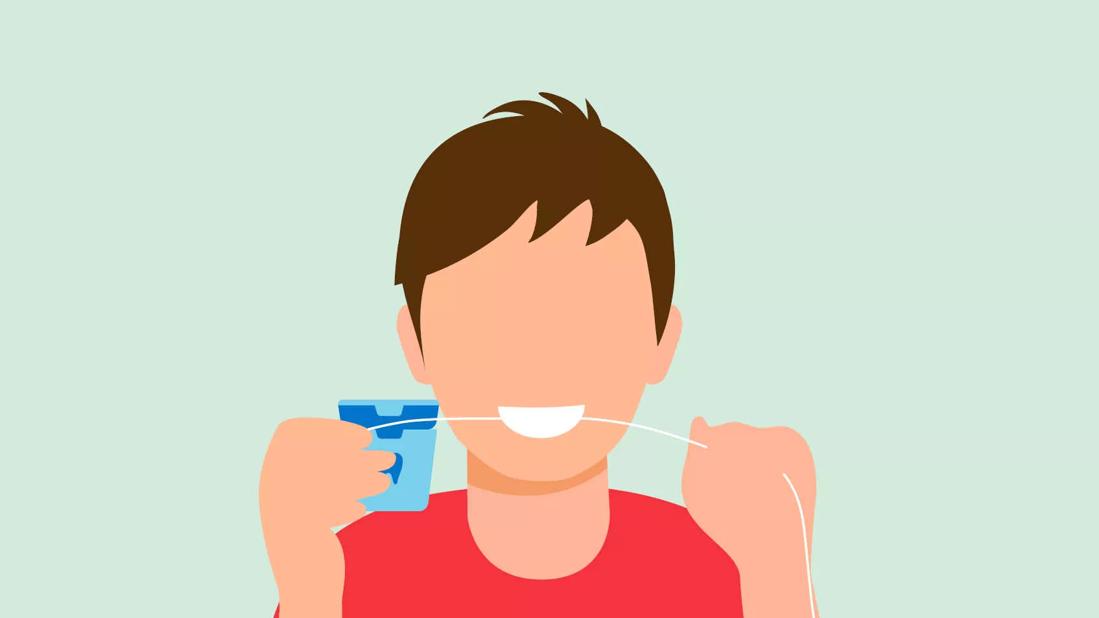

If you have ever stood in front of the bathroom mirror with a toothbrush in one hand and floss in the other, wondering which one gets the opening act, welcome to one of oral care’s weirdly persistent debates. It sounds like a tiny question. It is not exactly the dental version of solving world peace. But it does matter, because when routines feel confusing, people tend to do one of two things: overthink them or skip them. Neither is great for your gums.
So, should you floss before or after brushing? The honest answer is delightfully un-dramatic: both can work. But if you want the slightly more strategic move, flossing before brushing appears to have a small advantage. That is the direction many dentists lean, especially because flossing first may loosen plaque and trapped food so brushing can sweep more of it away and allow fluoride toothpaste to reach between the teeth more effectively.
Still, do not let this become a high-stakes bathroom crisis. The best order is the one you will actually do every single day. A perfect routine that lives only in your imagination is far less useful than a simple one you can stick to while half-awake on a Tuesday morning.
The Short Answer
If you want the cleanest, most efficient routine, floss before brushing. If you already brush first and floss second, you do not need to panic, write an apology to your molars, or throw out your toothbrush in shame. What matters most is that you brush twice a day with fluoride toothpaste and clean between your teeth once a day.
Think of it this way: brushing cleans the broad surfaces of your teeth. Floss reaches the narrow spaces a toothbrush cannot get into well. Those little spaces are exactly where plaque loves to set up camp, unpack its bags, and start causing trouble.
Why This Debate Exists in the First Place
The brushing-versus-flossing order question exists because oral care is not just about doing tasks. It is about sequence, technique, and consistency. A toothbrush handles the visible surfaces well, but it cannot fully slide between tight contacts where plaque and food debris hang out. Floss can reach those areas, which is why dentists keep bringing it up even though most people would rather discuss literally anything else.
The debate really comes down to this: if floss loosens debris and plaque from between the teeth, should that happen before brushing so toothpaste can follow through? Or should brushing happen first so floss can clean up what brushing misses? Different health sources describe it differently, which is why the internet sometimes makes this seem like a gladiator match between two acceptable habits.
And that is the key phrase: two acceptable habits. The science is not screaming that one order is wildly superior. But it does suggest that flossing first may provide a modest edge.
Why Flossing Before Brushing Usually Makes More Sense
1. It loosens the gunk before the toothbrush arrives
Flossing first helps break up plaque and remove food particles from places your toothbrush bristles cannot fully reach. Once that debris is loosened, brushing has a better chance of clearing it away instead of leaving it to loiter between your teeth like an uninvited guest at a cookout.
This is one reason many dental professionals prefer floss-first routines. It is not magic. It is just smart sequencing. Clean the tight spaces first, then brush the larger surfaces and help carry out what got dislodged.
2. It may help fluoride reach between teeth
This is the argument that gives flossing first its strongest practical appeal. Fluoride toothpaste protects enamel and helps prevent cavities. If flossing removes plaque and leftover food from between the teeth first, the fluoride from toothpaste may make better contact with those surfaces afterward. In other words, flossing first can help your toothpaste stop working only on the obvious areas and start reaching the sneaky ones too.
That does not mean brushing first is useless. It just means floss-first may help your toothpaste act less like a surface-level performer and more like a thorough team player.
3. It can make the routine feel complete
There is also a behavior angle here. Many people who save flossing for the end have noble intentions and tragically low evening energy. They brush, look in the mirror, decide they have “basically done oral hygiene,” and then promise to floss later. Later, of course, is a fictional time zone.
Flossing first solves that problem. You do the easiest-to-skip step up front. Then brushing feels like the satisfying finish instead of the point where motivation quietly leaves the building.
Why Brushing First Is Still Totally Acceptable
Now for the part that should lower your stress level: brushing first is still a valid routine. Some respected health sources say flossing after brushing is fine, and some people simply prefer it. If that order helps you stay consistent, it is still doing your mouth a favor.
For some people, brushing first creates a “clean slate” feeling that makes them more likely to follow through with flossing. Others like the idea that flossing removes what brushing left behind. That logic is not ridiculous. It is just not the order that appears to have the slight research-based advantage.
The best oral care routine is not the one that wins an argument online. It is the one that happens every day without requiring heroic levels of discipline.
What the Research Really Suggests
Research on flossing order is a little mixed, which is a polite scientific way of saying, “Please stop expecting a dramatic plot twist.” Some studies have found that flossing before brushing may reduce interdental plaque more effectively and improve fluoride retention between the teeth. Other analyses suggest the difference is not large enough to declare one order the undisputed champion.
That is why the most sensible conclusion is this: flossing first probably offers a small benefit, but not flossing at all is the real mistake. If your current routine is brush first, floss second, you are still doing much better than someone who treats floss like decorative string that came free with a dental appointment.
The Best Step-by-Step Routine for Most People
If you want a simple order that makes practical sense and aligns with what many experts recommend, use this routine:
- Floss first. Gently slide the floss between each tooth, curve it around the side of the tooth, and move it up and down instead of snapping it like a tiny revenge rope.
- Brush second. Brush for two full minutes with a soft-bristled toothbrush and fluoride toothpaste.
- Spit, but do not over-rinse. Many dentists suggest not rinsing aggressively right away so fluoride can stay on the teeth longer.
- Use mouthwash if you want it. If mouthwash is part of your routine, use it as an extra step, not as a replacement for brushing or flossing.
This routine is clean, efficient, and easy to remember. Floss, brush, done. Your teeth get the memo. Your gums get support. Your mirror gets a front-row seat to a much less chaotic routine.
How to Floss Properly, Because Technique Matters More Than People Admit
Flossing badly and flossing not at all are closer cousins than most people realize. If you just ping the floss between two teeth and call it a day, plaque is probably still sitting there laughing.
Use enough floss so you can move to a clean section as you go. Ease it gently between the teeth instead of forcing it. Curve it into a C-shape around the side of each tooth, then slide it up and down under the gumline. Repeat on both sides of the space. Yes, every tooth. Your back molars count too, even if they are hiding like introverts at a party.
If floss makes your gums bleed a little at first, that can happen when gums are irritated. But if bleeding keeps happening, or you have pain, swelling, loose teeth, or persistent sensitivity, it is time to talk to a dentist instead of trying to diagnose yourself in the toothpaste aisle.
Common Mistakes That Make Your Routine Less Effective
- Skipping daily flossing: Doing it “when something feels stuck” is not a routine. That is emergency management.
- Snapping floss into the gums: Gentle pressure works better and hurts less.
- Using the same tiny section of floss for the whole mouth: That just relocates debris from one neighborhood to another.
- Brushing too hard: More force does not equal better cleaning. It can irritate gums and wear down enamel over time.
- Using a worn-out toothbrush: Replace your brush or brush head every three to four months, or sooner if it looks like it survived a small storm.
- Thinking mouthwash replaces floss: Nice try. It does not.
What If Regular Floss Is Not Your Thing?
That is fine. Dental care should not be built around suffering for tradition. If string floss is hard to use because of braces, tight teeth, arthritis, limited hand mobility, or pure everyday annoyance, other interdental cleaners may help. Floss holders, floss threaders, interdental brushes, and water flossers can all make the job more manageable.
The smartest option is the one you can use correctly and consistently. A less glamorous tool you actually use beats an ideal tool that sits untouched in the cabinet next to half a pack of mystery travel toothpaste.
When Timing Matters More Than Order
There is another angle people often forget: sometimes the bigger issue is not whether you floss before or after brushing, but whether you are doing both often enough. If you brush for only 23 seconds, skip nighttime care, or floss once every time a comet passes Earth, the order is not your main problem.
Oral hygiene is a consistency game. Brush twice a day. Clean between your teeth once a day. Use fluoride toothpaste. See your dentist regularly. Keep sugary snacks and drinks from becoming a full-time personality trait. Those basics do far more for your mouth than obsessing over one tiny sequencing decision.
Real-Life Experiences With Flossing Before or After Brushing
A lot of people discover the floss-before-or-after question the same way: not through research journals, but through a mildly judgmental conversation with their dental hygienist. They go in for a cleaning, hear the familiar phrase “How often do you floss?” and suddenly start bargaining with the universe. Then they leave determined to become a new person with a new bathroom routine.
One common experience is that flossing before brushing simply feels more logical once people try it for a week or two. They notice bits of food and plaque coming loose first, then brushing feels like the cleanup crew arriving at exactly the right moment. Their mouth often feels fresher, not because they discovered a miracle, but because the whole routine feels more intentional. It is the dental version of sweeping before mopping instead of the other way around.
Another frequent experience is psychological, not mechanical. People who always planned to floss after brushing often admit that flossing somehow “accidentally” never happened. They brushed, got tired, and mentally clocked out. Switching the order fixed that. By doing floss first, they stopped negotiating with themselves at the sink. The routine became shorter in their mind, even though it was technically the same amount of work. Once the most skippable step was done, brushing felt like an easy finish instead of one more annoying chore.
That said, there are also plenty of people who swear by brushing first. They like starting with a minty clean mouth, then going in with floss to catch what brushing missed. For them, that order feels satisfying and keeps the habit alive. And that matters. A routine you enjoy enough to repeat is worth a lot. In real life, compliance beats perfection more often than people want to admit.
People with braces, crowns, bridges, or tight contact points often report a slightly different experience. For them, flossing can feel like assembling tiny bathroom equipment for a very underpaid mission. Tools like floss threaders, pre-threaded flossers, or water flossers can make a huge difference. Once the process becomes easier, the question of order matters less because the bigger victory is finally doing interdental cleaning without turning it into a dramatic event.
Sensitive gums are another real-world factor. Some people avoid flossing because they assume bleeding means they should stop. In many cases, mild bleeding early on is actually a sign that gums are inflamed and need better daily care, not less of it. When people start flossing gently and consistently, they often notice the bleeding improves over time. That can be a powerful moment because it turns flossing from “the thing that makes my gums mad” into “the thing that helped my gums calm down.”
The most relatable experience of all may be this: once people stop treating floss as an optional side quest and start making it a fixed part of the routine, their mouth feels better. Less trapped food. Less fuzzy plaque feeling. Fresher breath. Fewer awkward moments poking at spinach with a fingernail in the car mirror. Sometimes oral care breakthroughs are not glamorous. Sometimes they are just wonderfully practical.
Final Verdict
So, should you floss before or after brushing? For most people, flossing before brushing is the better bet. It can help remove plaque and debris from between the teeth before brushing, and it may help fluoride toothpaste do a more thorough job afterward. That is the smartest order if you want the slight edge.
But here is the part worth remembering when life gets busy: brushing first and flossing second is still far better than skipping floss altogether. The real goal is not to win a debate. The goal is to protect your teeth, support your gums, and build a routine you can actually keep.
If you want the simplest rule of all, make it this: floss once a day, brush twice a day, use fluoride toothpaste, and be consistent. Your dentist will be happier. Your gums will be calmer. And your teeth will not care that you once spent five minutes reading about bathroom sequencing on the internet.
When You Should See a Dentist
Do not rely on home care alone if you have ongoing gum bleeding, gum swelling, bad breath that will not quit, tooth pain, loose teeth, or sensitivity that keeps getting worse. Those signs can point to issues that need professional attention. Floss is helpful, but it is not a wizard.