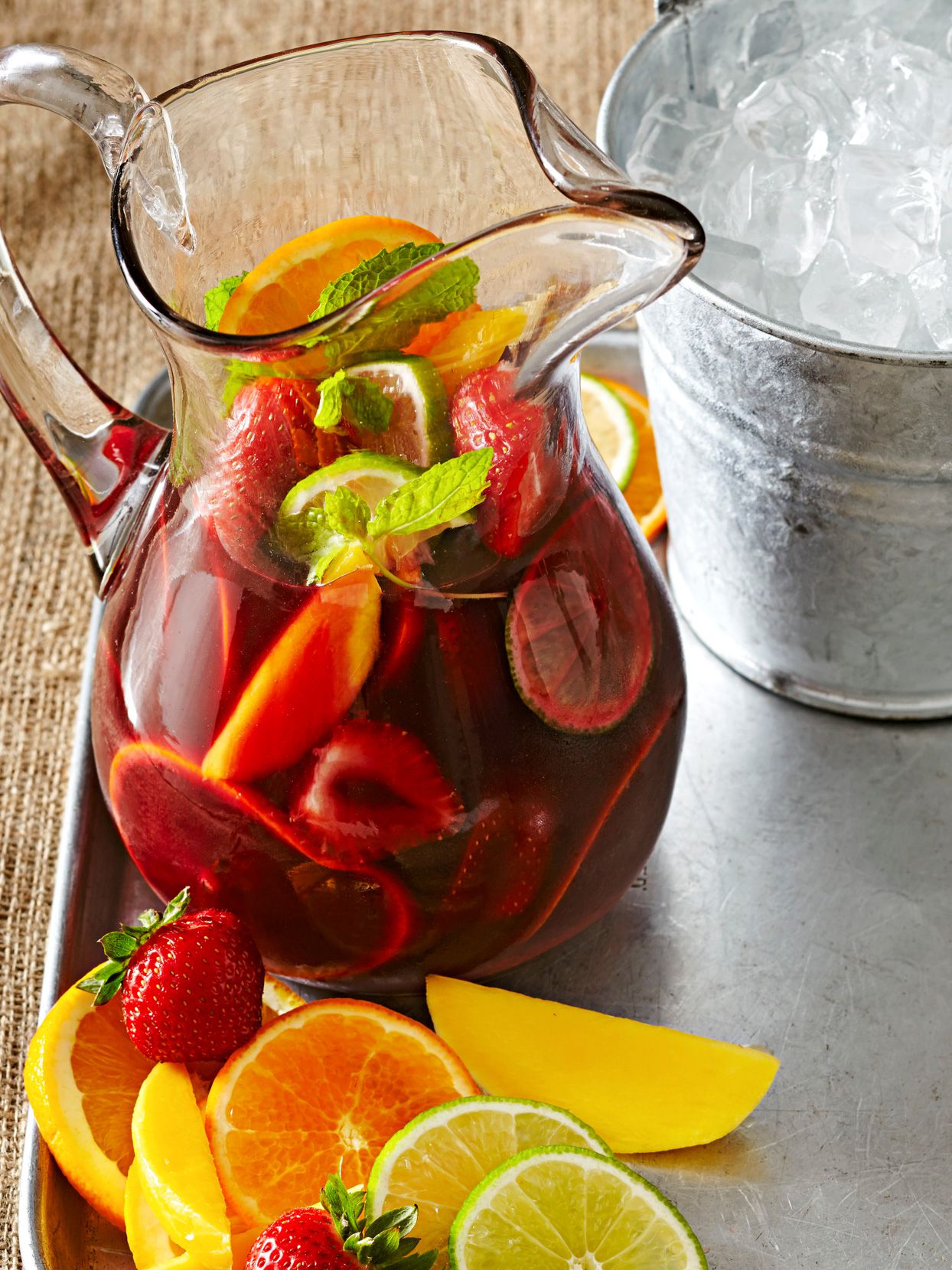

Sangria is what happens when wine decides to stop being serious for the afternoon. It’s fruity, flexible, and
basically engineered for patios, potlucks, and “we swear we’re keeping it chill tonight” gatherings. The best
part? You don’t need a bartender’s kitjust a pitcher, a spoon, and the confidence to slice an orange without
looking like you’re auditioning for a cooking show blooper reel.
This guide gives you a classic sangria recipe, plus the “why it works” details that help you
tweak it for your crowdwhether they like it bold, bright, bubbly, or “just a little sweeter… okay, a lot
sweeter.”
What Is Sangria, Exactly?
At its core, sangria is a wine-based punch: wine + fruit + something to sweeten + something to boost
(often brandy or orange liqueur) and sometimes a splash of fizz. It’s traditionally associated with Spain and
Portugal, but it’s also become an American party staple because it’s:
- Easy to batch (no one wants to shake 18 cocktails in a row)
- Make-ahead friendly (future-you deserves nice things)
- Customizable (your fruit bowl and your mood both get a vote)
A great sangria should taste like a well-balanced fruit-forward wine cocktailnot like wine that fell into a
fruit salad on the way to the table.
Classic Red Wine Sangria Recipe (Crowd-Friendly Pitcher)
This is the classic, dependable, everyone-invited version. It’s built around dry red wine, citrus, and a modest
splash of brandyenough to round things out, not enough to turn your brunch into a nap.
Ingredients (Serves 6–8)
- 1 (750 ml) bottle dry red wine (see “Best Wine for Sangria” below)
- 1/4 cup brandy (or cognac)
- 2–3 tbsp orange liqueur (optional but lovely; triple sec works)
- 2–4 tbsp sweetener (simple syrup, sugar, or agavestart small)
- 1 orange, sliced into rounds or half-moons
- 1 lemon, sliced (optional but brightens everything)
- 1 apple (firm and crisp), diced or thinly sliced
- 1–2 cups cold mixer (club soda, sparkling water, lemon-lime soda, or ginger ale)
- Ice (for serving, not for “watering down in the pitcher”)
Instructions
-
Prep the fruit. Slice citrus and dice apple. If you’re using berries, keep them whole or
halved (they can get mushy if you bully them). -
Build the base. In a large pitcher, combine wine, brandy, orange liqueur (if using), and
sweetener. Stir well until the sweetener dissolves. -
Add fruit and chill. Add the fruit, stir gently, cover, and refrigerate for
at least 2 hours (4 hours is a sweet spot for many palates). -
Add bubbles right before serving. Pour in your cold mixer and stir once or twiceno need to
whip it into a foam party. -
Serve over ice. Fill glasses with ice and ladle/pour sangria over the top. Make sure each
glass gets some fruit, because that’s half the fun.
Taste checkpoint: After chilling, taste before you add fizz. If it needs more brightness, add a
squeeze of lemon. If it’s too sharp, add a touch more sweetener. If it tastes “thin,” add a bit more fruit or a
splash more brandy.
The Sangria Formula (So You Can Make It Without Panic-Googling)
Once you understand the formula, you can freestyle sangria like a responsible adult with a cutting board:
- Wine: 1 bottle
- Spirit (optional): 1/4–1/2 cup (brandy is classic)
- Sweetener: a few tablespoons, to taste
- Fruit: 2–4 cups (a mix of citrus + one “main fruit” works well)
- Mixer: 1–2 cups bubbly or soda, added at the end
Think of this as “structure with wiggle room.” The best easy sangria recipe is the one you can repeat
and adjust based on who’s drinking it.
Best Wine for Sangria (And What to Avoid)
You want a wine that plays well with fruit, sweetener, and maybe bubbles. That usually means:
- Dry rather than dessert-sweet (you control the sweetness)
- Fruit-forward rather than super earthy or tannic
- Affordable (you’re not sipping it solo with a candle and a jazz playlist)
Great Red Wine Picks
- Garnacha/Grenache (bright, berry-friendly)
- Tempranillo (classic Spanish vibe)
- Rioja (often works beautifully if not too oaky)
- Merlot (soft and crowd-pleasing)
- Zinfandel (fruit-forward; watch sweetness and alcohol)
What to Avoid
- Very oaky reds (they can clash with citrus and taste woody)
- Super tannic wines (they can turn bitter when chilled)
- Ultra-expensive bottles (save those for a different kind of joy)
Fruit Choices That Actually Taste Good
Fruit isn’t just decorationit’s flavor, aroma, and a little snack you can pretend is “for balance.” A smart
approach is:
- Citrus for brightness: orange, lemon, lime, grapefruit
- One firm fruit for body: apple, pear, peach (firmer peaches hold up better)
- Optional accent fruit: berries, pineapple, grapes, pomegranate seeds
Pro tip: If you want deeper citrus aroma, use a bit of zest (or twist peels over the pitcher)
without dumping in a ton of bitter white pith.
Sweeteners, Spirits, and Bubbles
Sweetener
Sugar, simple syrup, agave, even a little fruit juice can sweeten sangria. Start with less than you think, then
adjust after chilling (cold dulls sweetness, so it can change).
Spirit (Optional, But Classic)
Brandy is traditional because it adds warmth and depth. Orange liqueur adds a bright citrus lift. If you want a
lighter vibe, you can skip the spirit entirely and lean on fruit and fizz.
Bubbles
Add bubbly ingredients right before serving so you don’t end up with “sangria, now featuring
sad flatness.” Club soda is clean and lets the fruit shine; lemon-lime soda adds sweetness; ginger ale brings a
subtle spice.
Make-Ahead Sangria (Because Hosting Is Already a Lot)
Sangria is happiest after it has time to chill and mingle. Most batches improve with a few hours of rest in the
fridge.
- Best window: 2–8 hours for classic fruit infusion
- Overnight: works, but soft fruits can get mushy (berries especially)
- Save the fizz: add soda/seltzer right before serving
If you want an overnight sangria without mush, use mostly citrus + apple/pear, and add delicate berries closer
to serving time.
Easy Variations: White Sangria, Rosé Sangria, and Sparkling Sangria
White Sangria
Swap red wine for a crisp white (like Pinot Grigio or Sauvignon Blanc). Use fruits like peaches, strawberries,
grapes, and citrus. A splash of brandy still works; so does elderflower liqueur if you want a floral note.
Rosé Sangria
Rosé makes a bright, berry-friendly sangria that’s great for brunches, showers, and any event where “pretty” is
part of the assignment. Pair with strawberries, raspberries, citrus, and a little pomegranate or cranberry juice
for color and tang.
Sparkling Sangria
Keep the base chilled, then top with sparkling wine or extra seltzer at the end. This is the “we’re being fancy”
option that requires almost no extra workan elite combo.
Common Sangria Mistakes (And How to Avoid Them)
1) Overdoing the liquor
Sangria is a wine punch, not a stealth cocktail designed to knock out your guests before dessert. Keep the
spirit modest and supportive.
2) Using fruit that collapses into mush
Very ripe berries and ultra-soft peaches can fall apart if they sit too long. Use firmer fruit for longer
chilling, and add delicate fruit later.
3) Pouring soda in too early
If you add fizz at the start, it will be gone by the time anyone arriveskind of like your energy after hanging
one banner.
4) Choosing a wine that’s too bitter when chilled
Some heavy, tannic reds can taste harsher cold. Aim for fruity, softer reds for a smoother sip.
Non-Alcoholic “Sangria” Option (Family-Friendly Pitcher)
If you want the fruity party vibe without alcohol, you can still build a pitcher that tastes festive instead of
“sad juice.”
Quick Recipe
- 2 cups grape juice (or a mix of grape + pomegranate)
- 2 cups orange juice (or citrus blend)
- 2–3 cups sparkling water or lemon-lime soda, added at the end
- Lots of sliced fruit (citrus + berries + apples)
Chill with fruit for a few hours, then add bubbles before serving over ice. It’s bright, pretty, and nobody has
to explain why they’re “just doing one drink tonight.”
Serving Tips That Make Sangria Feel Effortless
- Use a big, clear pitcher so the fruit looks like you tried (even if you didn’t).
- Chill everything (wine, juice, soda). Cold ingredients = less melted ice.
- Ice goes in the glass, not the pitcher, unless you want diluted sangria by hour two.
- Garnish simply: mint, citrus wheels, or a few berries make it pop.
FAQ: Sangria Questions People Always Ask
How long should sangria sit before serving?
A couple hours is the minimum for noticeable fruit infusion. Four hours is often the “this tastes like sangria”
sweet spot. Overnight is fine if you use sturdier fruit.
Can I use boxed wine?
Yesespecially for big parties. Pick a dry, fruit-forward style and treat it the same way you would a bottle.
Sangria is forgiving, but it still appreciates decent wine.
Do I have to add brandy?
Nope. Brandy adds depth, but you can skip it for a lighter pitcher and rely on fruit, a little sweetener, and
bubbles.
What’s the best fruit combo for beginners?
Orange + apple is classic, reliable, and doesn’t fall apart fast. Add lemon for brightness and a handful of
berries for flair.
Conclusion: Your Go-To Sangria Recipe, Anytime
A great sangria recipe is less about strict rules and more about smart balance: pick a
fruit-forward wine, add fruit that can handle a chill, sweeten carefully, and save the bubbles for the finish.
Once you’ve made it once, you’ll start building sangria based on season, mood, and what’s in your fridgeand
that’s exactly the point.
If you remember just one thing: chill the base, taste before serving, and add fizz last.
Everything else is you having fun with a pitcher.
Real-World Sangria Experiences (The Stuff Recipes Don’t Admit)
People don’t fall in love with sangria because it’s technically impressive. They fall in love with it because
it’s the rare party drink that feels like a shortcut and a flex at the same time. In real kitchens and real
backyards, sangria becomes the “signature” drink for one simple reason: you can make a pitcher look generous and
intentional with about ten minutes of effort and one decent knife.
One common experience: the first batch is always a little timid. You might under-sweeten because you’re afraid
of making it cloying, or you might choose a red wine that tastes fine at room temp but gets a touch sharper once
it’s chilled. The fix is usually small: a spoonful of simple syrup, a squeeze of citrus, or swapping in a
fruitier wine next time. Sangria is forgiving like thatit teaches gently.
Another very real hosting moment: guests love the fruit. They’ll fish it out with a straw, a fork, or
the confidence of someone who has never worried about etiquette. If you want to avoid a fruit shortage (yes, this
is a thing), slice extra citrus and keep a backup container of fruit in the fridge. Suddenly you’re not “the host
who ran out,” you’re “the host who planned ahead,” and those are wildly different legacies.
Sangria also has a funny way of matching the season. Summer parties lean brightberries, stone fruit, lots of
citrus, plenty of fizz. Cooler-weather gatherings tend to drift toward apples, pears, warming spices, and mixers
like ginger ale. People learn quickly that sangria isn’t just a recipe; it’s a format. The pitcher becomes a
canvas for whatever is freshest, most festive, or most likely to disappear off the snack table.
Then there’s the “make-ahead relief” factor. Hosts often discover that prepping sangria early doesn’t just save
timeit changes the energy of the event. Instead of hovering over a drink station, you can actually talk to
people, eat a chip while it’s still crunchy, and pretend you’re the kind of person who doesn’t break into a cold
sweat when someone asks, “Where do you keep the trash bags?”
A final experience that comes up again and again: sangria is a safe bet for mixed crowds. Wine drinkers are happy
because it still tastes like wine. Cocktail drinkers are happy because it has structure and a little kick. And
the “I only want something light” folks can be accommodated by adding more soda and keeping the pour modest.
Sangria doesn’t force a vibe; it adapts to the room. That’s why it keeps showing up at birthdays, barbecues,
bridal showers, and random Tuesdays that accidentally turned into “let’s sit outside for two hours.”
If you’re building memories around a pitcher, the best advice is simple: chill it well, serve it pretty, and
don’t overthink it. Sangria is at its best when it feels easybecause that ease is what people remember.