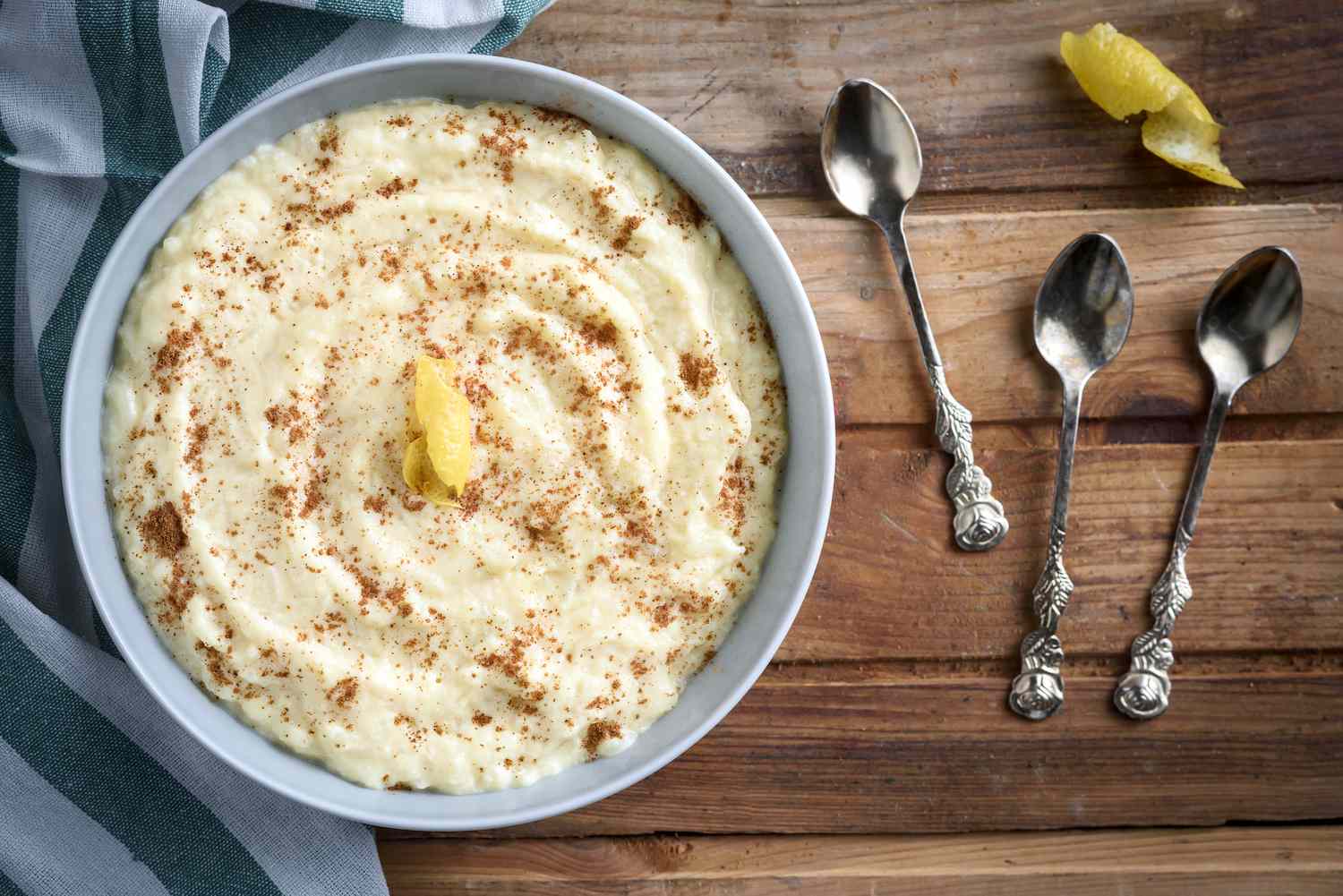

If comfort food had a passport, it would be stamped “Athens” the moment you dipped a spoon into
rizogalo – classic Greek rice pudding. Creamy, cinnamon-dusted, lightly scented
with citrus, this humble dessert proves you don’t need fancy ingredients to feel like a Greek yiayia is giving
you a hug in a bowl.
In this in-depth guide, you’ll learn exactly how to make rizogalo at home: which rice works best, how to avoid
grainy or burnt pudding, how to tweak sweetness and richness, plus easy flavor twists. We’ll finish with
real-world serving ideas, storage tips, and some lived-in “kitchen diary” experiences so you can confidently add
this Greek dessert to your regular rotation.
What Is Rizogalo?
The word rizogalo literally combines the Greek words for “rice” (rizi) and “milk”
(gala), which is pretty much the whole thesis of the dish: slow-cooked rice in milk, sweetened and
perfumed with cinnamon and citrus. Compared to many other rice puddings, Greek rizogalo tends to be:
- Creamy but not heavy – usually made with whole milk, not a lot of cream or eggs.
- Moderately sweet – more gentle than ultra-sweet custards or flans.
- Scented with cinnamon and lemon/orange – simple flavors that feel cozy and bright at once.
- Naturally gluten-free – as long as your thickeners and flavorings are gluten-free.
Traditionally, rizogalo is served either warm (perfect on a chilly night) or thoroughly chilled, where it firms up
into a spoonable, custard-like dessert. Many Greek households will happily eat it for breakfast, too – it’s basically
sweet, milky porridge with great branding.
Key Ingredients for Authentic Greek Rice Pudding
Almost every Greek cook has a slightly different version, but most rizogalo recipes use the same backbone of ingredients:
-
Short-grain rice – Arborio or other starchy short-grain rice is ideal because it releases
starch and thickens the pudding without needing tons of egg or cornstarch. -
Whole milk – Full-fat milk delivers that silky, comforting texture. Lower-fat milk works, but
the pudding will be less rich. -
Sugar – Regular granulated sugar is standard. You can adjust up or down depending on how sweet
you like your desserts. - Cinnamon – A cinnamon stick in the pot and ground cinnamon sprinkled on top are classic.
- Citrus peel or zest – Lemon or orange peel adds a subtle brightness that balances the creamy base.
- Vanilla (optional) – Not strictly traditional, but widely used now and delicious in small amounts.
-
Cornstarch or egg yolks (optional) – Some recipes add one or the other to make the pudding extra
thick and custardy. You can absolutely make a beautiful rizogalo with just rice and milk.
Think of these as your “core cast.” After you master the basic rice pudding, you can bring in supporting characters
like cardamom, mastic, rose water, or toppings like fruit compote and nuts.
Step-by-Step Rizogalo Greek Rice Pudding Recipe
This version is stovetop, creamy, and lightly citrus-scented, with no eggs and an optional cornstarch boost.
Ingredients (Serves 4–6)
- 1/2 cup (100 g) short-grain rice (such as Arborio)
- 1 cup (240 ml) water
- 4 cups (960 ml) whole milk, divided
- 1/2–2/3 cup (100–135 g) granulated sugar, to taste
- Pinch of fine salt
- 1 small strip lemon or orange peel (about 2–3 inches), avoiding the bitter white pith
- 1 teaspoon vanilla extract (optional but lovely)
- 1–2 tablespoons cornstarch mixed with 2 tablespoons cold milk (optional, for a thicker custard-like texture)
- Ground cinnamon, for serving
Instructions
-
Par-cook the rice.
Add the rice and water to a medium, heavy-bottomed pot. Bring to a gentle boil over medium heat, then reduce to a
simmer. Cook, stirring occasionally, until most of the water is absorbed and the rice has begun to soften, about
5–7 minutes. -
Add milk, sugar, and flavorings.
Pour in 3 1/2 cups of the milk, the sugar, salt, and the strip of citrus peel. Stir to combine. Bring the mixture just
to the verge of a boil, then immediately lower the heat to maintain a gentle simmer. -
Simmer low and slow.
Cook the rice in the milk for 25–30 minutes, stirring often – especially near the end – so the rice doesn’t sink
and scorch. The mixture should gradually thicken as the rice releases starch and the milk reduces. If it bubbles
too vigorously, lower the heat. If it looks too thick before the rice is tender, add a splash of the remaining milk. -
Optional thickening step.
If you’re using cornstarch, whisk it into the remaining 1/2 cup milk until smooth. When the rice is fully tender
and the pudding is already creamy, slowly pour in the cornstarch mixture while stirring constantly. Simmer for
another 2–3 minutes until the pudding visibly thickens and gently coats the back of a spoon. -
Finish with vanilla and adjust texture.
Remove the citrus peel and take the pot off the heat. Stir in the vanilla extract, if using. At this point, the
pudding should still be a bit looser than your final desired texture – it will continue to thicken as it cools.
If it seems too stiff already, whisk in a little extra warm milk. -
Portion and cool.
Spoon the hot rizogalo into individual bowls, ramekins, or small glasses. This not only looks charming but also
makes it easier to chill and serve. -
Serve warm or chilled.
For warm rizogalo, let it sit 10–15 minutes, then dust generously with ground cinnamon and serve. For chilled
pudding, press a piece of plastic wrap directly against the surface of each portion (to prevent a thick “skin” from forming),
cool to room temperature, then refrigerate at least 2 hours or until fully cold and set.
That’s it – no baking, no water baths, no fancy equipment. Just you, a pot, and some patient stirring. Put on a podcast,
channel your inner Greek grandma, and let the magic happen.
Texture Troubleshooting: How to Get Ultra-Creamy Rizogalo
Rice pudding is simple, but it’s not totally foolproof. Here’s how to dodge the most common mistakes:
-
Grainy or undercooked rice? Keep simmering with a bit more milk or water until the rice is fully tender.
Don’t rush the cooking time – short-grain rice needs a good 25–30 minutes. -
Too thick? Add a splash or two of warm milk and whisk thoroughly. You can do this even after the
pudding has chilled – just loosen it gently and re-portion. -
Too thin? Keep simmering uncovered so more liquid evaporates. If it’s still too loose, you can use
that cornstarch slurry (or a beaten egg yolk whisked into some warm pudding, then returned to the pot off the heat). -
Scorched bottom? Sadly, the burnt taste can travel through the whole pot. In the future, use a
heavy-bottomed saucepan, lower the heat, and stir often – especially in the last 10 minutes.
If you remember one rule, let it be this: low heat and frequent stirring are your best friends. Rice and milk like
gentle attention, not chaos.
Flavor Variations on Classic Greek Rice Pudding
Once you nail the base recipe, you can customize rizogalo in several delicious directions without losing its Greek soul:
-
Extra citrusy rizogalo: Use both lemon and orange peel, or add a bit of finely grated zest at the end
for a bright, aromatic finish. -
Ultra-rich “dessert-night” version: Swap 1 cup of the milk for heavy cream or half-and-half to make the
pudding more decadent. -
Lightened-up version: Use 2% milk and reduce the sugar slightly. You can sweeten the finished pudding
with a drizzle of Greek honey instead of more sugar. -
Spiced rizogalo: Along with cinnamon, add a pinch of ground cardamom, nutmeg, or cloves for a more
winter-y profile. -
Fruit-topped pudding: Spoon on a quick berry compote, poached figs, or citrus segments before serving.
This adds color, acidity, and a fresh twist. - Nut crunch: Sprinkle chopped pistachios, almonds, or walnuts on top of each bowl for texture contrast.
Keep in mind that a traditional Greek household may still vote for “just cinnamon” – but the joy of cooking at home
is that you get to experiment.
Serving Ideas and Storage Tips
Rizogalo is one of those rare desserts that works at almost any time of day. Here are some ideas:
- Breakfast bowl: Serve it slightly warm with a handful of berries and a spoonful of yogurt on top.
- After-dinner dessert: Chill it in small glass cups, dust with cinnamon, and maybe add a tiny curl of citrus peel.
- Snack time: Enjoy a small cup with coffee or tea when you need something sweet but not overwhelming.
As for storage, cool the rizogalo completely, cover, and refrigerate. It keeps well for about 3–4 days. If it thickens
too much in the fridge, stir in a little cold milk until it loosens to your desired creaminess.
Is Rizogalo Greek Rice Pudding Healthy?
Dessert and “healthy” rarely show up at the same party, but rizogalo earns a quiet gold star on a few fronts. Made with
whole milk, it offers a good hit of calcium and protein, along with carbohydrates from the rice for energy. Many classic
recipes clock in around 170–300 calories per serving depending on how much sugar and fat you use, and they can be a notable
source of calcium and a modest source of protein.
That said, it’s still a sweet, so consider it a treat rather than a main source of nutrients. If you want a lighter
version, you can:
- Use 2% milk instead of whole milk.
- Cut the sugar by a couple of tablespoons and add a drizzle of honey on top instead.
- Serve smaller portions and pair with fresh fruit.
Think of rizogalo as dessert that at least tries to contribute something beyond pure indulgence – like that friend
who brings a salad to the pizza party.
Frequently Asked Questions About Rizogalo
Can I use leftover cooked rice?
You can, but the texture will be different. Cooked rice releases less starch, so the pudding may not thicken as nicely.
If you must use leftovers, simmer them longer in milk and consider adding a bit of cornstarch or egg yolk to help set
the mixture.
Can I make rizogalo dairy-free?
You can experiment with full-fat coconut milk, oat milk, or almond milk, but the flavor and texture will move away from
traditional Greek rice pudding. If you go dairy-free, choose a richer plant milk and be prepared to adjust sweetness
and thickening.
Why did my pudding form a skin on top?
Milk naturally forms a thin skin as it cools. You can prevent this by placing plastic wrap directly on the surface
while the rizogalo cools, or by whisking it vigorously right before serving to smooth it out.
Can I freeze rizogalo?
Freezing is not ideal. The rice can turn mealy and the texture becomes grainy once thawed. It’s best enjoyed fresh
or within a few days from the fridge.
My Rizogalo Experiences: Little Lessons from the Pot (≈)
The first time you make rizogalo, it might look deceptively simple: rice + milk + sugar. How hard could this possibly
be? Then you turn your back for “just a second,” the pot boils over, the milk scorches, and suddenly your cozy Greek
dessert smells like campfire. Congratulations, you’ve joined the unofficial club of people who learned the “never walk
away from milk” rule the sticky way.
One of the most useful habits I picked up from seasoned rizogalo makers is to treat the last 10–15 minutes of cooking
like a mini meditation. Instead of thinking of the stirring as a chore, make it the main event. Queue up a favorite
playlist or podcast, grab a comfortable spoon (you’ll be surprised how much the handle matters), and stay present at
the stove. The reward is not just perfectly creamy pudding, but also a kitchen filled with the smell of warm milk,
citrus, and cinnamon – basically an instant mood lift.
I also learned that everyone has a different “perfect” texture. Some people like their rizogalo very loose and pourable,
almost like a thick drinkable custard. Others want it firmly set so you can stand a spoon straight up in the middle.
This is where cooking at home is powerful: you’re not locked into one version. If you prefer it looser, stop cooking
a little earlier and stir in a splash more milk at the end. If you want it more solid, simmer a bit longer or use that
optional cornstarch or egg yolk trick.
Another fun discovery: rizogalo is incredibly forgiving when it comes to toppings. I’ve had versions crowned only with
a blizzard of ground cinnamon, which is beautifully traditional. I’ve also served it with chopped pistachios and a thin
drizzle of honey when I wanted something that looked dinner-party fancy. One winter, I spooned warm spiced apples over
chilled rizogalo and suddenly it felt like Greek rice pudding and apple pie had agreed to co-parent a dessert.
Serving temperature is its own debate. Some people swear by warm rizogalo, eaten not long after it leaves the stove,
when it’s silky, comforting, and extra aromatic. Others insist that it must be chilled – they like the way it firms
up and how the flavors seem to round out after a few hours in the fridge. My honest advice? Try both. Make a batch,
eat a bowl warm that night, then have a chilled cup the next day. You’ll quickly discover which camp you belong to.
Finally, rizogalo has a way of sneaking into your routine. At first, you make it for a special occasion or out of
curiosity about Greek desserts. Then you realize it’s perfect for using up extra milk, or for those evenings when you
want something sweet but not heavy or complicated. Before long, you start keeping short-grain rice in the pantry “just
in case.” That’s how you know this recipe has moved from novelty to comfort-food regular – it becomes part of the quiet
rhythm of your kitchen, one gentle simmer at a time.
Conclusion
Rizogalo is proof that a few simple ingredients – rice, milk, sugar, and patience – can become something unforgettable.
With the right rice, gentle heat, and steady stirring, you get a Greek rice pudding that’s silky, fragrant, and endlessly
customizable. Whether you serve it warm with a cloud of cinnamon or chilled with fruit and honey, this rizogalo Greek rice
pudding recipe is ready to become your new comfort dessert.