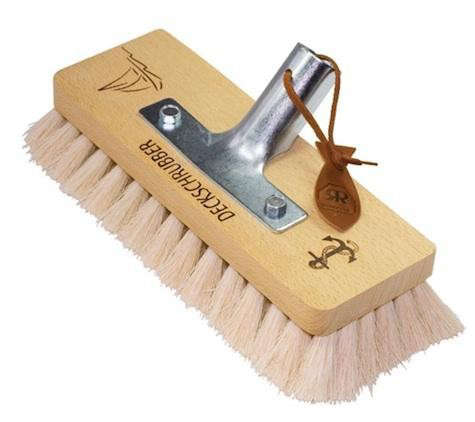

A deck brush is not usually the star of anyone’s home-care lineup. It does not sparkle, sing, connect to Wi-Fi, or arrive with an app that tracks your “scrub score.” Yet the right deck brush can quietly become one of the most useful cleaning tools you own. The Redecker Deck Brush fits into that very satisfying category: simple, handsome, practical, and built with the kind of old-school common sense that makes you wonder why so many cleaning tools became plastic spaceships in the first place.
Bürstenhaus Redecker is known for natural-material brushes made with a blend of function, design, and traditional craftsmanship. The brand’s first brushes were handmade in Germany in 1935, and that heritage still shows in its use of wood, plant fibers, and thoughtfully shaped brush bodies. The Redecker Deck Brush is a small but memorable example of that philosophy. It is not just a brush for pushing dirty water around. It is a tool for scrubbing decks, patios, porch floors, boat surfaces, mudroom tiles, outdoor steps, and the stubborn grime that somehow survives rain, sunshine, and your most judgmental stare.
In this guide, we will look at what makes the Redecker Deck Brush appealing, how it compares with standard deck scrub brushes, where it works best, how to use it without damaging your surfaces, and why a natural-bristle brush may be a smarter long-term choice for many homes.
What Is the Redecker Deck Brush?
The Redecker Deck Brush is a traditional-style scrubbing brush designed for outdoor and utility cleaning. Retail listings have described it as a brush for “swabbing the deck,” which hints at its nautical personality. Think boat deck, garden deck, back porch, utility floor, or any durable surface that needs more pressure than a broom but less drama than a pressure washer.
Redecker’s broader scrub brush range often features oiled or untreated beechwood bodies and natural fibers such as tampico or union fiber. Tampico fiber, made from plant material, is valued because it is firm, resilient, and suitable for wet scrubbing. Union fiber blends are typically harder and more aggressive, which makes them useful for heavy-duty cleaning. While exact specifications can vary by listing and model, the key appeal remains the same: Redecker makes brushes that feel like tools, not disposable accessories.
Many Redecker deck-style brushes are sold as brush heads without handles, so shoppers should check the product details before ordering. That tiny detail matters. Nothing ruins a cleaning mood faster than opening a box, holding a beautiful brush head, and realizing you now own a very elegant wooden hedgehog with no stick attached.
Why Redecker Brushes Stand Out
Natural Materials With Purpose
One reason people search for a Redecker deck brush is the material story. Instead of leaning heavily on plastic, Redecker is associated with wood, plant fibers, horsehair, bristle, and other natural or traditional brush-making materials. For a deck brush, that matters because the tool is likely to be used with water, dirt, leaves, soil, soap, and outdoor debris. A good brush needs to be tough, but it also needs to feel controlled in the hand.
Beechwood is commonly used in Redecker household brushes because it is sturdy, attractive, and comfortable. A wooden brush head also has a warmer, more tactile feel than molded plastic. It looks good enough to leave near a mudroom sink or garden shed door, which is not something people usually say about a fluorescent plastic scrubber.
Craftsmanship That Feels Practical, Not Precious
Redecker products are often described as beautiful, but the best thing about a deck brush is that it does not ask to be admired from a shelf. It wants to work. The Redecker Deck Brush has that appealing balance: attractive enough for design-minded homeowners, but sturdy enough to scrub real dirt. It belongs in the same universe as enamel buckets, linen dish towels, cast-iron pans, and garden tools with wooden handlesthe objects that look better after they have lived a little.
A Better Fit for Slow, Controlled Cleaning
A pressure washer can be useful in some situations, but it is not always the safest first choice. Wood decks, older boards, certain composite surfaces, and delicate finishes can be damaged by too much pressure or by the wrong nozzle. A deck brush gives you direct control. You decide how hard to press, where to focus, and when to rinse. It is slower than blasting water everywhere, but it is also calmer, quieter, and far less likely to turn a simple cleaning job into a “why is the deck fuzzy now?” situation.
Best Uses for a Redecker Deck Brush
Wood Decks and Porch Floors
For wood decks, a deck brush can help remove dirt, pollen, mildew residue, muddy footprints, and food spills. The safest approach is to wet the surface first, apply a mild cleaner suitable for your deck finish, scrub with the grain, and rinse thoroughly. Avoid letting cleaning solution dry on the boards, especially on warm days. Working in small sections is usually smarter than attacking the whole deck like you are training for a cleaning Olympics.
Boat Decks
The Redecker Deck Brush has a classic boat-cleaning feel. On boat decks, a brush can help scrub away salt residue, grime, and everyday buildup. The best brush stiffness depends on the boat surface, so always test a small area first. A natural-fiber brush may be ideal for sturdy surfaces, but very delicate finishes may need softer bristles.
Patios, Outdoor Steps, and Garden Areas
Concrete patios, stone paths, brick steps, and garden work zones collect a special kind of outdoor grime: soil, algae, leaves, potting mix, spilled drinks, and mystery stains that appear overnight like tiny crimes. A deck brush is useful because it covers more area than a hand scrub brush while still offering more pressure than a broom.
Mudrooms, Garages, and Utility Floors
A Redecker deck brush can also be useful indoors on durable utility surfaces. Mudroom tile, laundry room floors, garage entries, and basement floors often need occasional deep cleaning. A sturdy brush helps loosen dirt from textured surfaces and grout lines. Just avoid using a stiff deck brush on soft flooring, polished wood floors, delicate stone, or surfaces that scratch easily.
How to Use a Redecker Deck Brush Correctly
Step 1: Sweep First
Before scrubbing, remove loose leaves, grit, sand, and debris. This prevents abrasive particles from being dragged across the surface. It also makes your cleaning solution more effective because it can reach the actual dirt instead of soaking into a leaf pile.
Step 2: Choose the Right Cleaner
For many routine jobs, warm water and mild soap are enough. For composite decking, follow the decking manufacturer’s care instructions carefully. Some composite brands recommend soft-bristle brushes and specific cleaners, while others warn against stiff natural-fiber brushes on certain surfaces. For wood, avoid harsh chemicals that can strip finishes or harm nearby plants. When in doubt, test a small hidden area first.
Step 3: Scrub With the Surface, Not Against It
On wood decking, scrub in the direction of the grain. On grooved composite boards, work along the grooves so the bristles can lift trapped dirt. On stone or concrete, use overlapping strokes. The goal is steady pressure, not rage cleaning. If your shoulders are auditioning for a superhero movie, you are probably pressing too hard.
Step 4: Rinse Thoroughly
Rinsing is not optional. Soap residue can leave a film, attract new dirt, or dry unevenly. Use a garden hose and plenty of clean water. If you use a pressure washer only for rinsing, keep the pressure low and follow the surface manufacturer’s recommendations.
Step 5: Dry the Brush Properly
After cleaning, rinse the brush head, shake out excess water, and let it dry with air circulation. Do not leave a wooden brush soaking in a bucket or lying bristle-down in a puddle. Natural materials last longer when they are allowed to dry properly. Hang the brush if possible, or store it bristles-down only after it has dried.
Redecker Deck Brush vs. Standard Plastic Deck Brush
A standard plastic deck brush is easy to find and usually inexpensive. It may be the right tool for heavy abuse, commercial settings, or surfaces where synthetic bristles are recommended. However, the Redecker Deck Brush offers a different experience. It feels more tactile, looks better, and appeals to buyers who prefer natural materials and repairable, long-lasting household tools.
The difference is not only visual. Natural-fiber brushes can hold water and cleaning solution well, and they often provide satisfying scrubbing feedback. A wooden brush head also has enough weight to feel stable without becoming clumsy. That said, natural bristles are not automatically right for every surface. Some composite decking manufacturers recommend nylon rather than stiff natural fiber for certain product lines. The smart approach is to match the brush to the surface instead of assuming one brush should do every job from teak deck to bathroom tile to the driveway stain that refuses to explain itself.
Who Should Buy a Redecker Deck Brush?
The Redecker Deck Brush is a good fit for people who appreciate practical, beautiful tools and want a scrub brush for outdoor cleaning, porch maintenance, boat care, or utility-floor cleanup. It is especially appealing if you are trying to reduce disposable plastic cleaning tools, prefer natural materials, or enjoy household items that look like they came from a well-organized European garden shed.
It may not be the best choice if you need a very cheap brush for one messy project, if your deck manufacturer specifically recommends synthetic bristles, or if you want a complete long-handle setup and the listing only includes the brush head. Always check whether the handle is included, whether the brush has a threaded socket, and whether the bristle stiffness suits your surface.
Care and Maintenance Tips
Good brushes deserve basic care. Rinse the Redecker Deck Brush after use, especially after cleaning salty, muddy, or soapy surfaces. Shake out the bristles and allow the brush to dry naturally. If the wood starts looking dry after long use, a small amount of appropriate natural oil can help refresh unfinished or oiled wood, though you should avoid over-oiling the bristles.
Store the brush in a dry place. A garage, mudroom, garden shed, or covered porch is fine as long as the brush is not sitting in standing water. Avoid leaving it outdoors in harsh sun and rain for weeks at a time. A natural brush can work hard, but it is still made of organic materials. Treat it like a tool, not like a rock.
Common Mistakes to Avoid
Using the Same Brush on Every Surface
A deck brush that is perfect for stone may be too stiff for a delicate composite board. A brush that works on unfinished outdoor steps may be too aggressive for sealed interior floors. Always match bristle stiffness to the surface.
Letting Cleaner Dry Before Rinsing
This is one of the easiest ways to create streaks or residue. Work in small sections, especially on sunny days. Clean, scrub, rinse, move on. Your deck is not a casserole; it does not need to bake.
Storing the Brush Wet
Natural wood and plant fibers need airflow. Leaving the brush in a bucket can shorten its life and encourage odor. Rinse it, shake it, and let it dry.
Experience Notes: What It Feels Like to Use a Redecker Deck Brush
The experience of using a Redecker Deck Brush is refreshingly straightforward. There is no learning curve, no settings menu, and no mysterious plastic lever that snaps off the first time you get ambitious. You wet the surface, add the right cleaner, set the bristles down, and scrub. The pleasure comes from how direct it feels. You can sense when the bristles are lifting dirt from the grain of the wood or the texture of concrete. You can hear the change as gritty buildup gives way to a cleaner surface. It is the kind of household task that gives quick visual feedback, which is deeply satisfying if you enjoy turning “before” into “after.”
On a porch or deck, the brush encourages a slower, more careful cleaning rhythm. Instead of blasting the surface with a pressure washer and hoping for the best, you work section by section. Around planters, stair edges, and rail posts, that control matters. You can scrub the traffic path near the back door harder and treat more delicate boards with a lighter touch. If there is a sticky patch from a summer barbecue, you can focus on it directly. If pollen has settled into grooves, you can guide the bristles along the boards instead of pushing dirty water in random directions.
Another enjoyable part is the feel of the natural materials. The wooden head has a grounded, old-fashioned quality. It does not feel flimsy or disposable. Even when the job is messy, the tool itself feels calm and capable. That may sound dramatic for a brush, but anyone who has used a wobbly plastic scrubber knows how annoying bad tools can be. A good brush makes the job feel less like punishment and more like maintenancea small but meaningful difference.
The Redecker Deck Brush also fits well into seasonal cleaning routines. In spring, it can help remove winter dirt, leaf stains, and damp-weather buildup. In summer, it is useful after outdoor meals, gardening projects, or muddy foot traffic. In fall, it can help clear grime left behind by wet leaves. For homes near water, it can be part of a regular rinse-and-scrub routine for salty or sandy surfaces. The brush is not magic, of course. It will not make an old deck new, repair damaged boards, or erase years of neglect in ten minutes. But as a maintenance tool, it can make routine cleaning feel manageable.
The best experience comes from pairing it with realistic expectations. Use the right cleaner, avoid harsh pressure, rinse well, and let the brush dry. Do that, and the Redecker Deck Brush becomes one of those humble tools you reach for again and again. It earns its place not by being flashy, but by being usefulthe highest compliment a cleaning tool can receive.
Conclusion
The Redecker Deck Brush is a simple tool with lasting appeal. It combines traditional materials, practical design, and everyday usefulness in a way that feels both old-fashioned and surprisingly modern. For homeowners who care about natural materials, thoughtful craftsmanship, and controlled cleaning, it is a strong alternative to ordinary plastic scrub brushes.
Its best uses include wood decks, porches, patios, boat decks, outdoor steps, mudrooms, and utility floors. The most important rule is to match the brush to the surface. Natural bristles can be excellent for many tough cleaning jobs, but some composite surfaces may require softer or synthetic bristles. Read your deck-care instructions, test first, and clean in small sections.
If you want a deck brush that looks good, works hard, and brings a little quiet charm to outdoor cleaning, the Redecker Deck Brush deserves a place on your shortlist. It may not make scrubbing glamorous, but it does make it feel more intentionaland that is about as close to glamour as deck cleaning gets.