
You’ve seen it: the invisible “property line Olympics,” where one lawn looks like a golf course fairway and the other looks like it’s auditioning for a
wilderness documentary. The fence stands there like a referee, silently judging everybody’s life choices. And somehow, the greenest grass always seems
to be on the other side… until you discover the not-so-secret weapon: an RC lawn mower.
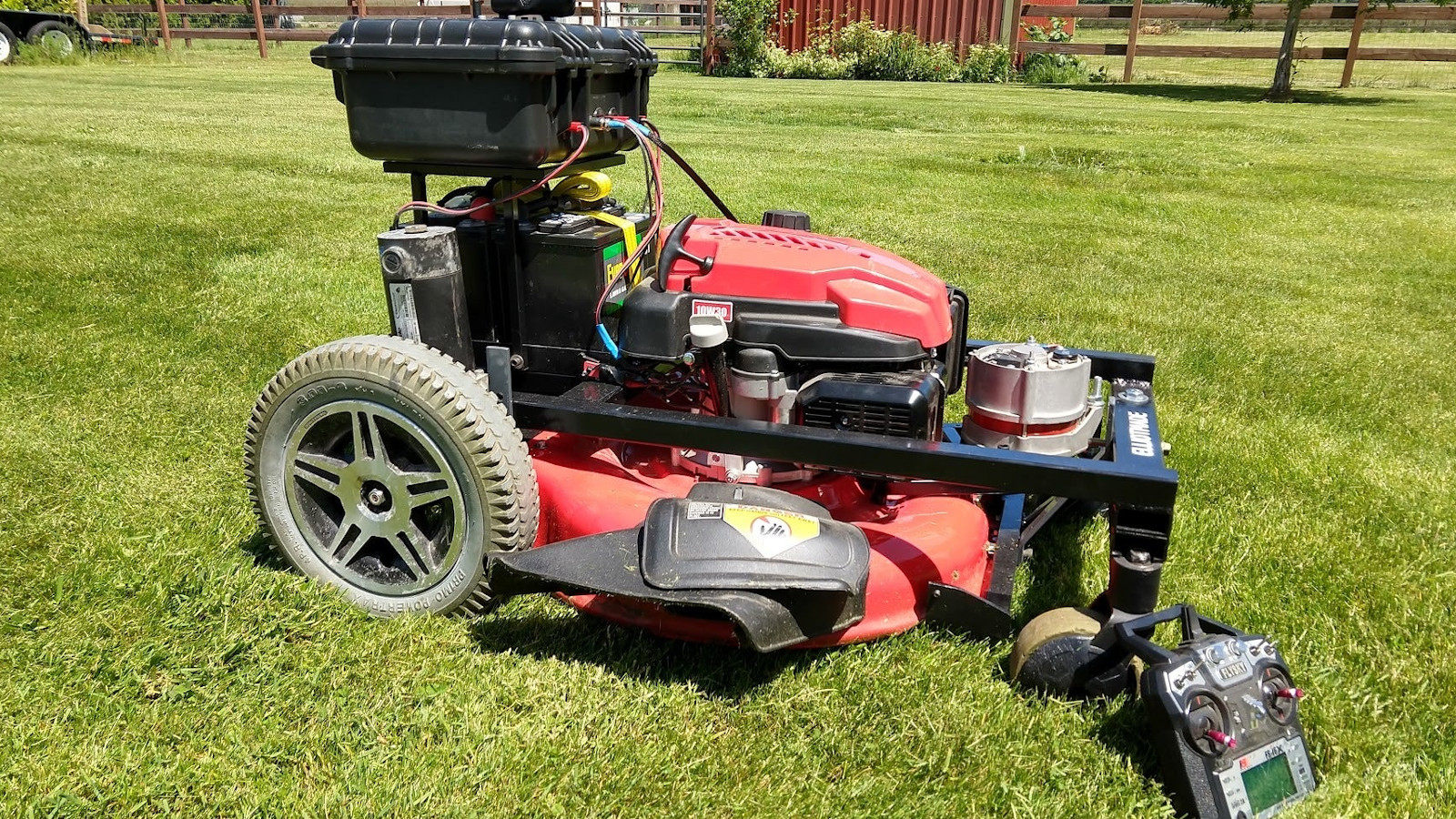
“RC” can mean a few things in the mowing worldremote-controlled mowers you steer with a handheld controller, and robotic lawn mowers
you supervise with an app. Different vibes, same payoff: consistent cuts, cleaner edges, fewer missed patches, and a lawn that looks like you hired help
(even if your help is a machine that beeps at you when it wants a snack… aka a battery recharge).
This guide breaks down what RC mowers are, why they’re changing the way people handle fence lines and tricky terrain, which features actually matter,
and how to use them safely so your “greener on my side” moment doesn’t turn into a neighborhood group chat incident.
Why an RC Lawn Mower Can Make Your Lawn Look “Greener” (Without a Magic Spray)
A lawn looks greener for a few boring-but-true reasons: consistent height, healthy growth, good nutrition,
and less stress. RC mowing helps with all fourmostly by removing the human habit of mowing “whenever we remember,” which is usually five minutes
before guests arrive.
1) Consistent mowing height improves turf health
Grass prefers predictable routines. When you keep the lawn at a steady height, you encourage dense growth and discourage the “patchy, pale, and confused” look.
RC systems make consistency easier: you can steer precisely (remote control) or schedule frequent maintenance cuts (robotic mowers).
2) Frequent mulching returns nutrients to the soil
Many robotic lawn mowers use small, sharp blades that cut tiny amounts often. The clippings fall back into the turf like a natural top dressing.
It’s not a substitute for fertilizing forever, but it can reduce stress and help the lawn look healthier over time.
3) Better fence-line control means fewer ugly “missed strips”
Fence lines are where mowing dreams go to die: tight corners, posts, uneven ground, and that one section where the fence installer apparently hated lawns.
A remote-control mower can creep along the edge with precision. A robotic mower can maintain boundaries (wired or wire-free) to keep the perimeter looking tidy.
Either way, you get fewer “why is there a shag carpet next to the fence?” moments.
4) Less compaction and fewer ruts (especially with lightweight robots)
Heavy mowing equipment can compact soil and leave tracksespecially when the ground is damp. Many residential robotic mowers are relatively light, and some
remote-controlled slope mowers use tracks designed for grip and stability. Less compaction can mean better root health and a greener look.
Two “RC Mower” Categories: Remote-Control vs Robotic (App-Controlled)
If you’re shopping or just trying to decode lawn-care conversations, here’s the simplest way to think about it:
Remote-Control Lawn Mowers (You drive)
- Best for: slopes, rough areas, brushy edges, ditch lines, and places you don’t want to physically stand.
- How it feels: Like operating a tough little tank that eats weeds for breakfast (politely).
- Why it’s great by a fence: You can inch along fence lines and around obstacles with real-time control.
Robotic Lawn Mowers (It drives; you supervise)
- Best for: routine lawn maintenance, regular cutting, “set it and forget it” schedules, and consistent turf appearance.
- How it feels: Like having a quiet lawn assistant that never asks for overtime.
- Why it’s great by a fence: Once boundaries are set, it maintains edges frequently, keeping growth from getting out of hand.
Some homeowners mix both: a robotic mower for everyday mowing and a remote-controlled mower (or a trimmer/edger) for occasional “problem zones.”
If your fence line is basically an obstacle course, the mix-and-match approach can be the best of both worlds.
Fence Lines: The Real Battleground (And How RC Mowers Win It)
Fence lines are where lawns show their true character. They’re also where most mowers get awkward. Here’s why RC mowing helps specifically along the fence:
Precise edge passes without scalping
Scalping happens when the mower digs too low on uneven ground, exposing soil and stressing the grass. With remote control, you can slow down and steer gently.
With robotic mowing, frequent small cuts reduce the need for aggressive, low passes that shock the turf.
Better handling of tight corners and posts
Fence posts and corners can create “no-cut halos.” Remote-controlled mowers let you approach from different angles.
Robotic mowers vary: some handle edges well, while others still need occasional cleanup along hard borders.
Reduced “throw risk” when you mow smarter
Any rotary mower can throw debris. The fence doesn’t stop everything, and neither does your neighbor’s optimism.
RC mowing encourages a safer habit: slow perimeter passes, debris checks, and keeping people and pets away
from the work zone.
Wired vs Wire-Free Robot Mowers: Which Keeps Edges Cleaner?
If you’re looking at robotic mowing, boundary setup is the big fork in the road:
Boundary-wire (wired) robotic mowers
- How it works: A perimeter wire defines the mowing area; the mower stays inside that invisible “fence.”
- Pros: Usually lower cost, proven approach, can be very reliable once installed correctly.
- Cons: Installation takes time; wire breaks can be annoying; changes to landscaping mean adjusting the wire.
Wire-free robot mowers (RTK GPS, cameras, or sensor mapping)
- How it works: Virtual boundaries are set in an app; navigation may use RTK GPS, cameras/vision, and other sensors.
- Pros: Faster setup for many yards, easier to change boundaries, great for multi-zone lawns.
- Cons: Performance can depend on yard layout and conditionsheavy tree cover, narrow side yards, or poor satellite visibility can reduce reliability for some models.
For fence lines specifically, your goal is predictable boundary behavior. Wired systems can be extremely consistent near edges when installed well.
Wire-free systems are improving quickly, especially those combining satellite guidance with camera-based obstacle detection, but your yard conditions matter.
Features That Actually Matter (And the Ones That Just Sound Cool)
RC mowing is full of buzzwords. Here’s what truly affects performance, especially around fence lines and “my side needs to look perfect” zones.
Cutting system: disc blades vs heavier decks
Many robotic mowers use a spinning disc with small pivoting blades designed for frequent trimming and mulching. Remote-controlled slope mowers often use
heavier cutting systems (including flail-style options on some machines) to tackle thick growth. For a typical suburban yard, disc-style robotic cutting
can keep turf looking consistently manicured, while remote-control cutting shines when you have rough edges, slopes, or overgrown sections.
Slope capability (realistic, not superhero math)
If your fence runs along a slope, pay attention here. Some robotic mowers handle modest inclines well. Remote-controlled slope mowers exist specifically
to keep operators off steep terrain while still controlling the cut. Don’t buy based on marketing bravado alonechoose based on your actual yard grade.
Obstacle detection and “kid/pet reality”
A lawn isn’t a laboratory. It has toys, hoses, low-hanging branches, and pets who treat the yard like their personal racetrack.
Better obstacle detection reduces stops, saves time, and supports safer operationespecially if your fence line borders a sidewalk, shared space, or neighbor traffic.
Multi-zone control for front yard / back yard / side strip
Fence lines often split the yard into awkward shapes. Multi-zone scheduling lets you handle side yards and narrow strips separately, instead of hoping the mower
magically figures it out through vibes and determination.
Weather smarts (useful) vs “because it can”
A mower that adjusts for rain, heat, or growth spurts can help turf look more uniform. But remember: wet mowing can stress grass and create clumping,
and muddy conditions can create tracks. Smart scheduling is good; mowing in a downpour is not a flex.
Safety: The Part That Matters More Than a Perfect Stripe
Lawn mowers are powerful cutting machines, and RC mowers add an extra twist: you might feel “farther away,” which can make people careless.
Don’t. Safety is how you keep your grass greener and keep your summer relaxing.
- Clear the area first: Walk the fence line and pick up sticks, rocks, wire ties, and random mystery objects that lawns collect like trophies.
- Keep kids and pets inside: RC mowing isn’t a spectator sport.
- Maintain a buffer zone: Especially along fence lines next to sidewalks, driveways, or neighbor activity.
- Use manufacturer safety features: Emergency stop, blade-stop functions, lockouts, and alerts exist for a reason.
- Don’t service blades while powered: If it needs maintenance, power it down and follow the manual. No shortcuts.
The goal is a lawn that looks magazine-worthy, not a mower that becomes a cautionary tale at the next block party.
How RC Mowing Changes Your Lawn Care Strategy (In a Good Way)
RC mowing isn’t just “a different mower.” It’s a different routine. And routines are what create that clean, green look.
Shorter, more frequent cuts
Robotic mowers thrive on frequent maintenance mowing. Instead of taking a big bite once a week, they take small bites often.
That usually means cleaner clipping distribution and a more consistent appearance.
Fence-line touchups become faster
With remote control, you can do deliberate perimeter passes without dragging a heavy mower into awkward spots.
That turns fence maintenance from a sweaty chore into a quick “edge patrol.”
You’ll notice problems sooner
When you mow more consistently, you spot issues faster: irrigation misses, pet spots, shade thinning, compacted patches, or weeds trying to start a takeover.
That early awareness is a big reason lawns look “greener” on the side that’s managed regularly.
Is an RC Lawn Mower Worth It? A Practical Value Check
RC mowing can be a serious investment, so it’s fair to ask what you’re actually buying.
You’re not just paying for cuttingyou’re paying for consistency, time, and risk reduction
(especially on slopes or hard-to-reach areas).
It’s usually worth it if:
- You care a lot about lawn appearance and want that always-trimmed look.
- Your fence lines or side yards are narrow, uneven, or annoying to mow.
- You have slopes where walking behind a mower feels sketchy.
- You’re tired of spending weekends “catching up” on growth.
It may not be worth it if:
- Your yard is tiny and easy to mow in minutes.
- Your lawn has constant clutter (toys, tools, hoses) and no one wants to change habits.
- Your terrain is extremely rough and you’re only considering a lightweight robotic model.
The sweet spot is the homeowner who wants a consistently neat lawn with less laboror the property where the fence line and slope sections are the “problem children.”
Troubleshooting the “Why Doesn’t It Look Perfect Yet?” Phase
RC mowing can make lawns look amazing, but there’s often a short adjustment period. If your yard doesn’t immediately look like a luxury resort, here are common reasons:
Uneven ground near the fence
Many fence lines have dips, roots, or compacted soil. Leveling and reseeding thin areas can do as much for “green look” as the mower itself.
Wrong cutting height for the season
Grass height needs change with heat, shade, and growth rate. Too low can stress turf and reveal dry soil; too high can look shaggy.
RC mowing helps, but you still have to choose a height that fits your grass type and climate.
Edges still need occasional cleanup
Even excellent robot mowers may leave a small edge strip depending on fence style and boundary setup. Many homeowners use a quick trimmer pass along the fence
every couple of weeks to keep the border crisp.
Neighborhood Diplomacy: Keeping It Greener Without Starting a Turf War
RC mowing can make your lawn look so good that your neighbor starts inspecting your grass like it’s suspiciously successful.
Keep the peace with a few simple habits:
- Mow at reasonable hours: Quiet electric robots help, but courtesy is still cool.
- Keep debris under control: Pick up sticks and twigs so nothing becomes an unwanted “gift” over the fence.
- Don’t aim discharge toward the fence: If you’re using a remote-controlled mower, steer so clippings stay on your side.
- Be honest if asked: “It’s an RC mower and a schedule” sounds better than “I made a deal with lawn spirits.”
Experiences From the RC Mower Life (Extra Notes From the Real World)
Below are common experiences homeowners and property managers often report after switching to RC mowingespecially when the main goal is that clean, green,
fence-line-perfect look. Not personal bragging, not marketing fantasyjust the kind of “oh, that’s a thing” reality you notice once you live with a mower
that either drives itself or responds to a controller.
First: the lawn starts looking better before you feel like it should. That sounds backwards, but it’s real. With a robotic lawn mower,
you might think, “It’s cutting so littlehow is this helping?” Then a couple weeks go by and the turf suddenly looks more even. The growth pattern changes:
fewer tall tufts, fewer scalped patches, fewer “this area is clearly doing its own thing” sections. Your yard begins to look like one unified surface,
not a collection of grass opinions.
Second: fence lines become a routine instead of a punishment. With a remote-control mower, the first few sessions often feel like learning a new video game,
except the stakes are your lawn’s dignity. You find the best angle to approach corners. You learn where the ground dips. You learn which fence posts have
hidden rocks near them (because there’s always one). Over time, you stop avoiding the fence line and start doing quick perimeter passes that keep everything
tidy. That’s when the “my side looks greener” effect really kicks in: the edge is clean, the border is consistent, and the lawn looks intentionally maintained.
Third: you’ll develop a new relationship with lawn clutter. RC mowing rewards a “clear the stage” habit. People often find themselves doing a fast yard scan:
kids’ toys, dog bones, sticks, sprinkler heads, hoses, fallen branches. Not because you suddenly love tidying, but because it keeps the mower running smoothly
and prevents interruptions. The surprise benefit is that a cleaner yard makes the lawn look nicer even before it’s cutlike making your bed and instantly
feeling 12% more responsible.
Fourth: weather and timing become part of the strategy. If you’ve ever mowed when the grass was damp and ended up with clumps and wheel tracks, you already
know why this matters. RC mowing often nudges owners toward smarter scheduling: mowing when conditions are better, letting the mower do more frequent light
cuts, and avoiding the “I have to mow today no matter what” trap. The lawn rewards that with fewer stressed patches and a more even color.
Fifth: expectations get sharper. Once your lawn is consistently cut, the remaining imperfections stand out. You might notice thin shade areas that were
always thin, but now they’re obvious because everything else looks great. You might notice that the fence line is greener where water pools, or browner where
sprinklers don’t reach. This is actually a win: RC mowing doesn’t just make the lawn prettier; it makes problems easier to diagnose. Many people end up doing
small upgradessprinkler adjustments, overseeding, soil improvement, or simple leveling near the fencebecause the lawn is finally “stable” enough to show
what it truly needs.
Finally: there’s a quiet satisfaction in knowing your lawn looks good without you sweating through a weekend afternoon. It’s not laziness; it’s efficiency.
The fence stops being a comparison line and becomes just… a fence. And the next time someone says the grass is greener on the other side, you can smile and
think, “Not today.”
Conclusion
An RC lawn mowerwhether remote-controlled or roboticcan absolutely help keep the grass greener on your side of the fence. The “greener” part usually comes
from consistency: better cutting habits, improved mulching, cleaner fence lines, and fewer stress events for your turf. The best results happen when you match
the mower type to your yard: robotic mowing for routine perfection, remote-control mowing for slopes and tricky edges, or a smart combo if your fence line is
the main villain in your lawn story.
Keep it safe, keep it consistent, and keep it neighbor-friendly. Your lawn can look like the “better side” without turning your weekends into a mowing marathon.