
Psoriasis is one of those conditions that can feel like your skin woke up and chose drama. One day everything’s calm; the next, you’re dealing with itchy, scaly patches that make you want to cancel all plans and become a professional blanket burrito.
But here’s the good news: psoriasis is treatable, and most people can get to a place where symptoms are much calmer (or even mostly cleared) with the right mix of medical care, self-care, and trigger management. This guide covers the major types of psoriasis, the most common causes and triggers, typical symptoms, and today’s most effective psoriasis treatment optionsfrom creams to light therapy to advanced biologic medications.
Quick note: This article is for education, not a diagnosis. If you think you have psoriasis (or your current treatment isn’t cutting it), a dermatologist is your best next step.
What Psoriasis Is (and What It Isn’t)
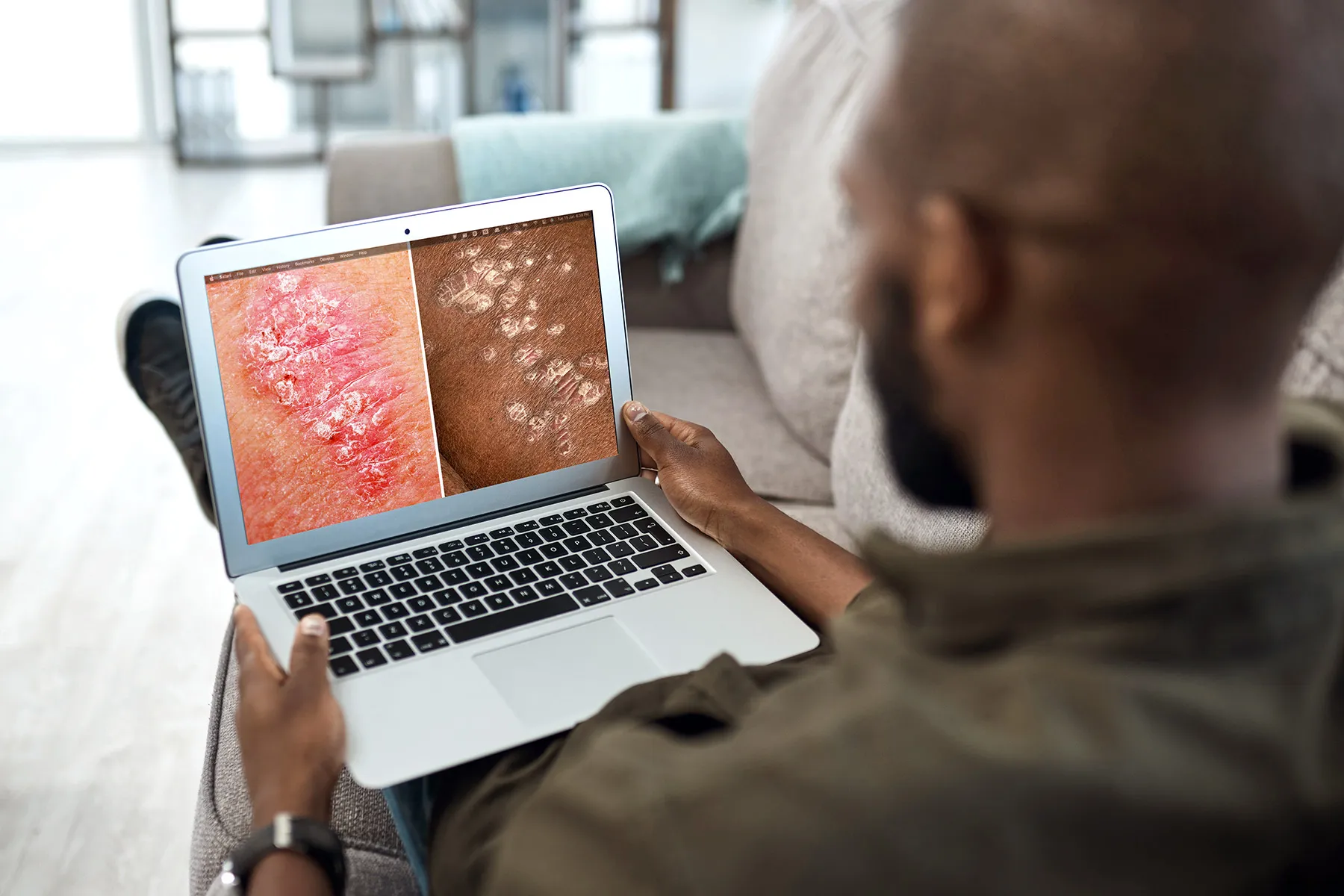
Psoriasis is a chronic, immune-mediated inflammatory disease that speeds up the life cycle of skin cells. Instead of skin cells forming and shedding at a normal pace, they build up too fast, creating thicker patches (plaques) and visible scale. That’s why psoriasis often looks like well-defined, raised areas with silvery-white scalingthough the color and appearance can vary by skin tone and psoriasis type.
Two important truths that deserve a billboard:
- Psoriasis is not contagious. You cannot “catch” it from someone, and you can’t “give it” to anyone.
- Psoriasis is more than skin-deep. It can affect nails, joints (psoriatic arthritis), and overall health and quality of life.
Types of Psoriasis
There isn’t one single “psoriasis look.” There are several types, and people can have more than one type over time. Knowing which kind you’re dealing with helps guide treatment choices.
1) Plaque Psoriasis (Psoriasis Vulgaris)
This is the most common type. It causes raised, inflamed plaques with scale, often on the elbows, knees, scalp, and lower back. It may itch, burn, or crackespecially in dry weather. Plaque psoriasis can be mild (a few small areas) or extensive (larger body coverage).
2) Guttate Psoriasis
“Guttate” comes from a word meaning “drop.” This type shows up as many small, drop-like spots that can appear suddenly, often on the trunk and limbs. It’s commonly triggered by infectionsclassically strep throatespecially in children and young adults.
3) Inverse Psoriasis
Inverse psoriasis tends to appear in skin foldsunder the breasts, in the groin, armpits, or buttocks crease. Instead of thick scaling, it often looks smooth, shiny, and red (or darker/discolored) and can sting due to friction and moisture. It can be mistaken for a fungal rash, and sometimes both occur together (because skin folds love to multitask).
4) Pustular Psoriasis
This type involves sterile pustules (white bumps of pus that aren’t caused by infection). It can be localized (for example, on palms and soles) or more widespread. Pustular psoriasis can be serious, especially if generalized, and should be evaluated promptly.
5) Erythrodermic Psoriasis
This is rare but potentially dangerous. It can cause widespread redness over large areas of the body, with intense inflammation, peeling, and systemic symptoms. If someone develops extensive redness, skin pain, fever, chills, or feels unwell, this is not a “wait and see” momenturgent medical care matters.
6) Scalp Psoriasis
Scalp involvement is extremely common. It can look like dandruff at first, but psoriasis scale is often thicker and more sharply defined. It may extend beyond the hairline to the forehead, neck, or around the ears. The itch can be intense, and scratching can make flares worse (unfair, but true).
7) Nail Psoriasis
Nails can show:
- Pitting (tiny dents)
- Discoloration (yellow-brown “oil drop” spots)
- Thickening or crumbling
- Separation from the nail bed (onycholysis)
Nail psoriasis can be stubborn and can overlap with fungal infections, so a clinician may test if the diagnosis is unclear.
Causes and Triggers
The Root Cause: Immune System + Genetics
Psoriasis happens when the immune system becomes overactive and drives inflammation in the skin (and sometimes beyond). Genetics play a role: psoriasis tends to run in families, and certain genes increase risk. But genes aren’t the whole storymany people with genetic risk never develop psoriasis, and others develop it after a specific trigger.
Common Psoriasis Triggers (a.k.a. the Usual Suspects)
Triggers vary by person, but these are frequently reported:
- Stress (the mind-skin connection is real)
- Infections (like strep throat; sometimes respiratory infections)
- Skin injury (cuts, scrapes, sunburnthis is called the Koebner phenomenon)
- Cold, dry weather
- Smoking and heavy alcohol use
- Some medications (certain blood pressure meds, lithium, and othersnever stop a medication without medical guidance)
- Weight-related inflammation (obesity can worsen severity for some people)
Practical takeaway: You don’t have to “live perfectly” to manage psoriasis. Instead, aim to identify your top 1–3 triggers and build around them. That’s realisticand it works.
Symptoms: More Than “Just a Rash”
Psoriasis symptoms can range from mild annoyance to life-disrupting discomfort. Common symptoms include:
- Raised patches of thickened skin (plaques)
- Scaling that may look silvery-white or grayish
- Itching, burning, or soreness
- Cracking and bleeding (especially on hands/feet)
- Dryness that worsens in winter
- Nail changes (pitting, thickening)
- Joint pain, stiffness, or swelling (possible psoriatic arthritis)
What Psoriasis Looks Like on Different Skin Tones
On lighter skin, plaques may look pink or red with silvery scale. On medium to deeper skin tones, psoriasis may appear violaceous (purple-ish), dark brown, or gray, sometimes with less obvious redness but significant scale and thickness. After a flare improves, it may leave temporary color changes (lighter or darker areas) that fade gradually over time.
Diagnosis and Severity: How Clinicians Size It Up
Dermatologists often diagnose psoriasis by examining the skin (and nails) and asking about symptom patterns and triggers. Occasionally, a skin biopsy is done if the appearance overlaps with eczema, fungal infections, or other conditions.
Measuring Severity (Without Overcomplicating It)
Severity isn’t only about surface area. It’s also about location (hands, face, genitals, scalp), symptoms (itch, pain), and impact on daily life. One common quick tool is body surface area (BSA): the palm side of your hand (including fingers) is roughly about 1% of your body surface area. That helps clinicians estimate mild vs. moderate-to-severe involvement.
If you have joint symptomsmorning stiffness, swollen fingers/toes, heel pain, or persistent back paintell your clinician. Screening for psoriatic arthritis matters because early treatment can help prevent joint damage.
Treatment Options: A Practical Menu (Not a One-Size-Fits-All)
Psoriasis treatment aims to:
- reduce inflammation
- slow down excess skin cell turnover
- relieve itch and discomfort
- prevent flares and improve quality of life
Many people use a combo approachlike topical therapy plus targeted scalp care, or systemic medication plus occasional spot treatment.
1) Topical Treatments (Creams, Ointments, Foams, Shampoos)
Topicals are often first-line for mild psoriasis or for targeting stubborn “problem areas.” Options include:
- Topical corticosteroids (reduce inflammation; strength depends on body area)
- Vitamin D analogs (help slow skin cell growth)
- Topical retinoids (vitamin A derivatives; help normalize skin turnover)
- Calcineurin inhibitors (often used off-label for delicate areas like face/groin)
- Keratolytics like salicylic acid (soften and lift scale)
- Coal tar or other medicated preparations (old-school, sometimes helpful)
Example: Someone with plaque psoriasis on elbows and knees might use a mid- to high-potency steroid for short bursts, then maintain with a steroid-sparing option like a vitamin D analog. This reduces flare intensity while limiting long-term steroid side effects.
2) Phototherapy (Light Therapy)
Controlled ultraviolet light can be highly effective, especially for more widespread plaque psoriasis or when topicals aren’t enough. The goal is to calm inflammation and slow rapid skin cell growth. Common approaches include:
- Narrowband UVB (a widely used standard)
- Excimer laser (targets smaller areas with concentrated UVB)
- PUVA (UVA plus a light-sensitizing medication; used less often due to long-term risks)
Phototherapy is typically done in a clinic, though some patients may be candidates for home units under medical supervision. It’s not the same as “just tanning” (sunburn is a flare invitation, not a treatment plan).
3) Systemic (Whole-Body) Medications: Non-Biologic
If psoriasis is moderate-to-severe, affects difficult areas, or significantly impacts life, clinicians may recommend oral or injectable systemic medications such as:
- Methotrexate (immune-modulating; used for skin and sometimes joints)
- Cyclosporine (fast-acting but typically for shorter-term use)
- Acitretin (an oral retinoid; not used in pregnancy)
- Apremilast (PDE-4 inhibitor; oral option for some)
- Newer targeted oral therapies (your dermatologist may discuss TYK2 inhibitors and other options depending on your situation)
These treatments require medical monitoring (for example, labs and side-effect checks). That’s not meant to scare youthink of it as your medication’s “regular maintenance schedule.”
4) Biologics and Advanced Targeted Therapies
Biologics are medications that target specific immune pathways that drive psoriasis. They’re typically used for moderate-to-severe plaque psoriasis and/or psoriatic arthritis, especially when other treatments haven’t worked well enough.
Major biologic categories include:
- TNF inhibitors
- IL-17 inhibitors
- IL-23 inhibitors
- IL-12/23 inhibitor (older pathway target still used in some cases)
These medications can be life-changing for some patients, but they also require individualized risk/benefit discussions (infection risk, vaccination planning, other health conditions). The “best” biologic depends on your psoriasis severity, joint symptoms, lifestyle, insurance coverage, and medical history.
5) Treatment for Special Areas (Scalp, Face, Genitals, Nails)
Psoriasis in sensitive areas often needs a gentler strategy:
- Scalp: medicated shampoos, steroid solutions/foams, scale softeners, careful combing (not aggressive scraping)
- Face/genitals: lower-potency steroids or steroid-sparing topicals due to thinner skin
- Nails: may need systemic therapy or targeted injections; improvement is slower because nails grow slowly
Everyday Management: How to Make Flares Less Frequent (and Less Rude)
Build a “Boring but Powerful” Skin Routine
- Moisturize daily (especially after bathing). Thick creams/ointments often work better than lotions.
- Use gentle cleansers and avoid harsh fragrances if they irritate you.
- Short, warm showers beat long, hot ones (hot water can worsen dryness and itch).
- Don’t pick scale like it’s a hobby. Softening it first is kinder to skin.
Stress, Sleep, and the Nervous System Factor
Stress doesn’t “cause” psoriasis in the simple sense, but it can absolutely worsen inflammation and trigger flares. Helpful strategies include:
- regular sleep schedule
- moderate exercise you actually enjoy
- mindfulness, therapy, or stress-reduction practices
Even small changes count. Your nervous system doesn’t demand perfection; it appreciates consistency.
Diet and Psoriasis: No Miracles, but Some Useful Patterns
There’s no single “psoriasis diet” that cures the disease. However, some people notice improvement when they focus on anti-inflammatory eating patterns (more whole foods, fewer ultra-processed foods) and when they address weight-related inflammation if applicable. If you want to experiment, try changes for 8–12 weeks and track your symptomslike a calm, scientific detective, not a frantic internet rabbit hole explorer.
Complications and Related Conditions
Psoriatic Arthritis (PsA)
Some people with psoriasis develop psoriatic arthritis, which can cause:
- joint pain, swelling, and stiffness
- sausage-like swelling of fingers or toes (dactylitis)
- heel pain or tendon pain (enthesitis)
- back pain that’s worse in the morning or after rest
If these show up, don’t just “walk it off.” Early evaluation can protect joints long-term.
Other Health Risks
Psoriasis is associated with higher rates of certain conditions, including cardiovascular risk factors, metabolic issues, and mental health strain (like depression or anxiety). That doesn’t mean psoriasis guarantees these problemsit means it’s smart to take a whole-body approach: routine checkups, heart-healthy habits, and support for mental well-being.
When to See a Dermatologist (and What to Ask)
Consider medical evaluation if:
- you have persistent scaly patches that don’t respond to basic moisturizers
- you suspect scalp, nail, or inverse psoriasis
- itch/pain is affecting sleep or daily life
- you have joint symptoms
- your psoriasis is spreading, flaring frequently, or emotionally exhausting
Helpful questions to bring:
- “What type of psoriasis does this look like?”
- “Is this mild, moderate, or severe based on location and impact?”
- “What’s the plan for maintenance after this flare improves?”
- “Should I be screened for psoriatic arthritis?”
- “What side effects should I watch for with this treatment?”
Real-Life Psoriasis Experiences (The Part People Don’t Always Say Out Loud)
Most psoriasis stories don’t start with a dramatic soundtrack. They start with something small and annoying: a patch on the elbow that won’t go away, flakes on the scalp that laugh in the face of every “anti-dandruff” shampoo, or a rash in a skin fold that gets misdiagnosed as a yeast infection three times in a row. Many people spend months (or years) cycling through guesses before someone finally says, “This looks like psoriasis.”
One common experience is the flare pattern whiplash. You’ll hear people say things like, “It was calm all summer and then winter hit and my skin went full snow globe,” or “I got sick, and two weeks later my psoriasis showed up like it had been waiting for an invitation.” Stress is a frequent plot twist: deadlines, family issues, or even a positive life change (hello, wedding planning) can kick symptoms up a notch. That’s not a character flawpsoriasis is an inflammatory condition, and the body sometimes translates stress into skin symptoms.
Then there’s the social side. People with visible plaques often become unwilling experts in awkward conversations. The classics include: “Is it contagious?” and “Have you tried coconut oil?” (Sometimes asked with the confidence of a person who once watched half a wellness documentary.) Many people learn to keep a short, calm explanation ready: “It’s psoriasis. It’s autoimmune and not contagious.” It’s not anyone’s job to educate the world, but having a simple script can protect your energy.
Treatment experiences are often a journey of trial, error, and finally, relief. Mild psoriasis might respond well to topicalsespecially when people find the right texture they’ll actually use. (If a cream feels like wet chalk, it won’t get applied consistently. That’s just physics.) Others discover that light therapy is a game-changer, though the time commitment can be real. People with more extensive disease sometimes describe starting a systemic medication or biologic as the moment psoriasis stopped running the schedule. Not everyone gets instant results, but many describe steady improvement over weeks to monthsfewer flares, less itch, and the ability to wear dark shirts again without looking like they fought a bag of flour.
There are also “small win” experiences that matter: learning to moisturize right after showering, switching to gentler soaps, using a humidifier in winter, finding a hairstyle routine that doesn’t inflame the scalp, or tracking triggers with a notes app instead of relying on memory. People often say the biggest change wasn’t just clearer skinit was getting their sleep back, feeling comfortable in their body, and not having to think about psoriasis every hour.
If you’re in the thick of it, the most relatable truth is this: psoriasis can be exhausting, but you’re not “doing it wrong.” A good plan is usually a combination of medical care, practical routines, and compassion for the fact that flares happen. The goal isn’t perfect skin forever. The goal is control, comfort, and a life that’s bigger than your symptoms.
Conclusion
Psoriasis is a chronic, immune-driven condition that can affect skin, nails, and jointsbut it’s also a condition with more effective treatments than ever. Whether you’re dealing with plaque psoriasis, scalp flares, inverse irritation, or early signs of psoriatic arthritis, a personalized plan can make symptoms far more manageable. Start with a clear diagnosis, learn your triggers, and don’t hesitate to ask about advanced options like phototherapy or biologics if your psoriasis is interfering with daily life. Your skin isn’t being “difficult”it’s asking for the right strategy.