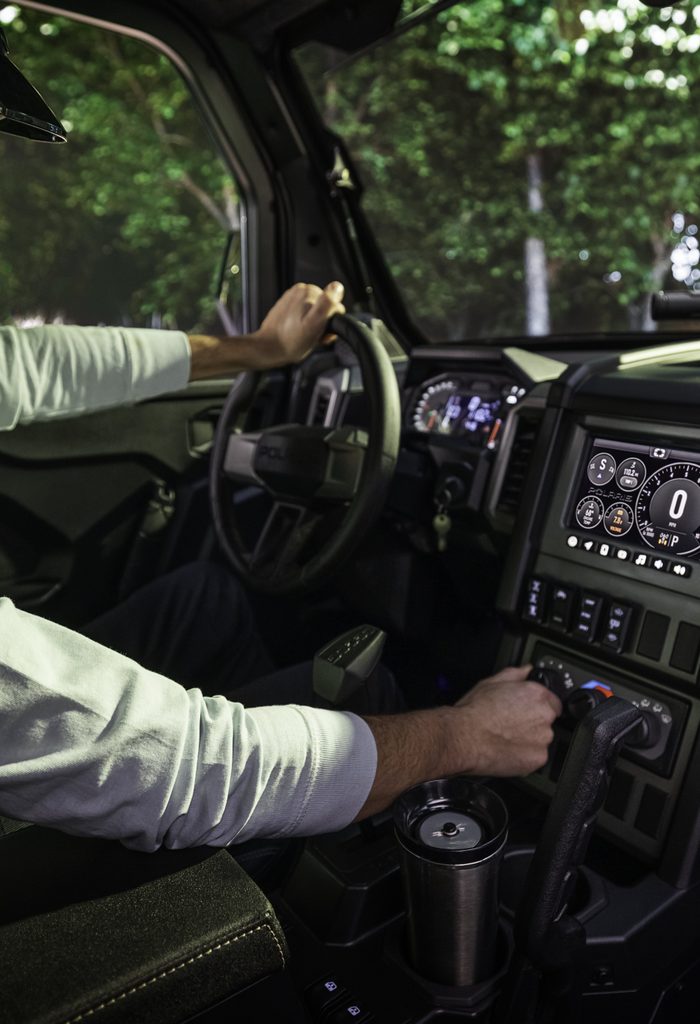

There are two kinds of off-road days: the kind where you come home smiling… and the kind where you come home
looking like a dust-covered raisin who lost a fight with the weather forecast. The whole point of
Polaris NorthStar is to stack the odds in favor of “smiling” by turning a side-by-side into an
all-season, all-conditions machine that feels less like “hang on and hope” and more like “get in, get warm (or
cool), get it done.”
In the Polaris world, NorthStar typically signals a factory-built focus on comfort and conveniencethink
an enclosed cab, climate control, upgraded in-cab amenities, and the kind of practical details that matter when
you’re actually using your UTV for work, property management, hunting, or long trail days. If you’ve ever said,
“I love being outdoors… I just don’t love being outdoors in my eyeballs,” you’re the target audience.
What “NorthStar” means in the Polaris lineup
Polaris uses the NorthStar name across several platformsmost famously in the RANGER lineup, and
also on adventure-focused models like the XPEDITION. The consistent theme is
all-season usability: a cab designed to keep weather out, plus comfort features that help you
stay productive when the temperature swings from frosty mornings to heat-wave afternoons.
On many NorthStar trims, you’ll see features like a tightly sealed cab system, a factory HVAC setup (heat and
air conditioning on select models), and convenience upgrades such as power windows, a tip-out windshield, and
integrated tech packages. It’s the difference between “UTV as a fun tool” and “UTV as your off-road office.”
NorthStar isn’t just about luxuryit’s about stamina
Sure, a climate-controlled cab feels fancy. But it’s also practical. When you’re checking fence lines, hauling
feed, plowing snow, or crawling along rocky access roads, fatigue matters. A warmer cab in winter (and a cooler
cab in summer) can mean longer days with better focusespecially if you’re juggling real work instead of just
collecting cool Instagram clips.
Why the cab and climate control are the real headline
A NorthStar machine earns its keep in the little moments:
when wind-driven rain tries to invade from every angle, when dust clouds follow you like a loyal (but rude)
puppy, and when you realize the trail is fun… until your hands go numb.
Cab design: keeping the outside outside
Polaris’ NorthStar approach typically includes a sealed cab system engineered to reduce dust intrusion and help
the HVAC do its job. On certain models, you’ll see full doors, power windows,
and a tip-out windshield (great for airflow when the weather is nice and you want “breeze,” not
“blizzard”). Add a wiper/washer setup on applicable trims, and suddenly you’re not squinting through whatever the
sky just decided to fling at you.
HVAC: not a gimmick when the day is long
Factory heating and air conditioning isn’t just about comfort; it’s about keeping your body operating like a
responsible adult instead of a malfunctioning phone battery. In winter, heat and defrost help visibility and
reduce that “I can’t feel my face but I’m fine” situation. In summer, A/C can help you stay sharp while you’re
towing, hauling, or navigating technical terrain.
One detail owners and reviewers often highlight: the ability to run climate control while you work. If you’re
stopping frequentlyopen gate, close gate, load supplies, repeathaving a cab that recovers quickly (and doesn’t
instantly fill with dust or humidity) is the difference between “nice feature” and “how did I live without this?”
Popular Polaris NorthStar models and who they fit best
“Polaris NorthStar” can point to several machines, so the best way to understand it is by matching a model to a
job. Below are common NorthStar-equipped options and the kind of person who tends to love them (and talk about
them at length at the local gas station).
1) Polaris RANGER SP 570 NorthStar: the practical all-weather middleweight
If you want an enclosed-cab utility UTV that isn’t trying to be the Hulk of the lineup, the SP 570 NorthStar is
often the “right-sized” pick. It’s popular with landowners and hunters who want weather protection, dependable
utility, and a footprint that feels manageable on tighter trails and around property.
- Best for: property chores, hunting access roads, ranch and farm tasks, mixed trail-and-work use
- Why it’s appealing: smaller and typically more budget-friendly than the biggest NorthStar machines
- Comfort angle: NorthStar cab features can make late-season and wet-weather use far more pleasant
2) Polaris RANGER XP 1000 NorthStar: the “do-it-all” workhorse with comfort baked in
The RANGER XP 1000 NorthStar is one of the most talked-about NorthStar setups because it balances
serious utility with real comfort. Reviewers commonly point to a feature mix
that includes factory-installed heating and air conditioning, a sealed cab system, and work-ready gear like a
winch, ground clearance, and tires designed to handle mixed terrain.
Depending on trim, the NorthStar upgrade can include major functional adds, and the “Ultimate” step-up may bundle
tech features that genuinely help in the fieldlike a larger display with mapping, a rear camera, and upgraded
audio (because apparently even fence repair deserves a soundtrack).
- Best for: year-round property management, trail riding with utility needs, snow, mud, and variable conditions
- Utility focus: strong towing/hauling capability and practical accessories on higher trims
- Comfort focus: HVAC + cab sealing makes “four seasons in one week” weather feel less dramatic
3) Polaris RANGER XD 1500 NorthStar: extreme duty, extreme comfort, extreme “wait, that costs what?”
The RANGER XD 1500 NorthStar is where Polaris aims at people who use a UTV like a work truckonly the job is off
pavement, across acres, and through places your pickup would politely refuse to go. Reviews frequently frame it
as a heavy-duty machine with big capability, long-wheelbase stability, and a comfort level that rivals “modern
truck vibes” (minus the highway commute).
A highlight here is the combination of a large-displacement engine with an upgraded CVT system designed for
durability, plus multiple drive modes intended to tailor throttle response and behavior to tasks like towing and
hauling. In real-world testing, reviewers often praise the cab comforteasy shifting, light steering input, and a
suspension tune that makes long work sessions less punishing.
- Best for: heavy hauling, towing, commercial/farm use, long-distance property travel
- Why it stands out: big box and tow ratings, plus premium comfort and tech on upper trims
- Reality check: pricing climbs fast as you move into NorthStar and Ultimate territory
4) Polaris XPEDITION ADV NorthStar: adventure-first, utility-ready
While RANGER is the classic “work” nameplate, XPEDITION leans into adventure travel and overland-style exploring.
In NorthStar form, the goal is similar: more comfort, more capability, and more time outside without feeling like
the weather won the argument.
XPEDITION models commonly emphasize cargo solutions, comfort for longer rides, and performance that supports
touring trails for hoursespecially when conditions change throughout the day.
Certain XPEDITION NorthStar configurations feature a high-output engine (for example, Polaris lists a 114-hp
setup on a 999cc ProStar platform for specific XPEDITION ADV NorthStar configurations), giving it a strong
performance baseline for loaded travel.
Premium vs. Ultimate: what changes, and what’s worth paying for
Polaris trim naming can feel like ordering coffeePremium, NorthStar, Ultimateuntil you remember the basic
question: What will you actually use?
NorthStar typically brings the enclosed cab and climate-oriented upgrades. “Ultimate” often stacks on tech and
convenience: larger displays, mapping/infotainment, cameras, premium audio, heated seats, extra lighting, and
other “nice-to-haves” that can become “can’t-live-withouts” depending on your use case.
When “Ultimate” is genuinely useful
- Frequent backing and loading: rear camera + good screen = fewer surprises around trailers and work sites
- Long property days: tech that improves navigation and efficiency can pay off quickly
- Cold-weather use: heated seats aren’t just luxurythey can reduce fatigue on long winter runs
- Night tasks: added lighting helps when “after sunset” is the only time you have
When “Premium” or standard NorthStar is the smarter buy
- You mainly need the cab + climate: HVAC and sealing are the core value
- You’ll add accessories your way: some owners prefer a custom build vs. bundled packages
- Budget matters more than screens: capability first, entertainment second
What reviewers and owners keep noticing about NorthStar machines
Across reputable tests and long-term use write-ups, a few patterns show up again and againregardless of whether
the vehicle is being used for ranch chores, campground work, or late-season hunting access.
1) Comfort changes how you use the machine
The biggest “a-ha” moment many people report isn’t that NorthStar is comfortableit’s that comfort makes the UTV
more useful. People take it out more often. They stay out longer. They do jobs in worse weather. A sealed cab and
climate control can extend the season and expand the kind of tasks you’re willing to tackle on a random Tuesday.
2) The cab details matter more than you’d expect
Power windows and a tip-out windshield sound like luxury features until you’re working in drizzle, dust, or
temperature swings and you need quick ventilation without opening a door. Reviews also point out the value of
smart in-cab storageglove boxes, under-seat space, cup holders, and charging portsbecause off-road days involve
gear, not just vibes.
3) Big NorthStar models can feel “truck-like” in the best ways
On machines like the XD 1500 NorthStar, reviewers often emphasize ease of shifting, predictable power delivery,
and stability for towing and hauling. Some testers also note a key limitation: even high-end UTVs can hit their
limits in certain extreme off-road scenarios, especially when heavy loads meet steep climbs. Translation: it’s a
monster, but physics still shows up to work.
Buying checklist: how to shop for a Polaris NorthStar without regrets
If you’re shopping NorthStar, you’re probably already committed to spending more than “basic utility UTV” money.
The goal is to spend it in the right places.
Step 1: Be honest about your main mission
- Work-first: prioritize tow/box capacity, durability features, and cab sealing
- Hunt/property travel: focus on cab comfort, visibility, noise control, and manageable size
- Adventure travel: think cargo systems, passenger comfort, range planning, and navigation tools
- Mixed use: XP 1000 NorthStar-style balance often makes sense
Step 2: Test the cab like you mean it
A NorthStar’s value lives in the cab. During a test sit or test drive, check:
- Door seals and how solidly everything closes
- Window operation (speed, fit, noise)
- Windshield design (tip-out function if equipped)
- HVAC behavior at idle and low speeds (because real work involves stops)
- Visibility: wiper coverage, defrost effectiveness, mirror placement
Step 3: Budget for ownership, not just purchase
Higher trims bring more electronics and more systems to maintain. Plan for routine service, cab filter upkeep,
and the reality that accessories (plows, winches, storage, lighting, tires) can add up fast. If you’re financing,
remember that “Ultimate” can jump the price quicklysometimes into territory where you start comparing it to a
used pickup. That doesn’t mean it’s a bad buy; it means it should be a deliberate one.
Care tips to keep your NorthStar cab and HVAC working like new
NorthStar machines can handle tough conditions, but the cab and climate systems deserve a little attention so
they stay effective year after year.
- Replace/clean filters on schedule: dusty environments clog filters quickly and reduce airflow.
- Keep vents clear: avoid storing gear where it blocks airflow paths inside the cab.
- Mind the windshield: clean it like automotive glass, replace wiper blades when they smear, and keep washer fluid topped off if equipped.
- Protect the exterior HVAC components: mud and debris can reduce cooling performance; careful cleaning helps.
- Check seals: worn seals can increase dust and noise and make the HVAC work harder.
Final take: is Polaris NorthStar worth it?
If you ride only on perfect Saturdays with perfect weather, you can save money and skip NorthStar. But if your
off-road life includes real work, unpredictable conditions, early mornings, late evenings, or long days where
comfort equals capability, Polaris NorthStar is less “luxury” and more “strategic advantage.”
The best NorthStar is the one that matches your reality. A smaller model can be a brilliant all-weather tool for
property owners and hunters. A midrange XP 1000 NorthStar can hit the sweet spot for people who want one machine
to do nearly everything. And an XD 1500 NorthStar can be a heavy-duty solution for those who truly need truck-like
work capacity off-roadespecially when the job doesn’t pause for weather.
Sources consulted (U.S.-based, no links)
This article synthesizes information from manufacturer specifications and reputable U.S. automotive/outdoor
publishers and reviewers, including:
- Polaris (official model pages and specification sheets)
- The Drive
- RideApart
- ATVConnection
- Dirt Wheels Magazine
- UTV Driver (Cycle World network)
- Outdoor Life
- Yahoo Autos (syndicated review content)
- UTV Guide
- Additional Polaris product literature and trim comparisons
Real-world experiences related to Polaris NorthStar (about )
Because NorthStar is all about comfort meeting capability, the “experience” tends to show up in everyday
scenariosnot just highlight-reel moments. Here are a few realistic ways NorthStar ownership often plays out,
based on common reviewer observations and the kinds of use cases people repeatedly describe.
1) The winter chore day that doesn’t feel like a punishment.
It’s the kind of morning where the air hurts your face a little. You start the machine, let the cab warm, and
suddenly plowing or hauling feed becomes a normal job instead of a test of personal character. Heat and defrost
aren’t just comfort features herethey’re productivity tools. Visibility stays better, your hands stay usable,
and you’re less tempted to rush (because you’re not trying to outrun your own misery).
2) The dusty trail ride where your teeth aren’t crunchy afterward.
Anyone who’s ridden behind another UTV knows the “dust tax.” A sealed cab changes the whole vibe: you can talk
normally, keep your eyes from drying out, and arrive at the destination looking like a person instead of a
powdered donut. Riders often mention how much more willing they are to take longer routes when they’re not
bracing for hours of dust exposure.
3) The hot afternoon where you’re still thinking clearly.
In peak heat, A/C can be the difference between “I’ll finish this job” and “I’ll finish this job tomorrow… or
never.” Reviewers who’ve used HVAC-equipped NorthStar machines for real work often note the practical benefit of
staying cool while towing, hauling, or doing repetitive stop-and-go tasks. When you’re not overheating, you make
better decisionslike taking the safer line through uneven terrain, or securing a load properly instead of
rushing.
4) The long property loop that feels more like driving a small truck than wrestling a buggy.
Especially on larger NorthStar platforms, testers often describe a “truck-ish” rhythm: stable ride, easy control
inputs, and a cab layout that supports long hours. That can matter if you’re checking livestock, inspecting fence
lines, or moving between work sites on large acreage. Add in features like a rear camera on certain trims, and
backing up to a trailer or loading area becomes less guesswork and more routine.
5) The “I’m glad we bought the right trim” moment.
This is the part nobody brags about at purchase time, but everyone appreciates later. If you chose NorthStar for
weather protection, you’ll notice it most on the days you didn’t plan for. A surprise cold snap. A wet week. A
windy afternoon that would normally shut down your outdoor plans. Instead of canceling, you just… go. That’s the
quiet superpower of NorthStar: it removes excuses without making you feel like you’re suffering for your hobbies
or your work.