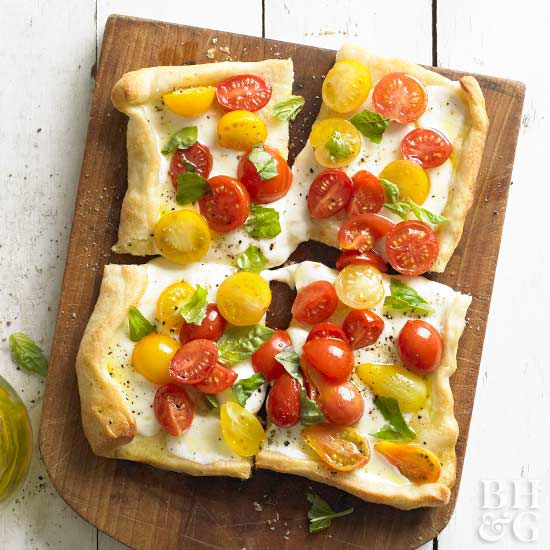

Homemade pizza is basically a magic trick: you turn flour, water, salt, and yeast into something that makes everyone suddenly “just want one more slice.”
The secret isn’t fancy toppings (though toppings are delightful). It’s the pizza dough. Make a solid dough once, and you’ve unlocked
weeknight dinners, weekend hangouts, and the ability to say “we don’t need delivery” with confidence.
This guide gives you a dependable pizza dough recipe, explains why it works, and shows you how to adapt it for your schedulewhether
you want pizza today or you’re willing to wait for that deep, bakery-style flavor from a cold-fermented pizza dough.
Choose Your Dough Timeline (Because Life Is a Thing)
- Same-day (about 3 hours): Great chew, solid flavor, easiest when you forgot to plan (no judgment).
- Overnight to 72 hours (best flavor): A slow, cold rise builds better taste and browning, and the dough is often easier to stretch.
- Freeze-ahead: Future-you will feel like a genius. (Future-you is easily impressed.)
Ingredients (and Why Each One Matters)
Flour
For most home ovens, bread flour is the sweet spot: it has enough protein to build strong gluten for a chewy, foldable crustthink
“New York slice energy.” All-purpose flour works too; the crust may be a bit more tender and less chewy. If you have 00 flour, it can
make a silky dough that shines in very hot ovens (pizza ovens, screaming-hot stones/steels), but it’s not required for excellent results.
Water
Water controls hydration and dough temperature. Warm water helps yeast wake up faster for same-day dough. Cooler water is helpful when you want a slower,
longer rise without the dough racing ahead of your plans.
Yeast
Instant yeast is convenient and fast. Active dry yeast works beautifully too; it may take a little longer to get going. Either way, long fermentation
(especially in the fridge) can create more complex flavor.
Salt
Salt is not optional unless you enjoy “sad bread.” It boosts flavor and helps strengthen gluten. A good target is around 2% to 2.5% of the flour weight.
Olive oil (optional, but nice)
Oil adds a bit of tenderness and helps browning in home ovens. Some traditional styles use none; many home-baked crusts benefit from a small amount.
Sugar or honey (optional)
A pinch can help browning and can give yeast a quick snack. It’s helpful in lower-temperature home ovens, but not required.
Recommended Tools (Not Required, Just Helpful)
- Kitchen scale: The easiest way to get consistent dough and avoid flour “guessing games.”
- Large bowl and a spoon or dough whisk.
- Stand mixer (optional) for easy kneading.
- Pizza stone or baking steel (optional but amazing).
- Cast-iron skillet (great for pan-style pizza and crisp bottoms).
The Core Pizza Dough Recipe (Makes 2 × 12-inch Pizzas)
This is a flexible, home-oven-friendly dough that works as a same-day dough or a long, cold-fermented dough. Hydration is set at 65% for a crust that’s
easy to handle but still pleasantly airy.
Ingredients (by weight)
- 500 g bread flour (about 4 cups, spooned and leveled if measuring by volume)
- 325 g water (65% hydration; about 1 1/3 cups)
- 12 g fine salt (about 2 teaspoons)
- 1.5 g instant yeast (about 1/2 teaspoon)
- 10 g olive oil (about 2 teaspoons) optional
- 5 g sugar or honey (about 1 teaspoon) optional
If using active dry yeast
Use about 2 g active dry yeast (roughly 3/4 teaspoon). For same-day dough, you can dissolve it in warm water first.
Step-by-Step Instructions
1) Mix
In a large bowl, combine the flour, salt, and yeast (and sugar if using). Add the water and mix until no dry flour remains. If using olive oil, mix it in
once the dough is shaggy and mostly combined.
2) Rest (10–20 minutes)
Cover the bowl and let the dough sit. This short rest helps the flour fully hydrate and makes kneading easier. It’s like letting the dough “wake up” before
you ask it to do anything athletic.
3) Knead (or fold) until smooth
By hand: Knead 8–10 minutes until the dough feels smoother and elastic.
Stand mixer: Mix on low with a dough hook until cohesive, then knead 5–7 minutes until smooth.
The goal is a dough that looks satiny and stretches without immediately tearing. If you want a quick check, pinch off a small piece and stretch it gently.
If it thins out before tearing, your gluten development is on the right track.
4) First rise (bulk fermentation)
Place the dough in a lightly oiled bowl, cover, and let rise until puffy.
- Same-day: 60–90 minutes at warm room temperature (until noticeably puffy).
- For cold fermentation: Let it start at room temp for 30–60 minutes, then move to the fridge.
5) Divide and ball
Turn the dough out onto a lightly floured surface. Divide into 2 equal portions (about 420–425 g each). Shape each into a tight ball by tucking the edges
under and rotating until the top is smooth.
6) Second rise (proof)
Put each dough ball in a lightly oiled container (or covered plate/bowl). Now pick your path:
- Same-day proof: 45–60 minutes at room temperature while your oven preheats.
- Cold-ferment proof: Refrigerate 24–72 hours. Bring to room temp for 60–120 minutes before shaping.
7) Preheat like you mean it
Heat your oven as hot as it goes (ideally 500–550°F). If using a pizza stone or baking steel, preheat it for at least 30–45 minutes. Hot surface = better
oven spring, better browning, and fewer “why is my crust pale?” moments.
8) Shape without drama
Lightly flour your surface. Press the dough gently from the center outward, leaving a thicker rim for the crust. If the dough keeps shrinking back, cover it
and let it rest 10–15 minutes, then continue. (Dough is basically a rubber band until it relaxes.)
Once it’s about 10–12 inches, lift and stretch over your knuckles, letting gravity do some work. Avoid yanking the edgestreat it like a delicate sweater,
not like you’re trying to start a lawn mower.
9) Bake
- Stone/steel: Slide the topped pizza onto the hot surface and bake 7–12 minutes, depending on oven heat and toppings.
- Sheet pan: Bake 10–15 minutes; a darker pan often browns better.
- Cast iron: Preheat the skillet, add stretched dough, then top and bake for a crisp, fried-style bottom.
What Makes Great Pizza Dough (A Tiny, Useful Nerd-Out)
Hydration
Hydration is water relative to flour. At 65%, the dough is manageable and still produces a tender interior. Higher hydration (70%+) can give
bigger bubbles and a lighter crumb but can be trickier to handleespecially in a home kitchen without pizza-peel confidence.
Fermentation
Long fermentation (especially in the fridge) develops flavor and can improve browning because enzymes break down starches into simpler sugars over time.
Translation: your crust tastes deeper and looks more “pizzeria” without you doing anything fancy.
Gluten development
Kneading (or repeated folding) organizes gluten, giving the dough strength to stretch thin while trapping gases from fermentation. If your dough tears easily,
it may need more kneading, more rest, or both.
Troubleshooting (Because Dough Has Opinions)
My dough won’t stretch and keeps snapping back
- It likely needs more resting time. Cover it and wait 10–15 minutes, then try again.
- If it was refrigerated, make sure it has warmed up at room temp long enough.
- Too much flour on the surface can also make stretching harderuse only what you need.
My dough tears when I stretch it
- It may be under-kneaded (gluten not developed) or under-rested (gluten too tight).
- Try a 15-minute rest, then stretch again. Dough often improves dramatically with patience.
My dough is sticky and hard to handle
- Sticky is normal at first. Lightly oil your hands or use a dusting of flour.
- If it’s soupy, you may have measured flour loosely. Next time, use a scale for consistent results.
My dough didn’t rise much
- Check yeast freshness. Old yeast can be sleepy or completely checked out.
- Give it warmth and time. A cooler kitchen can double rise times.
My crust is pale
- Preheat longer, bake hotter, and use a stone/steel if possible.
- A little sugar/honey can help browning in lower-temp ovens.
- Don’t overload toppingstoo much moisture can steam the crust instead of browning it.
Storage, Make-Ahead, and Freezing
Refrigerator
Dough balls can often be refrigerated for a few days. Store them in covered containers with a little oil to prevent sticking. Bring to room temperature
before shaping so the gluten relaxes and the dough becomes extensible.
Freezer
To freeze, lightly oil each dough ball, wrap well, and place in a freezer bag with the air pressed out. Label with the date and dough style.
Thaw overnight in the refrigerator, then let sit at room temperature until soft and slightly puffy before stretching.
Easy Style Variations (Same Recipe, Different Vibes)
New York-ish: chewier, foldable slices
Stick with bread flour and aim for a 24–72 hour cold ferment. Bake hot on a steel if you have it.
Neapolitan-inspired at home
Use 00 flour if you have it, keep toppings light, and bake as hot as possible. A very hot surface helps you get better blistering and a softer center.
Pan pizza / Sicilian-style
Add a bit more olive oil, press the dough into an oiled pan, let it rise until airy, then bake. You’ll get a crisp, golden bottom and a fluffy interior.
of “Pizza Dough Recipe” Experiences (The Real-World Stuff)
If you’re new to homemade pizza dough, here’s what many home cooks experience the first few timesand how to turn those moments into wins.
First, the “why is this dough so sticky?” phase. A 65% hydration dough can feel tacky, especially right after mixing. It’s tempting to keep dumping flour
until it looks like a dry kneading board from a movie set. The problem is that extra flour can make the crust tougher and harder to stretch. A better move:
give the dough a short rest (10–20 minutes), then knead again. The dough usually tightens up and feels smoother once the flour fully hydrates. If you still
need help, lightly oil your handsoil controls sticking without changing the dough’s hydration the way extra flour does.
Second, the “my dough won’t stretch into a circle” saga. Dough can be weirdly emotional: one day it behaves, the next day it snaps back like it’s offended.
Usually, that’s gluten being tight. The fix is almost always the least exciting one: rest. Cover the dough and walk away for 10–15 minutes.
When you come back, it’s often dramatically more cooperative. This is also why cold-fermented dough can feel easier to shapetime lets the gluten relax.
Third, the “why does my crust look pale?” mystery. Home ovens don’t always blast heat like a professional deck oven. Many people find that the biggest upgrade
isn’t a fancy toppingit’s a longer preheat and a hotter baking surface. A pizza steel or stone stores heat and delivers it quickly to the dough, improving
browning and crispness. Another common experience: the moment you stop overloading toppings, your crust instantly improves. Too much sauce or wet toppings can
steam the dough, leaving it blond and soft instead of browned and crisp.
Fourth, the “I made dough… now I’m busy” reality. This is where make-ahead dough feels like a life hack. People often discover that dough doesn’t need
constant attention; it needs a plan. Mix it, let it rise, ball it, then refrigerate. Suddenly, pizza becomes a quick assembly job instead of an all-day
project. And once you freeze a couple of dough balls, you get that rare kitchen superpower: homemade pizza on a random Tuesday without starting from scratch.
Finally, there’s the confidence moment: the first time you stretch dough without tearing it, slide it into the oven, and pull out a pizza with a crisp edge
and chewy interior. That’s when pizza night becomes “your thing.” And yespeople will request it again. Congratulations. You have joined the club.
Conclusion
A great pizza dough recipe is less about perfection and more about repeatable success: solid ratios, enough gluten development, and the
patience to let fermentation do its job. Start with the core recipe above, try an overnight cold ferment when you can, and use the troubleshooting tips
whenever your dough decides to be “artistic.” With a little practice, you’ll get crust that’s crisp on the outside, chewy in the middle, and proudly homemade.