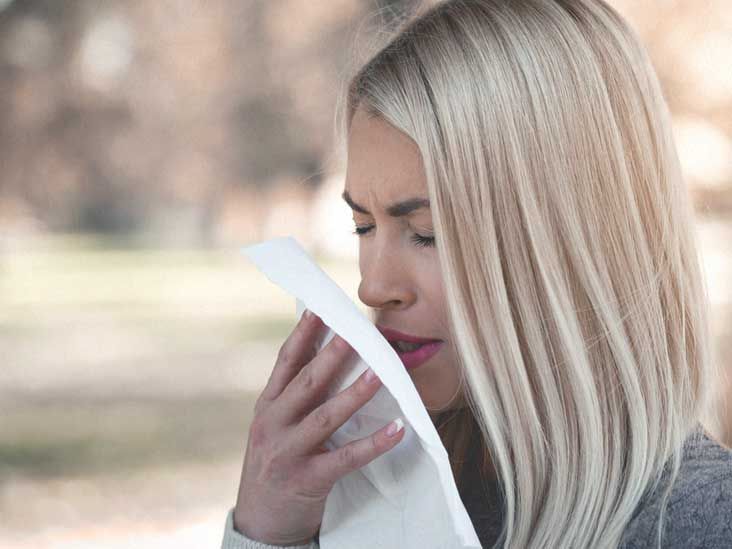

You’re sitting in your room. No candles. No toaster. No campfire. And yet your nose is yelling, “SMOKE!” like it’s auditioning for a disaster movie.
If you’re smelling smoke (or something chemical, rotten, metallic, or “burnt toast-ish”) when nothing is actually there, you might be dealing with phantosmiaa type of smell disturbance where the brain perceives an odor without a real source. It can be unsettling, distracting, and honestly kind of rude. The good news: it’s often linked to treatable issues like congestion, allergies, or a recent infection. The more serious news: sometimes it’s connected to neurological conditions that deserve medical attention.
This article breaks down what phantosmia is, why smoke is such a common phantom odor, what causes it, how doctors diagnose it, and what treatments can help you get your nose back on speaking terms with reality.
What Is Phantosmia (and How Is It Different From Other Smell Problems)?
Phantosmia is the perception of a smell that isn’t present in your environmentoften described as a “phantom smell” or “olfactory hallucination.” You’re not imagining it in the casual sense (like “just ignore it”); the sensation feels real because your smell system is firing signals like there’s an odor to detect.
Phantosmia vs. Parosmia vs. Anosmia
- Phantosmia: Smelling something that isn’t there (phantom odor).
- Parosmia: Smelling something that is there, but it’s distorted (coffee smells like garbage, shampoo smells like burnt rubber).
- Anosmia/Hyposmia: Reduced or absent sense of smell.
These issues can overlap. For example, after a viral infection, some people first lose smell, then experience distortion (parosmia), and later notice occasional phantom odors (phantosmia). Smell nerves are dramatic that way.
Why “Smoke” Is the MVP of Phantom Smells
People report a wide range of phantom odors, but burning smellscigarette smoke, burning rubber, burnt toastare especially common. There are a few reasons this might happen:
- Threat bias: Your brain takes “possible danger” smells seriously. If the smell network glitches, “burning” is a common false alarm.
- Simple signal patterns: Smoke/burnt odors may be easier for an irritated or misfiring smell pathway to “approximate.”
- Inflammation and irritation: When nasal tissues are inflamed, smell signaling can become noisylike a radio picking up static that sounds like a familiar station.
Even if it’s “just a glitch,” smoke smells can feel urgent. If you’re repeatedly checking outlets, sniffing pillows, and side-eyeing the toaster, you’re not alone.
Common Phantom Smells People Describe
Phantosmia doesn’t always smell like smoke. People commonly report:
- Burnt toast or cigarette smoke
- Burning rubber
- Chemical or metallic odors
- Sulfur or “gas” smells
- Mold/mildew
- Rotting food, sewage, or musty odors
- Less commonly: sweet or fruity smells
The odor may be brief and episodic or persistent. Some people notice it in one nostril more than the other, which can be a clue that the source is nasal/sinus-related rather than coming from the brain’s processing centers.
What Causes Phantosmia? The Biggest Categories
Phantosmia is a symptom, not a standalone disease. Causes generally fall into two buckets:
- Peripheral (nose/sinus-related): Problems affecting smell receptors or airflow in the nasal cavity.
- Central (brain/nerve-related): Problems affecting how the brain interprets smell signals.
Here are the most common and clinically important causes.
1) Colds, Sinus Infections, Allergies, and Nasal Inflammation
Upper respiratory infections and inflammation can irritate the smell system. Swollen tissues, mucus, and inflamed lining can distort signaling and create phantom odorsespecially during or after:
- A cold or flu
- Sinus infection (acute or chronic)
- Seasonal allergies
- Non-allergic rhinitis (irritation without an allergy)
Real-life example: You recover from a nasty cold, your nose is mostly clear, but twice a day you smell “burning plastic” for 10 minutes. That post-infection irritation can linger even when the rest of you feels fine.
2) Post-Viral Changes (Including COVID-19)
Viral infections can disrupt smell neurons and their supporting cells. During recovery, the system may misfireleading to distorted odors (parosmia) and sometimes phantom odors (phantosmia). COVID-19 made smell problems famously common, but other viruses can do it too.
3) Nasal Polyps or Structural Blockage
Growths in the nasal cavity (like polyps) or chronic sinus disease can interfere with airflow and irritate smell receptors. This doesn’t just reduce smellit can also scramble it, leading to weird perceptions.
4) Dental Problems and Dry Mouth
Smell is tightly connected to what’s happening in your mouth and upper airway. Dental infections, gum disease, and significant dry mouth can contribute to abnormal odor perceptions. Sometimes what feels like “phantom smell” is actually a subtle taste/smell cross-signal problem.
5) Smoking, Chemical Exposure, and Irritants
Smoke exposure and chemicals (like solvents or pesticides) can irritate nasal tissues and affect smell receptors. Even strong cleaning products can temporarily throw your smell system into chaosespecially in poorly ventilated spaces.
6) Medications
Certain medicines can alter smell perception as a side effect. This doesn’t mean you should stop a medication on your ownthink of it as a discussion point for your clinician if symptoms started after a new prescription or dose change.
7) Migraines
Some people experience unusual sensory symptoms with migraine, including smell changes. A phantom odor can occur before or during a migraine episodesimilar to an aura. The timing matters: if the smell appears in a predictable pattern with headaches, that pattern is a clue.
8) Seizures (Especially Temporal Lobe Seizures)
Smell hallucinations can occur as part of focal seizures (often linked to the temporal lobe). These episodes are typically brief, may be repetitive, and can come with other symptoms (strange feelings, déjà vu, nausea, or altered awareness). This is one reason persistent or new phantosmia should be evaluateddoctors want to rule out neurological causes.
9) Head Injury
Trauma can damage smell nerves or the brain areas involved in smell processing. Smell problems after concussion or head injury may include reduced smell, distortion, or phantom odors.
10) Neurodegenerative Conditions and Other Neurological Disorders
Smell changes can occur in neurological diseases such as Parkinson’s disease or Alzheimer’s disease. Most people with phantosmia do not have these conditions, but clinicians consider them in the right contextespecially when other symptoms are present.
11) Tumors or Stroke (Less Common, But Important to Rule Out)
Rarely, phantosmia can be linked to structural brain issues. This is not meant to scare youit’s meant to explain why clinicians take persistent phantom smells seriously, particularly if they’re new, worsening, or paired with neurological symptoms.
When Should You Take Phantosmia Seriously?
Phantosmia is often benign and temporary, especially after a cold or during allergy season. But you should consider medical evaluation if:
- The phantom smell lasts more than a few weeks or keeps returning.
- It’s getting more frequent or more intense.
- You have new neurological symptoms (confusion, weakness, severe headache, fainting, trouble speaking, vision changes).
- The smell episodes come with altered awareness, strange sensations, or repeating “spells.”
- You’ve had a recent head injury.
If you suspect stroke symptoms or a medical emergency, seek urgent care immediately. Otherwise, a primary care clinician or an ENT (ear, nose, and throat specialist) is usually a good starting point.
How Doctors Diagnose Phantosmia
Diagnosis is part detective work, part “rule out the big stuff,” and part “fix the obvious stuff first.” A typical evaluation may include:
1) A Timeline (Because Your Symptoms Have a Story)
Clinicians often ask:
- When did it start?
- Was there a cold, COVID infection, allergy flare, or sinus symptoms around that time?
- Is it constant or episodic?
- One nostril or both?
- Any headache patterns, seizures, head trauma, or medication changes?
2) Head and Neck Exam (Often with a Focus on the Nose)
An exam may look for signs of inflammation, infection, polyps, or structural issues. An ENT may perform a nasal endoscopy (a small scope to look deeper into the nasal passages) if symptoms suggest sinus disease or blockage.
3) Imaging When Needed
Imaging isn’t always required. But if the history or exam suggests something more than routine nasal inflammation, clinicians may order:
- CT scan of the sinuses (helpful for chronic sinus disease or polyps)
- MRI of the brain (helpful if neurological causes are suspected)
4) Additional Testing (Case-by-Case)
- Smell testing in specialized clinics
- Neurology evaluation if seizure or migraine patterns are suspected
- EEG in certain cases where seizures are a concern
Treatment: How to Stop Smelling Smoke That Isn’t There
The best treatment depends on the cause. Think of phantosmia like a smoke detector: the goal is not to yank the batteries out foreverit’s to find out why it’s going off and fix that.
1) Treat Nasal and Sinus Inflammation
If allergies, rhinitis, or sinus disease is driving the problem, treatment may include:
- Saline rinses (to clear irritants and mucus)
- Intranasal steroid sprays (to reduce inflammationused as directed)
- Allergy management (avoiding triggers, clinician-recommended medications)
- Antibiotics only when a clinician suspects a bacterial infection
- Polyp/sinus treatment (sometimes including surgery for severe cases)
Tip: If your phantosmia is noticeably stronger on one side, mention that. It can steer evaluation toward a nasal/sinus source.
2) Address Medication or Irritant Triggers
If symptoms started after a new medication or exposure (paint fumes, solvents, heavy smoke), a clinician may recommend adjusting exposure or reviewing meds. Don’t stop prescriptions abruptlyjust bring it up plainly: “This started after I began X.” That sentence is gold in a medical visit.
3) Treat Neurological Causes When Present
If phantosmia is linked to migraines, seizures, or other neurological conditions, treatment focuses on managing that condition. This might involve migraine prevention strategies, antiseizure medications, or other targeted therapies directed by a specialist.
4) Olfactory (Smell) Training
Olfactory training is a structured rehabilitation approach used for smell disordersespecially post-viral smell dysfunction. A common format involves smelling a small set of distinct scents (often four) twice daily for an extended period (months). The goal is to encourage the smell system’s “rewiring” through repetition.
While olfactory training is best studied for smell loss and parosmia, it’s often part of broader care for persistent smell disturbances after viral illness. If your symptoms started after an infection, ask a clinician whether smell training is appropriate for you.
5) Supportive Strategies That Make Life Easier
Even while you’re investigating causes, these practical steps can reduce stress and improve quality of life:
- Keep a symptom log: time of day, duration, suspected triggers, associated headache/stress/sleep changes.
- Reduce irritants: ventilate strong cleaning products, avoid smoke exposure, consider a HEPA filter if indoor air is irritating.
- Use neutralizers: mild, real-world scents (fresh air, gentle soap) can help “reset” attention away from the phantom odor.
- Protect your appetite: if smells ruin eating, try cold foods, bland options, or foods with tolerable textures until symptoms improve.
Can Phantosmia Go Away?
Yes, it canespecially when tied to temporary inflammation or post-viral recovery. Some people improve as nasal tissues heal, as allergies come under control, or as the nervous system settles after an infection. Persistent cases deserve evaluation to identify treatable drivers and rule out uncommon but important causes.
Experiences: What Phantosmia Can Feel Like in Real Life (and What Helps)
Because phantosmia is invisible to everyone else, it can feel uniquely isolatinglike you’re the only person in the room hearing an alarm. Here are experiences people commonly describe, along with patterns that can help you make sense of what’s happening.
The “Middle-of-the-Night Smoke Check” Loop
A classic scenario: you wake up convinced something is burning. You walk the house, sniff outlets, check the kitchen, maybe even step outside to confirm the neighborhood isn’t on fire. Ten minutes later, nothing. The smell fadesor it doesn’t, and your brain keeps scanning for danger. Many people report that the anxiety is not the cause, but it quickly becomes a side effect. What helps here is creating a calm “reality check” routine: verify safety once (smoke detector, stove, obvious sources), then write down the episode (time, duration, what you were doing) so you can stop re-litigating it every five minutes.
After a Cold: “Why Does Everything Smell Like Burning Plastic?”
Another common experience happens after an upper respiratory infection. Your congestion clears, but your smell system doesn’t immediately return to its normal programming. People describe short bursts of burnt toast, smoke, chemicals, or a musty odorsometimes stronger on one side. In these cases, the timeline matters: symptoms that start during or after a cold often point to inflammation and recovery. People often feel better when they treat nasal irritation consistently (saline rinses, clinician-guided anti-inflammatory sprays) and give their nervous system time to stabilize.
The Post-COVID “Smell Glitches” Phase
Some people notice phantosmia during recovery from COVID-related smell changesespecially if they also experience parosmia (distorted smells). A person might say: “Coffee smells wrong, and sometimes I smell smoke even when nothing’s there.” This mix can be frustrating because it affects daily life: eating, hygiene products, and even social situations. Many report that structured routines help: choosing less triggering foods, keeping the home well ventilated, and asking a clinician about olfactory training. The emotional side is real toopeople often feel relieved just hearing that post-viral smell disturbances are a known phenomenon and not a personal failing.
Patterned Episodes With Headaches
Some people recognize a pattern: the phantom smell appears before a headache, with stress, around hormonal shifts, or after poor sleep. When phantosmia behaves like a repeatable “signal” (same timing, same sequence), clinicians may consider migraine-related sensory symptoms. People who track these patterns often feel more in control because the experience stops being random. Even if the smell is unpleasant, predictability lowers the fear factor.
Short, Sudden “Spells” That Feel Neurological
A smaller subset of people describe very brief, sudden episodessometimes paired with odd sensations, stomach fluttering, déjà vu, or a moment of altered awareness. Not everyone with these symptoms has seizures, but this is a scenario where people often say, “I’m glad I got checked.” The experience can be scary, yet many report that a careful evaluation (and treatment when needed) brings huge reliefeither by finding a treatable cause or by ruling out serious conditions.
The Social Awkwardness Nobody Warns You About
Phantosmia can also create practical life moments: you might worry your clothes smell like smoke, or you might avoid places you associate with the phantom odor. People sometimes stop using scented soaps, candles, or perfumes because they can’t trust what’s real. A helpful approach is “simplify the scent environment”: choose unscented or lightly scented products, air out rooms, and reduce exposure to harsh cleaners. The goal isn’t to live in a scent-free bubbleit’s to reduce noise so your smell system can recalibrate.
The most consistent theme across experiences: people feel better when they (1) stop blaming themselves, (2) document patterns, and (3) get a targeted evaluation if symptoms persist. Phantosmia can be disruptive, but it’s also something clinicians recognizeand in many cases, it improves with time and the right treatment plan.
Conclusion
Phantosmiasmelling smoke or other odors that aren’t actually presentcan range from a temporary post-cold annoyance to a symptom worth deeper investigation. Many cases are tied to nasal inflammation, allergies, sinus issues, or post-viral recovery, and improve with appropriate care. Persistent or changing phantom smells deserve a medical visit, not because you should panic, but because you deserve clarityand because ruling out serious causes is part of good healthcare. Your nose isn’t “broken.” It’s sending a signal. The next step is figuring out why.