
Few things ruin a perfectly good evening like watching your sink fill up with suspicious gray water while the drain just…shrugs.
The classic impulse is to grab the harsh chemical drain cleaner, hold your breath, and hope for the best. But those products can
be tough on your pipes, your lungs, your septic system, and the planet.
The good news? You can absolutely tackle many slow or mildly clogged drains with non toxic drain cleaners made from things
you already have in your kitchen. Hometalk-style DIY solutions are budget-friendly, safer around kids and pets, and
surprisingly effective when you use the right method for the right kind of clog.
In this guide, we’ll walk through what makes a drain cleaner “non toxic,” several tried-and-true recipes, when to skip
DIY and call a pro, plus some real-life lessons from using natural drain cleaners in everyday homes.
Why Choose a Non Toxic Drain Cleaner?
Safer for you, your family, and your pets
Many commercial drain cleaners rely on very strong chemicals like lye, acids, and bleach. They work fast, but they can
cause burns, release harsh fumes, and be dangerous if accidentally swallowed or spilled. A non toxic drain cleaner
made from baking soda, vinegar, salt, or lemon juice is far gentler and easier to handle. You still need to respect the
hot water, but you’re not dealing with ingredients that can send you to the ER if you splash them.
Kinder to pipes and fixtures
Strong chemical cleaners can be rough on older metal pipes, some plastics, and delicate finishes over time. Experts warn
that repeated use of aggressive drain cleaner can corrode plumbing or damage toilets and fixtures. A more gentle,
non toxic approach is much less likely to shorten the life of your plumbing, as long as you’re realistic about what
it can and can’t handle.
Better for septic systems and the environment
If you have a septic system, those beneficial bacteria in your tank are the unsung heroes of your home. Harsh
cleaners can disrupt that delicate balance and even contribute to system failure. Natural ingredients like baking soda,
vinegar, and lemon juice are commonly recommended as safer options for septic systems and a more eco-friendly
choice overall.
Before You Pour Anything Down the Drain
It’s tempting to skip straight to the “fun fizzing part,” but a few quick checks will make any method more effective:
- Identify the clog type. Hair + soap scum, grease, food scraps, or mystery gunk? Hair often needs a
physical tool (like a drain snake), while grease and soap respond better to hot water and surfactants. - Remove standing water. Scoop out as much backed-up water as you can so your cleaner can actually
reach the problem. - Try simple mechanical methods first. A plunger or a small drain snake can loosen or pull out a
surprising amount of buildup, especially hair. - Know when NOT to DIY. If you suspect a toy down the toilet, tree roots in an outdoor line, sewage
backing up, or multiple fixtures clogging at once, skip the homemade cleaners and call a plumber.
Think of non toxic drain cleaner methods as your “tier one” tools: great for light clogs, slow drains, and routine
maintenancebut not magic wands for serious blockages.
5 Non Toxic Drain Cleaner Methods That Actually Help
1. Boiling (or very hot) water and a little dish soap
If your kitchen sink drains slowly and you’re guilty of sending the occasional bit of grease down there (no judgment),
start with the simplest fix:
- Bring a large pot or kettle of water just to a boil (or use very hot tap water if you’re worried about PVC pipes).
- Squirt a teaspoon or so of degreasing dish soap into the drain.
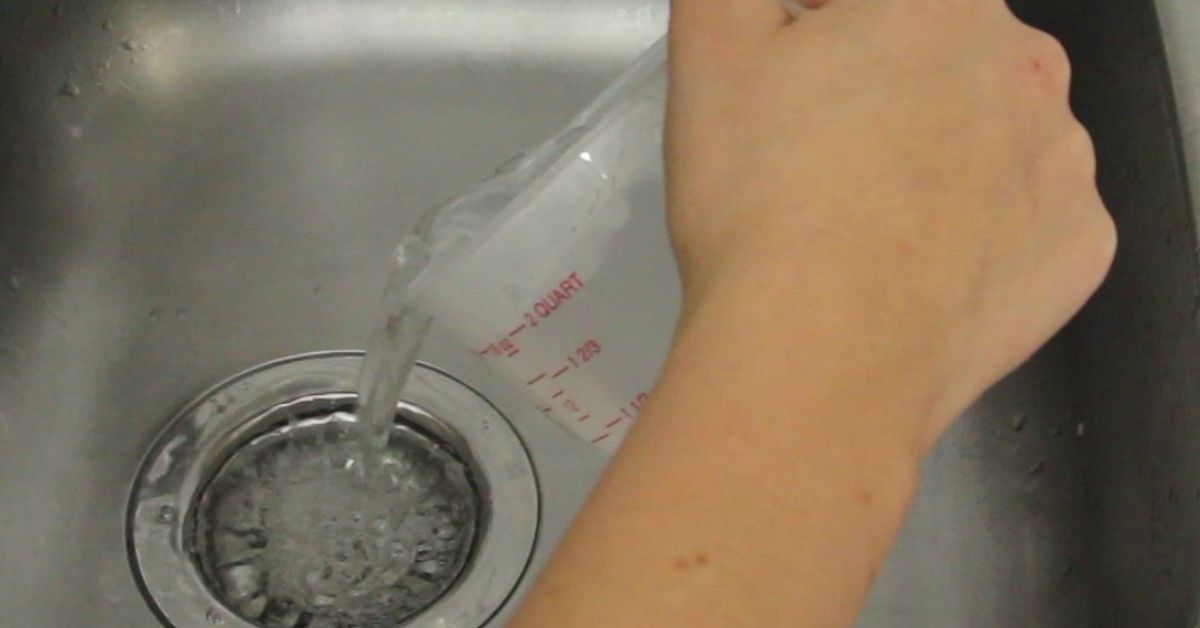
- Slowly pour the hot water down in stages, pausing a few seconds between pours so the heat can work on the grease.
Hot water + surfactant (soap) helps melt and move greasy buildup that causes slow drains. This is more of a maintenance
strategy than a “jammed solid” fix, but it’s quick and safe to try.
2. Baking soda and vinegar – great for light buildup and odor
The classic combo gets a lot of love onlineand a bit of criticism from some plumbing pros. The fizzing reaction looks
dramatic, but it doesn’t bulldoze through heavy clogs. Where it shines is in light buildup and funky smells.
Here’s a realistic way to use it:
- Remove any visible debris from the drain opening.
- Pour about ½ to 1 cup of baking soda down the drain.
- Follow with ½ to 1 cup of white vinegar (or apple cider vinegar).
- Quickly cover the drain with a plug or rag to direct the fizzing downward.
- Let it sit for 20–30 minutes.
- Flush with a full pot of hot (or near-boiling) water.
What’s happening here? The fizzing helps loosen gunk on the upper part of the drain and can neutralize odors. The hot
water then washes loosened debris away. For deeper or stubborn clogs, this won’t be enough by itself, but as a
freshener or weekly maintenance step, it’s a solid non toxic option.
3. Baking soda, salt, and lemon juice for extra scrubbing power
If you want something a little more “gritty,” you can upgrade your homemade drain cleaner:
- ½ cup baking soda
- ½ cup salt
- ½ cup lemon juice (or enough to moisten the mixture)
Mix the dry ingredients, pour them down the drain, then slowly add lemon juice. Let it sit for 30–60 minutes, then flush
with hot water. The salt adds gentle abrasion, the baking soda helps loosen organic material, and the lemon juice
offers mild acidity plus a fresh scent.
This method is especially nice in bathroom sinks or tubs where you’re battling soap scum and body oils more than
heavy kitchen grease.
4. Enzyme-based commercial cleaners (still non toxic!)
Not every “non toxic drain cleaner” has to come out of your pantry. Enzymatic drain cleaners use bacteria and enzymes to
break down organic material like hair, food particles, and grease. They’re widely recommended as safer for:
- Septic systems
- Older pipes
- Routine maintenance in kitchens, bathrooms, and laundry drains
These products usually come as a liquid or powder that you mix with water and pour down the drain. They often need a few
hours (or overnight) to work, so they’re not “instant unblocker” solutions, but they can be excellent for keeping drains
flowing and preventing future clogs.
Tip: Follow the label exactly. Using more than recommended doesn’t necessarily make it work better; the bacteria and
enzymes just need time and the right conditions.
5. The unglamorous but effective tools: plungers and drain snakes
Honestly, some of the best “non toxic drain cleaners” aren’t cleaners at allthey’re simple tools:
- Cup plunger for sinks and tubs
- Flange plunger for toilets
- Plastic hair snare or drain snake for bathroom drains
- Removing the trap (the U-shaped pipe) under a sink for clogs sitting right there
A few good plunges after pouring hot soapy water down the drain can dislodge a lot of soft clogs. In bathrooms,
a plastic hair-removal tool often pulls out a truly horrifying hair-and-soap sculpture that’s responsible for that
ankle-deep shower.
Combine these tools with your non toxic drain cleaning recipes and you’ll dramatically increase your success rate.
Step-by-Step: A Simple Non Toxic Routine for a Clogged Drain
Here’s a practical “Hometalk-style” routine you can use for a typical slow bathroom or kitchen drain that isn’t
completely blocked:
- Clear the area. Remove anything from around the sink or tub that might get splashed.
- Remove standing water. Scoop or cup out as much as you reasonably can.
- Check for visible gunk. Take off the drain cover or stopper and pull out hair or debris using
a gloved hand or a plastic hair-removal tool. - Flush with hot soapy water. Pour a kettle of hot water mixed with a bit of dish soap down the
drain to soften and move greasy buildup. - Use baking soda and vinegar (optional). Add ½–1 cup baking soda, then ½–1 cup vinegar, cover
the drain, wait 20–30 minutes. - Plunge. If water still drains slowly, fill the sink or tub with enough water to cover the plunger
cup and plunge firmly for 20–30 seconds at a time. - Final hot water rinse. Flush again with hot water to wash away loosened debris.
- If it’s still sluggish, upgrade to enzymes. Use an enzymatic cleaner according to the label,
often leaving it overnight.
If all of that doesn’t help, you may be dealing with something more serious (like a deep clog in the main line),
and it’s time to call in a professional.
Common Mistakes to Avoid with Non Toxic Drain Cleaners
- Overusing boiling water on older or delicate pipes. Very hot water is usually fine in moderation,
but endless kettles of boiling water on older PVC or fragile joints isn’t ideal. - Mixing homemade cleaners with leftover chemicals in the drain. Never mix vinegar or other acids
with chemical drain cleaners or bleach. If you’ve already used a commercial product, flush thoroughly and wait before
trying a DIY method. - Expecting baking soda and vinegar to fix everything. It’s great for light maintenance and odor control,
but it won’t chew through a solid plug of grease, wipes, or a wad of hair sitting 8 feet down the line. - Ignoring repeated clogs. If the same drain clogs over and over, you may have a bigger plumbing or
venting issue that needs professional attention.
Non Toxic Drain Maintenance Habits That Prevent Clogs
The best drain cleaner is the one you rarely have to use. A few simple habits dramatically reduce how often you’ll be
dealing with clogs:
- Use a drain strainer. In sinks, showers, and tubs, strainers catch hair, food particles, and bigger bits
that should never go down the drain. - Keep grease out of the sink. Pour leftover grease into a container, let it solidify, then throw it away.
Even “a little bit” adds up inside pipes. - Don’t send coffee grounds, eggshells, or fibrous peels down the drain. These are notorious clog-makers.
- Use a weekly or monthly non toxic flush. Choose your favorite methodbaking soda and vinegar, baking soda and
hot water, or an enzymatic cleanerand make it part of your cleaning routine. - Treat your septic kindly. If you have a septic tank, stick to septic-safe cleaners and avoid pouring
harsh chemicals down drains or toilets.
A little prevention keeps your non toxic drain cleaning routine short and drama-free.
Real-Life Experiences with Non Toxic Drain Cleaners (Hometalk Style)
If you’ve ever fallen down a Hometalk rabbit hole, you know there’s no shortage of “I tried this and here’s what
actually happened” stories. Let’s walk through some typical scenarios and what non toxic methods tend to work best.
The slow kitchen sink that isn’t quite clogged…yet
Picture this: You rinse dishes after dinner, and instead of water sailing down the drain, it kind of swirls around
like it’s thinking about it. That usually means grease and food residue are building up along the pipe walls.
A practical approach:
- Start with hot soapy watera full kettle plus dish soap poured slowly down the drain.
- Follow with a baking soda + vinegar flush to clear light buildup and odors.
- Finish with another hot water rinse.
Most homeowners find this combo noticeably improves drainage, especially if they start doing it once a week instead of
waiting until the sink is fully clogged. It’s inexpensive and uses items you already own.
The “mystery smell” from the bathroom sink
Bathroom sinks are sneaky. They can look perfectly clean on the surface while the P-trap under the sink quietly
collects hair, soap scum, and whatever your razor rinse leaves behind. Over time, this turns into a science experiment
you did not sign up for.
What typically works:
- Remove the stopper (if possible) and pull out visible gunkyes, it’s gross, but highly effective.
- Pour ½ cup baking soda followed by ½ cup vinegar down the drain, cover, and wait.
- Flush with hot water, then run the tap for a minute.
Many people report that this simple routine completely eliminates that sulfur-y, musty scent. If the smell returns
quickly, an enzymatic cleaner or cleaning the trap underneath could be the next step.
The shower drain full of hair (a classic)
Here’s the hard truth: no amount of fizzing is going to magically dissolve a giant hair plug. In almost every real-life
story, the hero is a cheap plastic hair snake.
A realistic play-by-play:
- Remove the drain cover.
- Insert a hair snake or plastic barbed strip and pull up the hairrepeat until you’re not getting big clumps.
- Follow with hot water and a little dish soap to clear the softened soap scum that held it all together.
- Use an enzymatic cleaner monthly to keep things from building back up.
Once you see how much hair comes out, you’ll understand why non toxic methods plus
mechanical tools are such a powerful pairing.
The “I waited too long” clog
Sometimes, by the time we reach for a drain cleanerany kindit’s because the sink is completely backed up and the
water isn’t moving at all. In these stories, non toxic methods can still help, but you need to be honest with yourself
about expectations.
What often happens:
- You try boiling water and dish soap. It doesn’t move.
- You try baking soda and vinegar. Lots of fizz, not much flow.
- You plunge and maybe get a tiny improvement.
At that point, many DIYers have success with:
- Removing the trap under the sink (with a bucket ready!) and physically cleaning it out.
- Using a longer drain snake to reach deeper clogs.
If the clog is further down the lineor more than one drain is affectednon toxic cleaners are unlikely to solve it.
That’s your signal to call a plumber rather than keep pouring different things into the drain and hoping for a miracle.
What homeowners learn over time
People who switch to non toxic drain cleaning methods usually end up learning a few big lessons:
- Maintenance beats emergencies. A quick weekly or monthly routine is much easier than dealing with a
fully clogged sink at 10 p.m. - Mechanical + mild chemical is the dream team. A hair snake or plunger plus simple ingredients like
baking soda and vinegar can handle most everyday issues. - Respect your drains. The less you send down them, the less you’ll need to fix later.
- Harsh chemicals are a “last resort,” not step one. When you do need something stronger, you use it
cautiously and rarely instead of routinely.
This is very much in line with the Hometalk spirit: use what you have, protect your home, and skip the extra harsh stuff
whenever possible.
Conclusion: A Cleaner Drain Without the Chemical Drama
A clogged or slow drain doesn’t automatically mean you have to reach for a bottle covered in warning labels. With
non toxic drain cleanersbaking soda, vinegar, salt, lemon juice, hot water, enzyme productsand a few simple tools,
you can solve many everyday drain issues safely and affordably.
Use gentle methods regularly, treat your pipes kindly, and save the heavy-duty chemicals (or the plumber) for the
truly stubborn blockages. Your drains, your lungs, your septic system, and your budget will all be much happier.