
Black Friday is not just a shopping holiday anymore. It is a tech-season finale, a discount Olympics, and a yearly reminder that your old streaming stick somehow became “vintage” in only fourteen months. And when Amazon rolls out new hardware, the company is not simply launching gadgets. It is setting the stage for how millions of shoppers will browse, compare, bundle, and panic-buy once the holiday deals begin.
This year, that matters more than usual. Amazon has refreshed and expanded several parts of its device lineup, from Kindle and Echo to Fire TV and Alexa-powered smart home products. Some of those updates are flashy, some are practical, and some are clearly designed to make you say, “Fine, I guess my house does need one more screen.” Together, they could shape Black Friday in a big way.
The key point is simple: new Amazon hardware does not just create new products to sell. It reshuffles the entire value ladder. It gives Amazon more price tiers, more bundle options, more reasons to push Prime benefits, and more opportunities to drop “record-low” prices on older devices while keeping newer ones aspirational. That is exactly the kind of setup that can turn Black Friday from a sale into a strategy.
Why New Amazon Hardware Matters Before Black Friday
When Amazon updates its hardware lineup, Black Friday becomes easier for the company to script. Shoppers get a “good, better, best” structure. Retail pages get cleaner comparison charts. Marketing gets easier. Most important, Amazon gains room to discount older or mid-tier devices without making the newest products look cheap on day one.
That matters because Amazon is not only a store. It is also the brand behind Kindle, Echo, Fire TV, Ring, Blink, and related services. So when Black Friday arrives, Amazon has an advantage many rivals do not: it can use devices as gateways into its larger ecosystem. A lower-priced Kindle can nudge readers toward Kindle Unlimited. A discounted Echo can pull users deeper into Alexa routines, smart home controls, and Prime perks. A cheap Fire TV stick can lead to more Prime Video viewing, more app engagement, and more household dependence on Amazon’s interface.
In plain English, Amazon does not need every piece of hardware to be a stand-alone superstar. It just needs each one to be sticky. That makes holiday pricing more aggressive and more strategic than the average gadget sale.
The Amazon Devices Most Likely to Influence Black Friday
Echo and Alexa+: the smart home pitch just got louder
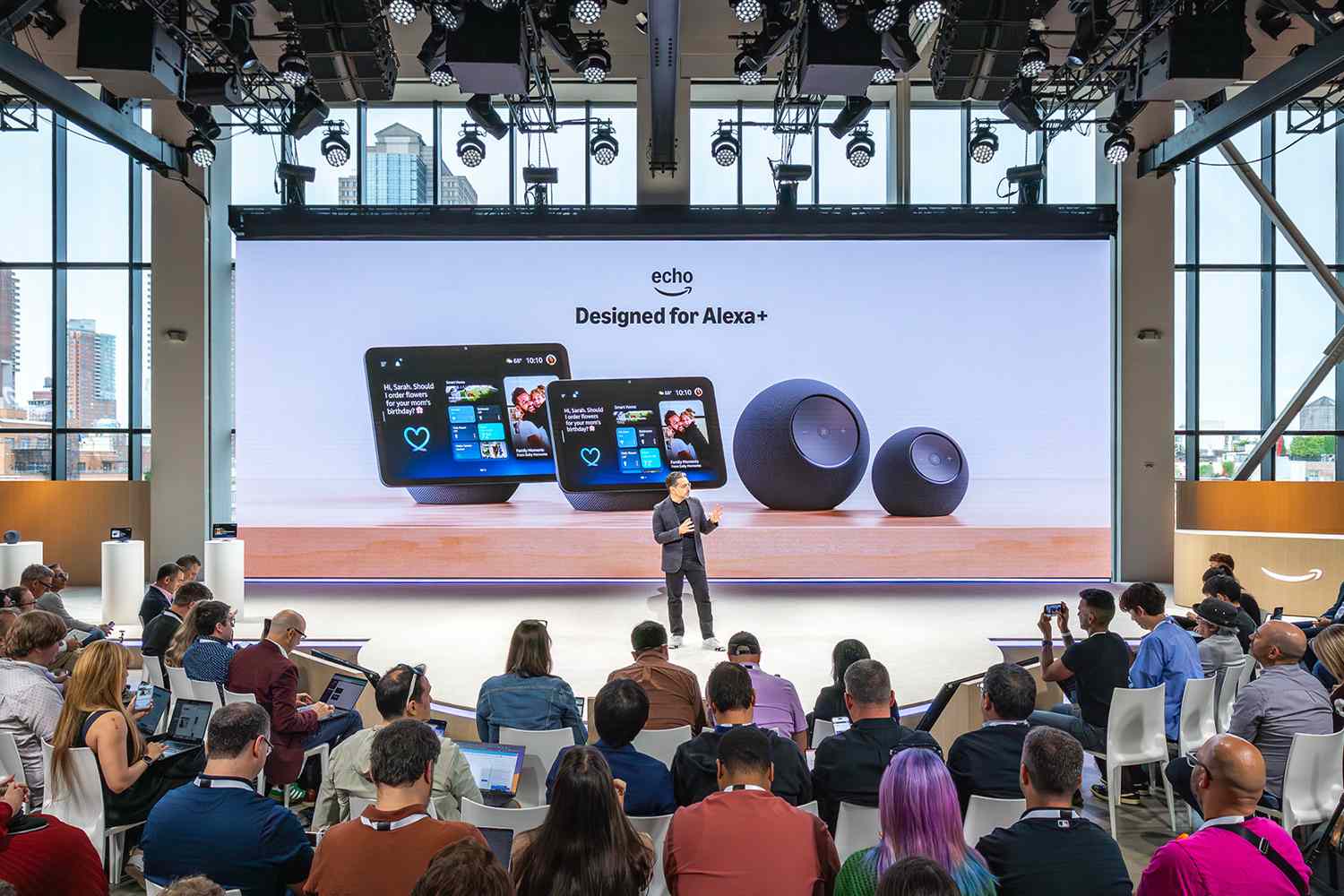
Amazon’s latest Echo wave is clearly built around Alexa+, the company’s upgraded AI assistant. That is a major shift. For years, Echo products were sold as speakers, smart displays, and home helpers. Now Amazon is pushing them as front doors to a more conversational, more personalized assistant experience.
That matters for Black Friday because “AI included” is a better holiday story than “same speaker, slightly rounder.” Newer Echo models give Amazon an easier way to sell the idea that the device is not just a piece of plastic on your counter. It is an everyday tool for household organization, media control, shopping help, and connected home routines.
The lineup now gives Amazon several angles. There are premium audio buyers who may look at the new Echo Studio or Echo Dot Max. There are kitchen-and-family-hub shoppers who may lean toward the Echo Show 8, Echo Show 11, or the larger Echo Show 15 and Echo Show 21. Those displays are especially interesting because they blur the line between smart home dashboard, casual TV, family calendar, and video call station. In other words, they are the sort of products that become more tempting when everyone is shopping for the home right before the holidays.
Black Friday often rewards products that are easy to explain in one sentence. Echo hardware fits that rule beautifully: better sound, better screens, smarter Alexa, lower prices. That is catnip for deal pages.
Fire TV: the budget hero with room to run
If there is one area where Amazon can get especially aggressive during Black Friday, it is Fire TV. The math is obvious. Streaming hardware is easy to gift, easy to bundle, and easy to mark down in a way that feels dramatic. A streaming stick that falls from a regular price into impulse-buy territory can move fast, especially when people are shopping for guest rooms, dorm setups, kids’ spaces, or older TVs that need a modern interface.
Amazon’s newer Fire TV hardware adds more reasons to feature it heavily. Updated Fire TV sets and the Fire TV Stick 4K Select extend Amazon’s push toward faster navigation, AI-powered search, and tighter Alexa integration. For shoppers, that means an easier pitch: better picture, more personalized recommendations, smoother search, and a simpler path into streaming. For Amazon, it means one more category where the company can headline a sale without sacrificing the premium aura of its newest devices.
This is the kind of hardware that often becomes a volume play on Black Friday. It may not spark the most passionate reviews on the internet, but it absolutely fills carts. And Black Friday is not just about obsession. Sometimes it is about a practical upgrade that costs less than dinner for two.
Kindle: a stronger lineup means sharper holiday positioning
Kindle may be the sleeper category that matters most. Amazon has expanded the lineup with refreshed entry-level models, stronger Paperwhite positioning, its first color Kindle in the Colorsoft family, and a more ambitious Scribe range. That gives the company a much clearer ladder from affordable reader to premium digital notebook.
The result is a Black Friday setup that practically writes itself. Entry-level Kindle deals can attract first-time e-reader buyers. Paperwhite deals can target practical upgraders. Colorsoft promotions can tempt gift shoppers who want something more eye-catching. And Scribe discounts or bundles can chase higher-spending buyers who want note-taking, journaling, and reading in one device.
Color is the wildcard here. Amazon finally gave Kindle users what many had wanted for years, but color e-readers are still a premium pitch. They are more exciting for comics, illustrated books, travel content, cookbooks, and vibrant library browsing, but the price premium has been hard to ignore. That tension could make Black Friday especially important. A steep discount can turn a “maybe later” device into a “fine, add to cart” purchase in a heartbeat.
There is another wrinkle: premium devices often need a cleaner narrative by the holidays. If shoppers think a product is interesting but a bit expensive, Black Friday becomes the perfect corrective. That is particularly true in categories like color e-readers and digital notebooks, where curiosity is high but full-price urgency is not always there.
How Amazon Could Use These Devices to Shape Black Friday Behavior
1. More bundles, not just more discounts
Amazon’s smartest holiday move may not be the deepest markdown. It may be the most tempting bundle. An Echo paired with smart bulbs, Ring gear, or a Blink camera becomes an easy “starter smart home” gift. A Kindle paired with a cover and a Kindle Unlimited offer feels more complete. A Fire TV device bundled with faster shipping, Prime Video familiarity, and a simple setup story becomes an easy recommendation for family members who do not want tech that feels like homework.
Bundles are powerful because they make the shopper feel clever. Instead of choosing among ten similar gadgets, they feel like they found a ready-made solution. Black Friday thrives on that feeling.
2. Older models become more attractive overnight
New launches are wonderful for older models. Once Amazon has fresh Echo, Fire TV, or Kindle hardware in the lineup, the previous generation suddenly becomes the responsible choice. Some shoppers want the latest thing. Many want the best value. Black Friday turns that second group into a stampede.
That is especially true for devices where the basics already work well. Plenty of shoppers will happily buy last year’s Echo or Kindle if the discount is deep enough. Amazon knows this, which is why fresh hardware often has a halo effect across the whole category.
3. Alexa+ gives Amazon a narrative, not just a feature list
Hardware sells better when it comes with a story. Alexa+ gives Amazon one. Instead of saying, “This display has a screen and speakers,” Amazon can say, “This device helps organize family life, surfaces useful information, controls your home, and talks to you more naturally.” That is a more compelling holiday pitch.
Of course, shoppers are not naive. AI claims still have to survive real-world use. But Black Friday is often driven by perceived upside. If buyers believe a new Echo or Fire TV product will age better because Amazon is investing heavily in Alexa+, that can influence the purchase even if they are not using every advanced feature on day one.
What Shoppers Should Watch for When Black Friday Arrives
Expect the fastest price cuts on Fire TV and mainstream Echo products
These categories are built for broad appeal. They are giftable, affordable, and easy to explain. If Amazon wants attention-grabbing front-page deals, this is where it can get them.
Watch Kindle discounts for turning points, not just percentages
A Colorsoft or Scribe discount matters less because of the raw percentage and more because of the psychological price barrier it crosses. Once a premium Kindle moves from “too much” to “tempting,” shopper behavior changes fast.
Look for ecosystem bundles that make the math feel better
Amazon loves packages that make the value seem bigger than the discount alone. Covers, subscriptions, smart home add-ons, and trade-in offers can quietly make a good sale better. That is where experienced Black Friday shoppers often win.
Do not assume the newest product will get the biggest markdown
Sometimes the smartest buy is one rung below the flagship. Black Friday is famous for teaching the same lesson every year: the product with the loudest marketing is not always the best deal. Sometimes the winner is the one Amazon is most eager to move at scale.
The Bigger Black Friday Picture
Amazon’s new hardware could shape Black Friday because the company is now selling more than gadgets. It is selling tiers, bundles, habits, and ecosystem entry points. That is why the newest Echo, Fire TV, and Kindle releases matter. They help Amazon structure the holiday battlefield before the first “limited-time deal” banner even appears.
In other words, Black Friday may not be defined by one blockbuster Amazon device. It may be defined by how neatly Amazon’s new lineup lets it target almost everyone: the bargain hunter, the gift buyer, the parent, the reader, the smart home fan, the streaming upgrader, and the person who just wanted dish soap but somehow left with a color e-reader and a video doorbell.
That last shopper, by the way, is basically Black Friday’s mascot.
Real-World Experiences That Show Why This Topic Matters
To understand why new Amazon hardware could shape Black Friday, it helps to think less like an analyst and more like an actual shopper standing in the middle of a messy living room with twelve browser tabs open. In real life, people rarely shop for “hardware innovation” as an abstract concept. They shop for friction relief. They want the TV in the bedroom to stop feeling slow. They want a gift that looks more exciting than socks. They want the kitchen to function like command central instead of a chaotic museum of sticky notes. That is where Amazon’s newer devices become relevant.
A family shopping for the holidays, for example, may look at a large Echo Show and realize it is not really competing with a speaker. It is competing with clutter. It can hold the family calendar, show recipes, stream a show while dinner is cooking, display photos, and help manage smart lights and cameras. That kind of “one thing that does several annoying little jobs” is exactly the sort of value proposition that starts to feel irresistible when the price drops during Black Friday. At full price, shoppers debate. At holiday sale pricing, they rationalize. Very quickly.
Readers have a similar experience with the Kindle lineup. A basic Kindle often feels easy to justify. A Paperwhite feels like the sensible upgrade. A Colorsoft feels like a treat. That difference is important. On ordinary days, treats are easy to postpone. During Black Friday, treats become “investments in reading more,” which is the kind of sentence shoppers tell themselves with a perfectly straight face. For comic readers, cookbook fans, students using visual materials, or anyone who just likes seeing covers in color, the newest Kindle hardware becomes much more attractive the moment the premium shrinks.
The Fire TV side is even more grounded in real-life behavior. Plenty of people are not building a dream home theater. They are just trying to make one older TV less annoying. A discounted Fire TV stick can solve a surprisingly ordinary set of problems: laggy menus, confusing app access, weak search, or a remote that should honestly be in therapy. When a newer Fire TV device adds better search, better performance, and Alexa hooks at a lower holiday price, it becomes the kind of purchase people make in multiples. One for the den, one for the guest room, one for the in-laws, and suddenly Amazon has won more screen territory in the home.
Then there is the shopper experience Amazon understands better than almost anyone: comparison fatigue. Black Friday throws thousands of deals at people, and many of them want the decision made easier. New Amazon hardware helps because it creates cleaner categories and clearer trade-ups. Good, better, best. Cheap, smarter, premium. Reading, color reading, note-taking. Amazon does not need every shopper to become a superfan. It just needs each shopper to feel that the answer is obvious enough to click “Buy Now.” That is why fresh hardware matters so much. It gives Black Friday structure. And structure, in a sale this noisy, is power.
Conclusion
Amazon’s latest hardware moves could shape Black Friday not because every new device is revolutionary, but because the lineup is broader, cleaner, and easier to sell than it has been in a while. Echo devices now ride the Alexa+ narrative. Fire TV products remain tailor-made for mass holiday discounts. Kindle has a stronger progression from budget to premium, with color and notebook features adding fresh gift appeal.
That combination gives Amazon something every Black Friday winner needs: range. The company can chase volume, bundles, upgrade buyers, first-time users, and premium shoppers all at once. And when a retailer can do that with its own hardware ecosystem, the holiday season stops looking random. It starts looking choreographed.