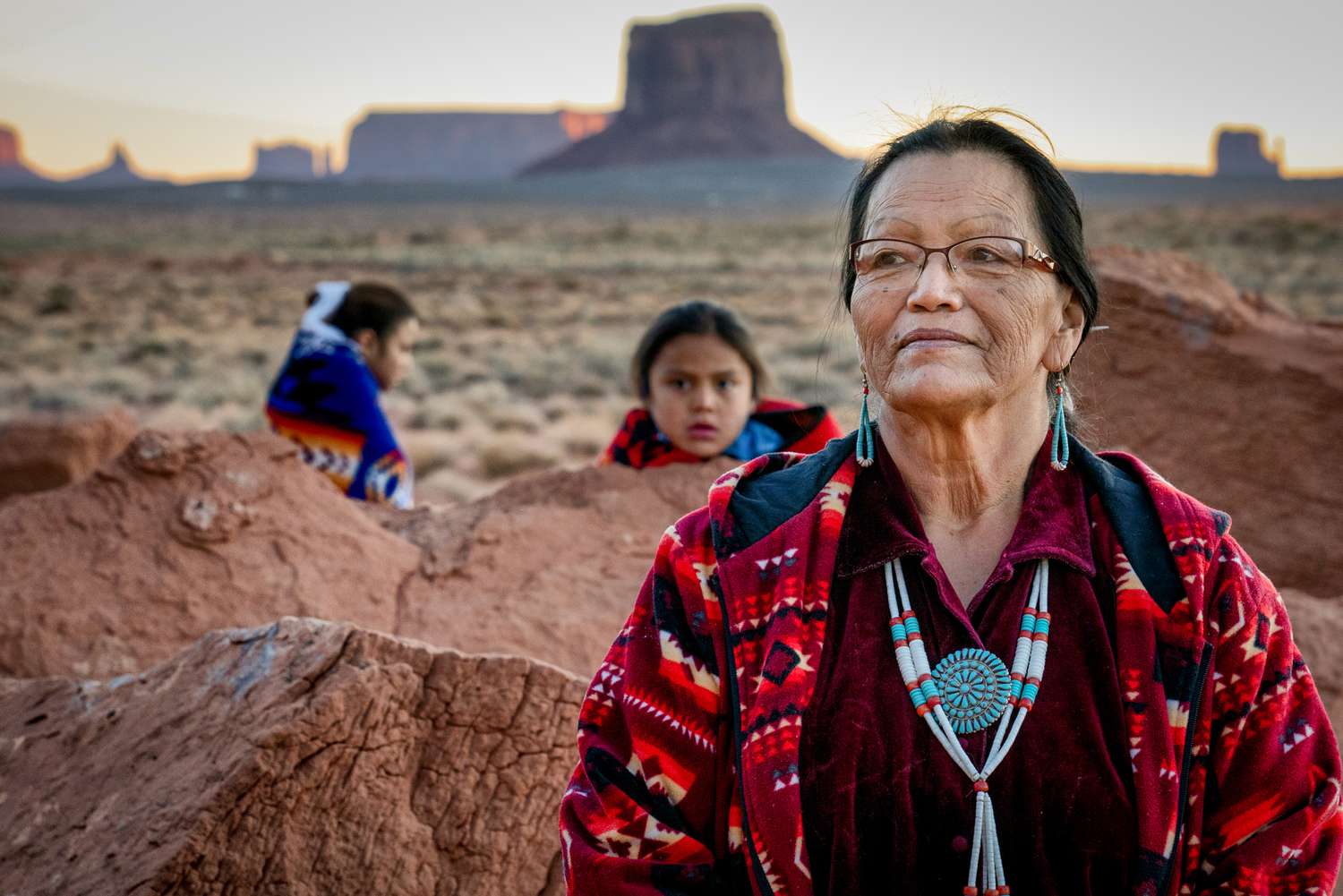

In the digital age, most people rely on digital maps for navigation and geographic information. Platforms like Google Maps, Apple Maps, and others have become central to our daily lives, guiding us to unfamiliar locations, helping us explore new areas, and offering directions at the touch of a button. However, while these maps are a critical part of modern technology, one group has raised a crucial issue: Native Americans want their place names included on digital maps.
Across the United States, the names of towns, rivers, mountains, and other significant geographic locations have long been tied to Indigenous cultures and languages. However, the widespread use of anglicized names has often overshadowed the original Native names, many of which hold deep historical, cultural, and spiritual significance. As more people use digital maps, the question arises: should these original place names be included alongside the commonly used versions? The answer, according to Native American advocates, is a resounding yes.
The Legacy of Erased Names
The erasure of Native American place names is a painful part of U.S. history. During the colonization period, many Indigenous communities were displaced, and their languages, along with their place names, were often replaced with European names. For centuries, Indigenous people had a close connection to the land, with place names reflecting their cultural ties to specific areas. From the Grand Canyon, which the Havasupai call “Havasu Baaja” (meaning “blue-green water”), to Lake Michigan, known as “Mishi-gami” to the Anishinaabe, these names tell stories of the land’s importance to the people who have lived on it for generations.
As European settlers established dominance across the land, the names of these places were replaced with ones that reflected European culture, and in many cases, erased the history and identity of the Indigenous communities who had lived there for thousands of years. Today, the push for reintroducing Native American place names on digital maps seeks to honor this history and the contributions of Indigenous peoples to the American landscape.
Why It’s Important to Include Native Names on Digital Maps
For many Native Americans, the inclusion of their original place names on digital maps is not just a matter of cultural prideit’s a matter of justice and recognition. The act of renaming places with Indigenous names on digital maps is a way to reclaim a piece of their heritage that was once lost or erased. It also provides an educational opportunity for the broader population to learn about the rich cultural history of Native peoples.
One of the main arguments for including Native place names on digital maps is the importance of cultural preservation. As digital maps are now a primary tool for navigation and communication, they are increasingly becoming the reference point for how we understand our surroundings. By including Native names, digital maps would help preserve these languages and the historical stories attached to them, ensuring that they are not forgotten by future generations.
Furthermore, adding these names also acknowledges the historical injustices faced by Indigenous peoples. It’s an important step toward reconciliation and healingrecognizing that the land was not empty when settlers arrived but was home to vibrant cultures with their own systems of knowledge and identity. By giving Native names equal prominence on digital maps, we can begin to correct this oversight and help restore the dignity of these communities.
Challenges and Pushback
Despite the support for the inclusion of Native names on digital maps, there has been some pushback. One of the main challenges is the widespread use of established place names that are deeply embedded in society. Many people are unfamiliar with Native place names, and there is concern about confusion when navigating or trying to communicate locations. Additionally, the process of updating digital maps to include these names is not simpleit requires coordination between Indigenous groups, local governments, and mapping companies.
Another challenge is the sheer diversity of Native languages and dialects. Different tribes may have different names for the same place, which could lead to complications when trying to standardize place names across digital platforms. Some argue that there is no universal system in place to represent these names in a way that is both culturally respectful and accessible to the public. As a result, achieving consensus among all Native American tribes and communities on the inclusion of place names is a complex and ongoing process.
Examples of Native Place Names on Digital Maps
While challenges remain, there have been some successes in incorporating Native American place names on digital maps. One prominent example is the inclusion of the Native American name for Mount McKinley, now known as Denali, located in Alaska. After years of advocacy from Native Alaskan groups, the U.S. government officially renamed the mountain to Denali in 2015, a name that honors the Native Koyukon Athabaskan people.
In California, the push for Native place names has gained traction with places like the city of Sacramento, which acknowledges the original names of Indigenous communities within the region. In some cases, Native American tribes are working directly with tech companies to ensure that their languages and place names are featured accurately on platforms like Google Maps and Apple Maps. For instance, the Mashpee Wampanoag tribe has partnered with digital mapping services to restore the name “Mashpee” to certain locations, which had previously been lost in the shuffle of anglicized naming practices.
Collaborative Efforts for Change
Various advocacy groups are working hard to make this a reality on a broader scale. The Native American Heritage Commission, the National Congress of American Indians (NCAI), and other organizations are partnering with map providers to incorporate Indigenous place names. These efforts include not just the renaming of geographical locations but also the inclusion of Indigenous language speakers who can assist in the correct spelling and pronunciation of these names.
Additionally, there is increasing pressure on tech companies to address this issue. In 2020, Google Maps introduced a feature allowing users to submit changes to the names of places, which has opened the door for greater participation from Native communities. Apple Maps, too, has taken steps to include more comprehensive and accurate names, though progress has been slow. These actions are part of a growing recognition that digital mapping should reflect the diverse cultural landscape of the U.S.
The Path Forward
The movement to get Native American place names on digital maps is still in its early stages, but it’s a step toward greater recognition and respect for the original inhabitants of this land. While challenges persist, the momentum is building. By continuing to push for the inclusion of Indigenous place names on digital platforms, we can take a small yet meaningful step toward reconciliation and healing.
Ultimately, this is about more than just updating mapsit’s about honoring the heritage, history, and ongoing contributions of Native American communities. As we continue to advance in the digital era, it’s crucial that we also remember and respect the cultural foundations that these communities have provided to our society. By incorporating their place names into the digital realm, we honor their legacy and ensure that future generations will have the opportunity to learn about the richness and depth of Native American cultures.
Experience of Native American Communities and Digital Mapping
From personal stories to historical anecdotes, many Native American individuals have expressed a deep emotional connection to their ancestral land. One story that stands out is that of a Cheyenne woman who grew up near a river in Montana. She recalls how her ancestors had long referred to the river by its traditional Cheyenne name, which means “river of life.” When she looked up her hometown on Google Maps years later, she found that the river was only referred to by its anglicized name. To her, this felt like a loss of identity, a reminder that Indigenous cultures and their relationship with the land had been disregarded for centuries.
In her quest to restore her community’s place names, she worked with others to present the case to local officials, pointing out that this was not just about history but about recognition and respect for living cultures. Today, many of her fellow tribal members are pushing for Native place names to be included on digital maps, feeling that their cultural identity is incomplete without it. The emotional and cultural value of place names cannot be underestimatedthey hold within them centuries of stories, wisdom, and connection to the land that digital mapping platforms now have the power to preserve.
Conclusion
Native Americans’ push to have their place names restored to digital maps is an important movement that highlights the significance of cultural recognition, historical preservation, and social justice. By including Native place names on maps, we honor not just the land, but the people who have cared for it for millennia. As technology continues to shape our world, it is critical that we incorporate the voices and histories of all peopleespecially those who have long been marginalized. This movement is an essential step toward reconciling past wrongs and ensuring that the voices of Indigenous communities are heard and respected.
sapo: Native American place names, once erased or ignored, are now being pushed for inclusion on digital maps. Learn why this movement is crucial for preserving Indigenous culture and history.