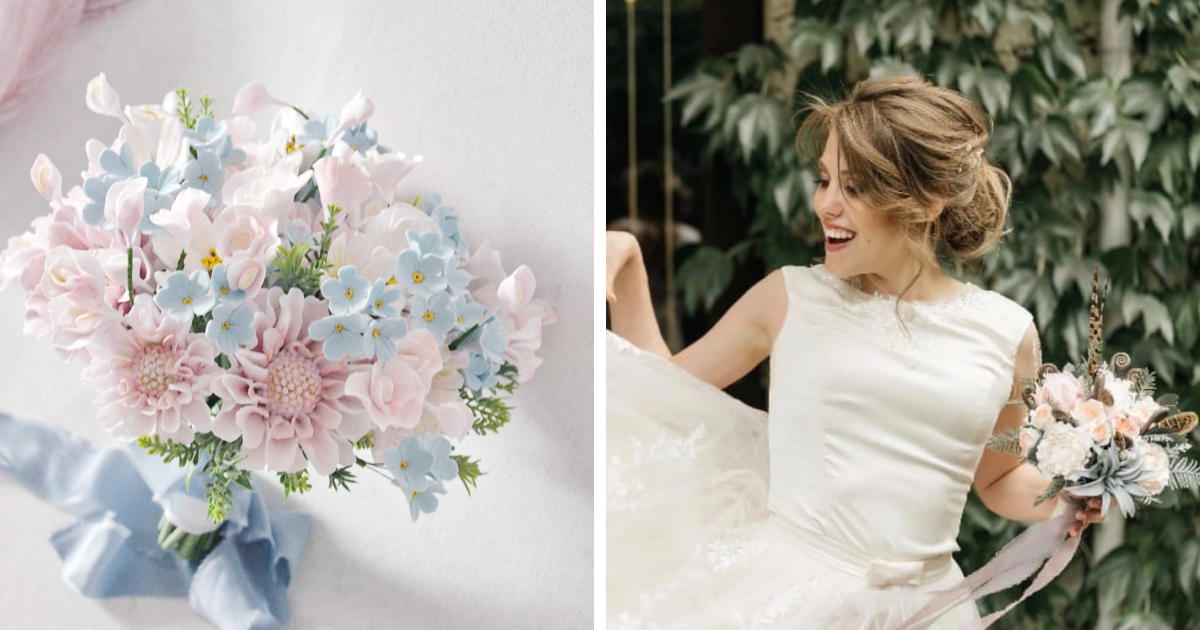

There was a period when my mind behaved like an overenthusiastic smoke alarm. Nothing was visibly burning, yet my body kept announcing an emergency. My heart raced, my breathing became shallow, and ordinary moments suddenly felt unsafe. Then flowers entered my daily lifenot as a magical cure, but as a quiet, practical companion that helped me rebuild calm one leaf, stem, and slightly crooked bouquet at a time.
When Stress Started Feeling Bigger Than Me
My stressful period did not arrive with dramatic background music. It accumulated quietly through demanding days, poor sleep, unanswered worries, and the habit of pretending I was fine. I kept telling myself to push through. Unfortunately, the nervous system does not accept motivational speeches as payment.
The first panic attack felt completely physical. My heart pounded, my chest tightened, my hands became cold, and I felt as though I could not take a satisfying breath. The most frightening part was not understanding what was happening. Panic can create an intense sense of danger even when no immediate threat is present, and its physical symptoms may resemble those of other health problems.
I eventually learned that recurring panic attacks deserve professional attention. A physician can help rule out medical causes, while a qualified mental health professional can assess anxiety symptoms and discuss treatments such as cognitive behavioral therapy, medication, or a combination of approaches. That evaluation mattered. Knowing I was not simply “bad at relaxing” removed some of the shame surrounding the experience.
Still, treatment was only one part of recovery. I also needed something gentle and repeatable for the hours between appointmentssomething that could bring me back into the present without turning wellness into another exhausting performance goal.
How My Flower Passion Began
My interest in flowers started with one inexpensive pot of daisies. They were not rare, sophisticated, or likely to win a gardening award. One bloom leaned sideways as if it had stayed up too late. Nevertheless, caring for that little plant gave my morning a purpose that had nothing to do with deadlines or fear.
I checked the soil, removed damaged leaves, and moved the pot toward better light. These tasks took only a few minutes, but they required attention. Instead of monitoring my heartbeat or imagining everything that could go wrong, I was studying moisture, color, texture, and new growth.
One plant became three. Then came herbs, roses, marigolds, and a dramatic orchid that seemed to require the emotional support of an entire household. I started reading about soil mixtures, drainage, seasonal growth, and pruning. My windowsill slowly transformed into a small living laboratory.
More importantly, flowers gave my thoughts somewhere safe to land. Anxiety had trained me to scan for danger. Gardening encouraged me to scan for change: a new bud, a stronger stem, or a leaf turning toward the sun.
Why Working With Flowers Felt So Grounding
It brought my attention back to my senses
During periods of panic, thoughts can accelerate so quickly that the present moment nearly disappears. Flowers offered immediate sensory details. I could notice the cool surface of a ceramic pot, the scent of damp soil, the softness of a petal, and the tiny differences between shades of green.
This did not require me to force my mind to become blank. I simply redirected attention toward something specific and observable. The question changed from “What if something terrible happens?” to “Does this plant need water?” That may not sound revolutionary, but during an anxious moment, one manageable question can be a welcome relief.
It created a steady routine
Stress had made my days feel unpredictable. Flower care added small points of stability. I watered certain plants in the morning, checked seedlings after lunch, and spent a few minutes cleaning tools in the evening.
These routines were modest enough to maintain even when I felt tired. They also encouraged other healthy habits. Opening the curtains for my plants brought daylight into the room. Going outside to check the garden got me moving. Visiting a nursery gave me a reason to leave the house without facing an overwhelming social commitment.
It replaced urgency with patience
Anxiety demands immediate answers. Plants decline to participate in that arrangement. A seed does not sprout faster because I stare at it with managerial intensity. A rose will bloom when its conditions and timing allownot because Tuesday works better for my schedule.
Learning to respect natural timing helped me become more patient with my own progress. Some weeks were noticeably easier. Other weeks felt like I had returned to the beginning. The garden reminded me that an apparent pause is not always failure. Roots can be developing even when nothing impressive is visible above the soil.
What Research Suggests About Flowers, Gardening, and Mental Health
My experience was personal, but the broader connection between nature and emotional well-being is supported by a growing body of research. Studies and clinical reviews have associated gardening and nature exposure with lower perceived stress, better mood, improved attention, and reduced symptoms of anxiety or depression in some participants.
Several mechanisms may contribute to these benefits. Gardening combines light physical activity, sensory engagement, contact with nature, achievable tasks, and visible evidence of progress. It can also interrupt repetitive negative thinking by directing attention toward an activity that is absorbing without being mentally overwhelming.
Flower arranging may provide similar advantages. Selecting colors, trimming stems, and building a balanced arrangement involve creativity and concentration. The finished bouquet offers an immediate sense of accomplishment, even when the arrangement looks less like a magazine cover and more like the flowers held an emergency meeting.
Community gardens can add social connection as well. Working beside other people creates opportunities for conversation without making conversation the sole purpose of the event. For someone rebuilding confidence after a stressful period, discussing tomatoes, tulips, or compost can feel much easier than walking into a room and announcing, “Hello, I am here to socialize normally.”
However, research does not show that flowers eliminate panic disorder or replace professional treatment. Gardening is better understood as a supportive wellness activity. It may strengthen coping skills and improve daily quality of life, but persistent or worsening symptoms should still be discussed with a healthcare professional.
The Flower Routine That Helped Me Manage Stress
Morning: A five-minute plant check
Each morning, I looked at my plants before looking at messages. I checked the soil with a finger rather than watering automatically because overwatering is apparently the botanical version of loving someone too aggressively.
I opened the curtains, turned pots that were leaning toward the light, and looked for new growth. Starting with observation rather than notifications made the beginning of the day feel less abrupt.
Afternoon: A short outdoor break
When possible, I spent 15 to 30 minutes outside. Sometimes I planted, pruned, or pulled weeds. On difficult days, I simply sat near the flowers and paid attention to their shapes and colors.
The goal was not productivity. I did not need to redesign the yard or become a competitive hydrangea specialist. The purpose was to step away from screens, move gently, and let my attention rest on something living.
Evening: A simple flower journal
At night, I wrote a few sentences about what had changed. I recorded new buds, plants that needed attention, and one thing I had noticed about my mood. This helped me recognize gradual improvement that might otherwise have been overlooked.
I also photographed blooms at different stages. Looking back at those images became evidence that time was moving forward. During stressful periods, progress can feel invisible. A sequence of photographs made growth easier to see.
What I Did When Panic Appeared in the Garden
Flowers did not prevent every panic attack. Sometimes symptoms appeared while I was watering plants or walking through a garden center. Recovery became more realistic when I stopped expecting my hobby to create perfect calm.
When panic began, I first reminded myself that familiar symptoms could pass. I placed both feet on the ground, loosened my shoulders, and focused on breathing more slowly rather than taking repeated large breaths. I named concrete details around me: three yellow flowers, a rough clay pot, cool air, and the sound of leaves moving.
I also followed the coping plan developed with professional guidance. That distinction is important. A calming hobby can support a treatment plan, but it should not become a reason to avoid medical or psychological care.
Anyone experiencing new chest pain, fainting, severe breathing difficulty, or symptoms that feel medically urgent should seek appropriate medical help rather than assuming the cause is panic. New symptoms deserve evaluation.
How to Begin a Flower-Based Stress-Relief Practice
Start smaller than your ambition
Choose one or two forgiving plants suited to your available light and climate. A windowsill pot, a container of marigolds, or a small bouquet can be enough. Beginning with 47 rare orchids may create a new source of anxiety and possibly require a separate utility budget.
Focus on the process, not perfection
Leaves will turn brown. Seeds will refuse to cooperate. A squirrel may treat your carefully prepared container as a personal excavation project. These moments are not proof that you have failed. They are part of working with living things.
Use flowers as a grounding cue
Choose a flower as a reminder to pause. When you see it, notice one color, one texture, one sound, and one physical sensation. This simple sensory check can help shift attention away from spiraling thoughts.
Connect with other people
Consider a gardening class, horticultural program, flower-arranging workshop, or community garden. Shared activities can reduce isolation and provide gentle social structure. Online plant groups can also be useful, although they may convince you that purchasing another planter is an act of personal development.
Keep professional support in the picture
If panic attacks recur, create ongoing fear, interfere with school or work, disturb sleep, or cause avoidance, speak with a healthcare professional. Effective treatment is available. Flowers can be part of recovery, but no one should feel pressured to manage a serious anxiety condition through hobbies alone.
What Flowers Taught Me About Recovery
My flower passion did not erase every stressful circumstance. It changed the way I moved through those circumstances. Caring for plants helped me practice attention, patience, and consistency without requiring immediate perfection.
I learned that rest is not laziness, just as winter is not the failure of spring. I learned that cutting away damaged growth can protect what remains. I learned that asking for help is practical, whether the subject is mental health or a fern that has developed mysterious opinions about humidity.
Most of all, I learned to look for small signs of life. A calmer morning mattered. Completing an appointment mattered. Walking to the garden despite feeling anxious mattered. Recovery was not one heroic breakthrough. It was a collection of ordinary moments that gradually became a more stable life.
More Experiences From My Journey Through Panic and Stress
One of my clearest memories comes from a morning when I woke before sunrise with my heart already racing. Nothing had happened, yet my body felt prepared to escape a disaster. In the past, I would have remained in bed checking every sensation and searching the internet for increasingly alarming explanations. That morning, I walked to the kitchen window where a small tray of seedlings was waiting.
I did not tell myself to calm down. Those words had rarely worked. Instead, I counted the seedlings that had emerged overnight. There were seven. I noticed one still wearing its seed casing like a tiny helmet. My breathing remained uncomfortable, but my attention was no longer completely trapped inside my body. After several minutes, the intensity began to decrease.
That experience taught me an important lesson: coping did not always mean making anxiety disappear. Sometimes it meant giving myself something steady to hold while the wave passed.
Another difficult moment happened during a crowded flower show. I had been excited for weeks, but the noise, bright displays, and number of people became overwhelming. My chest tightened, and I immediately wanted to leave. For a moment, I felt disappointed in myself. How could I be anxious in a place built around something I loved?
Then I remembered that recovery is not a test of whether symptoms ever return. I stepped into a quieter area, contacted the person who had come with me, and used the coping strategies I had practiced. I focused on a row of purple irises and described their details silently: pale edges, darker centers, curved petals, green stems. Eventually, I chose to continue through one small section of the show before going home.
That may sound like an incomplete victory, but it was meaningful. I had not fled without understanding what was happening, nor had I forced myself to remain until I was exhausted. I responded with flexibility.
Flowers also helped during a stressful family period when several problems seemed to arrive at once. I could not fix every situation, and trying to solve them all mentally left me drained. Each evening, I arranged a few inexpensive stems in a glass jar. The activity gave my hands a task while my mind slowed down.
Some arrangements were elegant. Others looked as though the flowers had been selected during a minor earthquake. Either way, the ritual marked the transition from problem-solving time to rest. I began giving the arrangements to neighbors, relatives, and friends. Their reactions reminded me that stress had not removed my ability to create something kind.
Over time, I became less frightened of anxiety itself. I understood that a racing heart did not automatically predict catastrophe. I learned which habits made me more vulnerable, including too little sleep, excessive caffeine, skipped meals, constant screen use, and pretending I needed no support.
My garden became a place where I practiced healthier responses. I could pause without apologizing. I could make mistakes without declaring the entire project ruined. I could ask an experienced gardener why my plant was wilting instead of quietly holding a memorial service beside the pot.
Today, flowers remain part of my life, but their meaning has changed. At first, I approached them because I desperately wanted relief. Now I care for them because they represent attention, creativity, and connection. They remind me of a stressful chapter without trapping me inside it.
I still respect panic attacks as real health experiences. I continue to value professional guidance and the coping skills I learned outside the garden. My flower passion was never a miracle cure. It was something more believable and, in many ways, more useful: a daily practice that helped me participate in my own recovery.
Every new bloom became a quiet message. Conditions can change. Growth can return. A difficult season is still a seasonnot the entire story.
Conclusion
Flowers helped me through panic attacks and a stressful time by giving me structure, sensory grounding, gentle movement, creative expression, and visible reminders of gradual change. They did not solve every problem, and they did not replace professional care. Instead, they helped make recovery feel active and personal.
A healing practice does not need to be dramatic. It may begin with one pot, one packet of seeds, or one bouquet on a kitchen table. The smallest routine can become meaningful when it helps you pause, reconnect with the present, and remember that growth rarely happens all at once.
