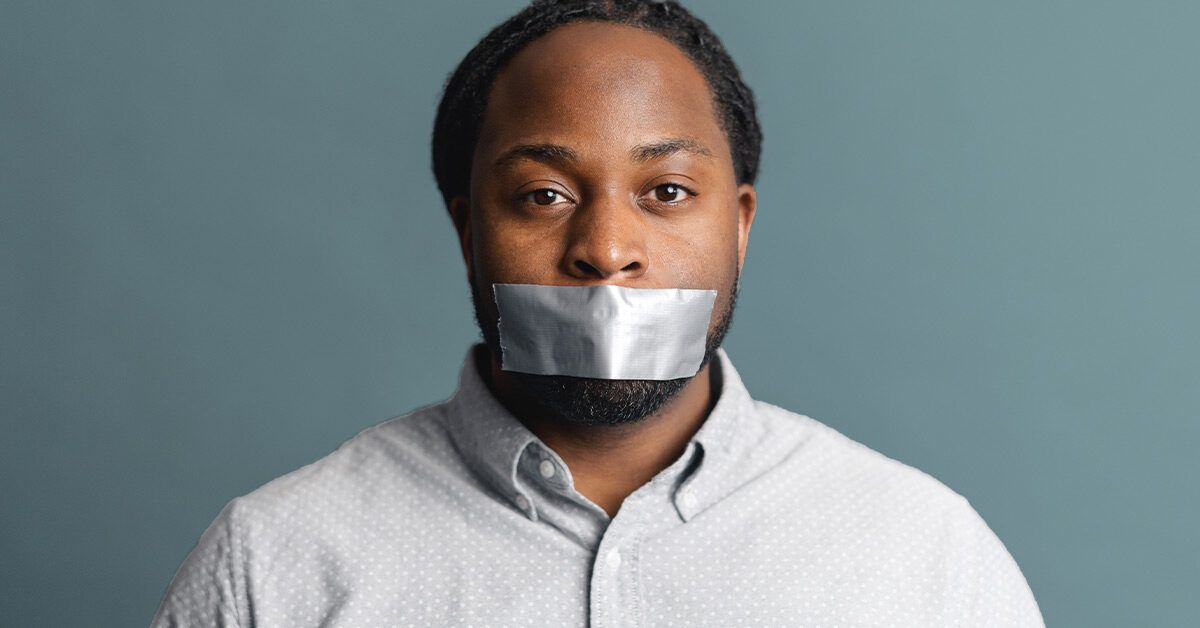

Every few months, TikTok serves up a new “life-changing” sleep hack. One week it is magnesium mocktails. The next week, it is sleeping like a human rotisserie chicken at a 37-degree angle. And then there is mouth taping, the trend that asks people to literally tape their lips shut before bed in the name of better breathing, less snoring, deeper sleep, and peak wellness. It sounds simple. It looks oddly convincing in a 20-second video. It is also a trend that sleep experts keep waving red flags about.
The basic idea behind mouth taping is to force nasal breathing during sleep. In theory, breathing through your nose can warm, humidify, and filter air better than breathing through your mouth. That part is not controversial. The problem is the leap from “nasal breathing is helpful” to “therefore I should tape my mouth shut tonight and hope for the best.” That leap is where social media turns into a bad sleep consultant.
If you snore, wake up with a dry mouth, feel exhausted in the morning, or suspect you may have sleep apnea, mouth taping is not a clever shortcut. In many cases, it can delay proper treatment, worsen breathing problems, or create new issues like skin irritation, anxiety, and disrupted sleep. Here is what to know before you let TikTok turn your bedtime routine into an arts-and-crafts project.
What Is Mouth Taping, Exactly?
Mouth taping means placing adhesive tape over your lips before sleep to keep your mouth closed and encourage breathing through your nose. Online, the practice is often marketed as a fix for snoring, dry mouth, bad breath, poor sleep quality, low energy, and even facial appearance. That is a wildly ambitious résumé for a strip of tape.
The trend took off because it sounds neat and low effort. No prescription. No doctor visit. No expensive device. Just tape, vibes, and confidence. But health trends become popular for lots of reasons that have nothing to do with strong evidence. A hack can go viral because it is visually dramatic, easy to imitate, and wrapped in wellness language. Mouth taping checks every one of those boxes.
Why Experts Call Mouth Taping Dangerous
It can make breathing harder, not easier
The biggest problem with mouth taping is obvious once someone says it out loud: if your nose is blocked, taping your mouth shut can make it harder to breathe. Nasal congestion, allergies, a cold, sinus problems, enlarged tonsils or adenoids, or a deviated septum can all interfere with airflow through the nose. When that happens, your mouth may be acting as a backup route for breathing. Blocking that route is not exactly a wellness flex.
This is one reason the trend is especially risky for people who already struggle with nighttime breathing. If you are a chronic mouth breather, your body may be compensating for an underlying airway issue. Mouth taping does not fix that issue. It just covers it up with adhesive.
It can be risky for people with snoring or sleep apnea
Snoring is not always harmless. Sometimes it is just noisy. Sometimes it is a clue that the airway is narrowing or collapsing during sleep. Obstructive sleep apnea happens when tissues in the upper airway block airflow repeatedly during the night. Common signs include loud snoring, waking up gasping or choking, dry mouth, morning headaches, poor concentration, and serious daytime fatigue.
That matters because many people who try mouth taping are trying to “treat” snoring without knowing why they snore in the first place. If the real issue is sleep apnea, a do-it-yourself trend can delay diagnosis and treatment. That is a bad trade. Better sleep should not come with the side quest of missing a real medical problem.
The research is limited and full of caveats
Here is the balanced truth: the evidence is not completely zero. A few small studies suggest that selected patients with mild obstructive sleep apnea or mouth-breathing-related snoring may see some improvement with mouth closure. But that tiny pocket of possible benefit comes with a giant asterisk. The studies are small, the patient groups are narrow, and many excluded people with nasal obstruction, allergies, septal problems, or more severe sleep issues.
In plain English: the internet took a limited, highly specific research question and turned it into a blanket trend for the general public. That is how health misinformation often works. A nuanced finding gets stripped of context, filtered through influencer confidence, and served as universal advice.
Even more important, newer reviews of the evidence say support for mouth taping is weak overall and that oral occlusion may carry serious risks in people with nasal blockage. Some research also shows that closing the mouth does not help everyone equally. In certain patients with obstructive sleep apnea, airflow can actually worsen depending on where the airway is collapsing.
It can irritate skin and trigger anxiety
Not every risk has to be dramatic to be real. Adhesive on the lips and surrounding skin can cause redness, rash, discomfort, or allergic reactions. People with facial hair may find removal painful. Others report feeling claustrophobic or panicky with their mouth sealed shut, which is not exactly the gateway to restful sleep. If a sleep hack makes you feel like you are in a low-budget hostage movie, that is probably your sign to stop.
Why Mouth Breathing Happens in the First Place
One of the biggest myths behind mouth taping is that mouth breathing is simply a bad habit caused by laziness, poor discipline, or an underperforming jawline. Real life is less dramatic and more medical. People usually breathe through their mouths at night because something is getting in the way of normal nasal breathing.
Common reasons include:
- Nasal congestion from allergies, colds, or sinusitis
- Deviated septum or other structural nasal issues
- Enlarged tonsils or adenoids, especially in children
- Sleep apnea or other sleep-disordered breathing problems
- Chronic snoring linked to airway narrowing
- Dry indoor air, smoking, or irritation that worsens congestion
That is why a proper evaluation matters. If your mouth pops open during sleep, your body may be signaling that it needs help breathing, not a strip of tape and a motivational quote.
What About Dry Mouth, Bad Breath, and Dental Problems?
This is where the story gets a little annoying, because the people trying mouth taping are often trying to solve a real problem. Dry mouth at night is uncomfortable. It can leave you waking up thirsty, cranky, and feeling like your tongue spent the night in a toaster. Chronic mouth breathing can also contribute to bad breath, sore throat, gum irritation, and increased dental trouble because saliva helps protect the mouth.
Saliva is not just there to make food less awkward. It helps neutralize acids, protect teeth, support swallowing, and keep harmful microbes in check. When your mouth stays dry night after night, your risk of cavities, tooth sensitivity, and oral infections goes up. So yes, waking up with dry mouth matters. But treating the cause matters more than taping over the symptom.
If nasal congestion is driving the problem, the better move is to address the congestion. If sleep apnea is involved, the better move is to get evaluated. If medication side effects are drying out your mouth, that is a separate conversation with a clinician or dentist. Mouth taping may look like a shortcut, but it often turns a solvable problem into a delayed diagnosis.
Does Mouth Taping Ever Make Sense?
Under professional guidance, maybe in very specific cases. That is the most honest answer. Some clinicians and researchers are exploring whether mouth closure strategies can help carefully selected patients, especially those with mild sleep-related breathing issues and no meaningful nasal obstruction. But “carefully selected” is doing a lot of work there.
That does not translate to a broad recommendation for everyone who snores, drools, or saw a polished TikTok before bed. A trend becomes dangerous when it skips the screening part. You do not know whether your airway, allergies, anatomy, or sleep pattern makes the practice safe. And you definitely do not learn that from a video filmed under ring-light optimism.
Safer Alternatives to Mouth Taping
If you are trying to breathe better and sleep more comfortably, there are safer, more evidence-based options worth exploring first:
Get checked for sleep apnea
If you snore loudly, wake up choking, feel exhausted during the day, or have high blood pressure or morning headaches, ask a doctor about a sleep evaluation. A sleep study can help identify whether the real issue is obstructive sleep apnea.
Treat nasal congestion
Allergies, sinus inflammation, and chronic stuffiness can all push people toward mouth breathing. Addressing the blocked nose may improve sleep more effectively than trying to overpower the symptom. Depending on the cause, that may involve allergy treatment, nasal sprays, humidification, or ENT evaluation.
Consider positional changes
Some people snore more on their backs. Sleeping on your side can reduce snoring in certain cases and is a much less chaotic idea than duct-taping your face while unconscious.
Talk about medical devices that are actually designed for the problem
If sleep apnea is diagnosed, treatment may involve CPAP, oral appliances, weight management, or other targeted therapies. These options are not as trendy as “one weird hack,” but they have the advantage of being developed for actual breathing disorders.
Loop in your dentist or ENT if dry mouth is the main issue
A dentist may help identify oral complications from chronic mouth breathing. An ENT specialist can look for structural nasal issues, enlarged tissues, or other airway problems that need treatment.
When to See a Doctor
Do not wait for symptoms to become dramatic. Talk to a healthcare professional if you or your child:
- Snore loudly most nights
- Wake up gasping, choking, or feeling short of breath
- Have chronic nasal congestion or trouble breathing through the nose
- Wake up with dry mouth, sore throat, or frequent morning headaches
- Feel sleepy, foggy, or irritable during the day
- Notice pauses in breathing during sleep
- Have a child who breathes through the mouth regularly, snores, or sleeps restlessly
For kids especially, persistent mouth breathing is worth taking seriously. It can be linked to enlarged adenoids or tonsils, sleep-disordered breathing, and sleep-related behavior or concentration issues. Children are not tiny adults, and they deserve more than a viral shortcut.
Real-World Experiences People Commonly Report
One reason mouth taping keeps spreading is that many people genuinely do have frustrating nighttime symptoms. They wake up with cracked lips, dry mouth, morning breath strong enough to scare a houseplant, and the vague sense that they did not actually rest. So they go online looking for answers and find dozens of cheerful videos promising that one little strip of tape changed everything. That promise is seductive because it sounds easier than navigating allergies, sleep testing, dental issues, or specialist appointments.
In real life, people’s experiences tend to be messier. Some report that the first night feels uncomfortable right away. They become hyperaware of their breathing, feel anxious, or wake up because their nose gets stuffy during the night. Others notice irritated skin around the lips or a weird feeling of resistance when they instinctively try to open their mouth. For some, the result is not deeper sleep but more interrupted sleep.
Another common experience is discovering that the tape did not solve the underlying problem at all. A person may still snore, still feel exhausted, and still wake up with headaches. That is often the moment when the bigger issue finally comes into focus: untreated allergies, chronic nasal obstruction, a deviated septum, or possible sleep apnea. In that sense, the trend sometimes works less like a treatment and more like an accidental clue that something else needs medical attention.
There are also people who say they felt temporary improvement, especially if their mouth breathing was mild and their nose was clear. But even those reports are not the same thing as proof that the practice is broadly safe or effective. Feeling better for a few nights does not rule out hidden airway problems. It just means the situation may be more complex than a social media caption suggested.
Parents often notice related patterns in children before adults notice them in themselves. A child who snores, sleeps with an open mouth, wets the bed, drools on the pillow, or seems moody and unfocused during the day may not need a trendy hack. They may need their tonsils, adenoids, nasal passages, and sleep quality evaluated. The same goes for adults who assume their fatigue is “just stress” when they are also snoring loudly and waking up with a desert-dry throat.
Dental professionals also see the downstream effects. Chronic dryness can mean more cavities, irritated gums, and ongoing bad breath that mouthwash alone will not fix. Sleep specialists see the other side of the story: people who tried internet hacks for months before finally getting diagnosed with a breathing disorder that had been disrupting sleep all along.
The most useful takeaway from these experiences is not that everyone should panic. It is that symptoms are information. Dry mouth, snoring, nighttime mouth breathing, and daytime exhaustion are not personality flaws. They are clues. The smartest response is not to tape over the clue. It is to figure out what the clue is trying to tell you.
Final Thoughts
Mouth taping has all the ingredients of a viral wellness hit: simple, cheap, dramatic, and wrapped in the language of optimization. But the evidence does not support the hype, and the risks are real for people with nasal obstruction, allergies, or undiagnosed sleep apnea. If you are sleeping with your mouth open, waking up with dry mouth, or dealing with snoring and poor sleep, your body is probably asking for assessment, not adhesive.
The smartest sleep hack is wonderfully boring: get the right diagnosis, treat the real cause, and stop taking medical advice from strangers whispering into a front-facing camera at midnight.