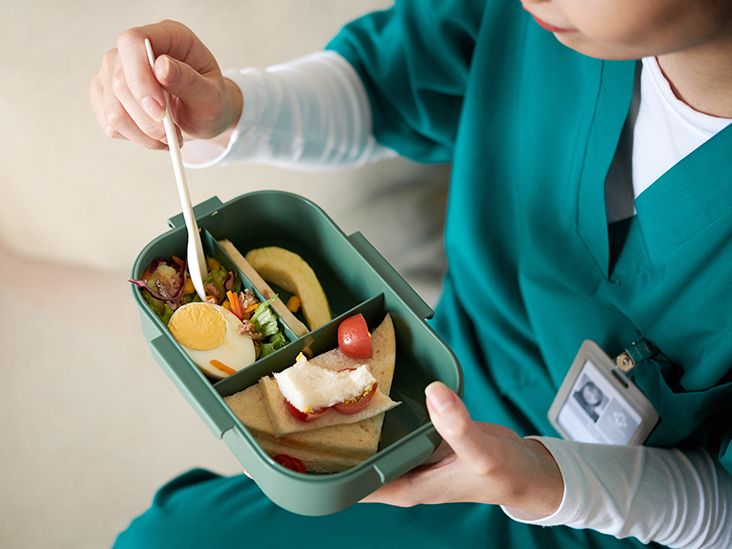

If you work nights, rotating shifts, or any schedule that makes your friends say, “Wait… when do you sleep?” you already know: eating well on shift work is its own full-time job. When your “lunch break” is at 2 a.m. and the only open option is a glowing vending machine, it’s way too easy to live on coffee, chips, and regret.
The good news? With a little planning and a few smart mealtime hacks, you can keep your energy steady, protect your long-term health, and still have snacks that actually taste good. This guide pulls together expert advice on shift work nutrition, real-life strategies, and practical meal prep ideas so you can stop winging it and start fueling like a pro.
Why Shift Work Makes Eating So Tricky
Our bodies run on a 24-hour internal clock called the circadian rhythm. During the day, your body expects light, movement, food, and action. At night, it expects darkness, rest, and a digestive system that can chill, not process a cheeseburger. When you work nights or rotating shifts, you’re basically asking your body to party when it wants to be in pajamas.
Research shows that shift work is linked to a higher risk of weight gain, type 2 diabetes, heart disease, and digestive problems. A big reason? What and when you eat often gets flipped upside down. People on nights are more likely to:
- Grab fast food or vending machine snacks because nothing else is open.
- Eat large, heavy meals in the middle of the night when digestion is slower.
- Snack constantly to stay awake instead of eating planned meals.
- Skimp on fruits, vegetables, and whole grains while eating more sugar and saturated fat.
But don’t panic. You don’t need a perfect schedule or a flawless diet to feel better. Even small shifts in meal timing and food choices can make a big difference in your energy, mood, and blood sugar.
Big-Picture Principles: Meal Timing for Any Shift
Before we get into specific recipes and snack ideas, it helps to understand a few core rules of thumb that nutrition experts recommend for night shift workers and other shift schedules:
1. Aim for Three Structured Meals in 24 Hours
Instead of grazing all night, try to stick to a pattern of three main meals in each 24-hour period, plus 1–2 small snacks. This keeps your blood sugar more stable and helps your digestive system get some rest between eating episodes.
2. Eat Your Main Meal Before Work
If you work evenings or nights, try having your biggest, most balanced meal 2–3 hours before your shift. That way, you’re fueled up before things get busy, and you’re not starving at midnight and inhaling half a pizza on your break.
3. Keep Nighttime Eating Light and Simple
Digestion slows down at night, so heavy, greasy, or spicy foods are more likely to cause heartburn, stomach pain, or that “why did I do this to myself?” feeling. During the late-night hours, think light, easy-to-digest meals and snacks that combine protein, fiber, and healthy fats.
4. If Possible, Eat More During Daylight Hours
Some research suggests that keeping most of your calories during the daytimeeven if you’re sleeping at odd hoursmay help protect your metabolism and blood sugar. That doesn’t mean you can’t eat at night, but if you can, front-load more of your intake in daylight and go lighter overnight.
5. Protect Your Sleep Window with a Small Pre-Bed Snack
Going to bed stuffed makes sleep uncomfortable, but going to bed starving can wake you up early. A small, balanced snack (like yogurt and berries or whole-grain toast with nut butter) before your daytime sleep can help you rest without a growling stomach.
Smart Scheduling: Sample Mealtime Plans for Different Shifts
Everyone’s schedule is unique, but having a template can help. Here are rough frameworks you can adapt for your reality.
Example: 7 p.m.–7 a.m. Night Shift
- 4:30–5:00 p.m. (Pre-shift main meal): Baked chicken, brown rice, roasted vegetables, and a side salad.
- 9:00–9:30 p.m. (Snack): Greek yogurt with fruit and a sprinkle of nuts.
- 1:00–1:30 a.m. (Light meal): Whole-grain wrap with turkey, hummus, and veggies, plus carrot sticks.
- 5:30–6:00 a.m. (Pre-sleep snack): Oatmeal with banana slices, or whole-grain toast with peanut butter.
- 7:30–8:00 a.m. (Hydrate & wind down): Herbal tea and water; avoid more caffeine.
Example: Rotating Shifts (Days This Week, Nights Next Week)
Rotating shifts are especially tough because your body barely adjusts before you flip again. A few tips:
- Keep meal structure consistent (three meals plus snacks), even as the clock times shift.
- When transitioning to nights, start pushing your main meal later by 1–2 hours for a few days.
- Use similar meals (same foods) but move them on the clock. For example, your usual “lunch salad” might become your “pre-shift dinner.”
What to Eat: Easy, Shift-Friendly Meal and Snack Ideas
You don’t need a gourmet kitchen at 3 a.m. You need ideas that are grab-and-go, reheat-able, and still reasonably healthy. Here are options for every part of your shift work meal plan.
Pre-Shift Main Meal Ideas
This is your “anchor meal” for energy. Make it balanced with protein, complex carbs, healthy fats, and veggies.
- Chicken power bowl: Brown rice or quinoa, grilled chicken, roasted veggies, avocado, and a drizzle of olive oil or yogurt dressing.
- Turkey chili: Lean ground turkey, beans, tomatoes, and veggies. Freeze in single portions and reheat before work.
- Salmon and sweet potato: Baked salmon with a roasted sweet potato and steamed broccoli.
- Veggie stir-fry: Tofu or shrimp with mixed vegetables and brown rice or whole-grain noodles.
During-Shift Snacks and Mini Meals
These should be easy to pack, easy to eat, and not smell like you microwaved an entire fish in the break room (do not be that coworker).
- Plain or Greek yogurt with berries and a spoonful of granola.
- Handful of unsalted nuts or seeds plus a piece of fruit.
- Whole-grain crackers with cheese sticks or hummus.
- Hard-boiled eggs with cherry tomatoes and cucumber slices.
- Cut-up veggies (carrots, bell peppers, snap peas) with hummus.
- Overnight oats in a jar with chia seeds and fruit.
- Mini “bento box”: sliced turkey, whole-grain crackers, grapes, and baby carrots.
Pre-Sleep Snacks That Won’t Wreck Your Rest
Right before your main sleep (often during the day), choose foods that are easy to digest and support good rest:
- Oatmeal with banana or berries.
- Whole-grain toast with almond or peanut butter.
- Cottage cheese with pineapple or peaches.
- Small bowl of whole-grain cereal with milk.
- Herbal tea (like chamomile) plus a small snack if you’re hungry.
Drink This, Not That: Caffeine and Hydration Hacks
Caffeine is the unofficial mascot of shift workbut it can also backfire if you overdo it or drink it too close to your sleep time.
Smarter Caffeine Use
- Use coffee or tea early in your shift for a boost.
- Avoid caffeine in the last 4–6 hours before your main sleep window (even if that “night” happens at 9 a.m.).
- Skip energy drinks loaded with sugar and mega doses of caffeine when you can.
Hydration Without the Sugar Crash
Dehydration can show up as fatigue, headaches, and random snack cravings. To stay hydrated:
- Bring a large reusable water bottle and keep it where you can see it.
- Flavor water with lemon, cucumber, or a splash of 100% fruit juice if plain water bores you.
- Try herbal teas or sparkling water instead of sugary sodas.
- Remember that super salty foods (chips, instant noodles) can make you feel even more dried out.
Meal Prep Hacks Tailored to Shift Workers
On a traditional 9-to-5 schedule, people often meal prep on Sunday and cruise through the week. As a shift worker, your “Sunday” might be a random Wednesday, and your “weekend” might start on Monday. That’s finejust create your own rhythm.
1. Batch Cook Once, Eat Three Times
Choose 1–2 bigger recipes (like chili, sheet-pan chicken and veggies, or a big pot of curry) and cook them on your day off. Divide into single-serving containers so you’ve got instant grab-and-go meals for the next several shifts.
2. Build a “Shift Snack Station” at Home
Keep a designated shelf or basket with easy-to-pack items: nuts, whole-grain crackers, snack-size nut butter, protein bars (lower in sugar), instant oatmeal cups, and dried fruit. When you’re half-awake and rushing out the door, you can just scoop a few things into your bag.
3. Use Your Freezer Like a Backup Plan
Future you will be exhausted. Do them a favor:
- Freeze extra portions of soups, stews, and cooked grains in single servings.
- Keep frozen veggies on hand for fast stir-fries and omelets.
- Freeze breakfast burritos (eggs, beans, veggies, cheese) for quick pre-shift meals.
4. Pack Food Before You’re Tired
Pack your meals and snacks right after you finish eating your pre-shift meal or earlier in the day, not five minutes before you need to leave. Your tired brain will always vote for “I’ll just grab something later,” and “later” usually looks like a drive-thru.
Gut-Friendly Choices to Avoid Night Shift Stomach Drama
Night shifts can be rough on your stomach. To reduce heartburn, bloating, and indigestion:
- Go easy on greasy, fried foods and heavy cream-based dishes overnight.
- Limit super spicy foods before and during your shift if they tend to bother you.
- Include fiber-rich foods (whole grains, beans, fruits, vegetables) regularlybut don’t suddenly triple your fiber at 1 a.m.
- Try smaller, more frequent meals instead of one giant feast in the middle of the night.
If you have a medical condition like diabetes, GERD, or irritable bowel syndrome, talk with your health care provider or a registered dietitian for a personalized shift work meal plan.
Simple Rules You Can Actually Follow on a Busy Shift
When things get hectic, you won’t remember a 20-point nutrition checklist. Try these simple rules instead:
- “Protein + plant” at every eating break: Pair a protein (eggs, yogurt, nuts, lean meat, tofu) with a fruit or veggie.
- “Real food first, snacks second”: Eat your packed meal before you start nibbling on treats someone brought to the break room.
- “Water before caffeine”: Start your shift with a glass of water, then hit the coffee.
- “Light and early, not heavy and late”: Bigger meals earlier in your shift, lighter foods toward the end.
Extra: Real-Life Style Experiences with Mealtime Hacks for Shift Workers
It’s one thing to talk about “balanced meals” in theory. It’s another thing entirely to live it when your night shift is slammed, your break gets cut short, and someone just left a box of donuts in the nurse’s station. To make these ideas more concrete, let’s walk through what they can look like in real life.
Sam’s Night Shift Routine
Imagine Sam, a 32-year-old ER nurse working 7 p.m. to 7 a.m., three nights in a row. When Sam first started nights, dinner was whatever fast food was open on the way in, plus random snacking all night, and then a huge breakfast before collapsing into bed. The result? Heartburn, brain fog, and feeling like they’d been hit by a truck on “days off.”
After talking to a dietitian and experimenting, Sam rebuilt their routine with a few simple mealtime hacks for shift workers:
- Pre-shift “real dinner” at home: Around 5 p.m., Sam eats a home-cooked mealusually something like baked salmon with sweet potato and broccoli, or a turkey taco bowl with brown rice and veggies. This is the biggest meal of the 24-hour period.
- Packed lunches instead of takeout: Sam preps two containers: one with a whole-grain wrap and veggies, and one with cut-up fruit, nuts, and yogurt. These become the 9:30 p.m. snack and the 1:30 a.m. mini meal.
- Hydration on autopilot: A giant water bottle lives at the nurses’ station. Every time Sam finishes a patient chart, they take a few sips. Coffee is limited to before midnight.
- Pre-sleep calming snack: On the drive home, Sam skips the drive-thru and instead has overnight oats waiting in the fridge. They eat, shower, darken the room, and are asleep by 9 a.m.not stuffed, not starving.
Within a few weeks of this pattern, Sam isn’t suddenly a superhero, but the difference is real: fewer “hangry” crashes at 3 a.m., less stomach trouble, and a lot less money spent on late-night fast food.
How Meal Prep Saved Jordan’s Rotating Schedule
Jordan works in manufacturing with a rotating schedule: one week of days, one week of nights, one week of evenings. Chaos. The biggest problem? On schedule changes, Jordan would lose track of when to eat and either skip meals or hit the vending machine hard.
The turning point came when Jordan decided to treat food like work safety gear: not optional. They started:
- Meal prepping “neutral” meals: Things that work for breakfast, lunch, or dinnerlike egg muffins with veggies, chicken and grain bowls, and hearty soups.
- Keeping a “work pantry” at the plant: A drawer with oats, nuts, peanut butter, canned tuna, and whole-grain crackers.
- Using phone alarms for meals: Two or three gentle reminders during the shift to actually stop and eat something real.
By taking decision-making out of the equation, Jordan made it much easier to stick to an eating pattern that made sense, even as the clock changed every week.
The Emotional Side: Food as Comfort vs. Fuel
There’s also the emotional reality: when you’re exhausted, stressed, or dealing with difficult situations, food becomes comfort, not just fuel. It’s totally human to want cookies after a tough code, or fries after a brutal overnight.
Instead of trying to be “perfect,” many shift workers find it helps to aim for an 80/20 approach:
- 80% of the time: Planned meals and snacks that are mostly whole foodslean protein, whole grains, fruits, vegetables, healthy fats.
- 20% of the time: Fun foods you genuinely enjoy, without guiltwhether that’s pizza with the team, birthday cake in the break room, or a favorite snack on a rough night.
This flexible approach is easier to sustain and feels more realistic than an all-or-nothing diet that falls apart the first time someone brings in donuts.
Building Your Own System
The most important “hack” is this: build a system that fits your actual life. Maybe your version of a healthy night shift includes:
- A slow cooker meal waiting at home so you don’t default to fast food.
- A “no vending machine” rule after 1 a.m.
- A standing Sunday (or random Tuesday) ritual of chopping veggies and cooking grains for the week.
- Carving out 10 minutes of your shift as a non-negotiable eating break whenever possible.
Over time, these small routines make a big difference. You’ll still have chaotic nights and imperfect mealsthat’s life. But with thoughtful planning and the right mealtime hacks for shift workers, you’ll spend less time riding the blood sugar roller coaster and more time feeling steady, focused, and human, no matter what your schedule looks like.
Conclusion: Small Changes, Big Impact
Shift work will probably never feel “normal,” but your meals don’t have to be a mess. By eating a solid pre-shift meal, keeping overnight food light and balanced, planning snacks that fuel instead of crash you, and protecting your sleep with smart timing, you can support your energy and your long-term health.
You don’t have to overhaul everything at once. Pick one or two hacks from this guidemaybe packing a real meal instead of relying on takeout, or setting an alarm to remind you to eat before you get too hungryand start there. As you stack those habits, your future self (on that third night in a row) will be very, very grateful.