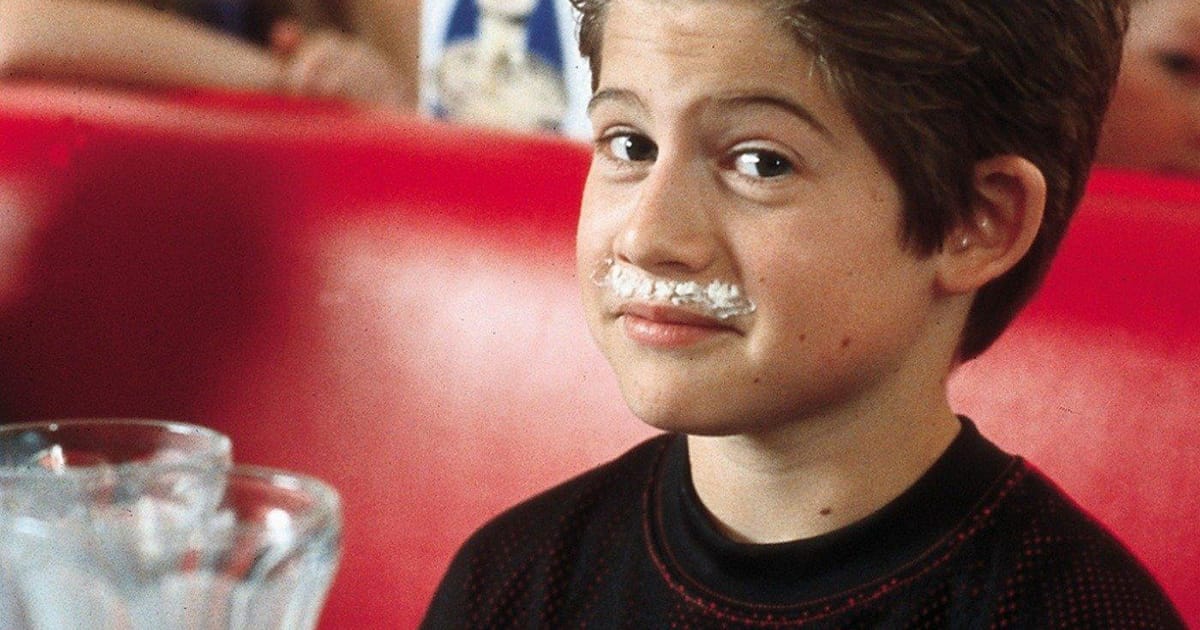

Some movies are prestige cinema. Others are a sugar-rush time capsule of locker slams, cafeteria chaos, and the
very specific early-2000s belief that if you can diagram it on paper, you can absolutely pull it off in real life.
Max Keeble’s Big Move is proudly in the second categoryand that’s exactly why people still talk about it.
Released in 2001 as a Disney kid-comedy with a “revenge week” premise, the movie follows seventh-grader Max Keeble:
a smart kid who’s tired of being everyone’s practice target. When Max learns his family is moving soon, he decides
this is his one and only chance to finally flip the scriptbecause, in his mind, he won’t be around to deal with
the fallout. (Spoiler: life loves a plot twist.)
This article is part ranking list, part opinion column, and part friendly reality check: revenge fantasies can feel
satisfying in movies, but real-life bullying and payback don’t wrap up in 86 minutes with a goofy grin. So we’ll
celebrate the comedy, talk honestly about what works and what doesn’t, and give you a rewatch roadmap that’s
actually funwhether you’re nostalgic, curious, or trying to figure out why this film lives rent-free in so many
brains.
Quick Refresher: What Max Keeble’s Big Move Is Really About
Max is a resourceful middle-schooler entering a new school year with a principal who seems like he was designed in
a lab to be “cartoonishly unfair,” plus bullies who treat compassion like it’s an elective. Max also has two loyal
best friendsMegan and Robewho balance out the chaos with actual heart.
The hook is simple: Max finds out he’s moving to a new city soon, so he uses his “last week” to stage a string of
elaborate pranks and set pieces aimed at the people who made his life miserable. The comedy escalates, the town’s
adults act like adults (sometimes), and Max eventually learns that consequences aren’t a thing you can cancel with
a change of address.
If that sounds like a junior-high wish-fulfillment story dipped in slapstick and rolled in candy coating… yes. That
is the point. The movie isn’t subtle. It’s a loud, bright, bouncy kids’ comedy that occasionally pauses to remind
you it’s also about friendship and integrity.
How These Rankings Work (So Nobody Starts a Food Fight in the Comments)
Rankings are subjective, which is a polite way of saying: someone will disagree. Great! That’s part of the fun.
Here’s how I’m scoring things:
- Entertainment value: Is it memorable, funny, or rewatchable?
- Story impact: Does it move the plot forward or deepen a character?
- Creativity: Is it clever, surprising, or uniquely “Max Keeble”?
- Message factor: Does it land without turning into a lecture?
Also, a small but important note: the movie plays bullying for comedy at times because it’s aiming for a family
audience. In real life, bullying can be serious and harmful. If you’re dealing with it, you deserve supportnot
“try a prank montage.”
Ranking #1: The 10 Most “Max Keeble” Moves (Cleverness Meets Chaos)
10) The “Plan on Paper” Mindset
Not a single prank yet, but it deserves a spot: Max’s greatest power is planning. He maps outcomes, anticipates
reactions, and treats junior high like a strategy game. Is it realistic? Not always. Is it delightfully confident?
Absolutely.
9) The Social Engineering Moments
Some of Max’s best work is less “splat” and more “nudge.” He understands that the school ecosystem runs on status,
fear, and rumor. When he redirects that flow, the results are funnier than a straight-up gag.
8) The “Bullies vs. Each Other” Redirect
This is classic comedy physics: instead of fighting the strongest force head-on, you let two forces collide and
step out of the way. The movie leans into this because it’s safer (and funnier) than Max throwing punches.
7) The Principal’s Public Humiliation (Small Dose)
The principal is portrayed as a full-on villain, so the film wants you to enjoy watching his ego get poked. The
best moments are the ones that expose hypocrisy without drifting into “cruel for sport.”
6) The Ice Cream Man Feud
Only this movie would treat an ice cream vendor like a comic-book nemesis. It’s absurd, it’s petty, and it works
because it’s played at the same volume as the rest of the film: maxed-out.
5) The “Friend Team-Up” Energy
Megan and Robe aren’t just sidekicks; they’re the grounding force that keeps Max from turning into the very thing
he’s trying to defeat. When the trio works together, the movie gets its best blend of humor and heart.
4) The Schoolwide Domino Effect
One of the smartest parts of the story is that Max’s actions don’t stay neatly contained. Chaos spreads. People
react. The school becomes a messy little ecosystem, and Max can’t control everything. That ripple effect is both
funny and narratively important.
3) The “Unmask the Big Bad” Angle
The film positions the principal as more than “mean adult.” He’s also tied to the bigger community stakes,
including what happens to the local animal shelter. That turns Max’s story from personal revenge to
“kid vs. corrupt system,” which is a pretty classic Disney move.
2) The “Max Isn’t Moving” Twist (The Consequences Era)
This is the engine that makes the whole movie work. The moment Max learns he’s staying, the fantasy collapses and
the story becomes about owning choices. Comedy-wise, it’s like someone yanks the rug out from under a running kid
(metaphoricallyno actual rugs were harmed).
1) The Final Stand: Turning Chaos Into Accountability
The top “move” isn’t a prankit’s Max choosing to face what he started and trying to fix it. The movie argues
that courage isn’t just revenge. It’s showing up when you’d rather disappear.
Ranking #2: Characters, Ranked by How Much They Make the Movie
7) The “Normal” Adults
In a heightened kids’ comedy, “normal adult” is basically background texture. Still, the parents matter because
they frame Max’s fear of being powerlessand his desire to finally feel in control.
6) Jenna (The Crush Factor)
Middle school movies require a crush subplot the way pizzas require cheese. It’s not the main reason anyone
rewatches the film, but it adds stakes that feel age-appropriate.
5) Dobbs (The Loud Bully Energy)
Dobbs is less subtle menace and more “walking disruption.” He’s part of the film’s cartoon logic, which makes him
more funny than frightening.
4) Troy (The Status Bully)
Troy functions as the classic “popular bully” archetype. He’s the kind of kid who weaponizes social power, which
is why Max’s plans often aim at reputation and exposure rather than brute force.
3) Robe (Comic Relief With a Backbone)
Robe’s whole vibe is “I look silly, but I’m loyal.” That’s a strong formula. He’s funny, but he also calls Max out
when Max starts drifting away from his friends. That makes him more than just a joke dispenser.
2) Megan (The Heart and the Brake Pedal)
Megan is the character most likely to say what the audience is thinking: “Okay, but is this actually a good idea?”
She’s the moral compass without being a buzzkill.
1) Principal Jindrake (A+ Cartoon Villain, No Notes)
The principal is unapologetically exaggeratedgreedy, vain, and weirdly theatrical about his power. In a movie
like this, you need a big target, and he’s basically a neon sign reading: “Comedic Comeuppance This Way.”
Ranking #3: The Best Set Pieces (Because This Movie Runs on Momentum)
5) The “First Day” Setup
The opening works because it’s instantly relatable: new year, new stress, same social hierarchy. The film wastes
no time establishing Max’s problem and why he’s desperate to change the game.
4) The Ice Cream Man Escalations
It’s the kind of comedic rivalry that only exists in kids’ movies and cartoons, which is exactly why it’s so
memorable. It adds a goofy “side quest” vibe to the main story.
3) The Principal’s “Image” Moments
Any scene where the principal tries to look impressive and ends up exposed is peak tone for this movie: bright,
broad, and built for “kids will laugh, adults will sigh.”
2) The Animal Shelter Stakes
Adding the animal shelter subplot gives the chaos a purpose beyond payback. It’s not just “gotcha” comedyit’s also
about protecting something vulnerable and calling out selfishness with power.
1) The Endgame Sequence (Payoff Parade)
The finale is where the movie cashes in all its setup: relationships, grudges, and the lesson that revenge without
responsibility is basically fireworks in your living room. Fun for a second. Not great long-term.
Opinions: What Holds Up, What Doesn’t, and Why People Still Rewatch
What Holds Up
-
The core fantasy: A kid who feels powerless gets to feel in controlwithout turning the movie
into something dark. -
The friendship dynamic: Megan and Robe keep the story from being a solo “revenge genius” show.
The emotional beats land because Max actually cares about them. -
The pace: The film moves quickly, like it’s late for a school bus. That helps the slapstick
feel energetic instead of exhausting.
What Doesn’t Hold Up as Smoothly
-
The cartoon logic: Some gags depend on adults acting unrealistically clueless. That’s fine for a
kids’ comedy, but it can feel extra “manufactured” on a modern rewatch. -
Bullying as punchline: The movie aims for a “never nasty” tone, but some viewers today will
still feel the sting of how casually bullying is used as a comedy engine. -
The scale of consequences: The story wants Max to learn a lesson, but it also wants to keep the
vibe light. So the accountability is more “Disney tidy” than “real-life messy.”
Why It Still Works Anyway
Even with its rough edges, Max Keeble’s Big Move scratches a very specific itch: the “I wish I could’ve
said something” itch. It turns that feeling into bright, silly spectacle, then tries to steer it toward a more
positive message: don’t become the bully you’re fighting.
It also has that early-2000s kids-movie texturebig faces, big reactions, broad villains, and a soundtrack vibe
that feels like it’s sprinting alongside the story. If you grew up with it, the nostalgia alone does half the work.
If you didn’t, it’s still a fast, harmless watch when you want something goofy and low-stakes.
Rewatch Tips: Best Ways to Enjoy It in 2025 Without Overthinking
- Watch it like a comic strip: It’s not realism; it’s punchlines and payoffs.
- Focus on the trio: The friendship scenes are the movie’s emotional backbone.
- Notice the “lesson” moments: They’re quick, but they’re what keep it from being mean-spirited.
- Know the content vibe: Expect slapstick, mild crude jokes, and middle-school chaos.
If you’re watching with family, it can also spark a surprisingly good conversation: what’s the difference between
standing up for yourself and humiliating someone? The movie lands closer to “be brave” than “be cruel,” even when
it takes a loud route to get there.
Extra: 500+ Words of Real-World “Max Keeble” Experiences (Without the Prank Montage)
The reason this movie sticks isn’t just the gagsit’s the feeling underneath them. Plenty of people remember
Max Keeble’s Big Move because it mirrors a very real middle-school experience: the moment you realize
you’re not just going to school to learn math. You’re going to school to survive a social ecosystem.
One common “Max Keeble” experience is the moving rumoreven if you never moved. Sometimes it was
real (“My dad got a job in another state”), and sometimes it was emotional (“I’m done with these people”). Either
way, the feeling is the same: I’m leaving, so what do I have to lose? The movie turns that thought into
comedy. Real life turns it into a crossroads.
Another shared experience is the fantasy comeback. Lots of people have that delayed-reaction
regret: you think of the perfect line in the shower three days later. Max is basically a character built out of
that regretexcept he gets to rewind time and deliver the comeback with props, timing, and a supportive soundtrack.
That’s why the film feels satisfying, even when it’s exaggerated.
There’s also the friendship stress test, which the movie nails more than it gets credit for.
Middle school friendships are intense because they’re often your whole world. When Max starts prioritizing his
“big move” agenda over Megan and Robe, it hits a nerve that’s real: you can be right about your feelings and still
wrong about how you treat your friends. A lot of viewers recognize that shift immediatelybecause they’ve been Max,
or they’ve been the friend watching Max drift away.
And then there’s the biggest one: the consequences surprise. Not always in a dramatic “plot twist”
way, but in the everyday way. You say something sarcastic. You post a joke. You make a “harmless” move to get even.
Then you realize the ripple traveled farther than you planned. That’s the most realistic emotional beat in the
movie: Max thinks he can exit the story before the bill arrives, and life says, “Nope, payment is due at the front
desk.”
For many people, a rewatch becomes less about “Haha, the principal got embarrassed” and more about remembering
what it felt like to be small in a big system. The movie’s most helpful takeaway isn’t “do what Max did.” It’s
the quieter message underneath the noise: you deserve respect, and you don’t have to become cruel to get it.
Standing up for yourself can look like speaking up, asking for help, staying close to your real friends, or refusing
to play the bully’s game.
In other words: the most “Max Keeble” thing you can do in real life is not a prank. It’s realizing you’re allowed
to take up spacewithout turning someone else into your punching bag.