
Histamine is one of those words that sounds like a villain in a superhero movie (“Beware… the His-ta-mine!”), but it’s actually a normal chemical your body uses every day. It helps with immune responses, stomach acid, and even brain signaling. The trouble starts when histamine builds up faster than your body can break it downespecially after certain mealsand you feel like your lunch is staging a tiny rebellion.
That’s where the low-histamine diet comes in. It’s often used as a short-term experiment to see whether dialing down high-histamine foods helps reduce symptoms that feel “allergy-ish” (without being a classic food allergy). But a big caveat right up front: histamine intolerance is still debated, and symptoms can overlap with other conditions. So think of this diet as a tool for detective worknot a lifelong punishment for enjoying leftovers.
First, what does “histamine intolerance” mean (and what it doesn’t)?
Histamine intolerance is generally described as a situation where the body can’t break down dietary histamine efficiently, leading to symptoms after eating histamine-rich foods. Some researchers point to diamine oxidase (DAO)an enzyme involved in breaking down histamine in the gutas a key player. If DAO activity is reduced, histamine may accumulate and trigger symptoms.
Important: This is not the same as a true food allergy. And it’s also not the same as histamine poisoning (like scombroid poisoning from spoiled fish), which is well documented and tends to hit fast and hard after eating improperly handled fish.
Also, not everyone agrees on how often histamine intolerance occurs, how best to diagnose it, or whether it explains all symptoms people attribute to it. That’s why many clinicians recommend working with a healthcare provider and/or dietitian before making major diet changesespecially if symptoms are frequent, severe, or affecting growth, energy, or daily life.
Why food lists get confusing fast
If you’ve ever searched “high-histamine foods,” you’ve probably seen lists that look like they were assembled by a committee where nobody agreed on anything (except maybe that wine is suspicious). There are a few reasons this happens:
- Histamine levels vary wildly depending on freshness, storage time, processing, and fermentation.
- Aged and fermented foods tend to accumulate more histamine over time.
- Some foods may not be high in histamine but can trigger histamine release (often called “histamine liberators”).
- Some foods contain other biogenic amines that may compete with histamine breakdown (making symptoms more likely for some people).
Translation: there isn’t one universally perfect “avoid” list. But there are patterns that show up across reputable clinical guidance and researchand those patterns can help you build a practical starting point.
The big three: foods most likely to cause trouble on a low-histamine diet
1) Fermented, aged, and “the longer it sits, the stronger it gets” foods
Histamine content generally increases with fermentation, aging, and spoilage. These are the foods that most often land on the “avoid or limit” list:
- Aged cheeses (think parmesan, blue cheese, brie, cheddar, gouda, feta)
- Fermented dairy (some yogurts, kefir, sour cream, buttermilkoften tolerated differently person to person)
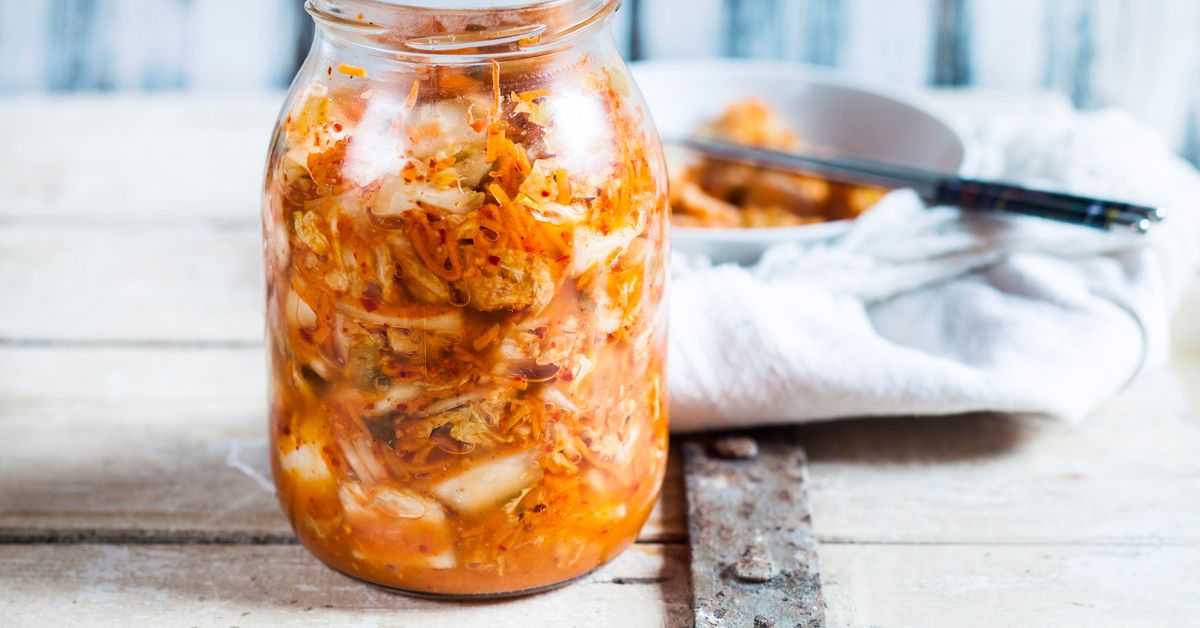
- Fermented vegetables (sauerkraut, kimchi, pickles, pickled anything)
- Fermented drinks (wine, beer, champagne; kombucha)
- Fermented soy (soy sauce, miso, tempeh, natto)
- Fermented grains (sourdough and other long-fermented breads)
Practical clue: If a food’s “flavor story” includes words like aged, cultured, cured, smoked, fermented, pickled, or barrel-aged, it’s probably not the first thing you test on a low-histamine plan.
2) Processed meats, preserved fish, and “mystery time” proteins
Protein foods can be tricky because histamine can rise as foods ageespecially if they’re processed, cured, or not stored quickly and safely.
- Cured/processed meats (salami, pepperoni, bacon, sausage, deli meats, jerky, hot dogs)
- Smoked or salted meats and many packaged meat snacks
- Canned or preserved fish (tuna, sardines, mackerel, herring)
- Shellfish (often listed as higher risk, especially if not extremely fresh)
Quick safety sidebar: Histamine poisoning (scombroid) can happen when certain fish (often tuna, mackerel, sardines) aren’t kept cold enough after being caught. That’s a food safety issuenot a food allergyand it’s one reason “freshness” is a big deal in histamine conversations.
3) Certain fruits, vegetables, and “histamine-liberator” suspects
Here’s where things feel unfair, because some of these foods are otherwise nutrition superstars. Commonly limited options include:
- Tomatoes (especially very ripe tomato products)
- Spinach
- Eggplant
- Avocado
- Citrus fruits (orange, lemon, lime, grapefruit)
- Bananas
- Strawberries
- Pineapple, papaya, kiwi (often listed as higher-risk)
Some of these may be higher in histamine, while others may be more likely to trigger histamine release or complicate breakdown in sensitive people. The key is that these foods are frequent “usual suspects”not automatic villains for everyone.
“Wait, do I have to avoid ALL of that forever?”
Noand please don’t. Many clinical resources emphasize that completely eliminating histamine is nearly impossible and overly restrictive diets can backfire (hello, nutrient gaps and food stress). A low-histamine diet is usually most helpful as a short-term elimination and reintroduction plan to identify personal triggers.
Think: temporary investigation, not permanent food exile.
A practical “foods to avoid or limit” checklist
If you want a cleaner starting point, use this grouped list. You don’t need to be perfectyou need to be consistent enough to notice patterns.
High-histamine or commonly problematic categories
- Alcohol: wine, beer, champagne (and mixed drinks that include fermented mixers)
- Aged/fermented dairy: aged cheeses, kefir, some yogurts, sour cream, buttermilk
- Fermented foods: sauerkraut, kimchi, pickles, vinegar-heavy foods
- Processed/cured meats: bacon, sausage, deli meats, jerky, salami
- Fish that isn’t very fresh: canned fish, smoked fish; leftovers that sat too long
- Condiments: soy sauce, miso, ketchup, mustard, vinegar-based dressings (often listed as triggers)
- Chocolate (yes, the heartbreak is real)
Produce often limited during a low-histamine trial
- Tomatoes, spinach, eggplant
- Avocado
- Citrus fruits
- Bananas, strawberries
- Pineapple, papaya, kiwi (commonly flagged)
- Dried fruit
Other “maybe” triggers some people test out
- Nuts: walnuts, cashews, peanuts (often flagged; tolerance varies)
- Legumes: beans, chickpeas, soybeans (especially canned)
- Additives: artificial colors/flavorings (reported triggers in some guidance)
- Spice blends: certain chili-heavy mixes, curry powders, and additives like MSG can be problematic for some people
Reality check: These lists are starting points. Your personal triggers may be a smaller subsetsometimes much smaller.
What to eat instead (so you don’t end up chewing on plain rice forever)
A low-histamine approach generally leans toward fresh, simply prepared foods. Many people start with:
- Fresh meats that haven’t been aged or processed (cook soon after buying; freeze if needed)
- Fresh or quickly frozen fish (freshness matters more here than almost anywhere)
- Gluten-free grains like rice, quinoa, buckwheat, millet
- Many vegetables (excluding common triggers like tomato/spinach/eggplant, at least during the trial)
- Non-citrus fruits often tolerated better (apples, blueberries, pears, mango, peachesdepending on the person)
- Simple fats: olive oil and many basic cooking oils
If dairy works for you, some people tolerate fresh, non-aged cheeses (like certain soft cheeses) better than aged ones. But this is very individualso it’s a “test carefully” category.
How to try a low-histamine diet without turning meals into a full-time job
Step 1: Pick a short trial window
A common approach is 1–2 weeks of lowering high-histamine foods while keeping meals simple and repeatable. The goal is not perfectionit’s clarity.
Step 2: Track the boring details that matter
- What you ate (and how fresh it was)
- Time of day
- Portion size
- Symptoms and timing
- Stress, sleep, and exercise (yes, these can muddy the water)
A food-and-symptom diary can help you spot patterns you’d never remember laterbecause no one has a good memory when they’re tired and annoyed at a banana.
Step 3: Reintroduce strategically
After a steady trial period, add back one category at a time (for example: tomatoes first, then citrus, then aged cheese). Give each test a couple of days so you can see a pattern instead of one random bad Tuesday.
Step 4: Build your “personal safe list”
The win isn’t staying ultra-restricted. The win is finding the smallest set of changes that makes you feel better while keeping your diet nutritious and enjoyable.
Freshness rules: the overlooked part of low-histamine eating
If there’s one low-histamine habit that tends to help the most, it’s this: treat time like an ingredient. Histamine can rise as food sitsespecially proteins.
- Cook soon after buying, especially meat and fish.
- Freeze leftovers promptly instead of letting them camp in the fridge for days.
- Avoid “mystery age” deli meats and buffet foods that may have been sitting out.
- Be picky with fish: fresh or properly frozen is the safer bet.
Your refrigerator is not a time capsule. It is not “aging” food like a fine cheese. It is merely postponing consequences.
Who should be extra careful before trying this diet?
A low-histamine diet can be restrictive. It may not be a great idea to DIY it without support if you:
- Have a history of disordered eating or high anxiety around food
- Are still growing and need reliable calories and nutrients (teens, especially)
- Have chronic GI symptoms that could have other causes
- Are managing multiple medical conditions or complex diets already
If symptoms are significantespecially breathing issues, fainting, severe hives, or rapid swellingseek medical care right away. Those can be signs of a true allergic reaction or another urgent issue.
Common questions people Google at 2 a.m.
Is a low-histamine diet scientifically proven?
The evidence is mixed. Some people report improvement, and some studies suggest certain symptoms can improve with a histamine-lowering approach. But there’s also a lack of standardized food lists and a lot of individual variability. Many experts emphasize that symptoms blamed on histamine may actually come from other conditionsso it’s important to rule out other causes.
Can I “never eat histamine again”?
Not realisticallyand not necessary. Histamine exists in many foods and your body also produces it. The goal is usually to find your threshold and your personal triggers.
Do I have to avoid healthy foods like fermented foods forever?
Often, no. Many people use the diet temporarily, then reintroduce foods in a targeted way. For some, it’s less about “never” and more about “not daily, not in huge amounts, and not when my body is already stressed.”
Conclusion
If you’re exploring a low-histamine diet, the main foods to avoid (at least during a short trial) usually include aged/fermented foods, alcohol, processed meats, canned or not-super-fresh fish, and a handful of commonly flagged fruits and vegetables like tomatoes, spinach, eggplant, citrus, bananas, strawberries, and avocado. Freshness and storage mattera lotand strict long-term restriction usually isn’t the goal.
The best outcome is a personalized plan: fewer symptoms, a wider food variety, and a clearer understanding of what your body actually reacts to. If you can, work with a clinician or registered dietitian to keep the process safe, balanced, and way less stressful than it needs to be.
Real-Life Experiences (and What They Teach You)
Because food is never just foodit’s routines, celebrations, school lunches, and the occasional “I forgot my meal-prep container on the counter” momentpeople’s real-life experiences with low-histamine eating tend to follow a few recurring storylines. Here are common patterns many people describe, plus what you can learn from them without turning your life into a spreadsheet (unless you love spreadsheetsno judgment).
The “It Wasn’t the Food, It Was the Timing” moment
A lot of people notice they can tolerate certain foods sometimes, but not others. For example, someone might handle a small serving of tomato sauce on a relaxed weekend, then feel awful after the same meal during finals week, after poor sleep, or when they’re already dealing with GI flare-ups. The takeaway: your histamine “bucket” may fill faster when your body is stressed. That’s why tracking sleep, stress, and activity alongside food can reveal patterns you’d miss if you only focus on ingredients.
The “Leftovers Betrayed Me” plot twist
One of the most surprisingly common experiences is realizing that the same meal can hit differently depending on how long it sat. People often report feeling fine after freshly cooked chicken and rice, but not fine after the same chicken two days later. This is why many low-histamine guides emphasize freshness and freezing leftovers quickly. A practical trick people like: make a big batch, then freeze single portions right away so you’re not stuck choosing between hunger and “mystery fridge time.”
The “Healthy Foods I Loved… why?!” heartbreak
Many people feel genuinely annoyed that fermented foods, spinach, avocado, and citrusfoods usually praised in “eat clean” cultureshow up on low-histamine avoid lists. Real-life experience often teaches a gentler truth: you’re not “bad” at healthy eating, and those foods aren’t “bad” foods. You’re just running a short-term test to figure out what your body tolerates right now. Plenty of people find they can reintroduce some of these foods later, or tolerate them in smaller amounts, or do best when they avoid only one or two key triggers (like aged cheese or alcohol) rather than cutting everything flagged on the internet.
The “Restaurant Roulette” lesson
People trying low-histamine eating often say the hardest part is eating outnot because restaurants are “bad,” but because you can’t control freshness, marinades, sauces, or how long something sat prepped in a fridge. A common strategy is choosing simpler meals: grilled meat or fish (very fresh if possible), plain rice or potatoes, and steamed vegetables (skipping tomato-based sauces and vinegar-heavy dressings). Many people also learn to ask one low-key question that helps: “Is this made fresh today?” It’s not a magic spell, but it can reduce surprises.
The “I got better… but I got too strict” warning
Some people report feeling better quickly when they cut high-histamine foodsbut then they keep cutting and cutting until their diet becomes tiny, stressful, and nutritionally shaky. This is one of the biggest real-world risks of restrictive plans: improvement can accidentally reinforce unnecessary restriction. The experience-based takeaway is huge: aim for the least restrictive plan that works. Reintroductions matter. Professional guidance matters. And your end goal is a sustainable diet that supports your energy, mood, and overall healthnot a lifetime ban on flavor.
The “My trigger wasn’t on the list” surprise
Another common story is discovering that a “safe” food wasn’t safe for them. Someone might react to a spice blend, a flavored drink, or a specific packaged snack even if it’s not traditionally high in histamine. Experiences like this are why a food diary can be more powerful than any master list. Your body is the final editor.
Overall, real-life experiences point to a balanced approach: start with the biggest, most consistent triggers (aged/fermented foods, processed meats, alcohol, not-fresh fish, and a few commonly flagged produce items), focus on freshness, track patterns, then reintroduce thoughtfully. It’s less dramatic than a “forever diet,” but it’s far more likely to actually help.