
There are two kinds of people in this world: people who have lost their wheel lock key, and people who
will lose their wheel lock key. If you’re reading this, congratsyou’ve joined the club nobody asked to
be in. The good news? This is usually fixable without drama, damage, or a viral “I did a thing” video that ends
with a tow truck.
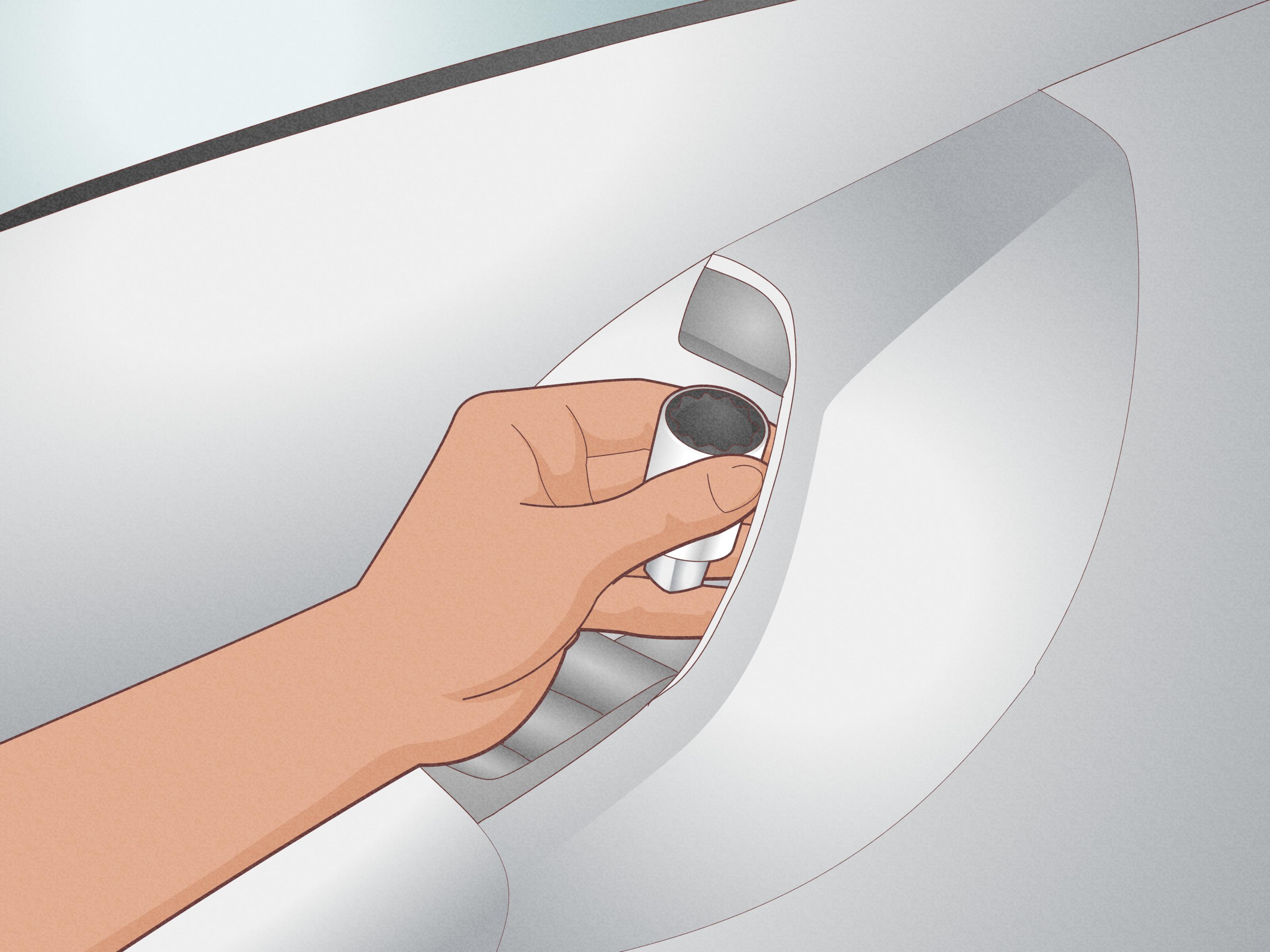
Wheel locks (also called locking lug nuts or locking wheel nuts/bolts) are designed to slow down wheel theft by
requiring a special “key” socket to remove one lug on each wheel. That tiny patterned socket is incredibly easy
to misplace… right up until you get a flat tire, need new tires, or roll into a shop for a rotation and suddenly
realize you’ve been living dangerously.
Below are the safest, most practical, and most “please don’t destroy my wheels” optionsplus a few tips to keep
this from happening again.
First, Don’t PanicConfirm the Key Isn’t Just “Relocating”
Before you assume your wheel lock key has vanished into the same dimension as missing socks, do a quick (but
thorough) sweep. People often store the key “somewhere logical,” which means it could be anywhere.
Common places the wheel lock key hides
- Glove box (often the #1 hiding spot)
- Center console or door pocket
- Trunk tool kit (near the jack, wrench, or spare tire tools)
- Spare tire well under the cargo floor
- Little pouch that came with your roadside tools
- With paperwork: owner’s manual packet, tire receipts, or a small ID/registration card from the lock brand
If your car came with an original equipment (OEM) lock set, the key is frequently stored with the factory tools.
If the locks are aftermarket, the key might have lived in the glove box “just for now” for the last three years.
(Spoiler: “just for now” is a powerful spell.)
Figure Out What Type of Wheel Lock You Have (Because That Changes Everything)
The best solution depends on the kind of lock on your wheels. Some are OEM, some are aftermarket, and some are
“tuner-style” lug nuts that use a special socket that’s more about fitment than theft prevention.
Quick identification clues
- OEM locks (often McGard-made): Common on many new cars; you may have received a small ID/registration card.
-
Aftermarket locks (McGard, Gorilla, etc.): Usually installed by an owner, dealer add-on, or wheel shop.
May include a registration number sticker/card from the manufacturer. -
Spline/tuner-style lug nuts: Often paired with aftermarket wheels; the “key” can be a specific spline socket
for that lug set.
Why this matters: true wheel locks typically require the correct pattern-specific key, and replacement keys often
require a registration number to prove you’re ordering the right part. Tuner/spline keys can sometimes be replaced
more easily if you know the brand or part numberbut you still want the correct match to avoid stripping anything.
Option 1: Order a Replacement Key From the Manufacturer (Best for “I Want the Right Key” People)
If you can identify the lock brand, ordering the proper replacement key is usually the cleanest pathespecially
if you’d like to keep the wheel locks installed for theft deterrence.
If your locks are McGard
Many OEM wheel locks are McGard, and McGard sells replacement keys directly. Typically, you’ll need the
McGard ID registration number found on the ID card/sticker that came with the set. If you can’t find the card,
McGard advises checking the glove compartment because it’s the most common storage spot, and contacting customer
service if the card is missing. Replacement ordering is commonly done online, by phone, or by mail, and standard
shipping is often described as allowing about a week or so for delivery.
If your locks are Gorilla
Gorilla also sells replacement keys, and the process usually centers on a key registration number that came with
your set. If you don’t have that registration number, Gorilla directs customers to contact them for help. Translation:
if you kept the little sticker/card, you’re a hero; if not, you’re still okayyou just have one more step.
What you’ll typically need to order a replacement
- The brand name (McGard, Gorilla, etc.)
- The lock’s registration number (from an ID card/sticker/label)
- Your vehicle information (often VIN helps when dealing with OEM/dealer-installed sets)
- Payment and shipping address
Heads up: replacement keys are intentionally not “one-size-fits-all.” That’s the whole point of the lock. If a
website promises a magic universal key that fits everything, treat it like a “limited-time offer” for a bridge.
Option 2: Call Your Dealership (Best for “I Need This Solved Today” People)
If the wheel locks are original equipment (installed by the manufacturer or included as a dealer accessory), your
franchised dealership may be able to help quicklysometimes even the same day. Some dealerships have master sets
or established processes to identify and service OEM wheel locks.
What to do before you go
- Call first and ask if they can service OEM wheel locks without the key.
- Ask what documentation they require (often registration, photo ID, and the vehicle present).
- Ask whether they can replace the key, remove the locks, or swap to standard lug nuts.
Expect the service department to treat this like a normal Tuesdaybecause for them, it is. For you, it’s an
emotional thriller starring a missing socket. For them, it’s “we see this all the time.”
Option 3: Visit a Tire Shop or Mechanic (Best for “Please Handle This, I Like My Wheels” People)
A reputable tire shop or mechanic is often the most practical solution, especially if you’re already there for
tires, a rotation, brakes, or anything wheel-adjacent. Shops deal with missing wheel lock keys regularly.
What a good shop can usually do (without your key)
- Identify whether the locks are OEM vs aftermarket
- Determine if they have a matching key on hand (sometimes possible with common OEM patterns)
- Advise whether ordering a replacement key is the best next step
- Offer a plan to replace the wheel locks with standard lug nuts if you don’t want locks anymore
Important safety note: You’ll find “DIY no-key removal” tricks online. I’m not going to walk through those.
Wheel locks are anti-theft hardware; bypass instructions can be misused, and the DIY versions often end in damaged
wheels, broken studs, or injuries. If you’re the owner and need the locks removed, let a professional handle it.
Also, if a shop removes locks without the original key, you may need to replace the locks afterwardbecause the
removal process can damage them. Plan for new locks (or standard lug nuts) so you’re not stuck in the same loop next
time you need service.
Option 4: If You’re Stuck on the Road With a Flat, Choose “Safe” Over “Heroic”
Losing your wheel lock key is inconvenient. Losing it during a flat tire is inconvenient plus a side of “why
does the universe hate me?” If you cannot remove the wheel because the lock key is missing, your best options are:
- Roadside assistance (they may tow you to a shop if the wheel can’t be removed safely)
- Tow to a tire shop (especially if you’re in an unsafe location)
- Move to a safer spot if the tire is holding air enough to roll slowly (only if it’s safe and legal to do so)
Prioritize visibility and stability: get out of traffic, turn on hazard lights, set the parking brake, and avoid
crawling around a vehicle in a risky area. Tire safety organizations emphasize regular tire maintenancepressure,
tread, and damage checksbecause emergencies are when things get dangerous fast.
Option 5: Replace the Wheel Locks Entirely (Best for “Never Again” People)
Some drivers decide that wheel locks aren’t worth the hassle. Others love them because they park in areas where
wheel theft is a real concern. Either way, losing the key is a chance to choose your future.
When replacing the locks makes sense
- You bought the car used and have no lock paperwork
- You don’t want to wait for a replacement key to ship
- You’d rather switch to standard lug nuts (simpler service going forward)
- Your locks are worn, damaged, or inconsistent across wheels
If you do keep locks, consider these upgrades
- Order a spare key immediately after you get a replacement
- Register the ID card (so ordering another key later is easier)
- Standardize your locks (same brand/set on all wheels)
What Not to Do (Unless You Enjoy Stress Shopping for New Wheel Studs)
The two fastest ways to turn a missing-key problem into a big repair bill are: (1) forcing things, and (2) using
the wrong tools.
Avoid these common mistakes
-
Don’t use brute force or random sockets. The wrong fit can round hardware, crack the key pattern,
and make professional help harder (and pricier). -
Be cautious with impact tools. Auto parts and service guides commonly warn that impacts can strip or damage
lug hardware and specialty keys if used improperly. -
Don’t ignore torque. Over-tightened lug nuts (or locks) make everything harder later. Many tire shops will
check torque after service, and some offer re-torque checks. -
Don’t treat your lock key like a souvenir. It should live in a consistent “home,” not rotate through
pockets, cupholders, and the shadow realm.
How to Prevent This Problem Next Time
Once you’re back in control of your wheels (emotionally and mechanically), take five minutes to future-proof your
setup. It’s the cheapest insurance you’ll buy all year.
Simple prevention checklist
- Pick one storage spot for the key (ideally with your jack/tools so it’s available during a flat)
- Register your lock set if the manufacturer offers it (especially for replacement ordering)
- Keep the registration number somewhere safe (photo, note, or stored with important documents)
- Buy a spare key and store it at home (not in the car)
- Ask your shop to hand-tighten and torque to specespecially if you have specialty keys
-
Do routine tire checks (pressure, tread, damage) so you’re less likely to be dealing with this on the
side of the road
Tire safety guidance from major safety organizations consistently emphasizes monthly inspectionspressure, tread wear,
and visible damagebecause small maintenance habits reduce roadside emergencies. Fewer emergencies means fewer
“I can’t find my wheel lock key” moments at 10:47 p.m. in the rain.
FAQs
Can I drive if I lost my wheel lock key?
Yes. The key is only needed to remove the locked lug. Driving is typically fine as long as the wheels are secure.
The problem shows up when you need service: tire rotations, brake work, alignments, flats, or new tires.
How long does it take to get a replacement key?
It depends on the manufacturer and shipping method. Some manufacturers describe standard delivery windows around a
week or so. If you need it urgently, a dealership or tire shop may be faster than waiting for mail delivery.
Will a shop remove my wheel locks without the key?
Many shops can help owners solve this, but processes vary. Some will require the vehicle present and proof of
ownership. In some cases, the locks may need to be replaced afterward.
Should I keep wheel locks at all?
Wheel locks can deter opportunistic theft, especially in higher-risk areas. But they’re not magic. If you keep them,
protect yourself from the “lost key” problem by registering the set and keeping a spare key.
Afterword: Real-World Experiences (a 500-Word Reality Check)
If you want to understand why losing a wheel lock key feels so dramatic, it’s because the problem usually shows up
when you’re already having a day. Nobody wakes up refreshed, sips coffee, and says, “Today feels perfect for a mild
automotive inconvenience.”
A common scenario: you schedule a quick tire rotation on your lunch break. You arrive five minutes early (rare),
feel proud of your adulting, and then the service advisor asks, “Do you have your wheel lock key?” You confidently
say yes, because you’ve seen it before. Somewhere. Probably. Eventually. Twenty minutes later, you’re excavating the
glove box like an archaeologist, pulling out old napkins, a mysterious charger, and a parking receipt from 2022 that
proves nothing except that you once paid $18 to park near a burrito place.
Another frequent experience: the flat tire. The tire itself is bad enoughnow you’re crouched by the trunk, trying
to remember how the spare tire kit works, while your brain loudly repeats, “I definitely had that key.” You
didn’t. Or you did, but Past You put it in a “safe place,” which is code for “a place Future You will never check.”
This is why people end up calling roadside assistance and feeling oddly relieved when a tow truck shows upbecause
the situation is now officially someone else’s problem.
People who buy used cars have their own special version of this story. The locks were installed before you owned the
car, the key may have walked off with the previous owner’s collection of spare remotes, and the paperwork is a
mystery. In that case, the emotional journey often goes: “I’ll just order a replacement” → “I need a registration
number” → “I do not have a registration number” → “Okay, dealership it is.” The upside is that dealerships and tire
shops see this all the time, so the conversation is usually calmer than you expect. The downside is realizing you
could have avoided the whole thing by checking for that tiny ID card the first week you owned the car.
The most helpful “wish I’d done this sooner” tip that pops up again and again is simple: once you get a working key,
order a spare and give the key a permanent home. It’s not glamorous. It won’t get likes. But it will prevent the
next surprise service appointment from turning into an unscheduled scavenger hunt.
In other words: treat your wheel lock key like your house key. Not because it’s sentimental, but because losing it is
always inconvenientand almost never happens at a convenient time.
Conclusion
Losing your wheel lock key is annoying, but it doesn’t have to become expensive or destructive. Start by searching
the usual hiding spots, then choose the most “clean” solution: order a manufacturer replacement if you have the
registration info, contact the dealership if the locks are OEM, or let a reputable tire shop handle it if time is
tight. And once you’re back to a working key, take the tiny extra step that saves future you: register the set and
stash a spare.