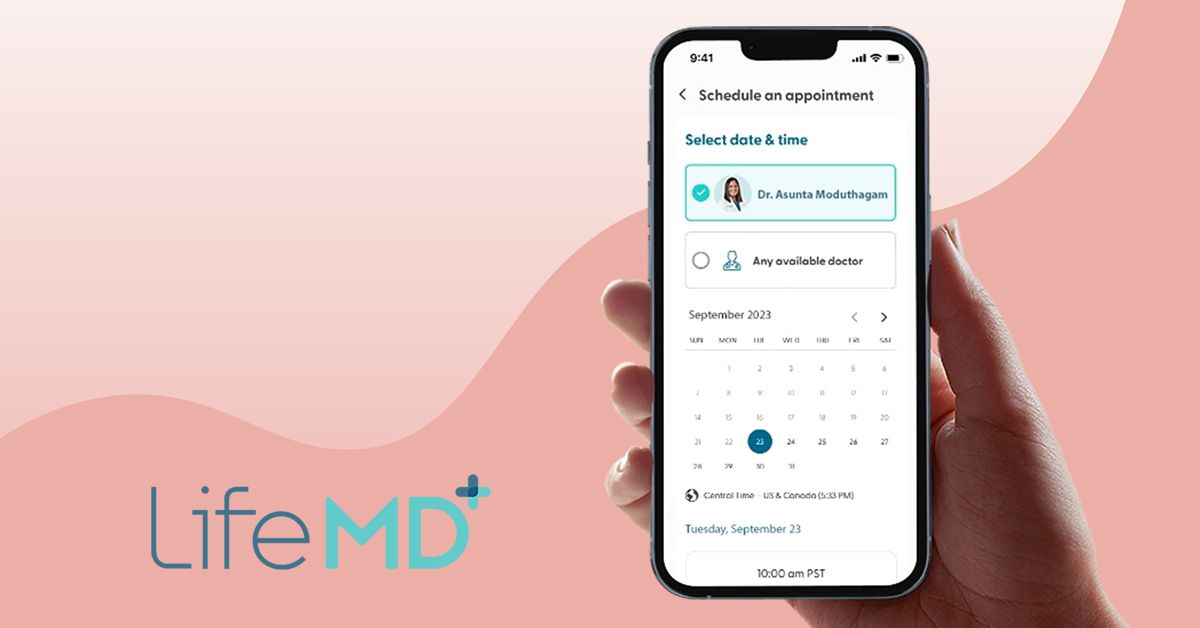

Telehealth has gone from “nice-to-have” to “how did we ever live without this?” in just a few years.
LifeMD is one of the companies trying to turn that convenience into a full-on virtual clinic, offering
everything from primary care to GLP-1 weight loss meds you’ve probably seen splashed across the news.
But is LifeMD actually a good deal once you factor in the cost, medications, and membership plans – or
does the fine print ruin the vibe?
In this in-depth LifeMD review, we’ll break down how the service works, what you’re really paying for,
which medications you may access, and what real users say about the experience. By the end, you’ll have a
good sense of whether LifeMD fits your health goals or if you’re better off with a local clinic or a
different telehealth provider.
What Is LifeMD?
LifeMD is a U.S.-based direct-to-patient telehealth company that connects people with licensed medical
professionals online. Instead of driving to a doctor’s office, you use your phone or computer to book
visits, talk to a provider, and manage ongoing care. The company positions itself as a “virtual primary
care” and specialty platform rather than a one-off urgent care app.
LifeMD services currently span more than 200 conditions, with common focus areas such as:
- Primary and urgent care (for everyday issues like infections, refills, minor illnesses)
- Weight management, including GLP-1–based and oral medications
- Men’s and women’s health (sexual health, hormonal issues, and more)
- Dermatology (acne, rashes, other common skin conditions)
- Mental health support in certain states or programs
Visits typically happen through video or phone, and prescriptions can be sent to a partner pharmacy or
your preferred local pharmacy when appropriate and clinically safe.
How LifeMD Works
1. Membership and account setup
LifeMD operates on a membership model. You create an account, enter your health history, and choose a
program or service line (for example, weight management or primary care). For most services, you’ll need
an active membership to access providers, messaging, and follow-up care.
2. Virtual consultation
Next, you schedule a telehealth visit with a board-certified physician or other qualified clinician.
During the consult, you talk through symptoms, health goals, and your medical history. For weight
management programs, expect a deeper conversation about lifestyle, prior diets, medications, and
potential risks of GLP-1 or other drugs.
3. Care plan and prescriptions
If the provider decides treatment is appropriate, they’ll create a personalized plan. That could include:
- Medications (for example, GLP-1 injectables for weight loss, if you qualify)
- Lab tests or blood work, especially before starting higher-risk medications
- Lifestyle recommendations, such as nutrition targets or activity goals
- Follow-up visits or check-ins to track progress and side effects
Prescriptions can be routed through LifeMD’s pharmacy partners or, in many cases, to a pharmacy of your
choice. Medication costs are separate from membership fees, which is a key detail to understand before you sign up.
4. Ongoing membership benefits
With an active membership, you can typically:
- Book follow-up visits with your provider
- Use secure messaging for non-urgent questions
- Adjust medications or dosages as needed under medical supervision
- Access different service lines (for example, addressing a sinus infection while in a weight program)
In theory, that turns LifeMD from a “one appointment and done” platform into something closer to a
virtual medical home – as long as you keep paying the membership fee.
LifeMD Cost: Memberships, Visits, and Medications
LifeMD pricing can look confusing at first because there are multiple layers: membership, program fees,
and the actual cost of medications and labs. Let’s unpack each piece.
LifeMD Plus membership pricing
For general primary care access, LifeMD offers a membership tier often referred to as LifeMD Plus. Public
information indicates this membership is typically around $19 per month and gives you access to virtual
visits with LifeMD providers, plus discounts on certain services. Exact benefits can vary by state and
current promos, so always check the current membership page before signing up.
Weight management program costs
LifeMD’s weight loss program has gotten the most attention, largely because of GLP-1 medications like
semaglutide (the active ingredient in drugs such as Wegovy and Ozempic). The cost here has two major parts:
- Program membership fee. Recent information suggests LifeMD’s weight management
membership starts around the mid-$70s per month when billed on an annual plan, with older marketing
materials showing prices closer to $79–$129 per month depending on whether you’re using GLP-1 injections
or oral medications. These fees typically cover access to the clinical program, follow-ups, and support –
but not the medication itself. - Medication cost. The GLP-1 drugs are normally billed separately. Depending on your
insurance, these can be very expensive if you pay full retail prices. LifeMD offers help navigating
insurance coverage and, in some cases, cash-pay options or manufacturer savings programs.
In late 2025, LifeMD announced a collaboration with Novo Nordisk allowing new patients to access the two
lowest doses of Wegovy or Ozempic for about $199 per month for the first two fills, cash-pay, which is
significantly lower than typical list prices. That discount is time-limited and dose-specific, but it’s a
meaningful change for people who don’t have coverage.
Other potential fees
Beyond the headline membership price, you may encounter other costs, including:
- Initial and follow-up visit fees (sometimes included, sometimes discounted, sometimes separate)
- Lab work (blood tests, metabolic panels, etc.) ordered through local or partner labs
- Non-weight-loss medications for primary care, dermatology, or other conditions
Insurance coverage plays a big role. Some users can apply their insurance toward visits, labs, or
medications; others pay entirely out of pocket. It’s wise to confirm coverage with your plan and ask
LifeMD about typical total monthly ranges for your specific program.
Sample cost scenarios (for ballpark only)
Real numbers will vary, but here’s what a typical month might look like:
- Weight loss with GLP-1, insured: Membership fee (around $75–$100/month) + copay or
coinsurance for the GLP-1 prescription + lab copays. Your total might be under $200/month if your plan
is generous, or substantially more if it isn’t. - Weight loss with GLP-1, cash-pay discount: Membership + approximately $199/month for
early GLP-1 doses (under the new discount) + labs. This can still be several hundred dollars per month,
but often lower than retail pharmacy prices. - Primary care only: LifeMD Plus membership (~$19/month) + any visit fees or medication
copays through your regular pharmacy.
The bottom line: LifeMD isn’t the cheapest option on earth, but for many people it’s less expensive and
more convenient than frequent in-person specialist visits – especially for ongoing weight management and
chronic care.
Medications Available Through LifeMD
The exact medication list depends on your state, your health history, and your individual provider’s
judgment. LifeMD is not a “pill vending machine” – clinicians still have to decide if a drug is medically
appropriate for you.
Common categories of medications that may be prescribed through LifeMD include:
- GLP-1 weight-loss medications such as semaglutide-based products (e.g., Wegovy, Ozempic)
for eligible patients meeting clinical criteria. - Other weight management medications (for appropriate candidates) like certain oral
appetite suppressants or metabolic agents, following standard medical guidelines. - Primary care medications such as antibiotics, inhalers, blood pressure meds, or
cholesterol-lowering drugs when clinically indicated. - Dermatology treatments, including topical creams or oral meds for acne, rashes, and
other common conditions. - Men’s and women’s health therapies, such as medications for erectile dysfunction,
birth control options, or hormone-related concerns, where appropriate.
You still need a proper evaluation. If you’re hoping to join LifeMD purely to “get Ozempic fast,” keep in
mind that responsible clinicians will check your history, medications, and lab work, and may decide a
different path makes more sense.
LifeMD Plans and Programs
LifeMD structures its services into multiple programs, each with its own pricing and expectations. The
main buckets you’re likely to see include:
LifeMD Plus (general membership)
Designed for ongoing virtual primary and urgent care. You pay a relatively low monthly membership and get
access to providers for everyday health needs. This is the closest thing LifeMD has to a traditional
“virtual clinic” model.
Weight management program
The weight program is more intensive. It usually includes a structured onboarding process, more frequent
follow-ups, and a tailored plan that may feature GLP-1 or other medications. Because it can involve
high-demand drugs and more monitoring, the membership fee is higher than basic primary care.
Focused specialty programs
In addition, LifeMD runs focused offerings in areas like dermatology or men’s health. These may come with
separate pricing or bundling options, depending on the current structure of the platform.
From an SEO perspective, the key takeaway is that “LifeMD cost” isn’t one number – it’s a stack of
memberships, visit fees, and medication expenses that change depending on which program you join.
Pros and Cons of LifeMD
LifeMD pros
- Convenience. Same-day or next-day virtual appointments mean less time in waiting rooms
and more time living your life. - Broad scope of care. With over 200 conditions covered, you can often handle primary care,
weight management, and basic dermatology under one roof. - Structured programs. Membership models can encourage follow-up and continuity of care
instead of one-off “urgent care only” visits. - Security and compliance. LifeMD emphasizes HIPAA-compliant systems and encrypted
communication, which is crucial when you’re talking about sensitive medical issues online. - Emerging medication discounts. Collaborations around GLP-1 pricing can significantly
lower out-of-pocket costs for some patients, at least for early doses.
LifeMD cons
- Subscription confusion. Some users report surprise charges or frustration with
cancellation processes, especially if they didn’t fully understand the membership model. - Billing and customer service complaints. Better Business Bureau profiles show hundreds
of complaints over the years, often centered on refunds, auto-renewals, or communication issues, even
while the company maintains accreditation. - Not all care is included. Membership fees don’t include most medications and sometimes
don’t include all visit types or labs, which can add up. - Heavily medication-forward weight program. Compared with some competitors that emphasize
intensive coaching, some critics argue LifeMD leans more on prescriptions than on deep behavioral change
support. - Telehealth limitations. As with any virtual clinic, some things simply require in-person
exams, imaging, or procedures that LifeMD can’t replace.
Who Is LifeMD Best For?
LifeMD may be a good fit if you:
- Prefer virtual visits and don’t want to juggle multiple in-person appointments
- Are interested in medically supervised weight management with access to GLP-1 or other medications
- Have a relatively straightforward medical history and mainly need ongoing primary care and chronic
disease management - Are comfortable with subscriptions and understand that medications and labs cost extra
It may not be ideal if you have highly complex conditions requiring frequent hands-on exams, you dislike
subscriptions, or you’ve had poor experiences with auto-renewing services in the past.
How LifeMD Compares to Other Online Clinics
LifeMD competes with a growing list of telehealth and weight-loss platforms. Some services emphasize
intensive coaching, frequent check-ins, and detailed lifestyle tracking. Others are basically “prescription
access portals” with minimal follow-up.
LifeMD sits somewhat in the middle: more structured than quick-hit prescription sites, but still very
focused on efficient access to medications and virtual visits. Competitors may offer:
- Lower program fees but fewer visit options
- More robust behavioral or nutrition coaching for weight loss
- Different GLP-1 pricing structures, especially via in-house pharmacies or employer plans
If you’re primarily comparing “LifeMD cost vs. other GLP-1 programs,” it’s worth running the math on:
- Total monthly cost (membership + meds + labs)
- How much human support you get (coaching, check-ins)
- Cancelation policies and customer service reputation
Safety, Insurance, and Privacy
LifeMD emphasizes that it uses HIPAA-compliant systems and encrypted communication to protect patient
data. That’s standard in reputable telehealth, but still important: you want your GLP-1 questions and
sexual health conversations nowhere near a data leak.
Insurance is more complicated. Some LifeMD services may be partially covered by insurance, while others
are strictly cash-pay. GLP-1 coverage varies a lot between plans and employers. Before signing up, it’s
smart to:
- Call your insurance provider and ask how they handle telehealth visits and GLP-1 coverage
- Ask LifeMD what portion of your plan is typically reimbursable
- Budget for at least the membership fee + some portion of medication and labs out of pocket
And as always: any telehealth service, including LifeMD, should complement – not replace – emergency and
in-person care when it’s genuinely needed.
Bottom Line: Is LifeMD Worth It?
LifeMD offers a reasonably comprehensive telehealth platform with particular strength in weight
management and ongoing primary care. Its main selling points are convenience, broad service coverage, and
the potential to access in-demand medications like GLP-1s with coordinated insurance or cash-pay options.
On the flip side, membership pricing can feel confusing, and there’s a noticeable pattern of complaints
about billing and cancellation. For people who carefully read the fine print, understand that medications
are extra, and are comfortable with a subscription model, LifeMD can be a useful part of their healthcare
strategy. For those who hate memberships or want heavy lifestyle coaching rather than medication-forward
plans, another provider might be a better match.
If you’re considering LifeMD, think about your goals: Are you mainly looking for easier access to a
doctor, or specifically targeting weight loss with GLP-1s? Then compare LifeMD’s estimated total cost
against alternatives – including local clinics, employer programs, and other telehealth services – before
you commit.
Real-World LifeMD Experiences: What Users Report
Numbers and price tables tell part of the story, but actual LifeMD experiences add important context.
Online reviews and ratings show a pretty mixed picture – not a disaster, but not an instant “just sign up,
everything’s perfect” either.
Let’s start with the positives. Many users praise their individual clinicians, especially in the weight
management program. People describe providers as “kind,” “thorough,” and “non-judgmental,” which matters
a lot when you’re talking about sensitive topics like weight, sexual health, or chronic conditions. Some
reviewers say LifeMD helped them finally get GLP-1 medications after struggling to find a local doctor
who would take their concerns seriously. Others highlight how quickly they were able to book a visit and
get a structured plan in place, compared with waiting weeks for a traditional office appointment.
Several positive reviews also mention staff professionalism and responsiveness. Users talk about care teams
following up on lab results, checking in on side effects, and adjusting dosages when needed. For busy
adults juggling work, family, and everything else, this kind of “we’ll ping you, not the other way around”
model can be a relief.
On the flip side, there are consistent complaints – and they’re mostly about money, not medicine. A common
theme is confusion over the subscription nature of the service. Some people sign up assuming they’re paying
for a one-time visit, only to discover recurring monthly charges. Others say they canceled but were still
billed for additional months, or had to make multiple contacts to resolve billing questions. It’s worth
noting that LifeMD is accredited by the Better Business Bureau but also has hundreds of complaints logged,
many of them surrounding refunds or unexpected charges.
App store reviews echo this split personality: strong praise for individual doctors, frustration with
customer service and billing. Some users warn prospective patients to read all the terms, set reminders
for renewal dates, and keep documentation of any cancelation requests. A smaller number of reviewers go
further and label the service “predatory” or “misleading,” often pointing to aggressive auto-renewal
policies or hard-to-reach support.
Independent review platforms show mid-to-high average ratings – not perfect, but not terrible either.
Ratings around the high-3s or low-4s out of 5 usually mean a mix of very satisfied and very unhappy
customers, with fewer lukewarm middle-of-the-road reviews. That matches what you see in written feedback:
plenty of people who feel LifeMD changed their health for the better, and a smaller but vocal group who
would never recommend it because of billing or communication issues.
What should you do with that information? First, assume that the medical care is likely to be solid if you
land with a good provider and are an appropriate candidate for treatment. Second, assume that you need to
be proactive and detail-oriented about the financial side: read the membership terms, understand what’s
included, and don’t be shy about asking, “What is my total expected monthly cost, including meds and labs,
if things go as planned?”
Finally, remember that online reviews skew toward extremes. People are more likely to write when they’re
ecstatic or furious. If you decide to try LifeMD, treat it like any recurring financial relationship:
monitor your statements, keep important emails, and give feedback – good or bad – so the next person has
more data than you did.
SEO metadata in JSON format