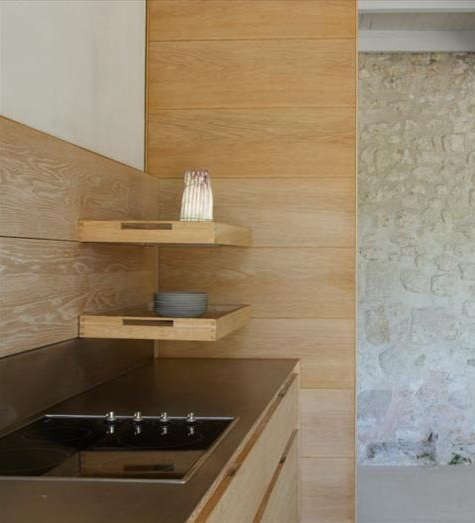

Every kitchen has a secret talent: it can collect clutter faster than a toddler collects stickers. One minute your counter is clean, and the next it is hosting olive oil, salt, coffee mugs, mail, a rogue measuring spoon, and that one lid nobody admits owning. That is where the humble tray steps innot just as a serving piece, but as a smart, stylish, space-saving shelving idea.
Using trays as shelving is one of those kitchen storage ideas that feels almost too simple. A tray has a flat base, raised edges, personality, and just enough structure to make random objects look intentional. Place one on a counter, mount one to a wall with proper support, use one inside an open shelf, or turn a sturdy vintage tray into a shallow display ledge. Suddenly, your kitchen looks less like “snack tornado aftermath” and more like “charming café where someone definitely owns matching linen napkins.”
This guide explores how to use kitchen trays as shelving in a practical, beautiful, and realistic way. We will cover materials, placement, styling, safety, DIY ideas, small-kitchen strategies, and real-life experience-based tips for making tray shelves work without turning your kitchen into a museum of cute objects you are afraid to touch.
Why Trays Work So Well as Kitchen Shelving
A tray is not just a flat object with handles. In kitchen design, it acts like a visual boundary. When several items sit loose on a counter, they look like clutter. When those same items sit together on a tray, they become a “station.” That tiny psychological trick is the reason trays are so popular for coffee bars, cooking oils, spice collections, tea corners, and sink-side essentials.
Trays also bring something traditional shelves do not always have: a lip. That raised edge keeps small bottles, jars, cups, and napkins from sliding around. It also helps contain mess. If your honey jar develops sticky feet, the tray suffersnot the whole cabinet shelf. A quick wash or wipe-down and everyone can return to pretending honey is not secretly kitchen glue.
As shelving, trays are especially useful in small kitchens because they help organize vertical and horizontal space. A tray placed on a shelf can divide categories. A tray mounted like a shallow ledge can hold lightweight items. A tray set on risers can create a second level on a countertop. The result is more storage, better visibility, and less digging through the “where did I put that?” zone.
The Main Ways to Use Trays as Shelving
1. Countertop Tray Shelves
The easiest version requires no drill, no bracket, and no dramatic weekend project. Place a sturdy tray on the counter and use it as a mini shelf for daily-use items. A wooden tray near the stove can hold olive oil, vinegar, salt, pepper, and a small crock of utensils. A metal tray beside the coffee maker can hold mugs, sugar, filters, pods, tea bags, or a jar of cinnamon.
To make it more shelf-like, place the tray on short risers or a low stand. This creates room underneath for flat items such as napkins, small cutting boards, recipe cards, or a slim basket. It is a small change, but in a tight kitchen, small changes often feel like real estate miracles.
2. Wall-Mounted Tray Shelves
A sturdy tray can become a shallow wall shelf when mounted correctly. This works best with wooden, metal, or thick composite trays that have enough structure to hold screws or rest securely on brackets. Mount the tray with the base against the wall and the lip facing outward, or set the tray flat on small brackets like a miniature floating shelf.
This idea is best for lightweight items: spice jars, small bowls, tea tins, pretty mugs, recipe cards, seed packets, or tiny planters. It is not the place for a cast-iron skillet, a blender, or your emotional-support Dutch oven. Before mounting anything, check the tray strength, bracket rating, wall type, and hardware. When in doubt, use wall studs or proper anchors and keep heavy items in cabinets.
3. Tray Shelves Inside Open Shelving
Open shelving looks beautiful when it is edited, organized, and easy to maintain. Trays help make that possible. Instead of lining up twenty small objects on one shelf, group related items on a tray. Breakfast spreads, tea supplies, baking extracts, snack jars, or small condiment bottles become easier to pull forward and clean around.
This is especially helpful on deep shelves. Without trays, items at the back become archaeological discoveries. With trays, you can slide the whole group forward. It is like a drawer, but with better cheekbones.
4. Pantry Tray Shelving
In a pantry, trays can work as category shelves. Use one tray for baking decorations, one for oils and vinegars, one for snack packets, and one for breakfast toppings. Clear or labeled containers make the system even stronger. The goal is not to make your pantry look like a luxury grocery store, although that would be lovely. The goal is to find the vanilla extract before buying a third bottle.
Best Tray Materials for Kitchen Shelving
Wooden Trays
Wooden trays bring warmth and texture to a kitchen. They look especially good in farmhouse, cottage, Scandinavian, rustic, and transitional spaces. A wood tray can soften a white kitchen, balance stainless steel appliances, and make a coffee station feel cozy. Choose sealed wood for areas near water or oil, and wipe spills quickly to prevent staining.
Metal Trays
Metal trays are strong, sleek, and easy to clean. Stainless steel, enamel, galvanized metal, brass, and powder-coated finishes can all work depending on your kitchen style. Metal is a smart choice near the stove or coffee machine because it handles drips better than many natural materials. Just watch for sharp edges and avoid placing metal trays where they may scratch delicate surfaces.
Rattan, Cane, and Woven Trays
Woven trays add texture and charm, but they are better for dry zones. Use them for napkins, tea towels, fruit, wrapped snacks, or lightweight dishes. Avoid using woven trays directly beside the sink or stove, where moisture and grease can become a long-term problem. Woven materials are beautiful, but they do not enjoy being marinated in pasta sauce mist.
Acrylic and Clear Trays
Clear trays are great for modern kitchens, refrigerators, pantries, and small spaces because they visually disappear. They make items look contained without adding visual weight. Use them for spice packets, tea bags, snack bars, or small jars. Acrylic can scratch, so clean it gently and avoid placing very hot items on it.
Vintage Serving Trays
Vintage trays can turn kitchen shelving into a conversation piece. A painted metal tray, old hotel tray, floral serving tray, or classic wooden tray can become a charming wall shelf or countertop station. The key is function first. If the tray wobbles, bends, smells odd, sheds paint, or looks like it survived a pirate shipwreck, use it decoratively rather than for food-related storage.
Where to Use Tray Shelving in the Kitchen
The Coffee Zone
A tray shelf is perfect for a coffee station. Group mugs, beans, filters, sweeteners, stirrers, and a small spoon rest. If you use open shelving above the counter, place a tray on the lower shelf for the items you reach for every morning. This keeps the routine smooth and prevents the dreaded pre-caffeine cabinet shuffle.
Beside the Stove
Use a heat-safe tray to organize cooking oils, salt, pepper, garlic powder, and frequently used spices. Keep it far enough from burners to avoid heat damage, splatter buildup, or safety issues. This setup works best when you cook often and want essentials within reach without letting bottles migrate across the counter like tiny glass tourists.
Near the Sink
A tray near the sink can hold dish soap, hand soap, a scrub brush, lotion, and a small towel. Choose a water-resistant tray, such as metal, stoneware, sealed wood, or durable plastic. Add small feet or a raised base if possible so moisture does not sit underneath.
Inside the Pantry
Use trays as pull-out shelves for categories: taco night, baking supplies, lunchbox snacks, breakfast toppings, or sauces. Labeling is optional, but helpful. Labels are the kitchen equivalent of a friendly librarian: calm, specific, and quietly preventing chaos.
On Open Shelves
Open shelves benefit from restraint. A tray can hold a curated group of bowls, cups, jars, or small canisters while leaving breathing room around them. This makes the shelf look styled instead of stuffed. It also makes cleaning easier because you can lift one tray instead of moving twelve individual objects.
How to Style Trays as Shelving Without Creating Clutter
The secret to tray shelving is editing. A tray is not a permission slip to display every cute kitchen object you own. It is a frame. What goes inside the frame should have a reason to be there.
Start with function. Ask what you use daily or weekly. Coffee mugs, oil bottles, salt cellars, small bowls, and tea tins make sense. Holiday-only cookie cutters probably do not need prime shelf space in July unless your kitchen is emotionally committed to gingerbread year-round.
Next, repeat materials or colors. A wooden tray with white mugs, clear jars, and brass spoons feels cohesive. A black metal tray with glass spice jars and labeled lids looks clean and modern. A woven tray with linen napkins and ceramic bowls feels relaxed. Repetition calms the eye.
Finally, leave negative space. The most stylish tray shelves usually have fewer items than you think. If the tray looks crowded, remove one-third of the objects. If it still looks crowded, remove one-third again. If you are left with one spoon and a lemon, congratulationsyou may have gone too far, but at least it is chic.
Safety and Installation Tips for Wall-Mounted Tray Shelves
Trays can become shelves, but they are not automatically engineered shelves. If you plan to mount a tray on the wall, choose one that is sturdy, flat, and structurally sound. Avoid flimsy trays, cracked wood, thin plastic, or pieces with loose handles.
Use proper brackets, screws, and anchors for your wall type. Whenever possible, mount into studs. Check the hardware weight rating and remember that the tray itself counts as part of the load. Keep heavier dishes, glass pitchers, appliances, and cookware in standard cabinets or professionally installed shelves.
Placement matters too. Do not mount tray shelves directly above a stove, toaster, or other heat source. Avoid spots where people may bump into them. Keep fragile items away from edges, and use trays with lips deep enough to prevent sliding. A shelf should make your kitchen easier, not turn breakfast into a physics experiment.
DIY Ideas for Turning Trays Into Shelves
The Bracket Tray Shelf
Choose a rectangular wooden or metal tray and rest it on two small wall brackets. Secure the tray to the brackets if the design allows. This creates a shallow shelf for spice jars, tea tins, or small cups. Paint the brackets to match the wall for a floating effect, or choose black or brass brackets for contrast.
The Upside-Down Tray Riser
Turn a sturdy tray upside down on the counter to create a low platform. This works for a coffee bar, dessert station, or breakfast corner. The raised surface visually separates the zone and creates a little room around it. Add small nonslip pads underneath to protect the counter.
The Tray-and-Hook Station
Mount a tray as a shallow shelf and add hooks underneath for mugs, measuring spoons, or lightweight utensils. This works especially well near a coffee station or baking area. Keep the hanging items light and evenly spaced.
The Pantry Pull-Out Tray
Place a tray on an existing pantry shelf and treat it like a removable drawer. This is ideal for deep shelves where items get lost. Add felt pads underneath if the tray scratches the shelf, or use a smooth plastic tray for easy sliding.
Common Mistakes to Avoid
The first mistake is using trays that are too large. A tray should organize space, not swallow it. If it takes up the entire counter, it becomes a decorative island where clutter goes on vacation.
The second mistake is ignoring cleaning. Kitchens create grease, steam, crumbs, and mystery dust. Open tray shelves need regular wiping, especially near cooking zones. Choose materials that match the mess level of the location.
The third mistake is overloading. A tray shelf is best for small, useful items. Heavy stacks of plates, appliances, and large jars need stronger storage. Respect gravity. Gravity has never lost an argument.
The fourth mistake is styling only for photos. A kitchen must work when someone is making toast, packing lunch, boiling pasta, and searching for the good scissors. If a tray shelf looks beautiful but blocks daily movement, it needs a new location or fewer items.
Experience-Based Lessons: What Real Kitchens Teach About Trays as Shelving
The best thing about using trays as shelving is that the idea adapts to real life. In a showroom, every tray holds three perfect jars and one graceful branch. In an actual kitchen, the tray may hold coffee filters, a favorite mug, vitamins, a jam jar, and a spoon that nobody wants to wash yet. That is not failure. That is evidence that the system is being used.
One practical lesson is to begin with the messiest daily zone. For many households, that is the coffee area. Before adding a tray, coffee supplies often spread out because every item is small and used often. Once grouped on a tray, the zone becomes easier to clean and easier to restock. You can lift the tray, wipe the counter, and put everything back in one motion. It feels oddly satisfying, like kitchen choreography.
Another lesson is that tray shelves work best when they match habits instead of fantasies. If you cook every night, a stove-side tray for oils and seasonings makes sense. If you bake twice a year, a decorative baking tray shelf full of extracts may become dusty theater. Good organization is honest. It says, “This is how we actually live,” not “This is how we would live if we were followed by a lifestyle photographer named Oliver.”
Tray size also matters more than people expect. A small tray forces good editing. A medium tray creates a useful station. A huge tray invites clutter because empty space whispers, “Put something here.” In most kitchens, the most successful tray shelves are shallow, easy to move, and not packed edge to edge. The raised lip should feel helpful, not like a fence around a tiny kitchen junkyard.
Experience also shows that texture can change the mood of the whole kitchen. A wooden tray can warm up a cold countertop. A black metal tray can make mismatched bottles look intentional. A woven tray can soften a pantry shelf. A clear tray can organize without adding visual noise. This is why trays are such good design tools: they solve a storage problem while quietly improving the room.
Cleaning routines decide whether tray shelving succeeds long-term. Open shelves and countertop trays are visible, which is both a blessing and a warning. They encourage tidiness because clutter cannot hide, but they also collect dust and kitchen film. A weekly wipe-down keeps the system fresh. If the tray is near the stove, clean it more often. If it is in a dry pantry, it can go longer between cleanings.
The most useful experience-based rule is simple: keep tray shelves for things you reach for often or genuinely enjoy seeing. That might be everyday mugs, favorite spices, a beautiful teapot, breakfast jars, or a small bowl for garlic. When the items earn their place, the tray shelf feels natural. When they do not, it becomes decoration with homework attached.
Finally, do not be afraid to move trays around. A tray that starts as a coffee station may become a baking shelf. A pantry tray may move to the counter during holiday cooking. A wall-mounted tray may become a spice ledge or a tea display. The flexibility is the magic. Unlike built-in cabinetry, trays let your kitchen evolve without requiring a renovation, a contractor, or a second mortgage disguised as “custom storage.”
Conclusion: Small Tray, Big Kitchen Upgrade
Using trays as shelving is a clever way to make a kitchen more organized, more attractive, and more personal. It works because it combines structure with flexibility. A tray can corral clutter, create a station, add visual style, and make everyday items easier to reach. Whether you use a wooden tray on the counter, a metal tray on brackets, a clear tray in the pantry, or a vintage tray on open shelves, the principle is the same: give small things a home and the whole kitchen feels calmer.
The best tray shelving ideas are practical first and pretty second. Choose sturdy materials, place trays where they support your routines, avoid overloading, and clean them regularly. Keep the styling simple, leave space to breathe, and let the tray do what it does best: turn ordinary kitchen stuff into an organized little moment. It is not magic, exactlybut when your counter stays clean for more than six minutes, it can feel very close.